Potsticker Noodle Bowl
Introduction
If you’re juggling work, school runs, and the ordinary chaos of family life, you want dinners that are quick, dependable, and comforting — meals everyone will actually eat without a fuss. That’s exactly where this Potsticker Noodle Bowl comes in. It delivers the familiar flavors of a favorite takeout (soy, ginger, garlic, a hint of sesame) while keeping the whole thing approachable for busy weeknights. Think fast-cooking noodles, ground pork that browns in minutes, and a simple sauce that ties everything together — all in a single skillet finish. It’s the kind of recipe I come back to again and again when I need something that’s both reassuring and fast.
This dish works well any night you need dinner on the table in under 30 minutes, but it’s also great for casual gatherings where people can serve themselves from a big bowl. It travels well as a make-ahead option, too: make a batch for dinner and send leftovers to lunchboxes the next day. The flavors are comforting and familiar — not too spicy, not fussy — so kids usually take to it, while adults appreciate the balance and quick prep.
Why it’s reliable: the technique is straightforward and forgiving. Browning ground pork is one of those basic steps that almost always works, and stir-tossing everything at the end means you can tweak texture and sauce quickly. It fits real family schedules because many steps can be done simultaneously — start boiling noodles while you chop and brown pork — which saves time without adding stress.
Why it appeals to both adults and kids: the sauce is savory with a little sweetness from mirin, a gentle bite from ginger and garlic, and just a whisper of heat from sriracha that can be left out or stirred in to taste. The coleslaw mix adds crunch and sneaks some veggies into the meal without theatrics. Put it on the table, and you’ll see how quickly it disappears.
How to make Potsticker Noodle Bowl
This recipe is built on a few simple stages: cook the noodles, brown the pork with green onions, whisk the quick sauce, then toss everything together with the coleslaw mix just long enough to wilt it. Expect each stage to be short — the longest single task is usually boiling the noodles.
Where beginners should slow down: take your time browning the pork. Let it sit in the pan long enough on the first side so it develops some color. That little bit of browning adds flavor the way a caramelized edge does on roasted vegetables. Also, when you toss the noodles with the sauce, do it over medium-high heat and keep the motion steady; you want the sauce to coat everything without steaming the coleslaw into complete limpness.
Where shortcuts naturally exist: use pre-shredded coleslaw mix, which saves chopping time and gives you consistent texture. Ready-to-use lo mein or wide Asian-style noodles cook quickly and rinse to keep them from sticking. If you’re short on time, you can brown the pork while the noodles cook; just keep an eye on both so neither overcooks.
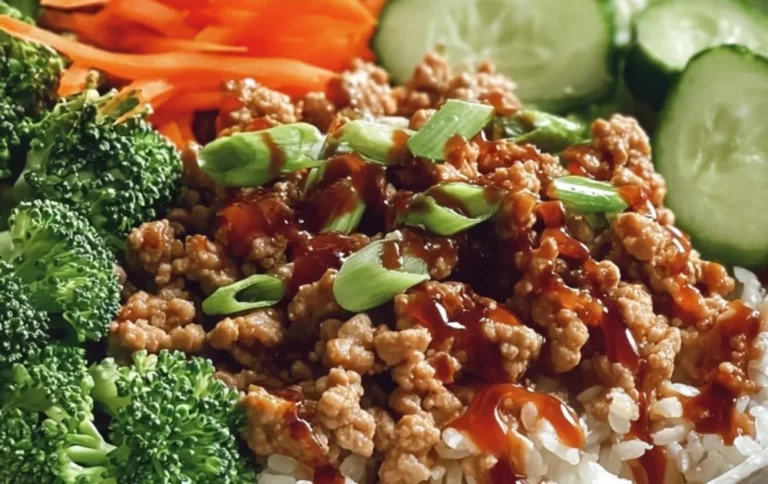
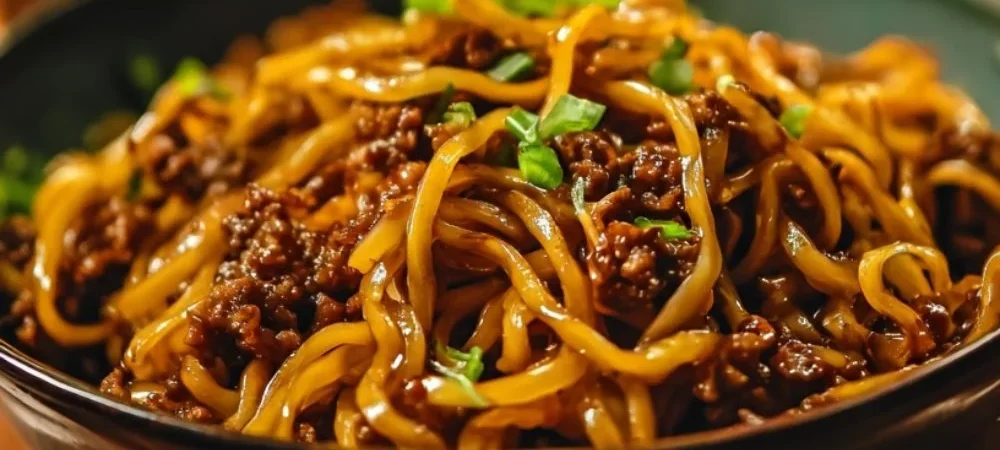
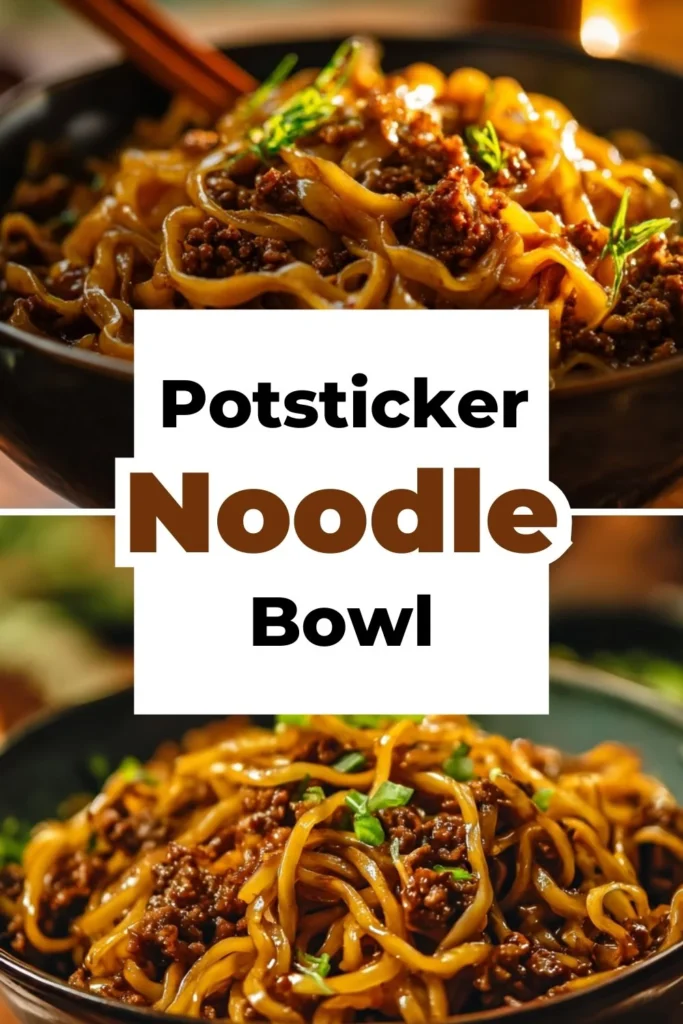
At each stage here’s what you’ll notice: the noodles should be pliable and glossy after rinsing, not starchy and clumped; the pork should look caramelized in spots and fragrant; the sauce will smell like a warm mix of soy and ginger; and the coleslaw should wilt slightly but still offer a bit of crispness after a quick toss. Those sensory cues tell you you’re on track.
Ingredients
8 oz wide Lo Mein noodles cooked and rinsed, 1 tablespoon peanut oil, 1 pound ground pork, 1/4 cup + 2 tablespoons sliced green onions, 1/2 cup low-sodium chicken broth, 3 tablespoons mirin, 2 tablespoons dark soy sauce, 1 tablespoon minced garlic, 2 teaspoons grated ginger, 1 teaspoon sesame oil, 1/2 teaspoon sriracha, 4 cups coleslaw mix
Each ingredient has a simple job in this bowl. The wide lo mein noodles are the base — they hold sauce well and give a pleasing, chewy texture that kids tend to like. Peanut oil handles the higher heat of browning the pork and adds a gentle, toasty background note. Ground pork is quick to cook and naturally juicy; it stays tender and carries flavor without needing long cooking.
Green onions are used twice — part goes into the pork as it browns for an aromatic start, and the rest finishes the dish for a fresh pop. Low-sodium chicken broth is the liquid backbone of the sauce; it thins the glaze so it’s saucy without being soupy. Mirin brings a touch of sweet acidity that tastes like a gentle takeout-style glaze when combined with soy. Dark soy sauce adds that deeper, savory soy character and color.
Garlic and ginger are the familiar aromatics — simple, flavorful, and not intimidating. Sesame oil is added sparingly at the end for a warm, toasty scent that reads as “Asian-inspired” without overpowering. A small bit of sriracha gives a controlled edge of heat that can be adjusted or omitted for little ones. Finally, coleslaw mix is the shortcut vegetable — it’s crunchy, convenient, and wilts just enough to feel integrated into the noodles without losing texture.
These are pantry-friendly items; many of them (soy, garlic, broth, ginger) have long shelf lives or can be swapped with similar items in a pinch. But I’ve kept the recipe focused on what makes the final result reliable and familiar to families.
Directions
Cook noodles; set aside., Brown pork with 1/4 cup green onions in peanut oil., Whisk broth, mirin, soy sauce, garlic, ginger, sesame oil, and sriracha., Add noodles, coleslaw mix, and sauce to skillet., Toss 2–3 minutes until coated; garnish with remaining green onions., See full steps with tips & photos →
Friendly guidance around these steps: when you cook the noodles, follow package timing and then rinse them under cold water to stop cooking and remove excess starch. This keeps the strands separate and helps the sauce cling rather than making a gluey mass. When browning the pork, break it up into bite-sized pieces and let it sit undisturbed until it releases easily from the pan — that means it’s developed some color. Stir in the initial 1/4 cup green onions so their mild onion flavor has time to mellow with the pork.
Whisking the sauce ahead of throwing everything together is a time-saver; it lets you control the seasoning and avoid over-salting since dark soy can be strong. Add sauce to the skillet in a steady stream so it heats through quickly. When you add the coleslaw mix and noodles, toss gently but thoroughly — you want the cabbage to pick up the sauce and soften slightly without going floppy.
Small mistakes to avoid: don’t overcook the noodles before tossing — they should finish cooking with the sauce, not dissolve into it. Use medium-high heat for the final toss so water evaporates quickly and the sauce thickens, but be ready to lower the heat if things start to stick. If the pan gets too dry, a splash of broth will rescue it.
How to know you’re on track: aroma is a great guide here — you’ll get a warm ginger-garlic scent, a toasty sesame note, and a savory soy background. Visually, the noodles should be glossy and evenly coated; the coleslaw should be muted, not crunchy raw and not completely limp. Taste for salt and adjust with a little more soy or a pinch of sugar if it needs balancing.
Why families love this dish
There’s comfort in repetition, and this bowl leans into familiar textures and tastes — noodles, savory meat, a lightly sweet-salty sauce, and a little crunch from cabbage. Children often respond well to the simple, slightly sweet soy-glazed flavor, and the presentation is straightforward: a single bowl with all elements together. Parents appreciate that it’s quick, that it stretches to feed a crowd with minimal fuss, and that it yields satisfying leftovers.
It’s also versatile without being complicated. You can leave out the sriracha for young kids, set it on the table for adults to add heat, or put a small bowl of chopped fresh vegetables on the side for picky eaters who like to add their own. The balance between sauce and noodles is forgiving, so small timing differences (life happens, dinner gets interrupted) don’t ruin the meal.
For many families, the make-ahead and leftover potential matter most. It reheats well when done carefully (more on that below), and portions hold up for school lunches. It’s easy to double for a bigger family or scale down for two.
Smart substitutions and simple variations
I always tell people: keep the core flavor in mind and make swaps that preserve that balance. If you don’t have ground pork, you can use ground turkey or chicken — they’ll be leaner, so watch for dryness and consider adding a splash more broth or a teaspoon of oil. If you’re avoiding peanut oil, any neutral high-heat oil (canola, vegetable) does the job. Dark soy brings color and depth; if you only have regular soy sauce, use that but expect a lighter color and slightly different intensity.
For picky eaters who dislike cabbage texture, replace the coleslaw mix with thinly sliced carrots or a bagged shredded carrot mix; it will soften less and add color. If someone loathes mushrooms, don’t add them — the recipe shines without extras. For a slightly different flavor profile, swap mirin for a touch of rice vinegar plus a pinch of sugar; the shine and slight sweetness remain, though the result won’t be identical.
Add-ons that don’t complicate: a soft boiled egg halved on top for extra protein, a sprinkle of toasted sesame seeds for crunch, or a handful of baby spinach tossed in at the end for more greens. Keep in mind: any additions should be quick and simple to keep the “easy weeknight” focus intact.
Pairing ideas for a complete, satisfying meal
You don’t need a lot to round out this bowl. A simple side of steamed or roasted vegetables (broccoli, green beans, or edamame) makes the meal more colorful and is quick to prepare while the noodles are cooking. A crisp cucumber salad dressed with rice vinegar and a pinch of sugar offers a bright contrast to the warm, savory bowl. If you want bread, a couple of sesame crackers or a crusty loaf for dipping in the sauce satisfies hungry kids.
For very busy nights, set out small bowls of garnishes — extra green onions, sesame seeds, a little sriracha — and let everyone customize. It’s an easy way to cater to different tastes without making multiple dishes.
Make-ahead tips, leftovers, and storage
This bowl stores well in an airtight container in the refrigerator for 3–4 days. Because the noodles can soak up sauce, store sauce and noodles together if you plan to eat them within a day; for longer storage, you might keep a little extra broth or sauce on the side to refresh when reheating.
To reheat without drying out, warm gently on the stovetop over low-medium heat with a splash of water or chicken broth. Stir frequently so the noodles re-coat and don’t stick. In the microwave, cover loosely and add a teaspoon or two of water before heating to retain moisture; stir halfway through. If the coleslaw mix has softened too much in the refrigerator, fold in a handful of fresh greens or thinly sliced cabbage when reheating to restore a bit of crunch.
For lunches, pack the bowl with sauce and noodles together, but consider keeping any very delicate toppings (fresh herbs, extra green onions) separate until just before eating.
Common questions home cooks ask about this recipe
Timing: How long will this take? From start to finish you’re looking at roughly 20–30 minutes depending on noodle timing and how quickly you chop. Multitask: boil noodles while you brown the pork to shave minutes.
Texture issues: My noodles clump — what went wrong? Most likely they weren’t rinsed or were overcooked. Rinse under cool water, toss with a little oil if needed, and don’t let them sit in hot water.
Sauce too salty or too thin? Use low-sodium broth as the recipe suggests, and taste before adding extra soy. If the sauce is too thin, cook a little longer with the noodles in the pan; it will reduce and thicken slightly. If too salty, add a small splash of broth or a tiny pinch of sugar to balance.
Scaling the recipe: Can I double it? Yes — double everything and use a larger skillet or do it in two batches to maintain even browning of the pork. If you scale up a lot, you may need to adjust seasoning to taste.
Make-it-again confidence: I always remind home cooks that this is a forgiving, “get dinner done” recipe. If a step feels rushed, slow down on the browning and the final toss — that’s where the payoff is.
Final thoughts from Sarah
This Potsticker Noodle Bowl has become one of those reliable weeknight helpers in my kitchen. It’s quick, forgiving, and comforting — exactly what parents and busy cooks reach for when time is tight but good food matters. The familiar flavors make it approachable for kids, while simple finishes and garnishes let adults personalize their bowls. It’s easy to love and easy to make again.
If you make this once and tweak it to your family’s tastes — a little less sriracha, a touch more green onion, a soft egg on top — it will feel like your own in no time. Keep the pantry ingredients on hand, and you’ll have a dinner that feels like a small, dependable ritual at the end of a long day.
Warmly,
Sarah Collins
Conclusion
If you want another take on this idea or inspiration for similar one-skillet noodle bowls, check out this version with a slightly different approach at Potsticker Noodle Bowls – No Filling and Sealing Required!, and for a helpful variation and discussion about flavor adjustments see Potsticker Noodle Bowl – Prevention RD.
Potsticker Noodle Bowl
Ingredients
Method
- Cook wide Lo Mein noodles according to package instructions, then rinse under cool water to stop cooking and remove excess starch.
- Heat peanut oil in a skillet over medium-high heat and brown ground pork with 1/4 cup sliced green onions until caramelized.
- In a bowl, whisk together chicken broth, mirin, dark soy sauce, garlic, ginger, sesame oil, and sriracha.
- Add cooked noodles, coleslaw mix, and the whisked sauce to the skillet with browned pork.
- Toss everything together for 2-3 minutes until well coated. Garnish with remaining green onions before serving.