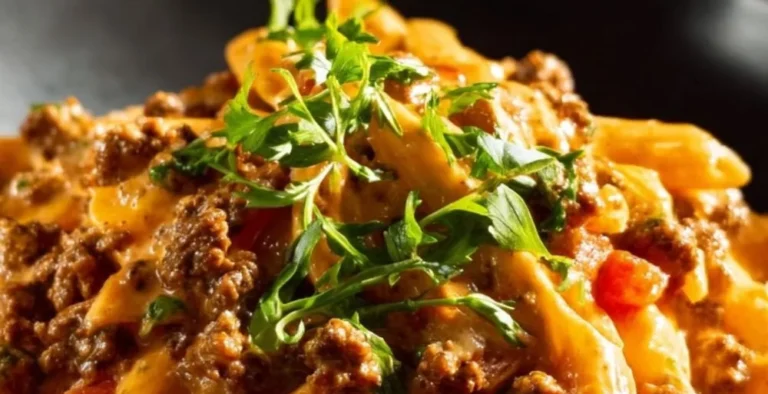
Protein Mac and Cheese
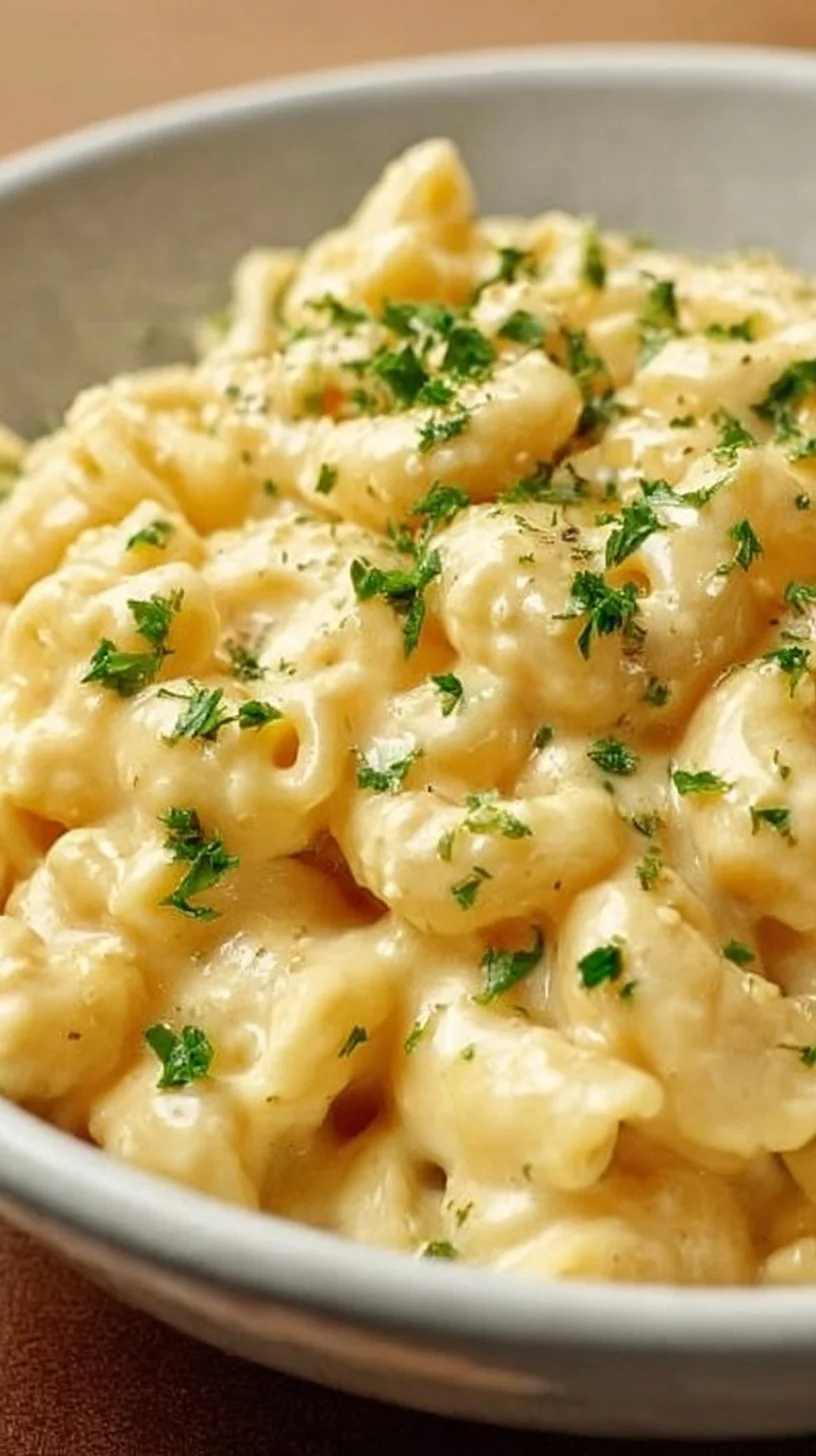
I’m Sarah Collins, and if you’re anything like me you need dinners that are dependable, fast, and crowd-pleasing. This Protein Mac and Cheese is one of those recipes that quietly fits into weeknights, school nights, and even casual weekend family gatherings without fuss. The flavors are familiar — creamy cheese, cozy pasta — and the little boost of protein makes it feel a bit more substantial than the classic version, which helps everyone leave the table satisfied.
This dish is perfect for busy families because it’s forgiving: timing isn’t laser-precise, ingredients are common pantry staples, and picky eaters usually won’t fight you about it. It’s also an excellent make-ahead base for a weeknight — you can cook the pasta and sauce ahead, then finish quickly when you’re ready to eat. If you like dependable, protein-forward family meals, you might also enjoy a simple morning option like this baked cottage cheese eggs recipe that follows the same “easy, satisfying, real food” logic.
In this article I’ll walk you through why this recipe works, how to make it with confidence, small troubleshooting tips that save time, and a few straightforward ways to adapt it to different tastes. Think of this as the kind of recipe you can come back to when you need dinner that’s both comforting and practical.
How to make Protein Mac and Cheese
This recipe is built around three simple phases: cook the pasta, make a smooth cheese sauce, and bring them together. Expect about 15–25 minutes active time depending on how fast you’re comfortable working and whether you’ve prepped anything ahead.
Pasta: Boiling the noodles takes the most predictable chunk of time. The note about undercooking by a minute is important because pasta continues to soften once it hits the sauce; this keeps the final texture pleasantly al dente instead of mushy.
Roux and sauce: The butter + flour step creates a roux — that’s just a thickening base. Toasting it briefly adds a gentle, nutty flavor and prevents a raw-flour taste. Adding the milk slowly and whisking keeps the sauce smooth and lump-free.
Finishing: Lowering the heat before adding yogurt and cheese prevents the dairy from breaking or becoming grainy. The Greek yogurt gives creamy body and a little tang, and the shredded cheddar melts into a familiar mac-and-cheese flavor.
Where beginners should slow down: whisking as you add the milk and watching for a gentle simmer are the two places to move deliberately. Where shortcuts exist: using pre-shredded cheese will save time, and if you’re in a hurry you can cook pasta in advance and hold it in a colander in the fridge until needed.
If you like a contrast of textures, a quick sprinkle of toasted breadcrumbs before serving is an optional finishing touch. For a smoother weeknight flow, simply cover and serve.
Ingredients
13 oz protein pasta, 2 tbsp butter (dairy or non-dairy), 2 tbsp flour, 2 cup milk (dairy or non-dairy), 3 ½ cups cheddar cheese (shredded, low-fat), ⅓ cup Greek yogurt, ½ tsp salt, ½ tsp pepper, 1 tsp paprika
In plain home-cook terms, here’s what each ingredient is doing:
- Protein pasta: Holds the dish together and gives extra staying power. It cooks like regular pasta but adds a bit more substance so everyone feels full longer.
- Butter: Starts the sauce and gives a buttery flavor. Use dairy or non-dairy depending on your household.
- Flour: Works with the butter to thicken the sauce; you’re making a basic roux, nothing fussy.
- Milk: The liquid base for the sauce — pick the milk your family prefers.
- Cheddar cheese: The main flavor and creaminess. Shredded cheese melts more evenly than slices.
- Greek yogurt: Adds creaminess and a little tang without watering down the sauce like extra milk would.
- Salt, pepper, paprika: Simple seasoning that brightens the whole dish. Paprika adds color and a gentle smoky note.
These are pantry-friendly, family-friendly items. You don’t need specialty ingredients to make this sing.
Directions
Boil a large pot of salted water, add pasta and cook according to the package directions. Don’t overcook the noodles, it’s better to drain them a minute early than let them go soggy.
Melt the butter in a large pot over medium heat.
Gradually add the flour to the melted butter, stirring or whisking as you add it. It will turn into a paste (you are creating a simple roux). Whisk until it turns light brown and looks toasted, 1 to 2 minutes.
Keep whisking and slowly pour the milk in then add the salt, pepper, and paprika. Whisk until smooth and the flour paste is mostly incorporated into the milk.
Keep cooking and whisking until the sauce starts to simmer and thickens. Give this 3-4 minutes, the sauce will only thicken once it’s reached a simmer.
Turn the heat to low then stir in the Greek yogurt. Once the Greek yogurt is stirred into the sauce, add the cheese until it melts into the sauce.
Stir in the cooked pasta or pour the cheese sauce over your pasta.
Cover with a lid or serve immediately. Garnish with fresh parsley (optional).
Friendly guidance around these steps:
- When boiling the pasta, taste a strand a minute or two before the package time ends — you want a slight chew. If you forget and it becomes softer than you like, drain it immediately and rinse briefly with cool water to stop carryover cooking.
- The roux should smell slightly nutty when it’s ready; don’t let it go dark brown. If it darkens too much, lower the heat and add the milk more slowly to avoid burned bits in the sauce.
- Pour the milk in a thin stream while whisking to prevent lumps. If lumps do form, don’t panic: a quick blitz with an immersion blender or strainer will smooth them out.
- When the sauce simmers and thickens, it may coat the back of a spoon. That’s your visual cue to lower the heat and add yogurt and cheese.
- Avoid high heat when the cheese goes in — you want gentle melting. If the sauce looks oily, that’s a sign the cheese got too hot; pull it off the heat and whisk in a splash more milk or a teaspoon of yogurt to bring it back together.
Why families love this dish
There’s comfort and familiarity here: creamy cheddar and noodles are almost universally liked by kids, and adults appreciate the added protein and easy preparation. It’s an ideal “bridge” meal when one kid likes plain noodles and another wants something cheesy — everyone wins.
Practical family advantages:
- Quick to make on busy school nights.
- Uses ingredients most home cooks already have.
- Flexible for portioning — easy to scale up a bit for guests or save leftovers.
This recipe is also a great base for little customizations: you can stir in roasted vegetables for a hidden-veg boost, add shredded rotisserie chicken for more protein, or serve it plain for the pickiest eaters and let everyone top their plate family-style. The overall flavor profile stays simple and reassuring, so it invites those small additions without changing the core comfort factor.
In case you want a crunchy, fresh side that still feels simple, try serving it with a light salad; for one easy pairing idea check this refreshing creamy cucumber salad with bacon and cheese which balances the richness nicely.
Smart substitutions and simple variations
You asked for simple swaps — here are options that keep the recipe reliable without changing the core ingredients or steps:
- Cheese: Stick to cheddar for the classic flavor, but mixing in a little sharp cheddar or Monterey Jack will change the flavor subtly. Pre-shredded cheese is fine for weeknights.
- Milk and butter: Non-dairy milk and a plant-based butter work here if needed; the roux and cheese are the texture drivers, so use what you prefer for the liquid/fat.
- Greek yogurt: If you need less tang, use a milder plain yogurt or a small amount of sour cream instead, but don’t skip it entirely — it helps the sauce feel luscious.
- Pasta shape: Use any short pasta your family likes. Protein pasta is listed here for substance, but regular pasta works with the same method if that’s what you have.
For picky eaters who resist visible add-ins, try stirring vegetables into just half the pan before serving so everyone can choose. These small variations keep the recipe flexible and still very hard to mess up.
Pairing ideas for a complete, satisfying meal
A few simple sides will round this out without adding kitchen stress:
- Greens: A quick bagged salad dressed with olive oil and lemon keeps things fresh and easy.
- Vegetables: Steamed broccoli or frozen peas warmed with a pat of butter are classic mac-and-cheese companions that kids often accept.
- Bread: Warm dinner rolls or a crusty baguette are great if you want to bulk up the meal a bit.
- Protein add-ins: Leftover rotisserie chicken or quick pan-seared sausages can be stirred in when you mix the pasta with the sauce.
These pairings are intentionally low-effort — think minimal prep, quick cook time, and flavors that complement the creamy pasta.
Make-ahead tips, leftovers, and storage
This mac and cheese stores and reheats well when you use a couple of simple tricks:
- Make-ahead: Cook the pasta and sauce separately, cool slightly, then store in airtight containers in the fridge for up to 3 days. Reheat gently on the stove over low heat, stirring in a splash of milk to refresh the sauce.
- Storing leftovers: Keep leftovers in a covered container in the refrigerator for 3–4 days. If freezing, portion into airtight containers and freeze for up to 2 months; thaw overnight in the fridge before reheating.
- Reheating without drying out: Use low heat on the stove or oven and add a small splash of milk or a teaspoon of butter as you reheat to bring back creaminess. Microwaving works for single servings — cover loosely and stir halfway through heating.
- Lunchbox ideas: Leftover mac and cheese can be packed cold or gently warmed in a thermos for kids who prefer warm lunches. Stirring in a few fresh vegetables right before serving keeps things brighter.
If you want ideas for other make-ahead, protein-friendly meals to keep the week flowing, I like to rotate simple bowls like this high-protein cottage cheese pizza bowl because they rehearse the same “cook once, eat twice” approach.
Common questions home cooks ask about this recipe
Q: My sauce is too thin — what did I do?
A: Most likely the sauce didn’t reach a simmer long enough for the roux to thicken. Bring it to a gentle simmer and give it those 3–4 minutes as the recipe notes. If it’s still thin at the end, stir in a small additional sprinkle (about 1 tsp) of flour dissolved in a little cold milk and cook a minute more.
Q: The cheese looks grainy or oily — how do I fix that?
A: That happens if the sauce gets too hot while the cheese is melting. Pull the pan off the heat, whisk in a splash of milk and a teaspoon of yogurt, and the sauce will come back together.
Q: Can I scale this up for a crowd?
A: Yes. Increase ingredients proportionally; use a large pot for the sauce to make whisking easier. For very large batches, keep sauce warm on very low heat and add cheese gradually to maintain smoothness.
Q: How do I make it less tangy for a kid who dislikes yogurt?
A: Reduce the Greek yogurt slightly and add a touch more milk or a small pat of butter for creaminess. The yogurt adds body and a bit of brightness, but small adjustments are fine.
Final thoughts from Sarah
This Protein Mac and Cheese has become one of my go-to weeknight recipes because it simply works. It’s straightforward to make, forgiving when life gets noisy, and versatile enough to please different tastes at the table. Use the steps as a reliable map, rely on your senses for small course corrections, and don’t be afraid to make it your own with tiny swaps. If you keep a stash of pantry staples and a little patience for whisking, you’ll have dinner on the table that the family will actually eat — and that’s a win in my book.
Warmly,
Sarah Collins
Conclusion
If you’re curious about other takes on protein-boosted mac and cheese, this recipe pairs well with ideas from other cooks — for inspiration see this simple roundup at My Best Protein Mac and Cheese – Kinda Healthy Recipes. For a baked version with a different texture and mix-ins, check out this easy baked approach at Simple Protein Mac and Cheese | Lemons & Zest. And if you’re interested in pre-made protein mac options for busy nights, this product page gives an idea of what’s available commercially: Protein Mac & Cheese – Legendary Foods.
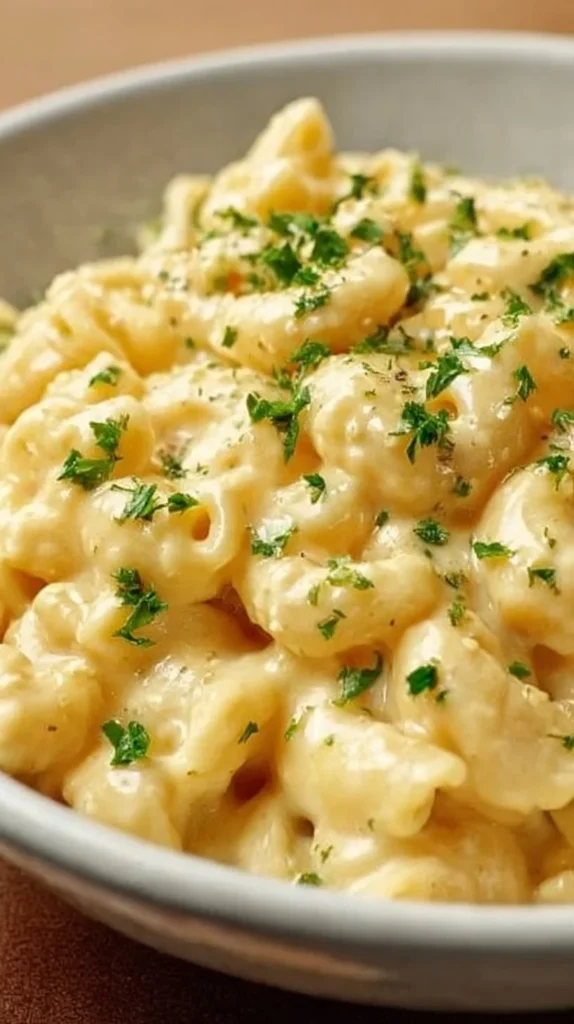
Protein Mac and Cheese
Ingredients
Method
- Boil a large pot of salted water, add pasta and cook according to the package directions. Don’t overcook the noodles, it’s better to drain them a minute early than let them go soggy.
- Melt the butter in a large pot over medium heat.
- Gradually add the flour to the melted butter, stirring or whisking as you add it. It will turn into a paste (you are creating a simple roux). Whisk until it turns light brown and looks toasted, 1 to 2 minutes.
- Keep whisking and slowly pour the milk in then add the salt, pepper, and paprika. Whisk until smooth and the flour paste is mostly incorporated into the milk.
- Keep cooking and whisking until the sauce starts to simmer and thickens. Give this 3-4 minutes, the sauce will only thicken once it’s reached a simmer.
- Turn the heat to low then stir in the Greek yogurt. Once the Greek yogurt is stirred into the sauce, add the cheese until it melts into the sauce.
- Stir in the cooked pasta or pour the cheese sauce over your pasta.
- Cover with a lid or serve immediately. Garnish with fresh parsley (optional).