Teriyaki Ground Turkey Bowl
Introduction
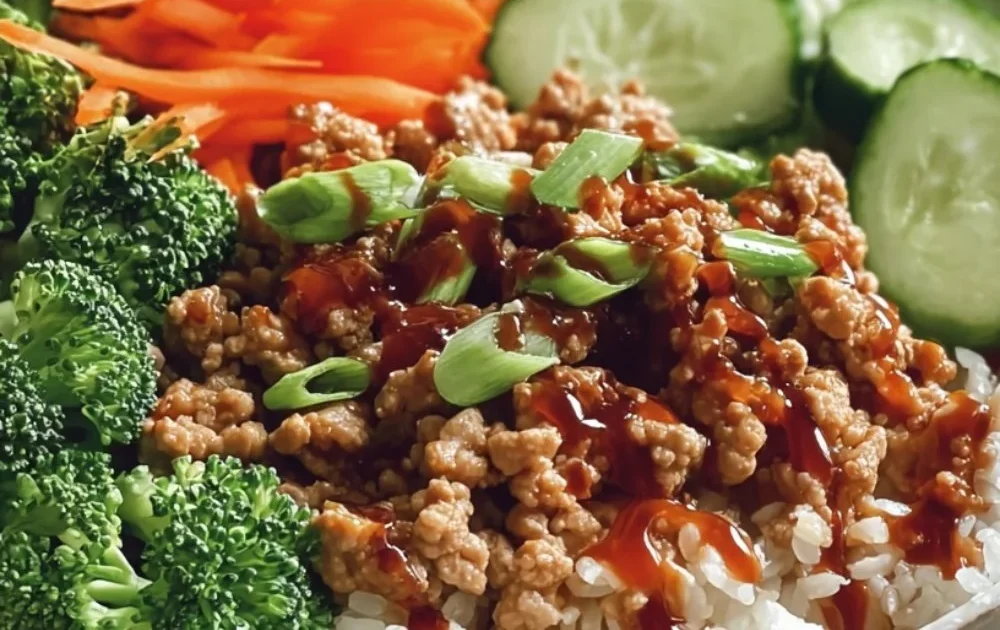
If you’re someone who wants a simple, satisfying weeknight meal that doesn’t require a lot of fuss, this Teriyaki Ground Turkey Bowl is for you. I created this recipe with people in mind who may be new to cooking, returning to the stove after a long break, or just looking for a dependable, tasty dinner that builds confidence. It’s approachable because the steps are logical and the flavors are already paired for you — soy-sweet teriyaki with mild ground turkey, crisp-tender vegetables, and comforting rice.
This recipe is also a great learning platform: it reinforces basic pan-cooking routines like browning meat, stirring in a sauce, and finishing vegetables so they stay vibrant. If you like bowls that come together quickly, you might also enjoy the texture balance in my Ground Beef Hot Honey Bowl, which shows similar timing and layering techniques. Think of this bowl as a gentle lesson in timing and confidence-building in the kitchen.
Why this recipe is easy to get right
There are a few reasons this Teriyaki Ground Turkey Bowl is forgiving and beginner-friendly. First, ground turkey cooks evenly and visibly — you’ll see it change from pink to pale as it browns, which gives you a clear visual cue that you’re on the right track. Second, the recipe uses a prepared teriyaki sauce, which simplifies flavor-building; you don’t have to balance multiple seasonings.
The vegetables in the dish — broccoli and carrots — are sturdy and predictable. They tolerate a little extra time in the pan without falling apart, so you’re not punished for small timing slips. The rice acts as a cushion: it soaks up sauce and keeps the bowl satisfying even if one component is a touch saucier or drier than planned.
Finally, the steps follow a natural order: heat oil, brown protein, add sauce and vegetables, then assemble over rice. That sequence is intuitive and encourages steady progress. If you want to practice a different bowl with the same mindset, try a high-protein bowl like the High Protein Cottage Cheese Pizza Bowl to apply the same principles in a different flavor profile.
How to make Teriyaki Ground Turkey Bowl
At a glance, this recipe moves through three main stages: preparing the pan and browning the meat, adding sauce and vegetables to finish the cooking together, and plating over rice with green onions on top. Start by bringing your pan to the right temperature so the turkey browns rather than steams. Browning adds both flavor and texture; you’ll notice small brown bits on the pan that contribute to the overall taste.
When you add the teriyaki sauce and vegetables, you’ll shift from browning to a gentle simmer. This is where flavors meld: the sauce warms, thickens slightly, and coats the turkey and vegetables. Watch for the broccoli’s color to deepen to a bright green and for the carrots to soften but still have a little bite. Those textural contrasts make each spoonful pleasant.
Finally, serve the mixture over cooked rice and finish with sliced green onions for freshness and a mild crunch. That last step is quick but important — it brightens the dish. If you’d like a visual reference for managing a stir-fry style bowl in about the same time window, take a look at the method used in the Honey Sriracha Salmon Bowls, which uses the same approach of cooking components separately and bringing them together.
Where beginners should slow down: browning the turkey (make sure the pan is hot enough) and judging vegetable doneness (test a piece rather than guessing by time alone). Those are the moments where attention makes the biggest difference.
Ingredients
1 lb ground turkey, 1/2 cup teriyaki sauce, 2 cups broccoli florets, 1 cup sliced carrots, 2 cups cooked rice, 2 tablespoons sesame oil, 2 green onions, sliced
Each ingredient here plays a clear, easy-to-understand role:
- Ground turkey: This is the protein and body of the bowl. It’s lean, mild, and quick to cook. Because it’s ground, it cooks faster and more uniformly than whole pieces of meat, which is great for beginners learning to judge doneness by sight.
- Teriyaki sauce: Ready-made teriyaki brings sweet and savory balance without requiring you to mix multiple seasonings. It glazes the turkey and vegetables and ties the bowl together.
- Broccoli florets: They add color, a fresh snap, and nutrition. Broccoli’s texture is forgiving — it softens into tenderness without becoming mushy if watched.
- Sliced carrots: Carrots bring a sweet, crisp contrast. Thin slices cook quickly and pair well with the broccoli.
- Cooked rice: Rice is the neutral base that absorbs sauce and keeps everything comfortable and filling. Using pre-cooked rice saves time and simplifies workflow.
- Sesame oil: A small amount of sesame oil adds a toasty aroma and helps the turkey brown. It’s strong-flavored, so a little goes a long way.
- Green onions: These finish the bowl with freshness and a mild onion bite. They look pretty and boost the overall brightness.
None of these ingredients are complicated: they’re familiar items you can find at any grocery store, and their roles are straightforward. They work together by layering texture (tender protein, crisp veggies, soft rice) and flavor (sweet teriyaki, toasty sesame, fresh green onion).
Directions
- In a large skillet, heat sesame oil over medium heat.
- Add ground turkey and cook until browned, about 5-7 minutes.
- Stir in teriyaki sauce, broccoli, and carrots. Cook for an additional 5-7 minutes, until vegetables are tender.
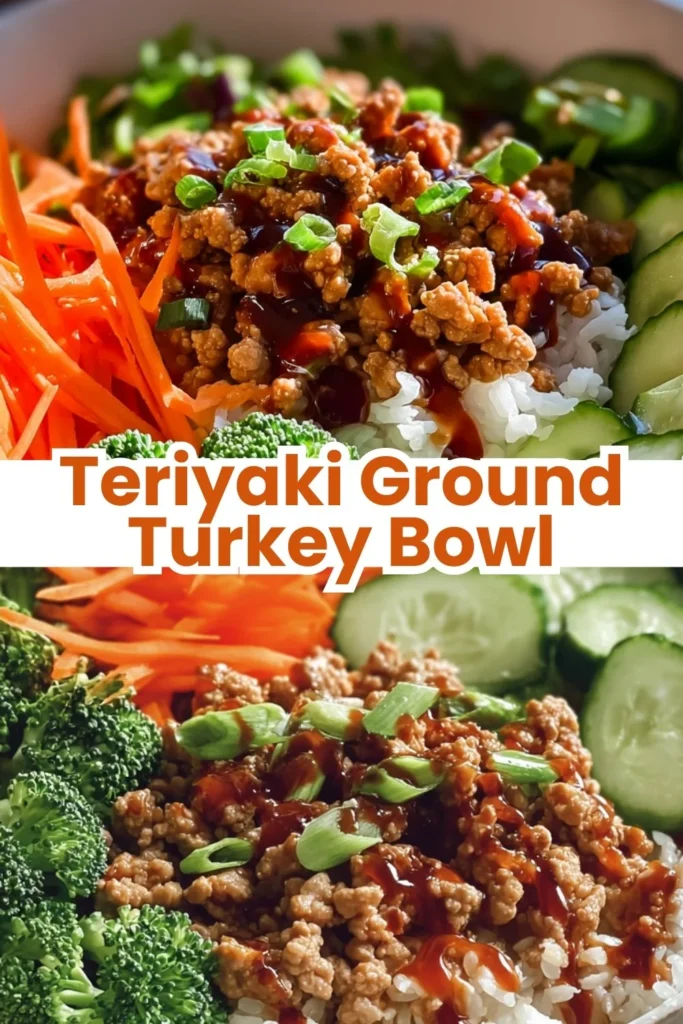
- Serve the turkey and vegetable mixture over cooked rice.
- Top with sliced green onions before serving.
Supportive guidance for the steps above:
- Step 1: Heating the pan and oil — you want the oil shimmering but not smoking. A medium heat gives you control; if the oil starts smoking, lower the heat slightly. The shimmering oil helps the turkey make contact and begin to brown.
- Step 2: Browning the turkey — break it up with a spatula so it cooks evenly. You’ll see it change color from pink to pale beige; look for small golden bits at the bottom of the pan. Those bits carry flavor, so scrape them gently as you stir.
- Step 3: Adding sauce and vegetables — when you pour in the teriyaki, it should sizzle gently as it hits the hot pan. Stir to coat everything. The broccoli should turn a brighter green and the carrots should become fork-tender but still lively — test one piece to be sure.
- Step 4: Serving over rice — spoon a bed of rice into bowls and top with the turkey-vegetable mix; the rice will absorb some sauce, making the bowl cohesive.
- Step 5: Green onions — slice them thin and scatter on top. Their fresh, oniony note finishes the dish.
If your turkey looks a little pale instead of nicely browned, don’t worry: gentle browning or even thorough cooking without deep color is perfectly fine for flavor and safety. If the sauce seems thin, let it simmer a minute longer to thicken; if it’s too thick, a splash of water will loosen it.
Key techniques you’ll practice in this recipe
This bowl is a great opportunity to practice foundational skills:
- Controlling heat: You’ll learn how medium heat behaves — hot enough to brown but not so high that things burn. That sense of pan temperature is useful for most stovetop cooking.
- Breaking down ground meat while cooking: Using a spatula to crumble and turn ground meat teaches even cooking and prevents undercooked pockets.
- Timing vegetables vs. protein: You’ll develop a feel for when to add sturdier vegetables so everything finishes together.
- Finishing with fresh aromatics: Slicing and adding green onions at the end shows how a simple finishing touch lifts a dish.
Mastering these techniques will carry over to countless weeknight recipes, from simple stir-fries to skillet dinners. If you’d like more bowls that reinforce these skills in different ways, the technique used for the Low Carb Steak Fajita Bowl is another great practice in timing and finishing.
Common mistakes and how to avoid them
Many beginners worry about a few predictable things. Here’s how to handle them:
- Turkey won’t brown or steams instead: This usually happens when the pan is overcrowded or not hot enough. Give the pan a moment to heat and don’t dump everything in at once. If you’re working in a small skillet, brown in batches.
- Vegetables end up mushy: Overcooking is the culprit. Use the suggested 5–7 minutes as a guide, but always test a floret or carrot slice for the texture you like. Remove from heat as soon as they’re tender-crisp.
- Sauce splatters or burns: If the sauce splatters when added, lower the heat slightly and stir gently. If it starts to burn, add a tablespoon of water and scrape the pan to release the stuck bits; that will save the flavor rather than letting it grow bitter.
- Rice is cold or too dry: Use warm cooked rice, or reheat rice briefly before assembling the bowl so the mixture doesn’t cool down the whole dish.
If something goes off track — say the sauce thickens too much — small fixes work well: a splash of water to loosen, a quick extra minute of simmer to reduce. These are not failures; they are adjustments, and they’ll teach you how to read what your pan is telling you.
How to adjust confidently without changing the recipe
You might want to scale or tweak this bowl based on appetite or taste. Here are conceptual ideas that keep the recipe intact:
- Portion scaling: Double everything to feed more people, keeping the same sequence of steps. Use a larger skillet or work in batches so the turkey still browns well.
- Flavor preferences: If you lean toward sweeter or lighter, hold back a little teriyaki and finish with a small drizzle at the table. If you want more depth, a tiny dash of toasted sesame oil at the end enhances aroma (remember a little goes far).
- Texture tweaks: For firmer vegetables, cut them slightly larger so they need more time; for softer results, slice thinner. The key idea is to match cut size to desired doneness — larger pieces take longer.
These adjustments are about proportion and timing rather than changing ingredients or steps. That means you can be flexible while still following the recipe’s core method.
Serving, storage, and reheating made simple
Serving: Plate the rice first, spoon the turkey and vegetables on top, and scatter the green onions. Serve with chopsticks, a fork, or a spoon — whatever feels comfortable. A small wedge of lime or a sprinkle of sesame seeds makes a pretty optional garnish, but it’s not required.
Storage: Cool leftovers to room temperature within two hours and transfer to an airtight container. Stored in the refrigerator, leftovers will keep well for 3–4 days. If you plan to freeze, separate rice and turkey mixture into freezer-safe containers and consume within 2 months for best quality.
Reheating: For best texture, reheat gently. Microwave in short bursts, stirring in between, and add a splash of water if the rice feels dry. On the stovetop, warm the turkey and vegetables over low-medium heat with a teaspoon of water or stock to prevent sticking; then reheat rice separately and assemble. Gentle reheating preserves texture and flavor better than blasting on high heat.
Questions new cooks often ask about this recipe
Q: How do I know when the turkey is fully cooked?
A: Ground turkey is done when it’s evenly colored with no pink and registers 165°F if you use a thermometer. If you’re not using a thermometer, break a piece open — it should be opaque inside.
Q: Can I use frozen broccoli or carrots?
A: Yes. Thaw and drain extra water if they’re wet, or add them a little earlier in the pan so they have time to release steam and cook through.
Q: What pan should I use?
A: A large skillet with a flat bottom works best so the turkey has room to brown. Nonstick or stainless steel are both fine — just manage heat so things don’t stick or scorch.
Q: Is it okay if the sauce seems thin at the end?
A: Yes. It will thicken slightly as it cools and as it interacts with the rice. If you prefer it thicker, simmer a minute longer.
Q: My vegetables aren’t the same size — is that a problem?
A: Not at all. Just be mindful that larger pieces take longer; toss in the pieces that need extra time first.
These are normal questions. Small inconsistencies don’t ruin the dish; they teach you how to adjust next time.
Final encouragement from Carla
You don’t need perfection to make a meal that tastes great and gives you confidence. This Teriyaki Ground Turkey Bowl is designed to be steady and forgiving — the techniques you practice here will become second nature with repetition. Give yourself permission to learn as you cook, and celebrate each successful plate you serve. The progress matters far more than getting every detail right the first time.
Conclusion
If you want a slightly different take on turkey teriyaki bowls, A Peachy Plate offers a helpful variation that may inspire your next weeknight meal: Ground Turkey Teriyaki Rice Bowl – A Peachy Plate. For another approachable and healthy turkey bowl method with clear timing cues, see this version at Yellow Bliss Road: Healthy Ground Turkey Teriyaki Rice Bowl. And if you’d like a quick 30-minute stir-fry style reference that uses similar ingredients and pacing, Lemons & Zest has an easy guide worth reviewing: Easy 30 Minute Ground Turkey Teriyaki Stir Fry | Lemons & Zest.
Teriyaki Ground Turkey Bowl
Ingredients
Method
- In a large skillet, heat sesame oil over medium heat.
- Add ground turkey and cook until browned, about 5-7 minutes.
- Stir in teriyaki sauce, broccoli, and carrots. Cook for an additional 5-7 minutes, until vegetables are tender.
- Serve the turkey and vegetable mixture over cooked rice.
- Top with sliced green onions before serving.