Keto Breakfast Bowl Recipe
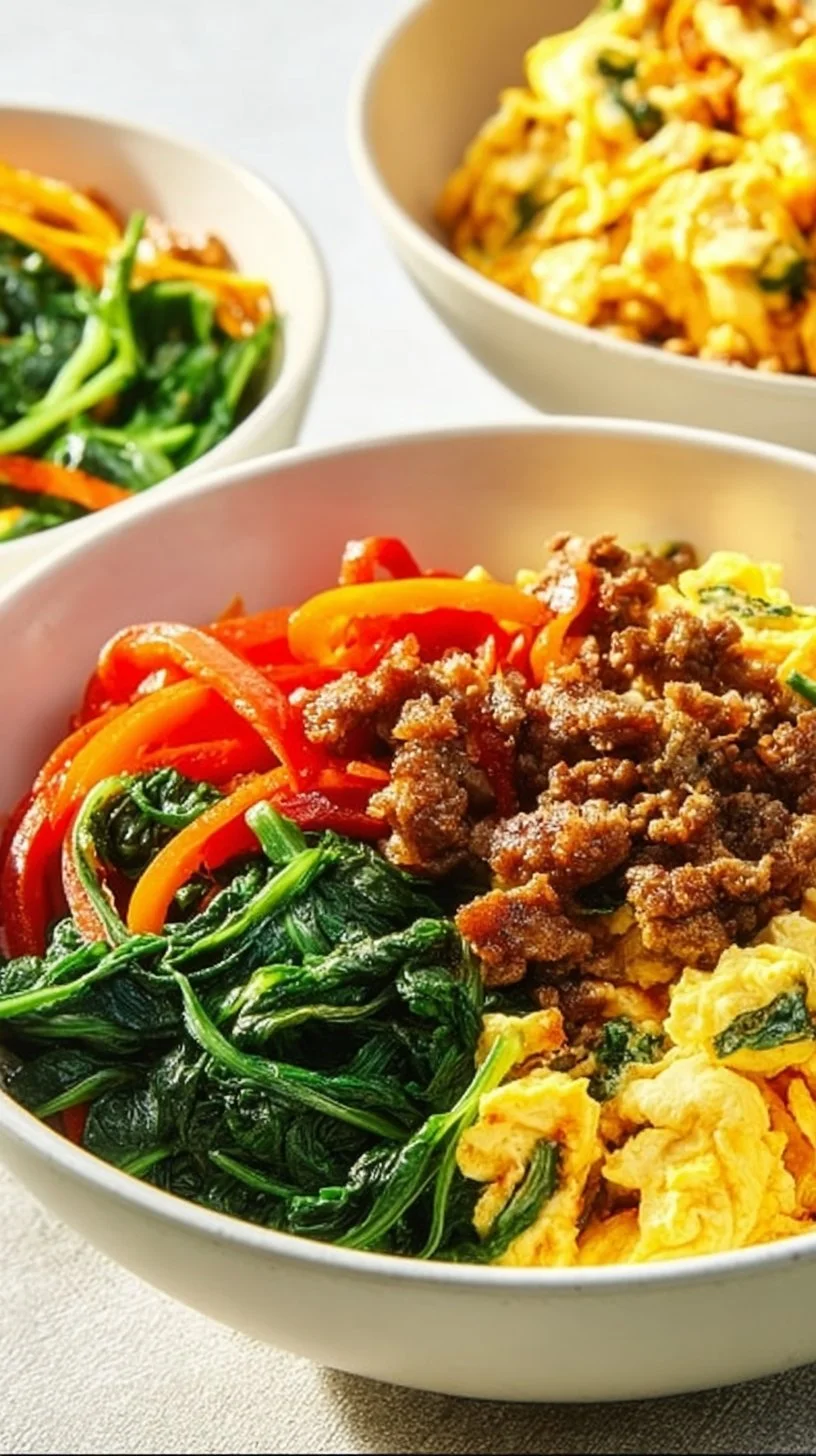
Hello — I’m Carla Carter, founder and recipe developer of RecipesCabin. If you’re looking for a calm, trustworthy breakfast that keeps you full, supports a low-carb day, and travels well, this Keto Breakfast Bowl is exactly the kind of recipe I love to teach. It’s for people who want a simple, repeatable breakfast they can make without stress — whether you’re new to cooking, coming back after a kitchen misstep, or just tired of complicated morning routines.
This bowl is approachable because it’s built from familiar ingredients and clear steps. You’ll practice gentle stovetop cooking, learn how to read visual cues (what wilted greens look like, how scrambled eggs should feel), and end up with three ready-to-freeze portions that make mornings easier. If you like this format, you might also enjoy my take on a Low carb steak fajita bowl which uses the same “build-a-bowl” idea and similar skills Low carb steak fajita bowl.
My goal here is to guide you beside the stove — calm, steady, and encouraging — so you can feel confident and capable the first time you try this recipe.
Why this recipe is easy to get right
This Keto Breakfast Bowl is forgiving in several ways. First, the components are cooked separately: greens, peppers, eggs, and sausage. That means if one element finishes a little earlier or later than the others, you aren’t starting over — you can rest something off the heat while you finish the rest. Second, the textures are broad: wilted greens can be a touch crisp or completely soft, eggs can be slightly custardy or fully set — both work. Finally, leftovers assemble into bowls and freeze, so small imperfections don’t feel wasteful; they become convenient breakfasts for days.
There’s room for flexibility: timing can shift a few minutes without disaster, and seasoning can be tuned to your taste. Because the technique is simple — sauté, scramble, brown — it’s suitable for all skill levels. If you’re nervous, slow down during the first step (wilting the greens) and trust the visual cues I describe in the directions below.
Also, if you enjoy breakfast bowls in general and want more ideas for the same kind of easy assembly, check out my breakfast recipes collection for similar, beginner-friendly options breakfast recipes collection.
How to make Keto Breakfast Bowl Recipe
Overall, the process has four clear stages performed in sequence using the same pan: wilt the greens, sauté the peppers, scramble the eggs, and brown the sausage. Doing them in this order helps control flavor and texture because each component has a different moisture level and cooking time.
First: wilt the greens with garlic in a bit of oil. This removes bulk, concentrates flavor, and gives you a tender base. Watch for the leaves to change color and shrink — that’s your cue.
Next: sauté the bell peppers. They need a few minutes to soften and develop a touch of sweetness. You want them tender with a little bite, not mushy.
Then: scramble the eggs blended with a splash of cream. Blending makes the eggs uniformly combined and yields tender curds. Cook them over medium heat and push gently to create soft folds.
Last: brown the breakfast sausage until cooked through. This adds savory, salty heft to the bowl and is the most forgiving component — it won’t overcook quickly at medium heat.
Finish by dividing everything into three bowls or freezer containers: this recipe is designed to produce three breakfast bowls, so plan your portions as you assemble.
Where to slow down: take your time wilting the greens so they’re not raw in the center; watch the eggs closely — medium heat and gentle movement prevent rubbery texture. Those are the two moments that reward attention more than speed.
Ingredients
5 oz greens (or baby spinach), 1 clove garlic, crushed, 1 tablespoon olive oil (used in two dishes), 1 cup bell peppers, sliced, 1/2 pound breakfast sausage , 6 eggs, 2 tablespoons heavy cream
- 5 oz greens (or baby spinach): These are the leafy base. Spinach wilts quickly and becomes tender and lightly sweet when cooked. It adds color, volume, and nutrients without complicated prep.
- 1 clove garlic, crushed: Garlic gives a gentle, savory lift. Crushed is easy to work with and releases flavor quickly in hot oil.
- 1 tablespoon olive oil (used in two dishes): A neutral, familiar oil for sautéing. The directions use it twice in small amounts, so it’s economical and straightforward to measure.
- 1 cup bell peppers, sliced: Brightness, crunch (when slightly undercooked), and natural sweetness. Bell peppers add texture contrast to the softer greens and eggs.
- 1/2 pound breakfast sausage: The main savory protein. Pre-seasoned breakfast sausage cooks down and browns, releasing juices that taste rich and comforting.
- 6 eggs: The protein centerpiece for a breakfast bowl. Eggs bind and provide a soft, creamy element when scrambled with a little cream.
- 2 tablespoons heavy cream: A small amount added to the eggs makes the curds silkier and a touch richer; it’s optional if you’re avoiding dairy, but at this measure it keeps the eggs tender.
None of these ingredients are intimidating. They’re common, require minimal chopping (the peppers), and combine into a balanced plate of greens, veg, eggs, and seasoned meat. If you like a different high-protein twist, I also have a simple cottage cheese pizza bowl that uses the same kind of mixing-and-matching approach high-protein cottage cheese pizza bowl.
Directions
Heat up a large nonstick skillet to medium heat and then add 2 teaspoons of olive oil and the crushed garlic. Saute for a minute and then add the greens. Start with a big handful and keep mixing to wilt and shrink the greens. Keep adding more until all the greens are done. You can season with salt and black pepper if you wish. Take the greens out of the pan and set aside., Usign the same pan, again heat to medium heat and add the remaining 1 teaspoon of olive oil and then the bell peppers. Saute until softened which should take about 4-5 minutes. When done take out of the pan and set aside., Using the same pan, spray with nonstick cooking spray and heat to medium heat. In a blender add the eggs and cream and blend until well combined. Pour into the preheated pan and cook as you would scrambled eggs. Use a silicone spatula to push the outside toward the middle until you get all the eggs cooked then take out of the pan and set aside., Lastly use the same pan for the last time and spray again with the cooking spray. Brown sausage until there is no pink showing and it’s cooked through., This recipe will make 3 breakfast bowls. So set out your freezer containers and allot 1/3 of each of the 4 foods and place them in your containers. Place a lid on the containers and set in the freezer. Alternatively you can just mix all the components togtether and divide them into 3 containers and freeze.
Supportive guidance for each step
Wilting the greens: When you add the greens, they’ll look like a big, bushy pile. Within 20–60 seconds they’ll begin to collapse and turn a brighter, glossy green. Keep a wooden spoon or tongs moving them so they cook evenly. If a few stems feel firmer, that’s fine — they’ll finish tender when reheated. If you see the garlic browning too fast, lower the heat slightly to prevent bitter bits.
Sautéing the peppers: The peppers will sizzle when they hit the pan. After a few minutes their edges will soften and they will give up a faint sweet smell — that’s when they’re ready. If they begin to char a lot, reduce heat a touch; a little color is lovely, but deep bitterness is what you want to avoid.
Eggs blended with cream: Blending the eggs and cream makes a smooth mixture that cooks into tender curds. When you pour them in, you should see a glossy surface that slowly firms. Use a silicone spatula and gently push from the edges to the center; you’re shaping folds rather than chopping the eggs. Remove them when they still look slightly glossy — they continue to cook from residual heat.
Browning the sausage: Break the sausage into pieces and let it sear for a few minutes before stirring so you get small caramelized bits. The meat should be evenly browned with no pink inside — you can cut a piece to check. If the pan looks dry, a teaspoon of water can help loosen browned bits (and is fine to do), but the recipe doesn’t require extra liquid.
Portioning and freezing: When dividing the components, aim to give each container roughly one-third of each item. It doesn’t have to be exact — the freezer preserves texture and flavor so small differences are okay. Label containers with the date and use within a few months for best quality.
Visual cues and reassurance: If the eggs look slightly softer than you expected, that’s okay; they’ll firm up when cooled and reheated. If the greens have a tiny bit of texture, that’s normal — not every leaf will wilt identically. Small variations are expected and do not affect safety or overall taste.
Key techniques you’ll practice in this recipe
- Wilting greens: learning how heat and agitation make leafy greens collapse and concentrate in flavor. This skill transfers to sautéed chard, kale, or spinach in other recipes.
- Sautéing vegetables: controlling heat to soften but not burn, and recognizing visual and aromatic cues that indicate doneness.
- Gentle scrambling: bringing eggs to tender curds with medium heat and a soft spatula movement. This helps avoid rubbery eggs and carries over to omelets or frittatas.
- Browning proteins: developing small brown bits that add flavor without drying the meat. The same idea works for ground meats and diced chicken.
Each of these techniques is foundational and will build confidence for many other simple meals. They’re small wins that add up quickly in the kitchen.
Common mistakes and how to avoid them
- Greens still raw in the middle: This often happens if the pan wasn’t hot enough or you added too many leaves without stirring. Fix it by giving the greens a minute or two more with the lid on the pan for gentle steam, then stir again.
- Peppers too crunchy or too soft: If peppers are undercooked, give them 1–2 more minutes; if they’re mushy, reduce cooking time next time and keep heat at medium instead of medium-high.
- Eggs overcooked and dry: This is the most common worry. Cook on medium, move the eggs gently, and remove them a little earlier than you think because they finish cooking off-heat.
- Sausage browned on the outside but pink inside: That happens if the heat is too high and pieces are too large. Break the sausage into smaller crumbles and cook at medium; stir and check a center piece before finishing.
- Freezing without cooling: If you pack very hot food into containers and freeze immediately, condensation can form and affect texture. Let components cool to room temperature (no longer than two hours) before sealing and freezing.
If something goes off track, remember it’s rarely ruined. Adjust the heat, give cooking a minute more, or mix components together for a different texture. The process is flexible and recoverable.
How to adjust confidently without changing the recipe
Portion scaling: To make more or fewer bowls, scale everything proportionally. Doubling the recipe gives you six bowls; halving gives you one or one and a half. Use your eye when portioning because slight differences are okay.
Flavor preferences: If you like things saltier, add a pinch of salt to the greens or peppers while they cook — but add sparingly; the sausage brings salt already. For more heat, a dash of red pepper flakes to the peppers or a small spoon of hot sauce at serving time is an easy option.
Texture tweaks (conceptually only): If you prefer silkier eggs, reduce the heat a touch and remove them from the pan slightly earlier. If you like firmer eggs, cook them a little longer. For softer greens, add a splash of water and cover briefly to steam; for crisper greens, sauté for a shorter time.
These adjustments let you shape the recipe to your taste while following the exact ingredients and directions as written.
Serving, storage, and reheating made simple
Serving: Assemble your bowl with roughly equal portions of greens, peppers, eggs, and sausage. A drizzle of olive oil or a sprinkle of fresh herbs (if you have them) brightens the dish, but it’s delicious as-is. The bowl works well cold straight from the fridge or reheated.
Storage: This recipe is designed to freeze in thirds. Pack cooled components into freezer-safe containers and freeze for up to a few months for best quality. If you plan to refrigerate instead, store the assembled bowls for 3–4 days.
Reheating: Reheat gently to preserve texture. From frozen, thaw in the fridge overnight if possible, then microwave on medium power in 30–45 second bursts, stirring between intervals, until warmed through. If microwaving from frozen, add 30–60 seconds per component and stir to distribute heat. On the stovetop, thawed components reheat quickly in a skillet over medium-low heat with a splash of water or oil to prevent sticking.
If you enjoy Tex-Mex flavors at breakfast and want additional reheating-friendly bowl ideas, see my Tex-Mex breakfast bowls for similar serving and storage tips Tex-Mex breakfast bowls.
Questions new cooks often ask about this recipe
- How long will this take from start to finish? Plan for about 25–35 minutes total once your pan is hot. The components are short-cook items; your first time may be slightly longer while you get comfortable.
- What size pan should I use? A large nonstick skillet is recommended so you have room to move the greens and eggs. If you only have a smaller pan, do the greens in two batches.
- Is it okay to use frozen spinach instead of fresh? You can, but thaw and squeeze out excess water first. Fresh wilts faster and gives a better texture in this recipe.
- Are substitutions allowed? Small swaps like different breakfast sausage varieties are fine, but follow the ingredient list for overall balance.
- If my eggs look runny when I remove them, is that normal? Yes — eggs will often look slightly underdone when you take them off the heat. They finish cooking from carryover heat and will firm a touch as they cool.
- Can I prepare everything the night before? You can fully cook everything and refrigerate; assembly and reheating in the morning take just a few minutes.
These are all normal questions. Cooking is a practice — each time you’ll get a little faster and more confident.
Final encouragement from Carla
You’re doing exactly what matters: trying, learning, and making a nourishing meal. Small imperfections are part of the process and don’t mean failure. Take your time the first round, notice the visual cues (color change, texture, aroma), and celebrate that you made three breakfasts from one session. Keep these simple techniques in your toolbox — they’ll make many mornings easier and more enjoyable.
If you keep practicing, you’ll find that confidence grows every time you stand at the stove. I’m proud you’re taking this step — one bowl at a time.
Conclusion
If you’d like a different take from another trusted source, this Low Carb Breakfast Bowl from KetoConnect shares a similar idea with slightly different ingredients. For another quick reference, here’s a straightforward Keto Breakfast Bowl recipe from My Life Cookbook that may inspire flavor variations. If you enjoy bold flavors, take a look at this Keto Breakfast Bowl from Headbanger’s Kitchen for a hearty, savory spin. And if you want a breakfast-burrito-style bowl for comparison, this Keto Breakfast Burrito Bowl offers a different assembly approach.
Keep cooking steady and kind to yourself — every attempt teaches you something useful.
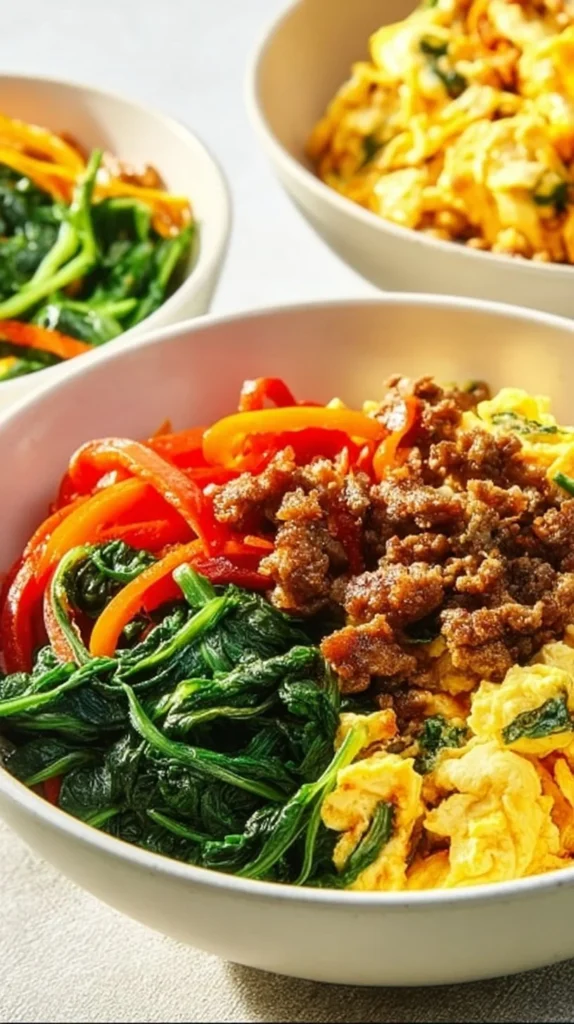
Keto Breakfast Bowl
Ingredients
Method
- Heat a large nonstick skillet to medium heat and add 2 teaspoons of olive oil and crushed garlic. Sauté for a minute.
- Add the greens and continue to stir until they wilt and shrink in size. Season with salt and black pepper if desired.
- Remove the greens from the pan and set aside.
- In the same pan, add the remaining 1 teaspoon of olive oil, then the bell peppers. Sauté for about 4-5 minutes until softened.
- Remove the bell peppers from the pan and set aside.
- In a blender, combine the eggs and cream and blend until well mixed.
- Pour the egg mixture into the preheated pan. Cook, gently pushing the eggs from the edges towards the center until cooked through. Set aside.
- In the same pan, add the breakfast sausage and brown until cooked through, with no pink remaining.