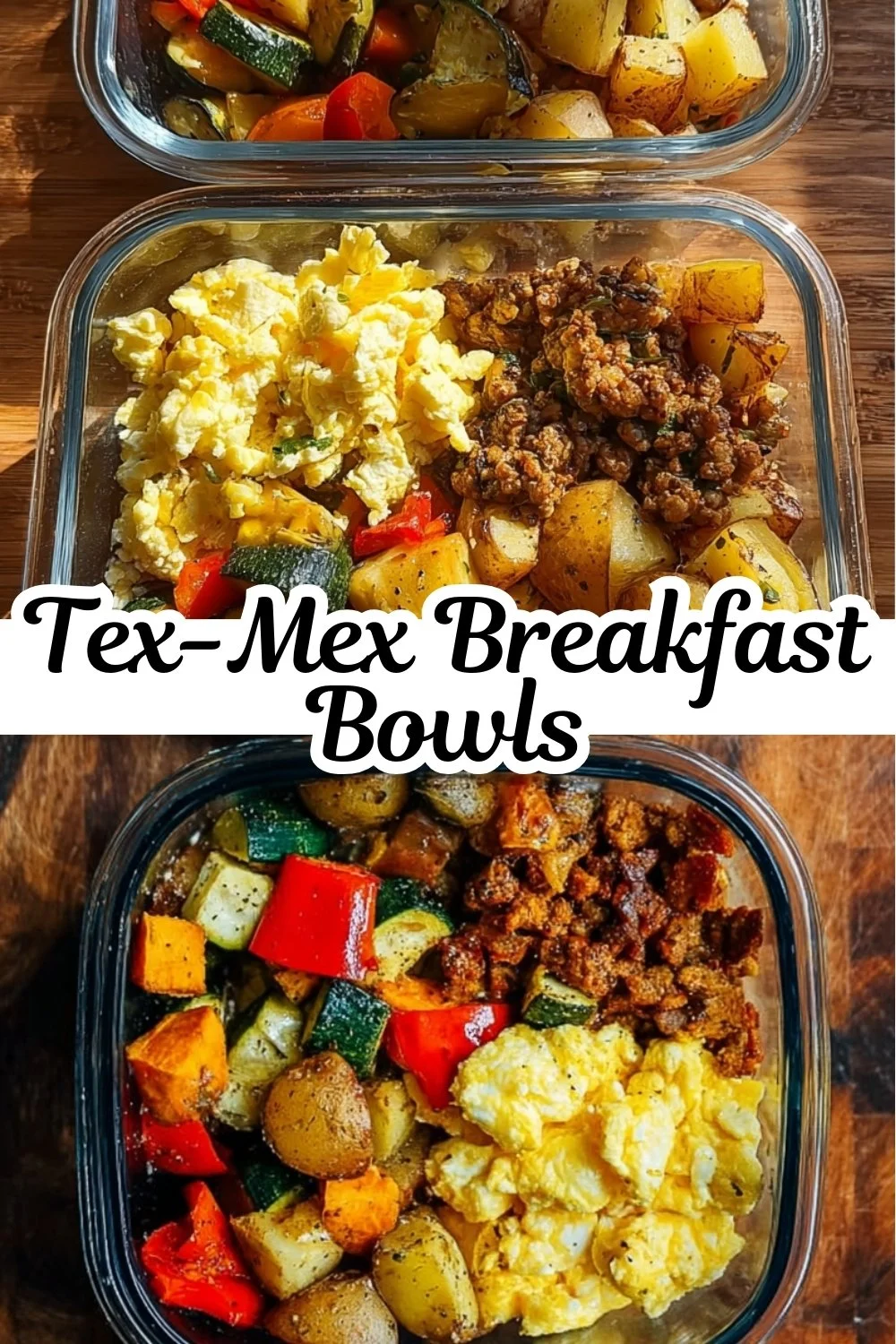
Tex-Mex Breakfast Bowls
Introduction
I like recipes that feel like someone simplified everything good about a restaurant meal and translated it into a weekday habit. Tex‑Mex Breakfast Bowls are exactly that: familiar flavors, straightforward steps, and portions that land comfortable, not heavy. They work as a quick grab-and-go breakfast, a satisfying midweek lunch, or a repeatable weekend batch that keeps mornings calm.
This recipe is designed to be practical — you roast vegetables, brown a protein, scramble eggs, and assemble. If you’re building a routine around balanced, flavorful meals, this is one to keep in regular rotation. For ideas on how to vary roasted bases in other breakfast bowls, I sometimes reference a sweet-potato-forward bowl I like for variety (sweet potato breakfast idea). That kind of mental shorthand makes planning easier without making things complicated.
I’ll walk through why this works, what to watch for, and how small choices make it feel lighter while still being satisfying. My aim here is calm, practical guidance so you can cook intuitively and confidently.
How this recipe fits into a balanced lifestyle
This dish supports moderation and enjoyment by focusing on combination rather than elimination. You get vegetables for texture and fiber, eggs for immediate warmth and satiety, and chicken crumbles for lean protein. Potatoes provide a familiar comforting base, but when roasted with a little oil and brightened with spices, they feel far lighter than heavy, butter‑soaked versions.
Balance here is about portion and method. Roasting concentrates flavors so you need less fat or salt to feel satisfied. Scrambled eggs add creaminess and protein without weighing the bowl down the way heavy sauces can. This bowl fits naturally into a weekly routine because it’s forgiving: swap peppers for a different color, change spices up a touch, or double the vegetables if you want more volume on a lighter day.
If you’re tracking variety across a week, consider alternating these bowls with grain-based breakfasts, yogurt-and-fruit mornings, or a lighter salad lunch. Mixing textures and preparation methods keeps meals interesting without extra planning stress.
How to make Tex-Mex Breakfast Bowls
At a glance, the cooking flow is simple: roast, cook, scramble, assemble. The complexity is low because every step is short and purposeful. Roasting concentrates sweet and smoky notes in the potatoes and peppers; cooking the chicken with spices builds the savory backbone; eggs bring everything together with immediate heat and a soft texture.
Simplicity matters most in timing and staging. Roast your vegetables first since they take the longest — you can use that oven time to cook the chicken and scramble the eggs on the stovetop. If you’re prepping a few days of meals, use a sheet pan large enough that vegetables aren’t crowded; they’ll brown instead of steam, which changes the texture and satisfaction level.
Approach the recipe without overthinking: trust the times and your senses. Look for golden edges on the vegetables, a confident sizzle in the skillet, and eggs that are fully set but still tender. Those are the signs the bowl is ready to assemble and that you’ve achieved the balance this recipe aims for.
Ingredients
Chicken crumbles, Eggs, Potatoes, Bell peppers, Onions, Spices (e.g., chili powder, cumin), Salt, Pepper, Olive oil
- Chicken crumbles: They supply lean protein and a meaty texture without needing to carve or shred. Because they’re already small, they integrate into the bowl easily and reheat well from frozen.
- Eggs: Scrambled eggs add a soft, warm element that contrasts the roasted veg. They bind flavors together and provide immediate energy early in the day.
- Potatoes: They give the bowl substance and a comforting base note. Roasting transforms their texture — crisp-ish edges and tender centers — which keeps the bowl satisfying without heavy sauces.
- Bell peppers: They bring brightness and a bit of sweetness; roasted with the potatoes they caramelize slightly and add color and crunch.
- Onions: A humble flavor-builder. Roasting pulls out their sweetness and deepens overall flavor without needing extra fat.
- Spices (e.g., chili powder, cumin): These define the Tex‑Mex character. You only need a modest amount — the goal is flavorful, not overpowering.
- Salt and Pepper: Basic seasoning that heightens taste. Use salt to taste and ground pepper for a gentle bite.
- Olive oil: A modest amount for roasting and cooking; it helps with browning and mouthfeel while keeping the preparation feeling lighter than butter-heavy alternatives.
Mindful ingredient choices matter because they let the natural flavors shine. The combination here — roasted veg, seasoned protein, and eggs — is where balance emerges naturally. You’re not removing pleasures; you’re arranging them so each element contributes without dominating the bowl.
Directions
- Preheat your oven to 400°F (200°C)., 2. Toss diced potatoes, bell peppers, and onions with olive oil, salt, and pepper on a baking sheet. Roast for about 25-30 minutes until golden and tender., 3. In a skillet, cook chicken crumbles over medium heat, adding spices to taste., 4. In a bowl, scramble the eggs until fully cooked., 5. Combine all ingredients: layer roasted vegetables, then chicken crumbles, and top with scrambled eggs in meal prep containers., 6. Allow to cool, then store in the freezer for easy breakfasts.
Around the steps: start by preheating so the oven is ready when your veg are prepped. When tossing the potatoes and peppers, make sure they’re cut into similar-sized pieces; that consistency is what makes roast times reliable. On the sheet pan, spread everything in a single layer — crowding traps steam and prevents browning.
As you cook the chicken crumbles, listen for a steady sizzle and watch for a little browning; that develops flavor. Add spices when the chicken is partially cooked so they toast slightly and bloom. For the eggs, scramble over medium-low heat and remove them from the heat when they’re set but still moist; carryover cooking will finish them, and that keeps them tender.
When assembling, layering matters: roasted vegetables first give a textured base, the chicken adds savory density, and the eggs sit on top to stay soft. Allow containers to cool before sealing and freezing to avoid condensation that can make textures limp.
The role of preparation in keeping this dish light
Technique is a quiet but powerful tool for keeping food feeling light. Roasting — a dry heat method — concentrates flavors and produces satisfying textures without needing heavy sauces or lots of oil. Browning the chicken adds complexity that tricked-out condiments could otherwise provide.
Small choices matter: use a modest amount of olive oil rather than drenching ingredients; space vegetables on the pan so they develop crisp edges; cook eggs gently so they’re tender instead of rubbery. Those are technical habits that create the impression of a deliberately lighter meal, even when portions are satisfying.
Preparation rhythm also influences how the dish feels. When you cook with a clear sequence (oven first, then stovetop work), each component reaches its ideal texture. The result is a bowl where every bite is balanced — crisp, soft, and savory — and that harmony is what makes a meal feel lighter on the body and more enjoyable to eat.
Simple ways to adjust without losing balance
There’s room to personalize without changing the essence. Conceptually, here are modest adjustments that preserve the bowl’s balance:
- Swap peppers for a milder or sweeter variety if you prefer less bite, but keep roasting time similar so texture stays consistent.
- Use a spice blend with smoked paprika for a deeper smokiness; it adds presence without extra fat.
- Increase the vegetables relative to potatoes to lighten the energy per bite while adding volume and fiber.
- If you want a brighter finish, add a squeeze of lime or a sprinkle of fresh herbs just before serving — they elevate flavor without weighing the bowl down.
Avoid adding heavy sauces or oversized portions of cheese if the aim is a lighter, everyday meal. Instead, focus on finishing touches — acids, herbs, toasted seeds — that deliver punch with minimal calories and maximum flavor.
Pairing ideas for a complete, well-rounded meal
This bowl can stand alone or be part of a broader plate. For light but satisfying sides, consider:
- A small jar of citrusy black beans or a simple pico de gallo for fresh acidity.
- A side of mixed greens dressed lightly in lemon and olive oil to introduce leafy texture and contrast.
- Fresh fruit like sliced oranges or mango to add a sweet, cooling counterpoint.
For beverages, a light herbal tea, sparkling water with a lime wedge, or a small glass of low‑sugar vegetable juice pairs well. Textural contrasts make meals feel more complete: add something crisp (radish slices or cucumber spears) if you want extra snap.
Storage, leftovers, and next-day enjoyment
This recipe is built for practical storage. Because the components are cooked through and cooled before freezing, they reheat reliably. Store assembled bowls in freezer-safe containers; label with the date and use within a reasonable window for best texture.
When reheating, defrost in the refrigerator overnight if possible. Reheat gently in a skillet over medium-low heat or on a microwave setting that preserves moisture (short bursts with stirring). If the roasted potatoes lose some crispness, a quick pan-sear after thawing brings back a desirable edge.
For more meal prep inspiration that pairs well with a rotation of bowls, I like to browse other bowl templates that balance sweet and spicy elements (meal prep bowl inspiration). That kind of cross-reference keeps routines fresh without adding work.
Finally, be mindful about cooling: allow containers to cool to room temperature before sealing to avoid trapped steam and sogginess.
Common questions about lighter everyday cooking
Q: How should I think about portion size?
A: Aim for a balance: vegetables should make up a good portion of the bowl, proteins enough to feel satisfied, and starchy components moderate. Use your hunger and activity level as a guide rather than strict rules.
Q: Can I repeat this every week without boredom?
A: Yes — rotate spice blends, swap a vegetable or two, and change finishing garnishes. Small variations keep repetition pleasant and manageable.
Q: How can I make lighter meals feel more satisfying?
A: Focus on texture and flavor intensity: crisp edges, bright acid, and toasted spices all create satisfaction without adding extra calories. Protein and some starch in the same bowl help sustain energy.
Q: Is freezing going to change the texture?
A: It can, especially with potatoes, but proper cooling, packaging, and gentle reheating mitigate most issues. A quick pan‑sear after thawing restores much of the roast texture.
Q: Any tips for weeknight speed?
A: Multi-task: while veg roast, cook chicken and scramble eggs. Use one sheet pan and one skillet to keep cleanup minimal.
Final thoughts from Daniel
Recipes like this deserve a place in the weekly rotation because they simplify good cooking without sacrificing taste. The structure — roast, cook, scramble, assemble — is forgiving and efficient. Approach it with a few mindful habits: keep veg uniform in size, don’t overcook the eggs, and give spices a moment to bloom in the pan.
Cooking intuitively is the point: you don’t need perfection to build satisfying, lighter meals. Treat this recipe as a template for balanced eating that prioritizes flavor, texture, and simplicity. It’s not about restriction — it’s about arranging ingredients so every bite feels considered and enjoyable.
Conclusion
If you want a different take on a Tex‑Mex morning bowl with a focus on fresh toppings, I find the approach in this Tex-Mex Breakfast Bowls – Cookie and Kate article useful for inspiration. For another practical perspective that emphasizes nutrition-friendly swaps and sensible portions, see this Tex-Mex Breakfast Bowls – Stephanie Kay Nutrition piece. And if you’re exploring regional variations that add playful twists, this Mexican Breakfast Bowls – Homemade on a Weeknight post is a good source of ideas.
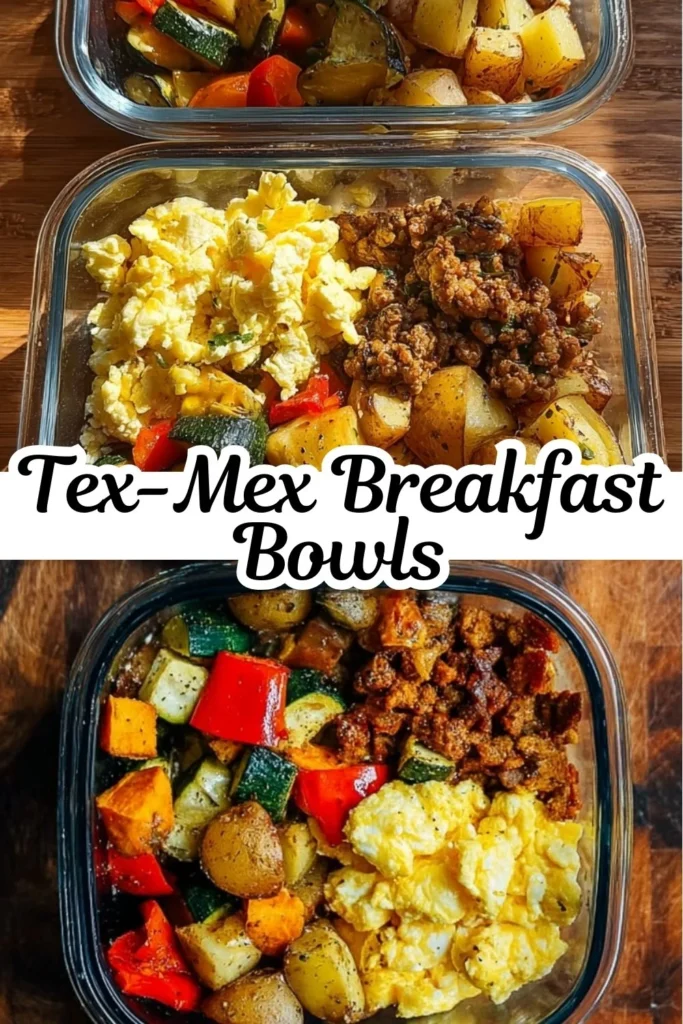
Tex-Mex Breakfast Bowls
Ingredients
Method
- Preheat your oven to 400°F (200°C).
- Toss diced potatoes, bell peppers, and onions with olive oil, salt, and pepper on a baking sheet.
- Roast vegetables for about 25-30 minutes until golden and tender.
- In a skillet, cook chicken crumbles over medium heat, adding spices to taste.
- In a bowl, scramble the eggs until fully cooked.
- Combine all ingredients: layer roasted vegetables, then chicken crumbles, and top with scrambled eggs in meal prep containers.
- Allow to cool, then store in the freezer for easy breakfasts.