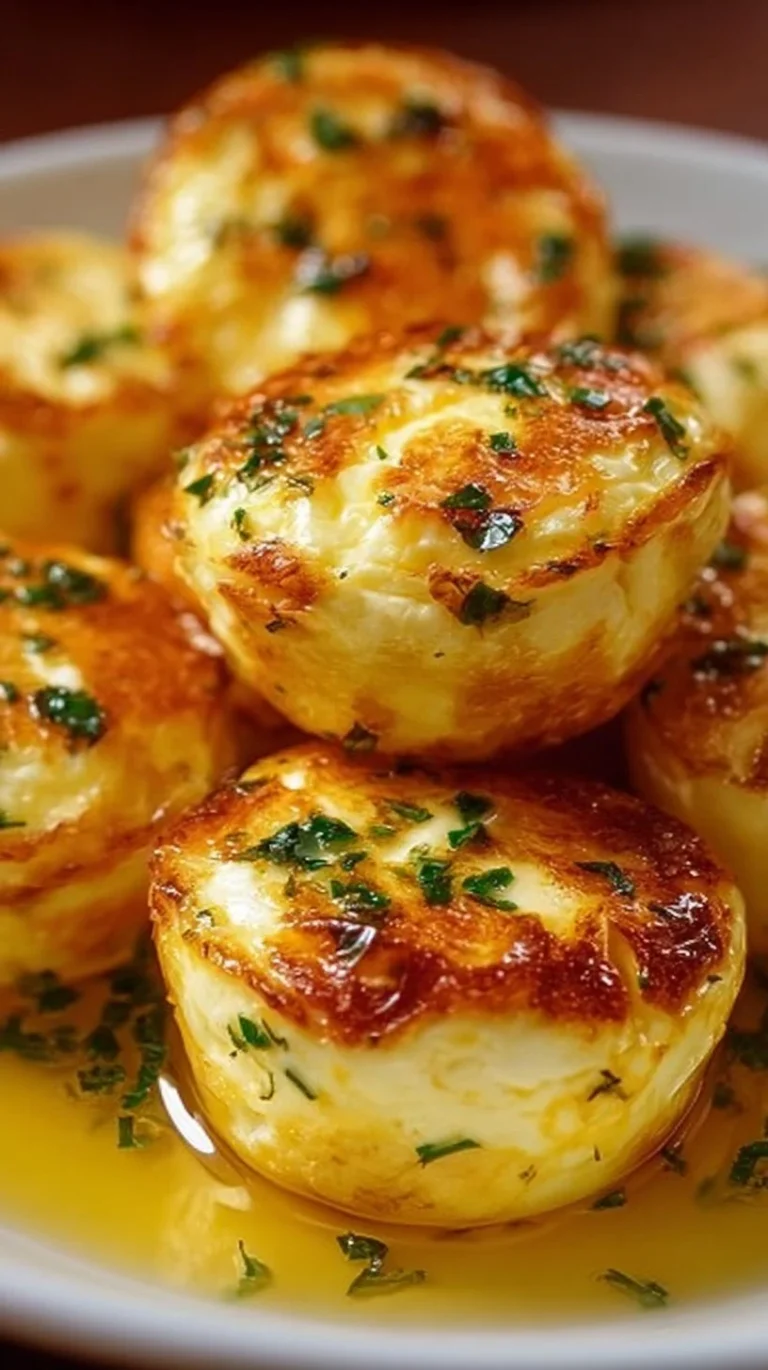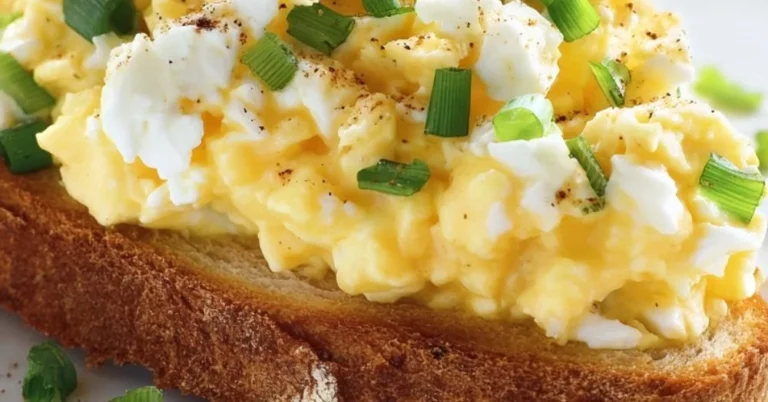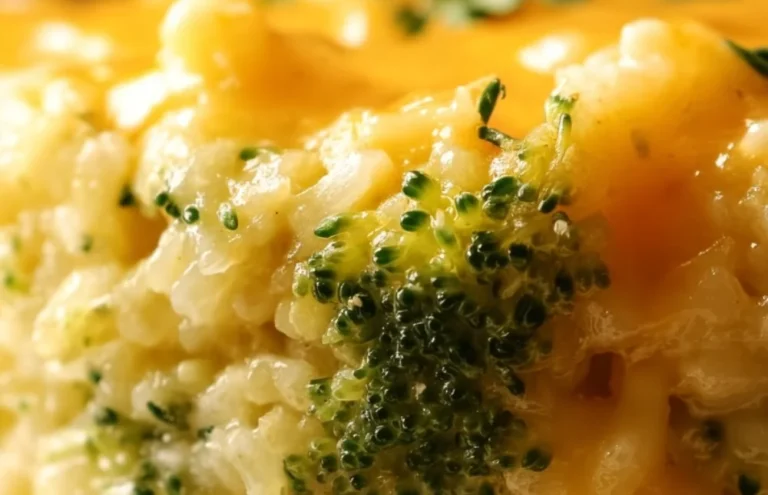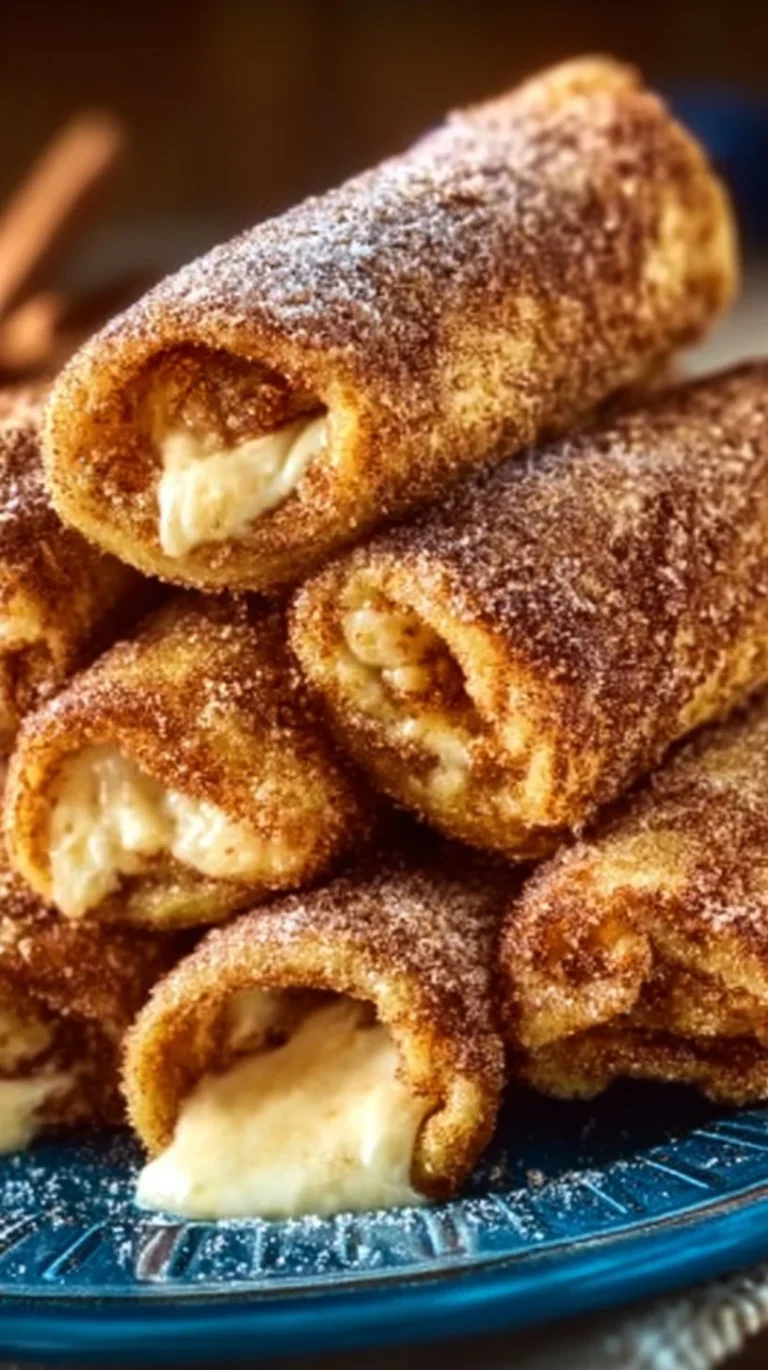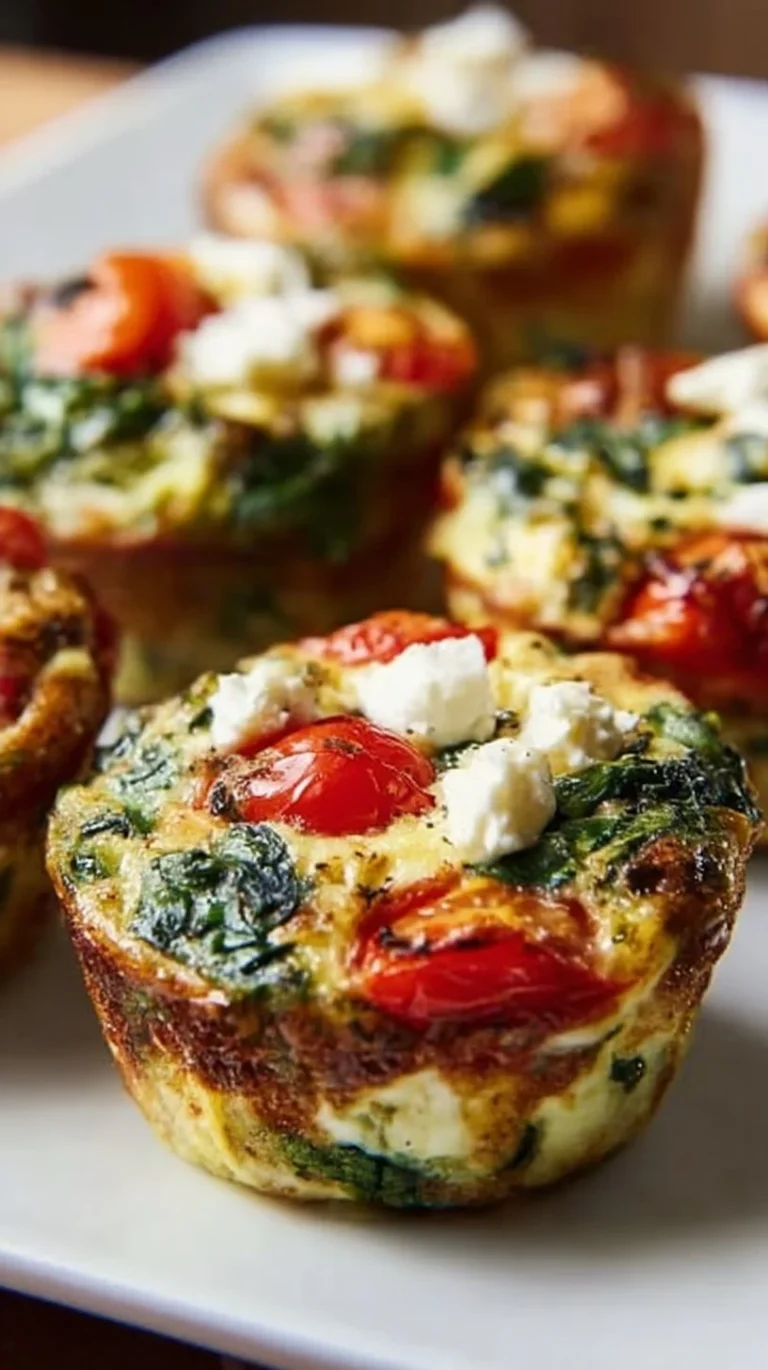
Brunch Food Ideas To WOW Your Party Crowd (recipes from our Mother’s Day potluck)
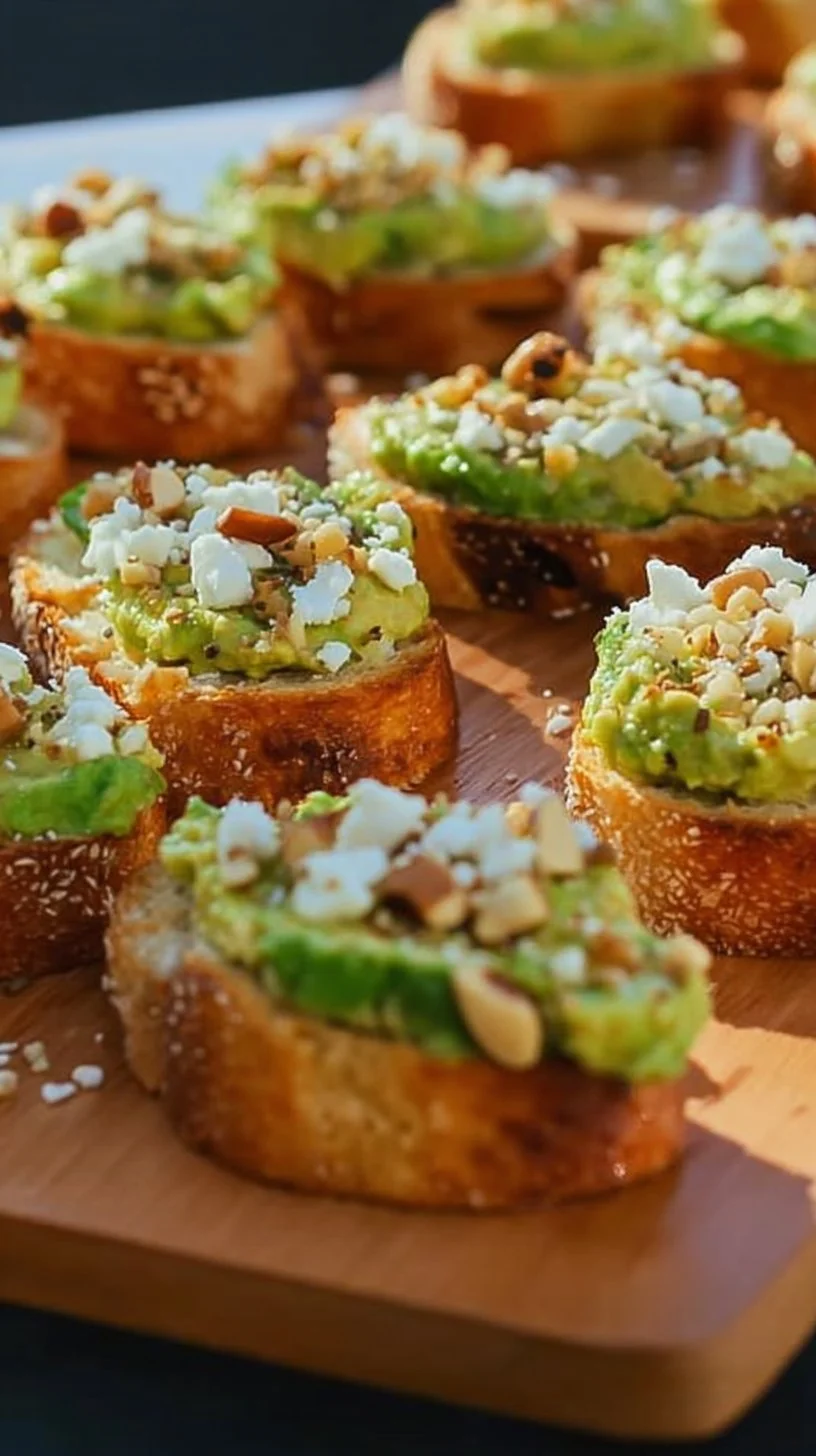
If you’re planning a relaxed yet impressive brunch for friends and family — especially a Mother’s Day potluck where everyone brings something to share — these ideas are for you. I’m Carla Carter, founder and recipe developer at RecipesCabin, and I’ve gathered recipes and techniques that are approachable, forgiving, and ideal for feeding a crowd without stress. Whether you’re new to hosting or returning to the kitchen after a break, this guide will help you feel confident as you build a spread that looks thoughtful and tastes homemade.
A potluck brunch is about variety and simple execution: one person brings a savory centerpiece, another contributes a bright salad, someone else brings a sweet option. If you’d like inspiration for balanced recipes that travel well, consider pairing a sturdy savory dish with a fresh salad and a make-ahead sweet item like a loaf or parfait; I often point friends toward my favorite hearty dishes such as the Thai peanut sweet potato Buddha bowl for colorful, make-ahead options that travel nicely.
Throughout this article I’ll walk you through what to expect at each stage, what to watch for, and how to keep things calm and satisfying for your guests.
Why this recipe is easy to get right
The brunch ideas I recommend are forgiving in three important ways: timing, temperature, and flavor balance.
- Timing: Many brunch dishes can be prepped ahead. You can chop, mix, or partially cook the day before, which means less frantic work the morning of your event. This makes mistakes less costly — if something needs a quick fix, you have time.
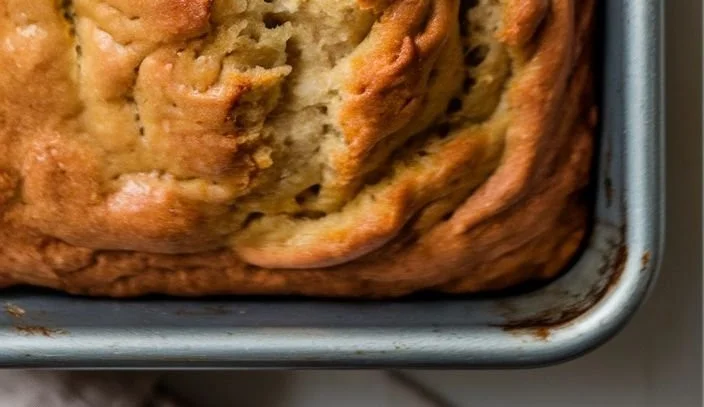
- Temperature: Brunch foods often hold well at a range of temperatures. A strata or frittata can be served warm or at room temperature. Sweet offerings like banana bread stay moist and tolerant of small changes in oven time.
- Flavor balance: These recipes rely on familiar, complementary flavors — eggs, cheese, herbs, fruit, and gentle spices. Small deviations in seasoning won’t derail the dish; you can adjust salt or acid at the end to brighten flavors.
Because of these qualities, these brunch recipes are suitable for all skill levels. If you’ve burned toast before or overcooked eggs, don’t worry — these dishes emphasize simple, repeatable steps over showy technique.
How to make Brunch Food Ideas To WOW Your Party Crowd (recipes from our Mother’s Day potluck)
First, think in terms of stations: sweet, savory, and fresh. Start by choosing one make-ahead sweet, one savory centerpiece, and one fresh side. The overall process follows three main stages:
- Plan and prep the day before:
- Assemble your make-ahead sweet (loaf, parfait, or baked strata) and store it in the fridge.
- Chop vegetables, grate cheese, and measure out seasonings into small bowls or containers.
- Morning-of final prep:
- Finish the savory dish’s last step (bake, saute, or reheat).
- Dress salads and prepare garnishes just before guests arrive so they’re bright.
- Serve and relax:
- Arrange everything on a table with labels and serving utensils.
- Keep hot items in warm spots and cold items on chilled platters.
Where to slow down: pause when you’re seasoning and when you’re finishing a baked dish. Taste (when safe), check doneness visually, and trust simple, sensory cues — color, smell, and texture — over strict timing.
If you want a reliable, crowd-pleasing sweet loaf to bring along, my high-protein banana bread is a sturdy option that travels well and keeps overnight; consider this as an easy, comforting addition to your spread: high-protein banana bread.
Ingredients
Below I’ll explain the typical components you’ll use across these brunch dishes and why each one matters.
- Eggs: The backbone of many brunch recipes. They provide structure and a tender, custardy texture when baked into strata or frittatas. Eggs coagulate as they heat, which firms the dish without becoming rubbery if you watch them closely.
- Milk or cream: Adds richness and softens texture. A little fat keeps breads and custards moist and forgiving in the oven.
- Cheese: Brings saltiness, melt, and a golden top when baked. Use what you like — cheddar for sharpness, mozzarella for a gentle melt, or feta for a salty, tangy pop.
- Bread (for strata): Absorbs custard and becomes soft and flavorful after resting. Stale bread is actually preferable because it soaks custard better than fresh, fluffy bread.
- Fruit and yogurt (for parfaits/trifles): Fruit adds brightness and acidity; yogurt brings creaminess and balance. Layering creates visual appeal and makes a make-ahead cold sweet that’s easy to transport.
- Vegetables and herbs: Freshness and aroma. Vegetables add texture and color; herbs lift the finished dish and make it feel celebratory.
- Staples (salt, pepper, oil, butter): These are simple, essential modifiers that control flavor and mouthfeel. Small amounts of fat carry flavor and help with browning.
None of these ingredients are complicated or intimidating. They’re pantry-friendly and easy to taste as you go — a great combination for cooks who want low-pressure success.
Directions
Below are supportive notes to help you follow the original steps of any brunch recipe you choose, with visuals and cues to guide you.
- Prepping ingredients: Chop vegetables into even pieces so they cook at the same rate. Evenness is more important than exact size — aim for uniformity.
- Mixing custard for a strata or quiche: Whisk until slightly frothy. You want a homogenous mixture — if you still see streaks of white, whisk a bit more. Don’t over-whisk to the point of creating lots of bubbles; a few is fine.
- Assembling layers: For layered dishes (strata, parfait), think about contrast — creamy, crunchy, tart. When you layer, press gently so custard reaches the bread, or pack fruit layers lightly so they don’t slip when served.
- Baking: Use color and texture rather than exact minutes. A golden top and a slightly jiggly center indicate a perfectly set strata that will continue to firm as it rests. If the top browns too quickly, tent loosely with foil.
- Reheating: For baked items, reheat gently at a lower temperature to prevent drying. For parfaits, keep chilled until serving.
If something doesn’t look perfect right away — a top that’s pale or a center that’s slightly loose — reassure yourself: many baked egg dishes continue to set as they cool for 10–15 minutes. A little rest is a recipe’s friend.
For savory bowls that can round out your brunch offerings and travel well, the balanced savory/sweet combo of my BBQ chicken sweet potato bowl is a helpful model for assembling portable flavors: BBQ chicken sweet potato bowl.
Key techniques you’ll practice in this recipe
This brunch spread will help you practice a few fundamental kitchen skills that are widely useful:
- Even chopping: Learning to cut vegetables evenly means more consistent cooking. It’s a small habit that improves many recipes.
- Whisking and mixing: Knowing when a custard or batter is adequately combined prevents lumps and ensures a smooth texture.
- Layering for texture: Assembling layers of cream, fruit, and crunchy elements teaches balance — a skill you’ll use in both savory and sweet dishes.
- Visual doneness: Developing the habit of checking for color, jiggle, and aroma rather than relying solely on time will make you a more confident cook.
These techniques feel simple, but they build a foundation that makes many other recipes easier and less intimidating.
Common mistakes and how to avoid them
Even experienced cooks make small errors; here are the ones you’ll most likely encounter and how to handle them without panicking.
- Overbaking: Results in dry bread or rubbery eggs. Avoid by checking a few minutes before the recipe’s shortest time and look for visual cues (golden color, slight jiggle).
- Underdressing salads: Flavorless greens are an easy fix — toss again with a small splash of acid (lemon or vinegar) and a pinch of salt right before serving to brighten them.
- Soggy bottoms in layered dishes: If custard seems too liquidy, allow the assembled dish to rest 15–30 minutes before baking so the bread absorbs more. If it’s already baked and watery, a brief bake at 375°F (190°C) can help tighten it up.
- Overcrowding the pan: If you crowd a saute pan, vegetables steam instead of brown. Cook in batches or use a larger pan to get a little color and texture.
If something goes off track, small corrections usually fix the issue — brightening sauces, re-baking briefly, or adding fresh herbs at the end.
How to adjust confidently without changing the recipe
You can adapt these brunch components for different serving sizes and taste preferences without altering the core recipe steps or ingredients.
- Portion scaling concepts: When doubling or halving, adjust pan sizes or number of pans rather than relying on a single long pan. Baking time will shift slightly — watch for visual doneness cues more than the clock.
- Flavor preference adjustments: If someone prefers tang, serve lemon wedges or a light vinaigrette alongside. If guests like heat, place hot sauce or red pepper flakes on the table.
- Texture tweaks (conceptual only): Want a crisper top? Sprinkle a thin layer of breadcrumbs or extra cheese on top before baking. Prefer creamier textures? Loosen with a splash of cream or yogurt just before serving.
These are conceptual nudges meant to give you control without changing the recipe steps or ingredient list.
Serving, storage, and reheating made simple
Serving: Arrange the table so hot and cold items are separated; guests can build plates easily. Use small labels so those with dietary needs know what’s what. Garnish with fresh herbs for a pleasing finish.
Storage: Cool leftovers to room temperature within two hours, then refrigerate. Baked egg dishes and sweet loaves keep well for 3–4 days in the fridge, tightly wrapped. Parfaits or fruit should be kept chilled and eaten within 48 hours for best texture.
Reheating: Reheat individual portions in a 325°F (160°C) oven for 10–15 minutes until warmed through. A microwave is fine for quick reheating — cover to retain moisture and use short bursts to avoid overcooking. For a crisp top, a brief broil (watch closely) will add color.
If you’ve got extra salmon or hearty vegetables, turn leftovers into next-day bowls by adding fresh greens and a bright dressing, inspired by simple comfort recipes like my turmeric chicken soup that highlights how leftovers can be reimagined: anti-inflammatory turmeric chicken soup.
Questions new cooks often ask about this recipe
Q: How do I know when a baked egg dish is done?
A: Look for a slight wobble in the center — the edges will be set and slightly puffed. It will continue to firm while resting.
Q: Can I assemble everything the night before?
A: Yes. Layered dishes, doughs, and chopped ingredients keep well overnight if covered. Wait to add delicate herbs, dressings, or crunchy toppings until the last minute.
Q: What equipment do I need?
A: Basic tools suffice: mixing bowls, a whisk, a baking dish or loaf pan, and a sharp knife. No specialty gadgets required.
Q: Is it normal for the top to brown unevenly?
A: Absolutely. A slightly uneven top doesn’t affect flavor. If one side browns faster, rotate the pan midway or tent with foil.
Q: I’m nervous about serving a crowd — any tips?
A: Do a quick checklist the day before: confirm servingware, portion estimates, and a timeline. Prep as much ahead as you can so the day-of tasks are small and manageable.
Final encouragement from Carla
You don’t need to be perfect to host a memorable brunch — authenticity and care go a long way. If something isn’t exactly as you pictured, your guests will appreciate the effort and the company. Cooking for others is practice, not a performance. Each meal teaches you something small that makes the next one easier and more enjoyable. Keep trying, tasting as you go, and celebrating the little wins.
Conclusion
For more brunch-inspired ideas that travel well and pair effortlessly, I like drawing inspiration from flavorful egg-forward dishes like Weekend Huevos Rancheros to Please a Brunch Crowd, and bright salad options such as those found in this collection of 51 best salad recipes. If you’re assembling a make-ahead savory bake, this classic spinach and cheese strata is a great reference for timing and layering. For a light, layered sweet that looks beautiful on a table, try this berry yogurt parfait trifle as inspiration for presentation and flavor pairings.
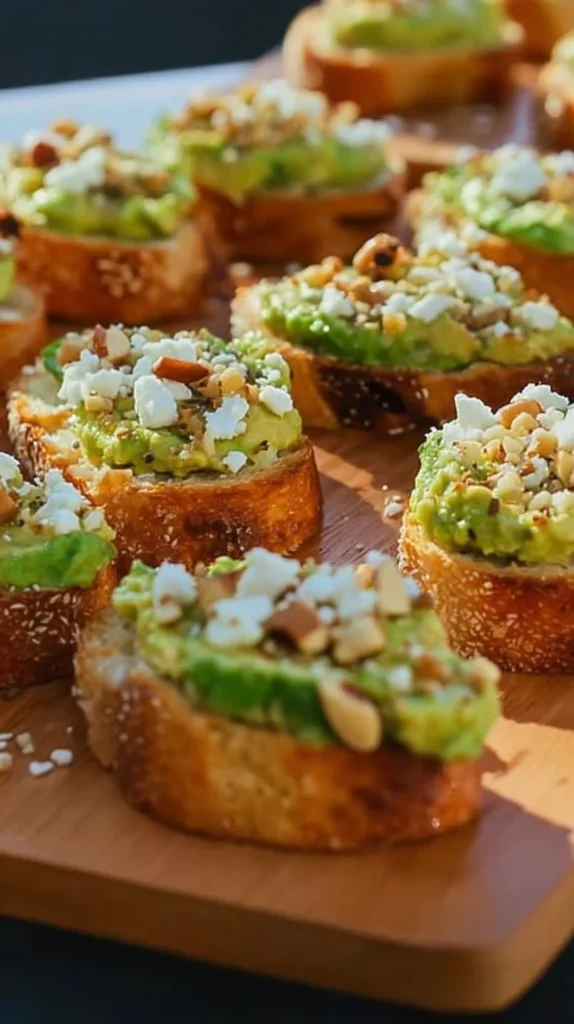
Brunch Food Ideas
Ingredients
Method
- Assemble your make-ahead sweet and store it in the fridge.
- Chop vegetables, grate cheese, and measure out seasonings into small bowls or containers.
- Finish the savory dish’s last step by baking, sautéing, or reheating.
- Dress salads and prepare garnishes just before guests arrive.
- Arrange everything on a table with labels and serving utensils.
- Keep hot items in warm spots and cold items on chilled platters.