Low Carb Steak Fajita Bowl – 1 Bold Recipe For Keto Lovers
Introduction
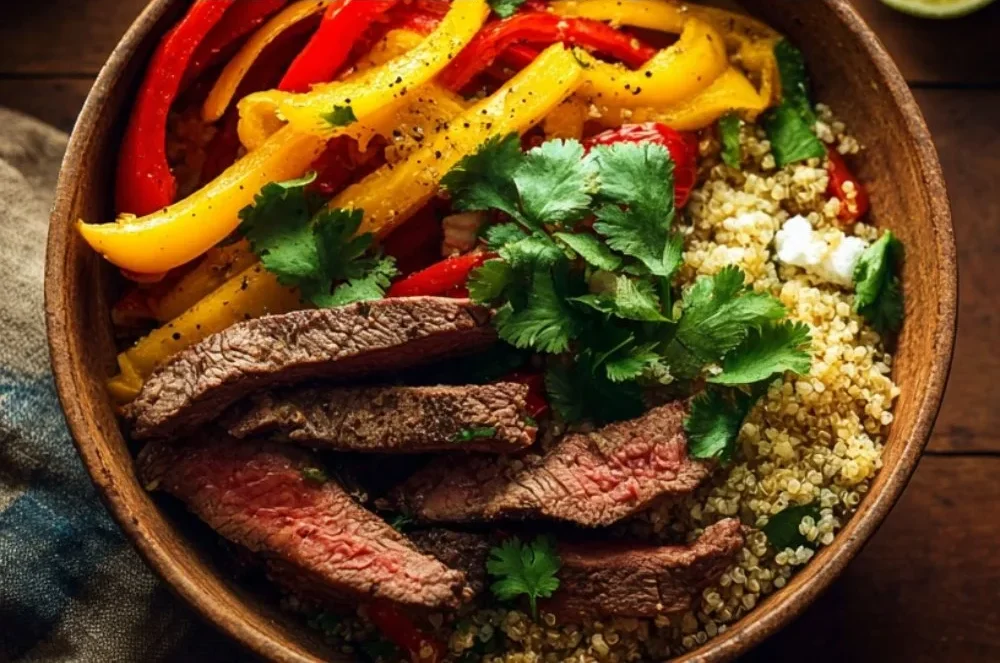
I love meals that feel like home, come together quickly, and please the whole family. This Low Carb Steak Fajita Bowl is one of those recipes that earns a permanent spot in my weeknight rotation. It hits familiar flavor notes — lime, garlic, cilantro, sweet peppers, and a nicely seared steak — so picky eaters and adventurous adults both find something to like. It’s straightforward to prep, easy to scale up when you need to feed a crew, and simple to adapt when schedules get tight.
I especially turn to bowls like this when I want a balanced, satisfying dinner without fuss. You can marinate the steak the night before, chop peppers while the meat rests, and have dinner on the table in about 30 minutes on a busy evening. If you’re building a weekly plan, this fits seamlessly with other family favorites and one-pan dinners — and if you’re collecting reliable meals, you might appreciate similar ideas in my collection of dinner recipes. The flavors are comforting and familiar, which matters when you’ve got kids at the table who prefer consistency, and adults who want something that doesn’t feel like a lot of work.
This article will walk you through why the recipe works, what to expect at each step, little tricks that save time, and easy swaps that keep things family-friendly. You won’t need a long list of specialty ingredients, and nothing here is hard to mess up — that’s my kind of weeknight dinner.
How to make Low Carb Steak Fajita Bowl – 1 Bold Recipe For Keto Lovers
This is a practical, stage-by-stage overview so you know what to expect from start to finish. First, there’s a short but flavorful marinade that both seasons and tenderizes the steak — let it sit for at least 2 hours or overnight if you can. That’s hands-off time you can use to do homework with the kids, prep other parts of the meal, or just sit down for a moment.
When you cook, plan for a quick, high-heat sear on a hot skillet. That’s where the steak develops crust and concentrated flavor; 4 minutes per side aims for medium-rare on a flank or skirt steak, and a thermometer takes the guesswork out. While the steak rests (don’t skip this — it locks in juices), use the same skillet to sauté the peppers and onions so they pick up the fond left behind by the meat. The cauliflower rice gets a short, separate saute to keep it light and not soggy. Finally, build bowls with the warm rice, sliced steak, veggies, and any cool, creamy toppings you like.
If you’re new to searing or resting steak, slow down on those steps. If you need a shortcut, marinate overnight and do the veggie and rice prep earlier in the afternoon. For a wildly reliable weeknight switch, you can prepare the marinade and chop the peppers in advance — small tasks that make the actual cooking evening much less stressful. If you enjoy make-ahead meal swaps and bowls, you might also like the simple approach in this easy high-protein cottage cheese pizza bowl — it’s a different flavor profile but similar in how it saves time and pleases everyone at the table.
Ingredients
1 1/4 lbs Beef flank steak or skirt steak, 3 tablespoons olive oil (for marinade), 1 tablespoon olive oil (for cooking), 1/3 cup lime juice (juice of 2 limes), 4 cloves garlic, minced, 1 teaspoon chili powder, 1/2 teaspoon ground cumin, 3/4 teaspoon fine sea salt, 1/4 teaspoon smoked paprika, 1/4 cup fresh cilantro leaves, chopped, Sea salt to taste, 2 tablespoons olive oil (for veggies), 3 bell peppers (various colors), sliced, 1 large onion, sliced, 12 oz cauliflower rice (frozen or fresh), Sea salt, to taste, Fresh lime juice, Avocado or guacamole, Dairy-free sour cream, Fresh salsa, Fresh cilantro
Each ingredient here has a simple job. The flank or skirt steak brings bold, beefy flavor and holds up well to quick, high-heat cooking. Olive oil in the marinade carries flavor and helps the lime and spices cling to the meat; the extra tablespoon of oil for the skillet keeps the pan hot and helps form a good sear. Lime juice brightens everything — in the marinade and as a finishing squeeze — while garlic, chili powder, cumin, and smoked paprika build that familiar fajita profile kids and grown-ups recognize.
Cilantro in the marinade gives a little herb lift; a fresh sprinkle at the end keeps the bowl tasting lively. The peppers and onions are classic fajita partners — they add sweetness, color, and a soft crunch when sautéed briefly. Cauliflower rice keeps the dish low-carb while catching flavors from the steak and lime. The toppings — avocado or guacamole, dairy-free sour cream, fresh salsa — add creaminess, cooling contrast, and family-friendly fun at the table where everyone can top their bowl to taste.
If you want to pair this with something sweet after dinner without adding too much fuss, try browsing a few breakfast recipes that double as quick treats or simple fruit-based desserts — they often keep things light and satisfying.
Directions
In a large bowl, whisk 3 tbsp olive oil, lime juice, garlic, chili powder, cumin, salt, paprika, and cilantro. Add steak and coat well. Cover and marinate at least 2 hours or overnight., Take steak out of the fridge 20 minutes before cooking. Pat dry and sprinkle with sea salt., Heat 1 tbsp oil in cast iron skillet over high heat. Sear steak 4 minutes per side for medium rare. Use a thermometer if needed., Remove steak, cover with foil, and rest for 10 minutes. Then slice thinly across the grain., In the same skillet, add 1 tbsp oil and sauté peppers and onions with salt for 5–7 minutes.
<, id=”instruction-step-6″>6. In another pan, heat 1 tbsp oil. Add cauliflower rice, cook for 5 minutes, season with salt and lime juice.
<, id=”instruction-step-7″>7. Build your bowl: start with cauliflower rice, add steak and veggies, then top with avocado, salsa, sour cream, and cilantro.
Those directions are intentionally compact, so here are friendly, step-by-step cues and what to notice along the way:
- Marinating: When you whisk the olive oil, lime juice, garlic, and spices, the mixture should smell bright and garlicky. Coat the steak well so each piece picks up flavor. Two hours is minimum; overnight is ideal if you have the time. The acid in the lime helps tenderize a little, but don’t panic if you can’t marinate overnight — the flavor is still very much there after a few hours.
- Room temperature steak: Letting the steak sit out for 20 minutes before cooking reduces shock in the pan and helps cook more evenly. Patting it dry is important — moisture is the enemy of a good sear. Sprinkle with sea salt just before it hits the skillet so the crust forms nicely.
- Searing: Use a heavy pan like cast iron and get it hot. You should hear an assertive sizzle when the steak touches the oil. Four minutes per side is a reliable target for medium-rare with flank or skirt steak; if you like it more done, add a minute per side. A quick check with a thermometer — 130–135°F for medium-rare — removes guesswork. The steak should have a deep brown crust and feel slightly springy to the touch.
- Resting and slicing: Resting under foil for 10 minutes lets juices redistribute so you don’t lose them when slicing. Slice thinly across the grain to keep the meat tender — this is the small trick that makes flank or skirt steak eat like a dream.
- Veggies: Saute the peppers and onions in the same skillet to pick up leftover fond from the steak. They should be softened and a little charred in places after 5–7 minutes — not mushy.
- Cauliflower rice: Cooked separately so it stays light and fluffy. Five minutes in a hot pan with a bit of oil and a squeeze of lime keeps it bright. Taste and season with salt to bring everything together.
- Building the bowl: Warm rice on the bottom, steak and veggies next, then cool toppings. The contrast of warm and cool, crisp and creamy, is what makes bowls so satisfying.
Common small mistakes are under-seasoning, skipping the rest time, or overcrowding the skillet (which prevents a proper sear). If your pan is crowded, cook the steak in two batches or use a larger pan. If the cauliflower rice turns out watery, it was probably either thawed and not drained or crowding in the pan; cook in smaller batches and drain excess moisture if needed.
Why families love this dish
There are a few straightforward reasons this fajita bowl becomes a family favorite. First, the flavors are familiar: lime, garlic, peppers, and a well-seared steak taste like a treat without being strange to younger palates. Second, the format is customizable — let the kids pick their own toppings, and they feel involved. Third, it’s filling and satisfying: protein from the steak and healthy fats from avocado keep everyone content, while cauliflower rice makes it feel substantial without extra carbs.
It also feels “grown-up” enough for date-night at home without adding complexity for the kids. You can make it mild for littles and add extra spice on the adults’ plates. The timing works well for after-school activities because most of the work is hands-off marinating and a quick cook when you’re ready — that kind of schedule-friendly ease is gold for busy households.
Smart substitutions and simple variations
You don’t need to change the recipe as written, but families often want options — and small swaps can keep the dish reliable:
- If flank or skirt steak isn’t available, sirloin or flat iron are fine alternatives that still sear well.
- For a milder profile, reduce the chili powder slightly and keep a small bowl of salsa on the side to add heat for those who want it.
- If some family members prefer rice, serve a small bowl of plain or cilantro-lime white rice so they can swap the cauliflower rice without fuss.
- To keep a low-carb main but add variety, swap avocado for a simple cucumber-radish slaw for crunch.
These suggestions keep the integrity of the original recipe while making it easier to please different tastes at the table.
Pairing ideas for a complete, satisfying meal
This bowl is a meal on its own, but if you want a little extra without much work:
- A simple green salad with lime vinaigrette complements the bright fajita flavors.
- Roasted broccoli or a quick sheet-pan of seasoned green beans adds easy veggies with little hands-on time.
- For bread lovers, warm low-carb tortillas or a crusty roll on the side give a familiar handheld option.
- Keep condiments simple: extra lime wedges, a bowl of salsa, and some chopped cilantro let everyone personalize their plate.
If you want a sweet finish that doesn’t demand oven time, a bowl of fresh berries with a touch of cream or a store-bought sorbet works well and keeps cleanup minimal.
Make-ahead tips, leftovers, and storage
This recipe is very amenable to make-ahead routines. Marinate the steak the night before and keep the peppers and onions sliced in an airtight container in the fridge. Cauliflower rice can be prepared a day ahead and reheated quickly in a skillet. Leftover steak slices make excellent cold lunches, tossed with salad or rolled into low-carb wraps.
Storage: Keep steak and veggies in separate airtight containers for up to 3–4 days. Cauliflower rice stores well for 2–3 days. To reheat without drying the steak, warm it gently in a skillet with a splash of oil or cover and heat in a 300°F oven for a few minutes. If reheating in the microwave, add a damp paper towel over the steak to help keep moisture. For quick lunches, layer leftovers into bowls and add fresh avocado and lime right before eating.
If you’d like a small sweet treat ready to go after dinner, I often keep a few simple ideas bookmarked among my favorite dessert recipes so there’s always a quick option that finishes the meal nicely.
Common questions home cooks ask about this recipe
Q: How can I tell when the steak is done without a thermometer?
A: Press the steak gently — medium-rare feels like the fleshy part below your thumb when you touch thumb to middle finger. It’s not exact but a useful home-cook trick. For reliable results, a quick thermometer check is best.
Q: My peppers turned out soggy — what happened?
A: Likely the pan was overcrowded or they were cooked too long. Cook in a hot pan in a single layer and stop as soon as they’re tender with a bit of char.
Q: Can I use frozen cauliflower rice?
A: Yes. Thaw and drain excess water, or cook longer to let steam evaporate. Frozen rice can sometimes be wetter, so give it a little extra time in the pan.
Q: How do I scale this for a crowd?
A: The marinade proportions hold well. Multiply by the number of pounds needed and use a large shallow dish or resealable bags to ensure even coating. Cook in batches so you can sear properly.
Q: Is there a way to keep this kid-friendly if they don’t like cilantro or salsa?
A: Absolutely — omit cilantro and offer plain avocado or a mild yogurt-based sauce. Keep toppings on the side so kids can build their own bowls.
These are practical, low-stress fixes that make the recipe repeatable and family-friendly.
Final thoughts from Sarah
This Low Carb Steak Fajita Bowl is the kind of recipe I return to because it’s dependable, quick when you need it to be, and flexible enough to keep the family happy. It’s bold without being fussy, and the steps are straightforward enough that even busy weeknights become relaxed dinners. Make it your own with little tweaks at the table, and don’t be afraid to marinate overnight when life gets hectic — that extra hour in the fridge is free flavor time.
If you give it a try, take note of which toppings your family reaches for and make those a permanent station at dinner. That small habit turns a good recipe into a dependable favorite. Happy cooking — Sarah Collins.
Conclusion
For a quick reference on comparable fajita bowl options, you might find the Dallas BBQ menu details useful: Dallas BBQ Taco Bowl – Steak Fajita Price Nutrition and Allergen 2026. If you’re planning more low-carb or structured meal plans, this resource has approachable ideas: 30 Days of South Beach Diet – Recipes | ChefDeHome.com. And if you’re curious about an alternative slow-cooker beef option with similar bold flavors, see this recipe: Barbacoa Recipe (Chipotle Copycat) – Wholesome Yum.