Southwest Chicken Wrap
Introduction
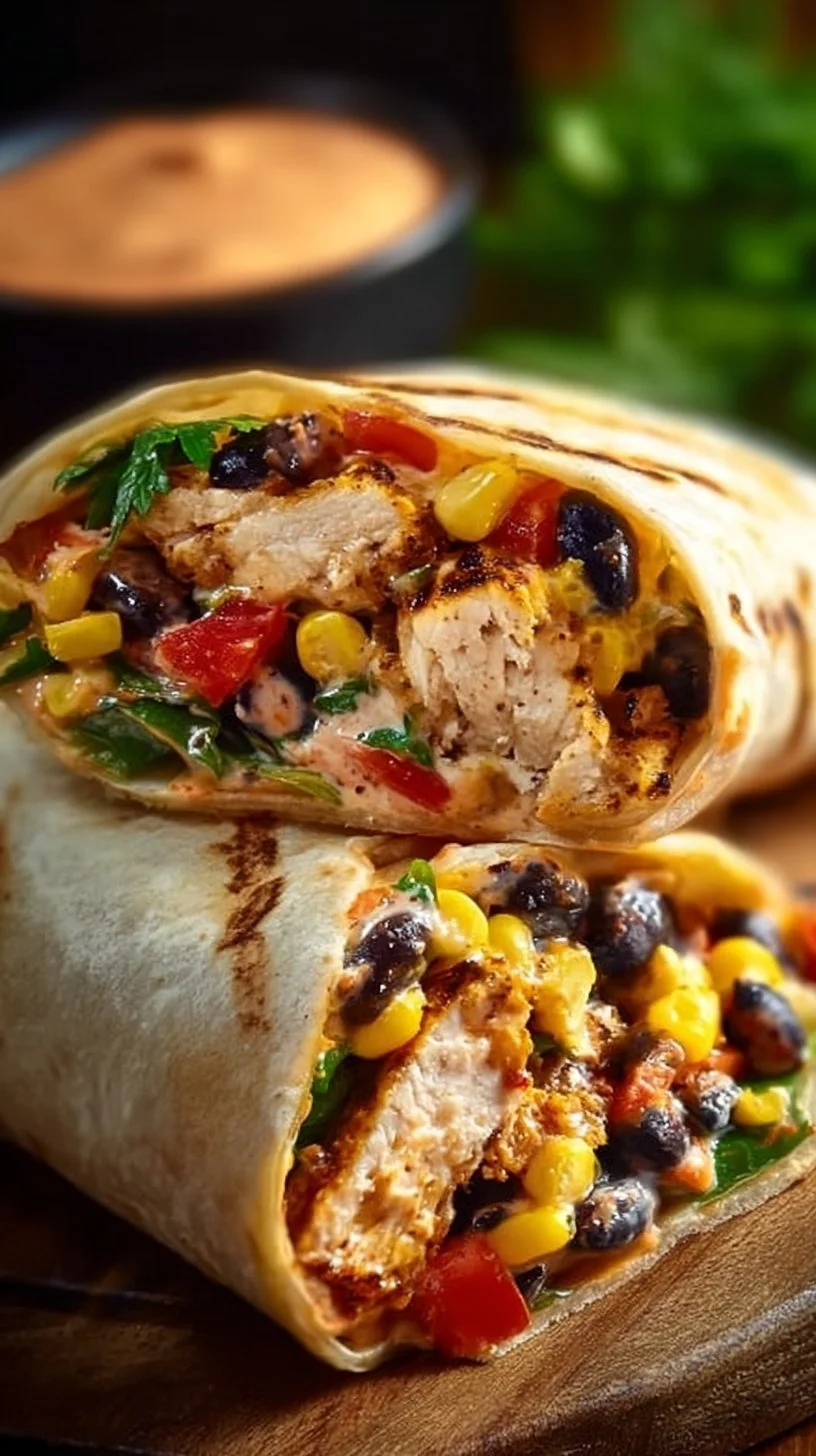
This Southwest Chicken Wrap is the kind of meal I come back to when I want something that feels bright, satisfying, and practical for everyday life. It hits the essentials — protein, a bit of starch, fresh vegetables, and a flavorful sauce — without leaning on heavy creams or long, fussy techniques. Because it’s assembled in a tortilla, it stays portable and easy to eat straight away, which makes it ideal for weeknight dinners, easy weekend lunches, or a repeat-friendly recipe to rotate through your weekly cooking.
What I appreciate most about this recipe is the balance it strikes: bold flavors from lime and chipotle, textural contrast from crunchy peppers and soft rice, and a finishing tang from cotija and the sour-cream-based sauce. It’s satisfying in a familiar way — like a burrito — but the ingredient choices and cooking method help it feel lighter. That quality makes it easy to include alongside salads, quick roasted vegetables, or a simple fruit for dessert, so the meal as a whole feels composed and moderate rather than heavy-handed.
How this recipe fits into a balanced lifestyle
This wrap supports everyday balance by focusing on straightforward ingredients and sensible portions. It doesn’t ask for elaborate substitutions or strict rules; instead, it relies on thoughtful choices: lean chicken breast for protein, plenty of fresh veg for fiber and crunch, and a modest amount of rice to round things out. The result is a plate that’s satisfying without being overloaded.
Because the flavors are punchy — lime, smoked paprika, chipotle — you don’t need to add excess fat or salt to make each bite interesting. That’s a practical principle for staying balanced: invest in flavor, not volume. It’s also flexible: make a batch of the chicken and rice and you’ve got building blocks for lunches, grain bowls, or a quick second dinner. That kind of repeatable, no-waste approach is how this dish fits naturally into a varied weekly routine without feeling monotonous.
How to make Southwest Chicken Wrap
Overall cooking flow is simple and linear: marinate the chicken briefly, cook the rice, sauté the chicken and vegetables, then assemble. The sequence keeps active work condensed into two main pans (or one, if you’re comfortable managing the timing) and a short window of assembly.
Where simplicity matters most is in the marinating and the sauté: a short, flavorful marinade is enough — you don’t need overnight soaking — and a steady, medium heat helps the chicken cook evenly without drying. When it comes to the rice, follow package instructions but use the rice as an opportunity to keep things neutral and comforting so it doesn’t compete with the other bold elements. Assembly is where the textures are layered for satisfaction: rice for substance, chicken for protein and spice, beans and corn for creaminess and pop, and the sauce to tie everything together.
Approach the recipe without overthinking: follow the sequence, keep the pan hot enough to brown the chicken lightly, and don’t rush the resting or assembly. A little patience during cooking yields the best texture and keeps the final wrap feeling balanced.
Ingredients
0.75 lb boneless, skinless chicken breasts, ¼ cup lime juice, ½ tsp chili powder, ½ tsp onion powder, 1 tsp garlic powder, ½ tsp smoked paprika, ¼ tsp salt, 3 tbsp olive oil, 1 Tbsp chipotle pepper in adobo, 4 large tortillas, 1 cup uncooked rice, 1 small red bell pepper, 1 jalapeño, ½ red onion, sliced, 3 garlic cloves, minced, 1 tsp olive oil, ¾ cup corn kernels, 1 cup black beans, ¼ cup cotija cheese, ⅓ cup sour cream, 1½ Tbsp honey, ½-1 Tbsp chipotle peppers in adobo, 1 Tbsp lime juice, 3 Tbsp fresh cilantro, chopped, 1-2 Tbsp water, ¼ tsp salt
- 0.75 lb boneless, skinless chicken breasts: The lean protein base. Chicken breast cooks quickly and keeps the wrap feeling lighter than fattier cuts, while still providing satiating protein.
- ¼ cup lime juice: Adds acidity and brightness to the marinade; lime cuts through richness and wakes up the other flavors so less oil or salt is needed.
- ½ tsp chili powder, ½ tsp onion powder, 1 tsp garlic powder, ½ tsp smoked paprika, ¼ tsp salt: These pantry spices create a layered savory profile. Chili and smoked paprika add warmth and depth, while the onion and garlic powders boost savory backbone without extra prep.
- 3 tbsp olive oil: Helps the marinade coat the chicken and promotes browning during sautéing. Olive oil’s flavor is mild here and helps carry the spices.
- 1 Tbsp chipotle pepper in adobo: Provides smoky heat in the marinade; it’s concentrated so a little goes a long way to define the wrap’s Southwest character.
- 4 large tortillas: The vehicle for this meal — they keep everything together and make the dish portable. Choose flour or a blend you like; the tortilla size controls portion.
- 1 cup uncooked rice: A modest starch to make the wrap filling. Rice absorbs the flavors around it and adds softness against the sharper elements.
- 1 small red bell pepper, 1 jalapeño, ½ red onion, sliced: Fresh vegetables for crunch, sweetness, and a touch of heat. They add volume and texture without adding heaviness.
- 3 garlic cloves, minced: Fresh garlic brightens the sautéed vegetables and complements the dried garlic powder.
- 1 tsp olive oil: For sautéeing the vegetables — just enough to cook them gently and build flavor.
- ¾ cup corn kernels, 1 cup black beans: Corn gives sweetness and pop, beans supply fiber and a creamy bite that helps the wrap feel filling without extra meat or fat.
- ¼ cup cotija cheese: A salty, crumbly finish. Cotija adds savory interest in small amounts so you get richness without overwhelming the wrap.
- ⅓ cup sour cream, 1½ Tbsp honey, ½-1 Tbsp chipotle peppers in adobo, 1 Tbsp lime juice, 3 Tbsp fresh cilantro, chopped, 1-2 Tbsp water, ¼ tsp salt: These ingredients become the sauce. Sour cream gives cooling creaminess, honey balances the heat, chipotle brings smokiness, lime adds acid, and cilantro provides herbaceous lift. Water adjusts consistency so the sauce spreads easily without becoming watery.
Each ingredient is chosen to contribute either flavor, texture, or structure. The goal is balance through combination: no single element needs to be heavy because the ensemble provides satisfaction.
Directions
Marinate the diced chicken in lime juice, olive oil, seasonings, and chipotle for at least 15 minutes., Cook rice according to package instructions., Sauté marinated chicken in a skillet over medium heat until cooked through (12–15 minutes)., In the same skillet, sauté chopped peppers and onions until tender; then add garlic and the cooked chicken back to warm through., Assemble wraps by layering rice, chicken mixture, beans, corn, cheese, and sauce on each tortilla., Roll tightly like a burrito and serve immediately.
Around these steps, a few practical notes to keep things smooth:
- Marinating: Fifteen minutes is the stated minimum and is enough to let the lime and chipotle flavor the chicken. Don’t worry if you only have that short window — the acidity and heat penetrate small diced pieces quickly. If you have more time, an hour is fine, but avoid marinating too long if the lime is very fresh, as the acid can start to “cook” the chicken.
- Cooking rice: Make the rice first or start it right after you begin marinating. Keeping rice warm and slightly fluffy ensures it layers well in the wrap rather than becoming dense. Fluff with a fork and keep it covered until assembly.
- Sautéing chicken: Aim for medium heat so the chicken cooks through evenly and develops a bit of a crust. Look for an internal doneness where the juices run clear and the pieces are firm but tender. Overcrowding the pan will steam the chicken; if your skillet is small, do this in batches.
- Using the same skillet: Cooking the peppers and onions in the same pan captures any browned bits from the chicken and adds extra flavor. Cook until the vegetables are slightly softened but still have a bit of bite — that texture contrast matters here.
- Sauce and assembly: Make the sauce while the chicken rests briefly after cooking or while the rice finishes. Taste and adjust — the honey vs. chipotle balance is personal; start with the smaller amount of chipotle and add more if you want more smoke and heat. Assemble the wraps so the heavier ingredients (rice, chicken) are centered and the sauce is spread thinly to avoid sogginess. Rolling tightly helps hold everything together.
Watch for these signs the dish is coming together: the chicken should smell smoky and citrusy, peppers should be glossy and slightly softened, and the sauce should feel balanced — tangy, slightly sweet, and creamy. If those elements are present, the wrap will feel both light and satisfying.
The role of preparation in keeping this dish light
Preparation choices play a big role in how heavy or light a meal feels. Brief marination rather than long brining avoids overly dense texture. Sautéing at the right temperature gives the chicken a pleasant exterior while keeping the inside tender, so you don’t need added fats to create mouthfeel. Using a modest portion of rice rather than piling on starch and relying on beans for bulk offers fiber and substance without excess.
Technique matters: don’t overcook the vegetables; a little crunch keeps the bite fresh and prevents the wrap from turning into a uniform, heavier mouthful. And when you make the sauce, thinning it with a splash of water rather than adding more cream or oil keeps it lively and spreadable without adding weight. Small, intentional steps like these change how the finished dish sits in your stomach and how quickly you feel satisfied.
Simple ways to adjust without losing balance
You can personalize this wrap while keeping the same balanced logic:
- Spice level: Increase chipotle in the sauce if you want more smoke; reduce the chipotle in the marinade for milder chicken. These changes shift flavor without changing structure.
- Grain swap: Use a small amount of quinoa or a mixed grain for a nuttier note. Keep the portion comparable to maintain balance.
- Tortilla choice: A whole-wheat or lower-carb wrap can be used if you prefer, but keep the tortilla size similar so fillings stay proportional.
- Veg boost: Add extra raw shredded lettuce or cabbage at assembly for more crunch and volume without adding heaviness.
- Dairy options: If you prefer a lighter tang, use plain Greek yogurt in place of some or all of the sour cream for a higher-protein swap that stays creamy.
These are conceptual tweaks — they preserve the recipe’s intent: flavor-forward, practical, and balanced.
Pairing ideas for a complete, well-rounded meal
To create a meal around these wraps without adding excess, think complementary textures and light sides:
- A simple green salad with lime vinaigrette: adds freshness and an acidic counterpoint.
- Roasted sweet potato wedges: offer warmth and a pleasant sweetness without a heavy fry.
- Quick pickled red onions: a little tang goes a long way to lift each bite of the wrap.
- Fresh fruit like sliced mango or pineapple: pairs well with the chipotle-lime profile.
- Light vegetable slaw with cilantro and lime: echoes the flavors inside the wrap and adds volume.
These options help fill out the plate while keeping the overall meal moderate and enjoyable.
Storage, leftovers, and next-day enjoyment
This recipe stores well but with a few caveats:
- Keep components separate when possible. Store rice, chicken mixture, and sauce in separate airtight containers for up to 3–4 days in the refrigerator. Tortillas can be wrapped in foil and kept at room temperature or refrigerated.
- Assembling later: If you plan to eat the wraps later, assemble right before eating to avoid soggy tortillas. If you must assemble in advance, layer tortillas with parchment and keep sauce minimal until serving.
- Reheating: Gently reheat chicken and rice together in a skillet over medium-low heat with a splash of water to restore moisture, or microwave covered for short intervals. Add fresh toppings (cotija, cilantro, sliced peppers) after reheating to refresh texture.
- Freezing: Cooked chicken can be frozen, but the texture of some vegetables (like raw peppers) doesn’t hold up after thawing. Freeze only the chicken and rice if you need longer storage, and add fresh veg when reheating.
A bit of separation at storage preserves texture and keeps leftovers tasting like the first meal.
Common questions about lighter everyday cooking
- How much should I eat in one serving? Aim for a portion that fills your hand and leaves room for a side or salad. Balance means listening to appetite and matching it with a sensible tortilla size and filling amount.
- Can I make this for meal prep? Yes — cook the components and store separately. Assemble daily to keep tortillas from getting soggy and to preserve crunch.
- Will repeating a meal get boring? Vary the sides, swap in different fresh herbs, or use different chilies to keep the flavor profile interesting without overhauling the base technique.
- How do I keep the wrap from feeling too dry or too heavy? Use the sauce sparingly but evenly, and include a modest starch portion. Texture contrast (crisp peppers, creamy beans) is the real secret for satisfaction.
Final thoughts from Daniel
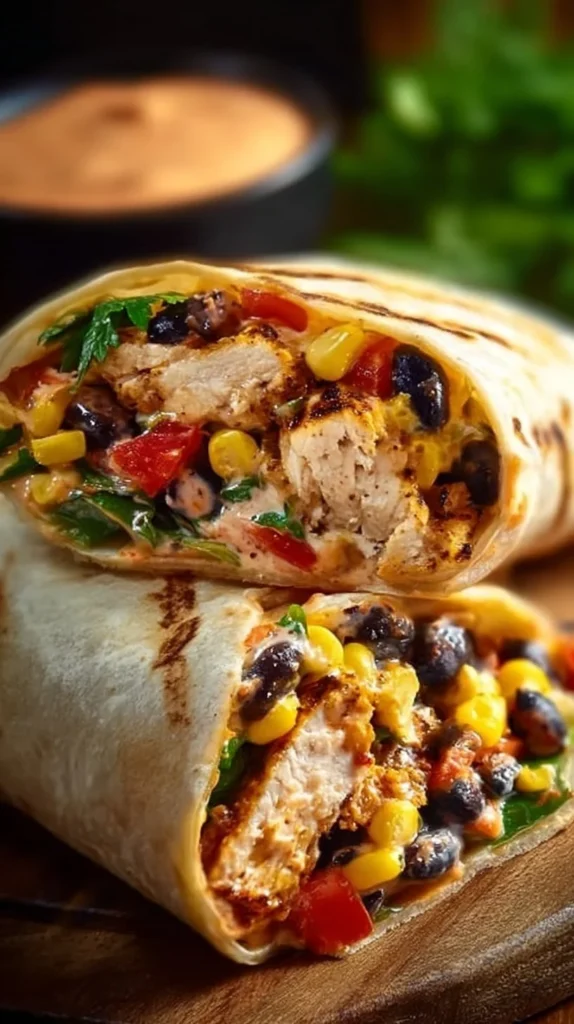
This Southwest Chicken Wrap is a reliable, flavor-forward option that supports everyday balance without drama. It’s forgiving in timing, rewarding in taste, and adaptable without losing what makes it work: bright acid, smoky heat, varied textures, and sensible portions. Cook it with a straightforward mindset — focus on timing, modest portions, and fresh finishing touches — and you’ll find it becomes one of those recipes that’s easy to reach for on busy nights.
Conclusion
If you’re exploring similar builds or want inspiration for slight variations, I often look to other straightforward wrap-focused recipes for technique and flavor ideas like the Best Southwest Chicken Wrap Recipe | Modernmealmakeover.com to compare marinades and sauce balances. For different presentation and assembly cues, this version from Southwest Chicken Wrap – Sailor Bailey is a useful reference. And if you want a home-cook perspective on timing and crowd-friendly portions, check out Southwest Chicken Wraps – The Country Cook for helpful practical tips.
Southwest Chicken Wrap
Ingredients
Method
- Marinate the diced chicken in lime juice, olive oil, seasonings, and chipotle for at least 15 minutes.
- Cook rice according to package instructions.
- Sauté marinated chicken in a skillet over medium heat until cooked through (12–15 minutes).
- In the same skillet, sauté chopped peppers and onions until tender; then add garlic and the cooked chicken back to warm through.
- Assemble wraps by layering rice, chicken mixture, beans, corn, cheese, and sauce on each tortilla.
- Roll tightly like a burrito and serve immediately.