Korean Ground Beef Bowl
Introduction
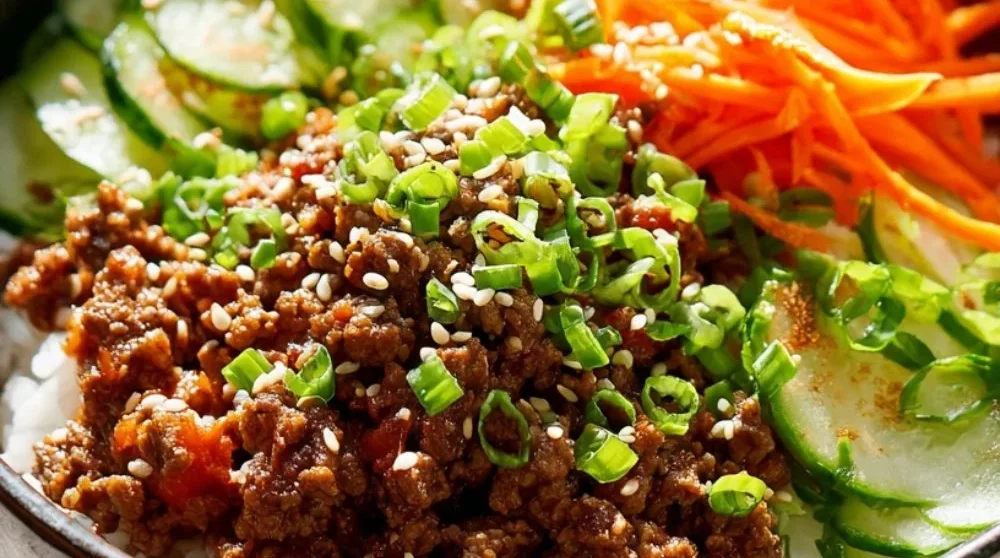
Hi — I’m Sarah Collins. If you have a busy kitchen, picky eaters, and only so many weeknights, this Korean Ground Beef Bowl is the kind of recipe that quietly becomes a family favorite. It hits the familiar notes: a savory-sweet sauce, tender beef, and bright little pops of veggie — all served over rice, which is the universal comfort blanket at my house. I love recipes that are fast, forgiving, and consistently liked by kids and adults alike, and this one checks all those boxes.
This dish works on weeknights because it’s speedy to pull together, uses a short ingredient list you probably already keep on hand, and gives you room to adapt to whatever’s in your fridge. It’s great for quick family dinners, easy to double for a casual gathering, and friendly to make-ahead plans. The flavors are uncomplicated but satisfying — soy and brown sugar do the heavy lifting, garlic and ginger give it a little aromatic lift, and the veggies add color and crunch without demanding extra time.
If you need something reliable for late practices, hectic afternoons, or just a no-fuss family meal, this fits the bill. It’s hard to mess up, hard to complain about at the table, and easy to build other simple sides around. Think of it as a go-to weeknight solution that feels a little special but doesn’t require a lot of ceremony.
How to make Korean Ground Beef Bowl
This recipe is built around a handful of tidy stages: prep, aromatics, browning the beef, seasoning, a quick sauté with the vegetables, and assembly over rice. Start by gathering and chopping your aromatics and veggies while the rice cooks — that parallel work is the time-saver here. When you begin cooking, the garlic and ginger bloom in oil almost instantly; that’s the scent that tells you you’re on the right track. After they get fragrant, the beef goes in to brown. Once it’s cooked through, the soy and brown sugar create a simple, glossy sauce that clings to the beef.
Where many home cooks get hung up is timing and heat. I tell folks to pay attention to the skillet temperature: medium for the aromatics so they don’t burn, then medium-high to let the beef brown properly. When you add the peppers and carrots, you want them to become tender yet still have a little crunch — that contrast is part of the appeal. Finish by piling the beef over warm rice and scattering sliced green onions on top.
Beginners should slow down during the aromatics stage (garlic burns fast) and while browning the beef (break it into small pieces so the sauce coats evenly later). Shortcuts exist too: use leftover rice, pre-minced garlic, or quick-cook rice to shave minutes without losing much flavor.
Ingredients
1 lb lean ground beef, 3 cloves garlic, minced, 1 tbsp fresh ginger, grated, 1/4 cup low-sodium soy sauce, 2 tbsp brown sugar, 4 green onions, sliced (plus extra for garnish), 2 cups cooked rice (white or brown), 1 cup bell peppers, diced, 1 cup carrots, sliced
Each ingredient in this list plays a straightforward role:
- 1 lb lean ground beef: The main protein and base of the bowl. Lean beef keeps the skillet from getting overly greasy and lets the sauce stick to nice crumbles of meat.
- 3 cloves garlic, minced: Garlic gives that homemade aroma that kids and adults recognize; minced garlic disperses quickly and flavors every bite.
- 1 tbsp fresh ginger, grated: Ginger adds a warm, slightly bright note that balances the sweetness of the brown sugar without being overpowering.
- 1/4 cup low-sodium soy sauce: The salty, savory backbone of the sauce. Using low-sodium lets you control salt more easily, especially if you plan to pair with salty sides.
- 2 tbsp brown sugar: Adds caramel-like sweetness and helps create a glossy sauce that coats the beef. Two tablespoons is enough to please kids without being cloying.
- 4 green onions, sliced (plus extra for garnish): Green onions add color and a mild onion flavor. The sliced white and green parts give texture; extra on top adds freshness at the end.
- 2 cups cooked rice (white or brown): Rice is the grounding element that turns the seasoned beef into a full meal. Use whatever your family prefers or already has cooked.
- 1 cup bell peppers, diced: For sweetness and a crunchy contrast. They also bring color, which helps make the bowl feel more balanced and kid-friendly.
- 1 cup carrots, sliced: Adds subtle sweetness and a firmer texture than the peppers; they hold up nicely in a quick sauté.
These are all common pantry and fridge items that combine into something comforting and reliable. No single ingredient is trying to be flashy — together they deliver a bowl that feels familiar and satisfying.
Directions
Prepare your ingredients by chopping garlic, ginger, and green onions while cooking the rice., In a large skillet, heat a splash of oil over medium heat. Add minced garlic and grated ginger; sauté for about 30 seconds until fragrant., Increase heat to medium-high and add ground beef. Cook until browned and no longer pink, breaking it apart (about 5 minutes)., Stir in soy sauce and brown sugar; simmer for about 3 minutes to meld flavors., Add bell peppers and carrots; sauté for another 3-4 minutes until tender yet crisp., Serve over warm rice, topped with sliced green onions.
Now a little friendly guidance around those steps without changing them:
- Step 1 (prep while rice cooks): Do as much chopping as you can while the rice is on. This is the easiest way to shave active time. If you’ve got a helper, have them slice the green onions while you handle garlic and ginger.
- Step 2 (aromatics): When you heat the oil and add garlic and ginger, watch them closely. Thirty seconds is enough — you want them fragrant and glossy, not browned. If your pan is too hot, the garlic will scorch and taste bitter; lower the heat a touch if you see color appearing quickly.
- Step 3 (browning the beef): Medium-high heat is the sweet spot for good browning. Break the beef into small pieces as it cooks so it forms little crumbles that soak up sauce later. If you see a lot of liquid pooling, your pan might be too crowded; give it a minute to evaporate or briefly drain excess liquid if you prefer a drier crumble.
- Step 4 (sauce time): Stirring in the soy sauce and brown sugar turns the pan into a simple glaze. Let it simmer for the full few minutes so the sugar dissolves and coats the meat comfortably. You should smell a balanced sweet-and-savory aroma when it’s ready.
- Step 5 (veggies): Adding the bell peppers and carrots at the end keeps them lively. Cook them until they’re tender yet still a little crisp — that texture contrast is what makes the bowl satisfying. If your family prefers softer vegetables, give them an extra minute or two.
- Step 6 (assembly): Serve over warm rice and top with green onions for freshness. If rice is cold, heat it briefly before plating — warm rice helps marry the flavors.
Common small mistakes to avoid: overheating the garlic, overcrowding the pan, cutting veggies unevenly (which leads to uneven cooking), and skipping the simmer time for the sauce (it seems small but makes a noticeable difference).
Why families love this dish
Families gravitate toward dishes that are predictable, flavorful, and easy to customize, and this beef bowl delivers on all those counts. The flavors are familiar — soy-sweetness, garlicky warmth, and simple beefiness — so kids often welcome it even if they’re picky. Adults appreciate how efficient it is and how it can be dressed up with minimal effort.
It’s comfort food without being heavy or fussy. The rice makes it filling and reliable for hungry kids, while the veggies add color and a textural shift that gives parents the feeling of a balanced plate. The short ingredient list and quick cook time mean it’s a go-to when life runs late, and the whole family can be served in the time it takes to cook the rice and brown the beef.
Because it’s straightforward, this bowl fits weeknight rhythms: get dinner on the table fast, everyone gets to eat something they like, and leftovers are useful the next day.
Smart substitutions and simple variations
If you need to adapt the recipe for tastes or what’s on hand, there are safe swaps that keep the dish reliable:
- Protein swaps: Ground turkey or chicken can replace the beef if you prefer a lighter option. They will change texture slightly but will still take on the sauce well.
- Veggie swaps: If your family dislikes bell peppers, try frozen peas, snap peas, or thinly sliced zucchini. Quick-cooking frozen mixes are an easy shortcut.
- Rice alternatives: Swap white rice for brown rice, quinoa, or cauliflower rice if you want a different base. Keep in mind cook times and moisture differences.
- Flavor tweaks: If kids prefer less ginger, reduce it slightly. If adults want a bit more punch, add a teaspoon of toasted sesame oil at the end or a pinch of red pepper flakes.
- Sweetness and salt: Using low-sodium soy sauce makes it easier to adjust salt at the table; you can add a drizzle of regular soy sauce at serving if needed.
All of these suggestions keep the core steps and feel of the recipe intact — they’re meant to make the meal suit your family without complicating the process.
Pairing ideas for a complete, satisfying meal
This bowl is a complete main on its own, but a couple of tiny sides make it feel like a celebration without much extra work:
- Simple cucumber salad: Thinly sliced cucumbers tossed with a splash of rice vinegar, a pinch of sugar, and a little sesame oil can be made in minutes and cuts through the savory richness.
- Steamed or roasted broccoli: Toss florets with a little oil and salt and roast alongside something else in the oven, or steam them quickly while you cook the rice.
- Quick kimchi: If your family likes a little tang, a small spoonful of store-bought kimchi goes a long way as a side.
- Soft boiled or fried egg: A runny yolk mixed into the bowl makes things extra cozy for adults and kids who enjoy eggs.
- Toasted sesame seeds or a simple mixed green salad: Both add texture and freshness with minimal effort.
Choose one or two of these and you’ll have a rounded meal without adding a lot of active cooking time.
Make-ahead tips, leftovers, and storage
This recipe stores very well and is easy to pull out for lunches or busy dinners:
- Storage: Cool the beef mixture quickly (spread in a shallow container if you can), then refrigerate in an airtight container for up to 3–4 days. Rice keeps separately for best texture.
- Freezing: You can freeze the cooked beef mixture for up to 2 months. Thaw in the fridge overnight before reheating.
- Reheating: Reheat the beef gently on the stovetop over low-medium heat with a splash of water or a drizzle of soy sauce to restore moisture. Microwave reheating is fine — add a damp paper towel over the rice to keep it from drying out.
- Lunchbox ideas: Pack the beef and rice separately and reheat at work or school if possible. For cold lunches, spoon the cooled beef over room-temperature rice, add sliced cucumbers, and include a small container of green onions to sprinkle on just before eating.
- Stretching leftovers: Add a handful of fresh greens or steamed veggies to leftover bowls to make them feel refreshed.
These straightforward storage tips mean dinner tonight can easily become lunch tomorrow without losing much of the original texture or flavor.
Common questions home cooks ask about this recipe
Q: How long will this take from start to finish?
A: With rice cooking simultaneously, plan on 20–30 minutes total. If you’re using pre-cooked rice, active time drops to about 10–15 minutes.
Q: My beef is releasing a lot of liquid — what should I do?
A: Continue cooking over medium-high heat and break it up so the water can evaporate. If needed, tilt the pan and spoon off excess liquid. Using lean ground beef helps prevent excessive grease.
Q: Can I double the recipe?
A: Yes. Use a larger skillet or cook in batches to avoid crowding; crowding prevents proper browning.
Q: How do I keep the vegetables crisp?
A: Add them at the end and cook briefly. Dicing them uniformly ensures even cooking.
Q: My kids don’t like ginger — can I leave it out?
A: You can reduce or omit the ginger. The dish will still be flavorful thanks to the garlic, soy, and brown sugar.
Q: Is this spicy?
A: Not inherently. If you want heat, you can add red pepper flakes or a dab of chili paste for adults at the table.
These practical answers reflect what I hear most from busy home cooks — little adjustments and common-sense fixes that keep the meal on track.
Final thoughts from Sarah
This Korean Ground Beef Bowl is one of those recipes that becomes quietly reliable in your rotation: quick, adaptable, and kid-friendly without being boring. It’s the kind of meal you can trust on a hectic night — it comes together fast, uses familiar flavors, and leaves room for whatever small substitutions make the most sense for your family. Keep the ingredients list visible on the fridge, and you’ll find yourself reaching for it again and again.
Give it a try on your next busy night, and don’t be surprised if it earns a permanent spot in your weeknight lineup. Happy cooking, and take comfort in knowing a delicious family dinner doesn’t have to be complicated.
Warmly,
Sarah Collins
Conclusion
If you’d like another version or more serving ideas, I often point people to helpful online references — one good example is Korean Ground Beef and Rice Bowls | The Recipe Critic, which offers variations and serving suggestions that work nicely alongside this approach.