Mediterranean Turkey Bowls
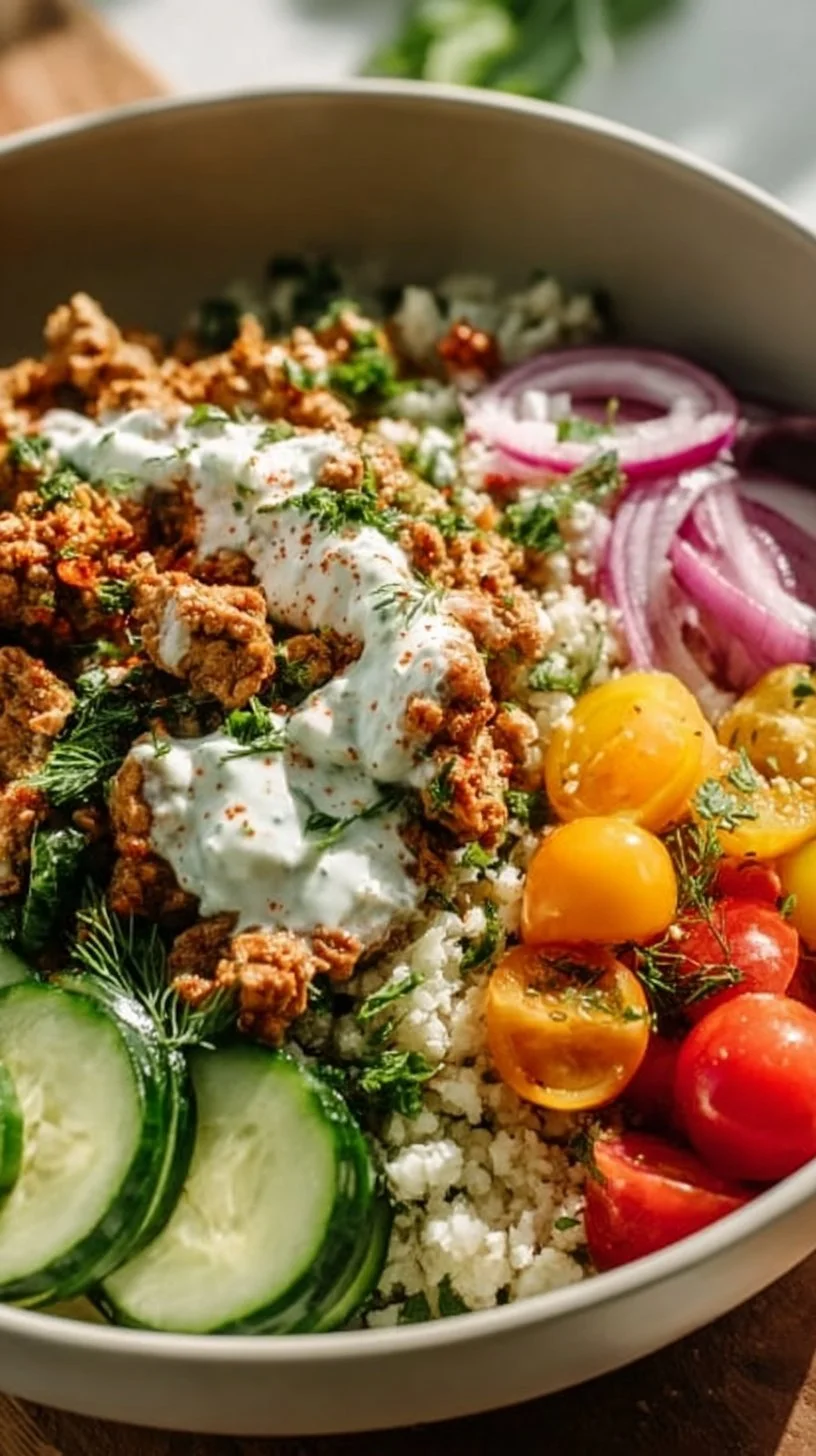
I like meals that land in the middle ground: straightforward to pull together on a weeknight, bright enough to feel fresh, and filling without being heavy. Mediterranean Turkey Bowls are that kind of recipe — they pair lean cooked turkey with a crisp, citrusy vegetable mix and a little salty feta and olive to round everything out. It’s a format that works well for dinners, packed lunches, or an easy make-ahead lunchbox because the components keep texture and flavor when kept separately or lightly combined. If you enjoy swapping proteins and keeping things simple, you might also like my take on ground turkey and peppers for another everyday dinner with similar ease and comfort.
This recipe feels satisfying without being heavy because it balances warm, seasoned protein with fresh, crunchy vegetables and a bright lemon dressing. The olives and feta add a little richness without needing a creamy sauce, so the overall bowl stays clean-tasting and layered. It’s an approachable pattern you can repeat over and over, and it scales well: cook a little extra turkey one night and you’ve got the building blocks for lunches later in the week.
How this recipe fits into a balanced lifestyle
This dish is a good example of how balance comes from assembly rather than restriction. Instead of removing ingredients you enjoy, it uses portion control and purposeful combinations to keep each bowl satisfying. Ground turkey brings lean protein and cooks quickly, the vegetables add fiber and crunch, and the olive oil and feta contribute enough fat to make bites mouthwatering and filling. There’s no need to strip flavor away to feel “light.”
Because elements are prepared in simple, separate steps, the bowls support moderation naturally. You choose how much turkey or feta goes into each bowl, and the lemon-olive oil dressing brightens the plate so you’re less likely to reach for heavy sauces. If you like Mediterranean flavors consistently, this pattern fits nicely alongside other recipes — a week that includes these bowls might also include a low-carb chicken option like low-carb Greek chicken bowls to keep variety without extra complexity.
How to make Mediterranean Turkey Bowls
At its core the cooking flow is very clear: cook the turkey, chop the vegetables, whisk a simple dressing, and assemble. Simplicity matters most where it saves time without sacrificing texture — cook the turkey until it’s nicely browned for flavor, and keep the vegetables roughly the same size so every spoonful includes a mix of ingredients.
Approach it without overthinking. Set up a small station: one pan for the turkey, a cutting board for the veg, a bowl for the salad, and a small bowl to whisk the dressing. If you’re doing meal prep, cook a double batch of turkey and store it separately from the vegetable mix so the crunch remains. When making the salad, aim for balance in your tosses so the dressing coats but doesn’t drown the vegetables — a light hand here keeps the bowl feeling fresh.
If you want a quick inspiration for variations using similar cooking techniques, I often borrow ideas from skillet recipes like this ground turkey and zucchini skillet, where simple seasoning and good pan-browning do a lot of the work.
Ingredients
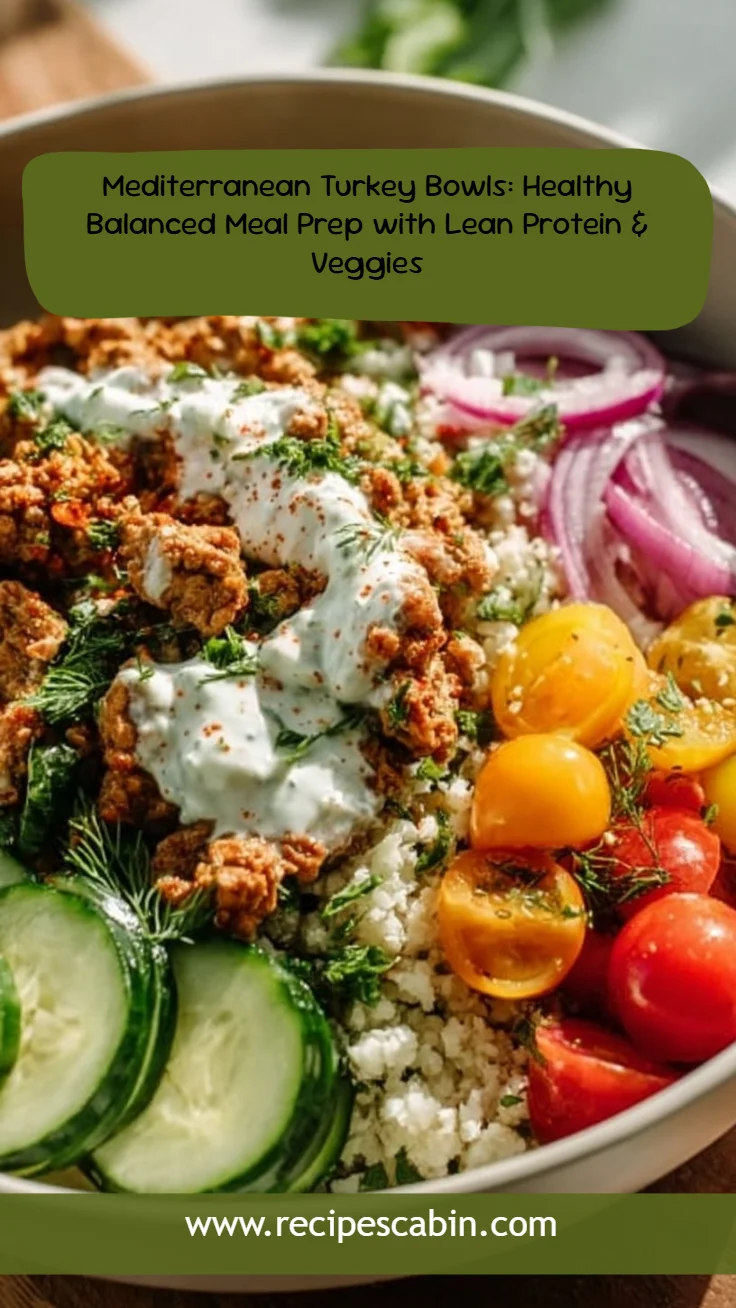
1 lb ground turkey, 1 cup cherry tomatoes, halved, 1 cucumber, diced, 1 bell pepper, diced, 1/4 red onion, diced, 1/4 cup feta cheese, crumbled, 1/4 cup kalamata olives, sliced, 1/4 cup parsley, chopped, 2 tablespoons olive oil, 2 tablespoons lemon juice, 1 teaspoon dried oregano, Salt and pepper to taste
Each ingredient has a clear role:
- 1 lb ground turkey: The main source of savory, meaty satisfaction. Ground turkey cooks quickly and develops flavor from browning; it’s lean but not flavorless when seasoned and seared properly.
- 1 cup cherry tomatoes, halved: Provide juicy bursts and a touch of natural sweetness that contrast the savory turkey.
- 1 cucumber, diced: Brings cool crunch and refreshment, which is key to keeping the bowl feeling light.
- 1 bell pepper, diced: Adds crisp texture and a mild sweetness; red, yellow, or orange bell peppers work well for color and flavor.
- 1/4 red onion, diced: Gives an aromatic bite; its sharpness cuts through the fat and balances the milder ingredients.
- 1/4 cup feta cheese, crumbled: Adds creaminess and salty tang in small amounts — a little goes a long way toward making the bowl feel indulgent without heaviness.
- 1/4 cup kalamata olives, sliced: Provide briny depth and umami that lift the overall flavor profile.
- 1/4 cup parsley, chopped: Fresh herbs brighten and tie flavors together; parsley adds earthiness without overpowering.
- 2 tablespoons olive oil: The base of the dressing and a cooking fat for the turkey if you wish; it carries flavors and keeps everything silky.
- 2 tablespoons lemon juice: Adds acid that wakes up the salad, balances the oil, and keeps the dish tasting fresh.
- 1 teaspoon dried oregano: Brings classic Mediterranean savory notes that pair nicely with turkey and lemon.
- Salt and pepper to taste: Simple seasoning that’s essential; salt enhances, pepper adds background warmth.
These ingredients are intentionally simple. Thoughtful choices — modest amounts of cheese and oil, plenty of fresh veg, and a lean protein — create balance through combination rather than restriction. The textures alternate between warm and cool, soft and crisp, which is central to satisfaction.
Directions
- In a skillet, heat olive oil over medium heat. Add ground turkey and cook until browned and cooked through, about 5-7 minutes. Season with salt, pepper, and dried oregano.,
- In a large bowl, combine the cherry tomatoes, cucumber, bell pepper, red onion, feta cheese, olives, and parsley.,
- In a small bowl, whisk together olive oil and lemon juice, then pour over the veggie mixture and toss to coat.,
- Assemble the bowls by adding a portion of cooked turkey, then topping with the Mediterranean veggie mix. Serve chilled or at room temperature.
What to look for as you cook:
- When browning the turkey, aim for small, even pieces and a little color. That browning is where flavor concentrates; don’t rush it with high heat, but don’t leave the pan too cool either. The meat should be cooked through and no longer pink.
- The vegetable mix should be bright and slightly glossy after you toss it with the dressing, but not soggy. If the dressing pools at the bottom, toss gently with a slotted spoon to distribute.
- Taste as you go. The dressing is simple — olive oil and lemon — so a pinch more salt or a splash more lemon juice can make a big difference.
How to avoid overcomplicating the process:
- Use one pan and one big bowl; you’ll save washing time and speed up assembly.
- Keep chopping uniform: dice the cucumber and bell pepper into similar sizes so each bite has balanced texture.
- Don’t feel compelled to add extra sauces. The feta and olives provide salt and richness; the lemon brightens. They work together to make the bowl feel complete.
Signs the dish is coming together properly:
- The cooked turkey smells lightly savory with herb notes from the oregano.
- The vegetable mix smells bright and citrusy, and it looks colorful — that visual contrast is part of why it feels lighter.
- Combined bites contain a little of each component: turkey, tomato, cucumber, and a hit of feta or olive.
The role of preparation in keeping this dish light
Preparation choices shape how heavy or light a meal feels. Browning the turkey well creates depth without needing heavy sauces; a quick sear concentrates flavor so you can use less fat overall. Conversely, overcooking the vegetables or overdressing the salad will weigh the bowl down — texture matters as much as ingredients.
Technique also influences satisfaction. Keeping components distinct (warm turkey, cool veg) gives contrast on the palate, which makes smaller portions feel complete. The lemon-olive oil dressing is purposefully minimal: acidity brightens, oil carries flavor and mouthfeel. Small amounts of strong-flavored ingredients, like olives and feta, provide teamwork — they deliver perceived richness in measured doses.
Lastly, thoughtful prep timing helps. If you’re doing this for weeknight dinners, cook the turkey first and chop the vegetables while it rests briefly; the turkey will still be warm and you’ll finish faster. If prepping for lunches, keep the dressing separate until serving, or toss lightly right before eating to preserve crispness.
Simple ways to adjust without losing balance
There are many small tweaks that keep the bowls light and interesting:
- Add heat through a pinch of red pepper flakes or a drizzle of harissa oil if you like spice; it changes the profile without adding heaviness.
- Swap parsley for mint or basil for a different fresh herb note; herbs are an easy way to shift flavor while keeping the structure intact.
- Mix in a small scoop of cooked quinoa or farro if you want a heartier grain presence — keep the grain portion modest so the bowl still emphasizes vegetables and protein.
- If you prefer creamier dressings, swap half the olive oil for plain yogurt to add cream without losing brightness. Do this sparingly to avoid overpowering the fresh vegetables.
None of these changes require altering the core recipe — they’re conceptual shifts that preserve the balance of lean protein, fresh veg, and a modest amount of flavorful fat.
Pairing ideas for a complete, well-rounded meal
To round this bowl into a full plate without excess, think contrast in texture and temperature:
- Add a small portion of warm grain such as a lemon-infused rice or a modest scoop of couscous for extra comfort; keep grains to about 1/2 cup per serving for balance.
- A side of toasted pita or a crisp romaine wedge provides a handy scoop for the salad and introduces a toasty note without heaviness.
- A simple soup, like a chilled cucumber-yogurt or a light tomato broth, can be an elegant starter that complements the bowl’s flavors.
- For dessert, stick to something simple and fruit-forward — a few slices of orange or a small bowl of mixed berries extend the Mediterranean vibe without adding richness.
If you enjoy bowls in general, using contrasting preparations works well; for another bright bowl with different textures and a touch of sweet-heat, consider recipes like the honey sriracha salmon bowls for inspiration on pairing sweet and spicy elements.
Storage, leftovers, and next-day enjoyment
This bowl stores well if you keep components separated. Place turkey in an airtight container and the vegetable mix and dressing in another; combine just before eating to preserve crunch. Stored this way, the turkey will last 3–4 days in the fridge and the veggie mix will stay crisp for a similar window if not overdressed.
Reheating tips:
- Reheat the turkey gently in a skillet over medium-low heat — a quick toss to warm through prevents drying. Adding a splash of water or a little more lemon can refresh the meat.
- If you prefer the bowl at room temperature, let the turkey cool slightly before assembling; the contrast between warm turkey and cool veg is part of the appeal.
- For make-ahead lunches, pack the dressing separately in a small container or jar; shake and drizzle right before serving.
Avoid reheating the assembled bowl in the microwave, which tends to soften the vegetables and mute the bright lemon flavor. A little planning at pack-up makes the next-day meal feel intentionally fresh.
Common questions about lighter everyday cooking
How much turkey per person is satisfying?
- A standard portion here is around 4 ounces cooked turkey per bowl, which pairs well with a generous portion of vegetables. Adjust up or down depending on appetite, but keeping veg plentiful helps the meal feel balanced.
Can this be prepped for weekly meal planning?
- Yes. Cook the pork (turkey) and chop the vegetables once or twice a week, store separately, and assemble as needed. Make the dressing fresh or keep it in a jar for convenience.
How do you keep the bowl from getting boring over time?
- Rotate herbs, switch bell pepper colors, change up the acid (try red wine vinegar for a day), or add a new topping like toasted pine nuts or sunflower seeds occasionally. Small shifts keep repetition interesting.
What makes a lighter meal feel satisfying?
- Contrast: warm vs. cool, soft vs. crunchy, salty vs. bright. Also, modest amounts of fat and savory elements give the perception of richness without heaviness. Mindful portions and varied textures are more important than eliminating ingredients.
Final thoughts from Daniel
This recipe is a reliable template for everyday balance: quick protein, crisp vegetables, a bright dressing, and a few bold accents to make it feel complete. It’s practical and forgiving — the kind of meal that works when weekdays demand simplicity and when you want something that feels intentional without being fussy. Cook it with a calm approach, taste as you go, and let small adjustments reflect your preferences for any given week. Recipes like this are worth returning to because they encourage variety within a straightforward framework.
Conclusion
If you’d like a slightly different take on the same flavors with an approachable ingredient list and budget-friendly tips, this version from Mediterranean Turkey Bowls – Budget Bytes is a useful reference. For another meal-prep friendly version that leans into the same Mediterranean notes but with different proportions and tips, see the Mediterranean Ground Turkey Bowl Recipe (Great for Meal Prep!). If you’re curious how similar bowls can be paired with flavored rice, this post on Mediterranean Turkey Bowls with Lemon Rice | Festival Foods Blog offers ideas for expanding the plate while keeping the same bright profile.
Mediterranean Turkey Bowls
Ingredients
Method
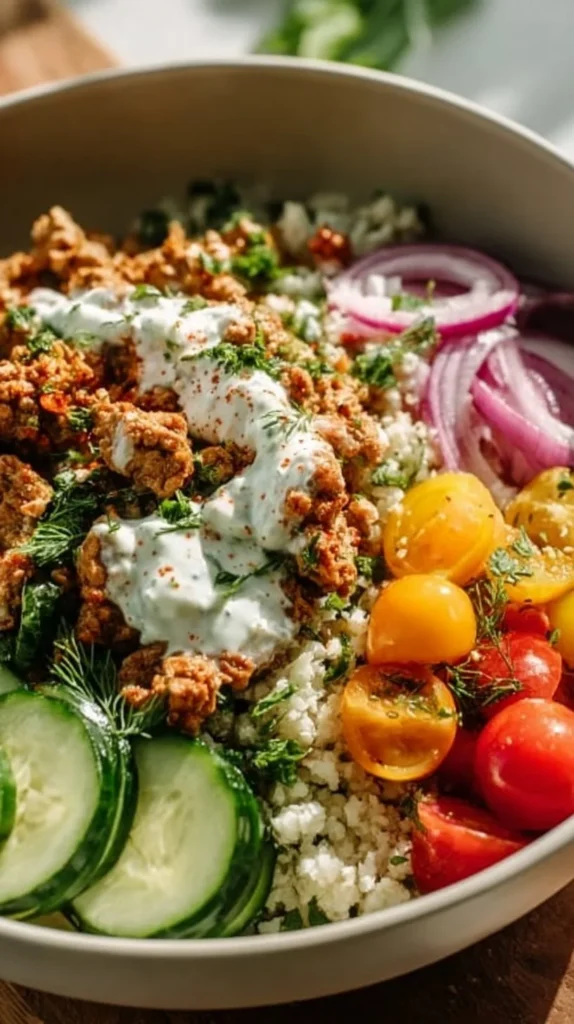
- In a skillet, heat olive oil over medium heat.
- Add ground turkey and cook until browned and cooked through, about 5-7 minutes.
- Season with salt, pepper, and dried oregano.
- In a large bowl, combine the cherry tomatoes, cucumber, bell pepper, red onion, feta cheese, olives, and parsley.
- In a small bowl, whisk together olive oil and lemon juice.
- Pour over the veggie mixture and toss to coat.
- Add a portion of cooked turkey to each bowl.
- Top with the Mediterranean veggie mix.
- Serve chilled or at room temperature.