Ground Turkey and Peppers
Introduction
This Ground Turkey and Peppers recipe is one of those everyday meals I turn to when I want something that feels both clean and satisfying — not fussy, but clearly put together. It leans on a few simple ingredients and straightforward technique, so you can get a warm, flavorful dinner on the table on a weeknight without a lot of thinking. I like how the lean ground turkey and the bright bell peppers balance each other: the turkey gives you savory, slightly meaty texture, while the peppers and onion add sweetness and snap. If you’re looking for a recipe that’s easy to repeat, burns few calories in prep time, and still comforts, this fits the bill.
If you enjoy meals that are quick but varied, this sits comfortably alongside other simple skillet dinners I make regularly — things like a teriyaki-style turkey bowl that leans savory and glossy for a change of pace (teriyaki ground turkey bowl). That kind of rotation keeps dinner interesting without overcomplicating grocery lists or cooking time.
This dish is best when you want dinner on the table fast: weeknights, simple lunches that reheat well, or when you need an easy base to customize for different family members. It’s practical and forgiving — you can make it exactly as written or use it as a launching point for small personal touches.
How this recipe fits into a balanced lifestyle
The spirit of balance here is straightforward: portioned protein, lots of vegetables, and flavor that comes from technique and seasoning rather than heavy sauces. Using ground turkey keeps the protein light in texture and lean on fat, which helps the final dish feel less dense than an all-beef skillet. The bell peppers bring color, fiber, and a touch of sweetness that rounds the savory turkey without introducing heavy creams or long-cooking broths.
Rather than framing meals as “good” or “bad,” I think about what keeps food enjoyable day-to-day. This recipe supports moderation by letting you control portions and pairings — serve it over rice, with a wedge of bread, or spoon it into lettuce cups depending on appetite and activity level. If you like to plan a few repeat dinners each week, having a reliable skillet like this helps maintain variety (for instance, pairing it one night with beans and another with a grain salad), so you don’t feel stuck or deprived. If you want another simple skillet idea that focuses on beans and a bit more richness, consider a Tuscan-style turkey skillet for an occasional switch (Tuscan turkey and white bean skillet).
It’s a good candidate for meal prepping because its flavors hold up and it’s easy to portion into containers for lunches or quick dinners later in the week.
How to make Ground Turkey and Peppers
Think of the flow as three clear stages: aromatics, protein, then vegetables with seasoning. Start by softening the onion and garlic to build flavor, then brown the turkey so it develops a little texture, and finish by quickly cooking the peppers just to the point where they’re tender-crisp. The final seasoning step ties everything together and gives you a cohesive pan sauce.
Simplicity matters most in the transitions between those stages. Don’t rush the browning — breaking up the meat and letting it get a little color adds satisfaction and mouthfeel. At the same time, you don’t need to overcook the peppers; keeping them a touch crisp keeps the dish lively and prevents it from feeling heavy.
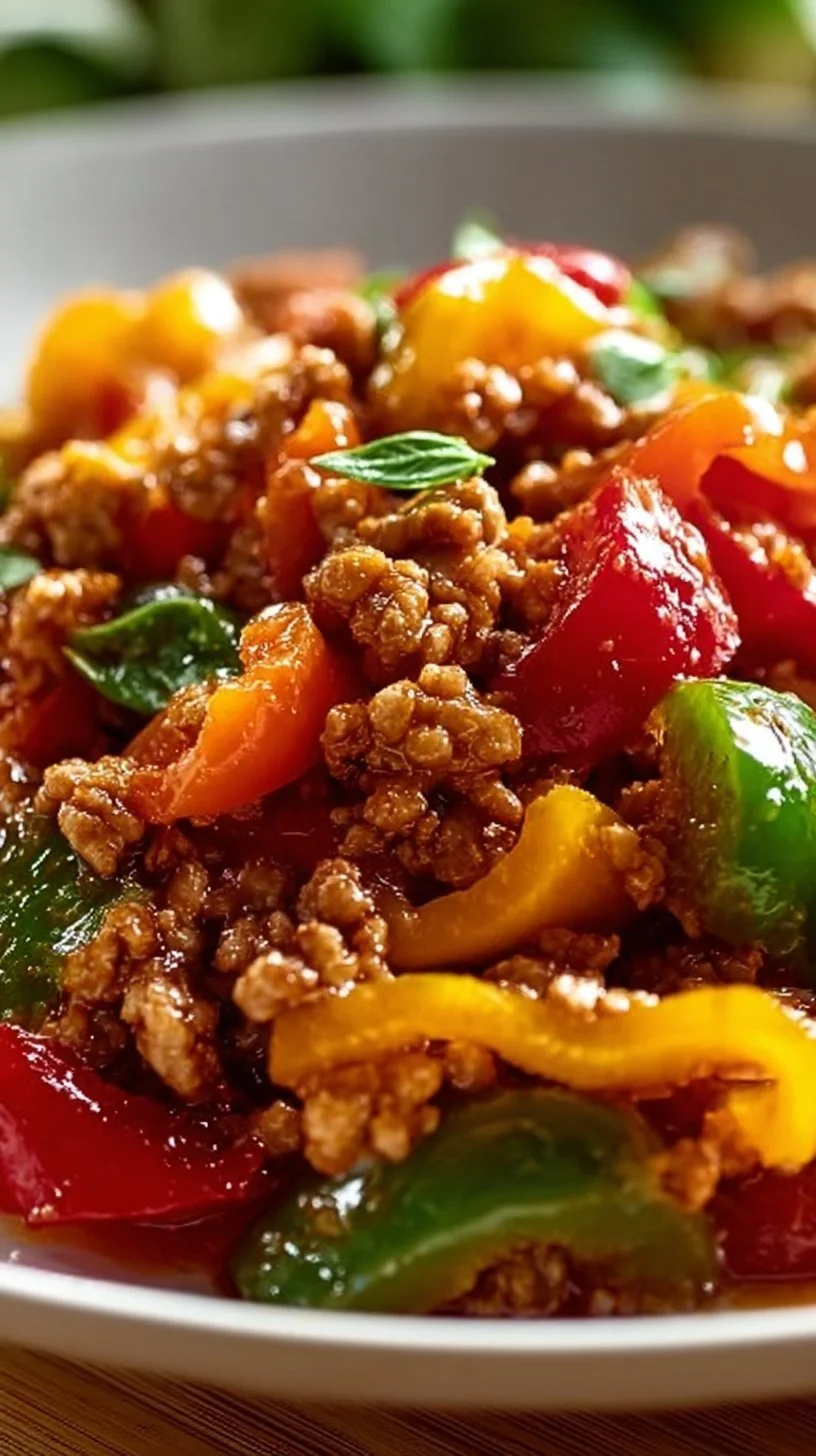
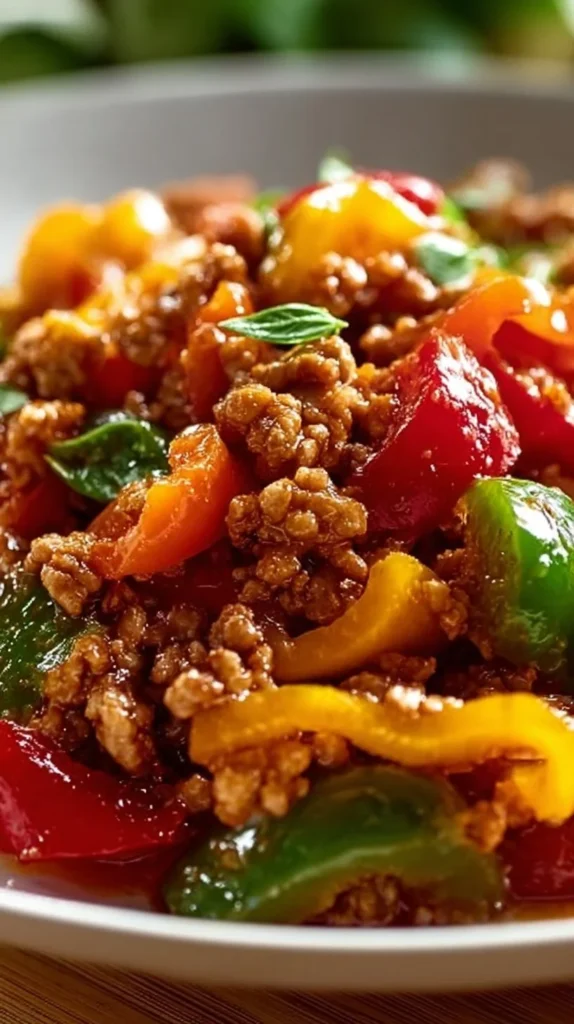
If you prefer a visual guide while you cook, watch how the pan changes: translucent onions, fragrant garlic, browned turkey bits, and vibrant softened peppers. Those cues will keep you on track without constant measuring or timing.
Also, if you like creamy, comforting one-pan meals occasionally, I often pair this skillet with quick sides like a simple rice or a creamy chicken-and-rice for a heartier spread (creamy chicken and rice).
Ingredients
1 lb ground turkey, 3 bell peppers (red, yellow, green), sliced, 1 small onion, diced, 2 garlic cloves, minced, 1 tablespoon olive oil, 2 tablespoons soy sauce, 1 tablespoon tomato paste, 1/2 teaspoon paprika, Salt and pepper to taste, Chopped fresh parsley for garnish (optional)
Each ingredient has a clear job:
- 1 lb ground turkey: The primary protein. Ground turkey cooks quickly and carries flavors well. It’s lean, so you get a lighter mouthfeel compared with fattier meats, but still a satisfying, meaty texture when browned properly.
- 3 bell peppers (red, yellow, green), sliced: Color, texture, and natural sweetness. Using a mix of colors gives visual appeal and a range of sweet notes as the peppers soften.
- 1 small onion, diced: A base building block. Onions mellow and sweeten as they cook, giving a savory backbone to the dish.
- 2 garlic cloves, minced: Aromatic punch. Garlic adds depth and helps unite the turkey and peppers without needing heavy sauces.
- 1 tablespoon olive oil: The cooking fat. A modest amount is enough to prevent sticking and to sauté aromatics, keeping the overall dish lighter than recipes that rely on large quantities of butter or oil.
- 2 tablespoons soy sauce: Salt and umami. Soy sauce acts as the seasoning layer, enriching the turkey and helping create a simple pan sauce.
- 1 tablespoon tomato paste: Concentrated tomato flavor and body. It adds a subtle tang and helps bind the flavors together.
- 1/2 teaspoon paprika: A warm, slightly smoky note. Paprika lifts the dish and complements the turkey without overpowering.
- Salt and pepper to taste: Finishes the dish. Use modestly and adjust at the end so you don’t oversalt early.
- Chopped fresh parsley for garnish (optional): Brightness at the end. A handful of parsley refreshes the plate and adds herbal contrast.
These are straightforward, intentional ingredients. The balance comes from combining lean protein with colorful vegetables and modest seasoning — not from eliminating foods, but from choosing how much and how you prepare them. If you want a simple vegetable-forward variation, a crisp salad on the side or sliced cucumber can lighten the plate further; I often pair this skillet with a creamy cucumber salad when I want a cool, crunchy counterpoint (creamy cucumber salad with bacon and cheese).
Directions
Heat olive oil in a large skillet over medium heat., Add diced onion and cook for 2 minutes, then add garlic and sauté for 30 seconds., Add ground turkey and cook until browned and no longer pink, breaking it up as it cooks., Stir in sliced bell peppers and cook for another 5 minutes until tender-crisp., Add tomato paste, soy sauce, paprika, salt, and pepper and stir to coat evenly., Simmer for 2–3 minutes, then remove from heat and garnish with parsley if desired.
Around these steps, here’s what I look for as I cook and how to keep things simple:
- After “Heat olive oil in a large skillet over medium heat.,” the oil should shimmer but not smoke. Medium heat gives steady browning without burning the aromatics. A nonstick or well-seasoned skillet makes the process forgiving.
- When you “Add diced onion and cook for 2 minutes, then add garlic and sauté for 30 seconds.,” watch for the onions to become translucent. Garlic cooks fast — the moment it becomes fragrant is the cue to move on, or it will brown and turn bitter.
- While you “Add ground turkey and cook until browned and no longer pink, breaking it up as it cooks.,” use a spatula to break meat into bite-sized pieces and let it sit briefly between stirs so it can brown. Browning creates little caramelized bits that add flavor and a satisfying texture contrast to the tender peppers.
- As you “Stir in sliced bell peppers and cook for another 5 minutes until tender-crisp.,” aim for peppers that are softened but still vibrant. They should give slightly when you press them with a spoon yet retain a touch of crunch — that keeps the overall dish lively.
- When you “Add tomato paste, soy sauce, paprika, salt, and pepper and stir to coat evenly.,” use the pan’s residual heat and a splash of any lean cooking liquid to help the paste loosen and coat ingredients. Taste before adding more salt; soy sauce contributes most of the saltiness.
- For the final “Simmer for 2–3 minutes, then remove from heat and garnish with parsley if desired.,” the simmer is brief — it’s about marrying flavors, not stewing. Garnish fresh to add a final pop of color and brightness.
Avoid overcomplicating the process: keep the pan moving at each transition, use your senses as guides, and don’t be afraid to taste and adjust at the end.
The role of preparation in keeping this dish light
How you cook impacts how heavy a meal feels. Quick sautéing keeps vegetables bright and prevents them from turning into a mushy, heavy base. Browning the turkey rather than simmering it endlessly gives texture and the satisfying bite people miss when they expect “hearty” food. Minimal added fat and a short simmer at the end mean the flavors concentrate without creating a thick, rich sauce that would weigh the dish down.
Technique also affects satisfaction. Breaking the turkey into small pieces and achieving those browned edges creates contrast with the tender peppers. That contrast — soft and crisp, savory and sweet — is what makes a lighter dish feel complete on the plate. Likewise, finishing with a bright herb like parsley or a squeeze of lemon (if you have it on hand, though not listed in the ingredients) lifts flavors and reduces the need for heavy seasonings.
Small prep habits matter: slice peppers evenly so they cook uniformly, mince garlic finely so it distributes, and keep a clean work surface so you can move efficiently from step to step. Those practical choices mean less passive cooking time and a fresher result.
Simple ways to adjust without losing balance
You can tailor this recipe subtly without changing its core structure:
- Add texture: Fold in a handful of toasted nuts or seeds at the end, or sprinkle with feta for a tangy finish. These add satisfaction without making the dish heavy.
- Heat it up: A pinch of red pepper flakes or a small sliced jalapeño introduced with the peppers brings brightness and warmth without altering portions.
- Change the rice/grain pairing: Serve over a small portion of farro or barley for chew and fiber, or keep it lighter with a bed of greens or cauliflower rice. The protein-to-veg ratio stays the same; only the base changes.
- Sauce accents: A drizzle of yogurt mixed with lemon and herbs on the side can offer creaminess without a heavy sauce in the pan.
- Family-style tweaks: If someone prefers more veg, stir in chopped zucchini or spinach at the end — they cook quickly and add volume. If you want a little more richness on occasion, a small pat of butter stirred in at the end will round the flavors.
All of these are conceptual tweaks — none change the listed ingredients or explicit steps. They let you personalize portions and textures while keeping the overall meal balanced and approachable.
Pairing ideas for a complete, well-rounded meal
Think texture and temperature when pairing: warm and soft from the skillet, crisp and cool from a salad, and maybe a starchy element for those who feel they need it.
- Light sides: A simple green salad with a lemony vinaigrette, sliced cucumbers, or a quick cabbage slaw all add crunch and freshness.
- Grain bases: Brown rice, quinoa, or a modest scoop of polenta make the meal heartier without overindulging. They also soak up the pan juices nicely.
- Bread: A slice of whole-grain bread or a warm flatbread offers familiarity and comfort without excess.
- Contrasting flavors: Pickles, quick-pickled red onions, or a cucumber salad provide tang that cuts through the savory notes and keeps the meal lively.
- Cooling dairy: A small dollop of plain yogurt or labneh on the side gives creaminess and a cooling balance, especially if you add a bit of heat to the skillet.
Aim for a plate that mixes textures and keeps portions sensible: a palm-sized portion of the turkey and peppers, a scoop of grain or a generous salad, and one cool element to finish.
Storage, leftovers, and next-day enjoyment
This skillet stores very well. Cool it to room temperature, then transfer to an airtight container and refrigerate for up to 3–4 days. If you plan to keep it longer, freeze in a shallow container for up to 2 months.
Reheating tips:
- Stovetop: Reheat over medium-low heat with a splash of water or broth to bring back moisture and revive the flavors. Stir occasionally to warm evenly.
- Microwave: Cover loosely and heat in short intervals, stirring between bursts to prevent drying.
- Add fresh: A sprinkle of fresh parsley, a squeeze of lemon, or a scattering of fresh diced tomatoes after reheating refreshes the dish and restores brightness.
Leftovers are great as a quick lunch, a filling for wraps or bowls, or tucked into an omelet for a weekend breakfast. Because the peppers retain some texture, the dish rarely becomes heavy after refrigeration — it reheats cleanly.
Common questions about lighter everyday cooking
- How much should I serve? Aim for a balanced plate: about one palm-sized portion of protein per person paired with a generous portion of vegetables and a smaller serving of grains if desired. Adjust based on activity level and appetite.
- Can I double the recipe for meal prep? Yes — scale the ingredients and use a wide, shallow pan if possible to keep browning consistent. Cool quickly and portion into containers.
- Will the peppers get soggy if I make this ahead? Slightly, but not unappealingly so. To preserve crispness, you can undercook the peppers by a minute if you plan to reheat; they’ll finish cooking when reheated.
- How do I keep things interesting when repeating meals? Rotate sides, add one different herb or condiment each time, or vary the base grain. Small changes keep the meal feeling new without altering the core recipe.
- Is lean meat always the lighter choice? It often is in terms of fat and mouthfeel, but technique matters as much as the cut. Browning and seasoning a lean protein properly gives satisfaction equal to richer meats with fewer heavy additives.
Final thoughts from Daniel
This Ground Turkey and Peppers recipe is a reminder that everyday cooking can be simple, nourishing, and flavorful without being complicated. It rewards small, mindful choices — a good sauté, attentive browning, and a few thoughtful seasonings — more than long ingredient lists or elaborate steps. It’s the kind of recipe you can rely on, adapt subtly, and return to again when you want a meal that feels lighter but still comforting.
If you cook it a few times, you’ll find the rhythm: build flavor from aromatics, develop texture by browning the turkey, and finish with bright vegetables. That rhythm is what keeps meals satisfying across seasons and weeknights.
Conclusion
If you’d like variations that keep the same homey spirit while exploring different palettes, I recommend looking at a classic take on a similar pairing in Mom’s Ground Turkey and Peppers – Simply Recipes for inspiration on family-style flavors, or a skillet approach that focuses on unstuffed pepper notes in Unstuffed Pepper Skillet with Ground Turkey – Wholesomelicious.
Ground Turkey and Peppers
Ingredients
Method
- Heat olive oil in a large skillet over medium heat.
- Add diced onion and cook for 2 minutes, then add garlic and sauté for 30 seconds.
- Add ground turkey and cook until browned and no longer pink, breaking it up as it cooks.
- Stir in sliced bell peppers and cook for another 5 minutes until tender-crisp.
- Add tomato paste, soy sauce, paprika, salt, and pepper and stir to coat evenly.
- Simmer for 2–3 minutes, then remove from heat and garnish with parsley if desired.