Healthy Turkey Wrap Recipe – Easy Wrap Recipes
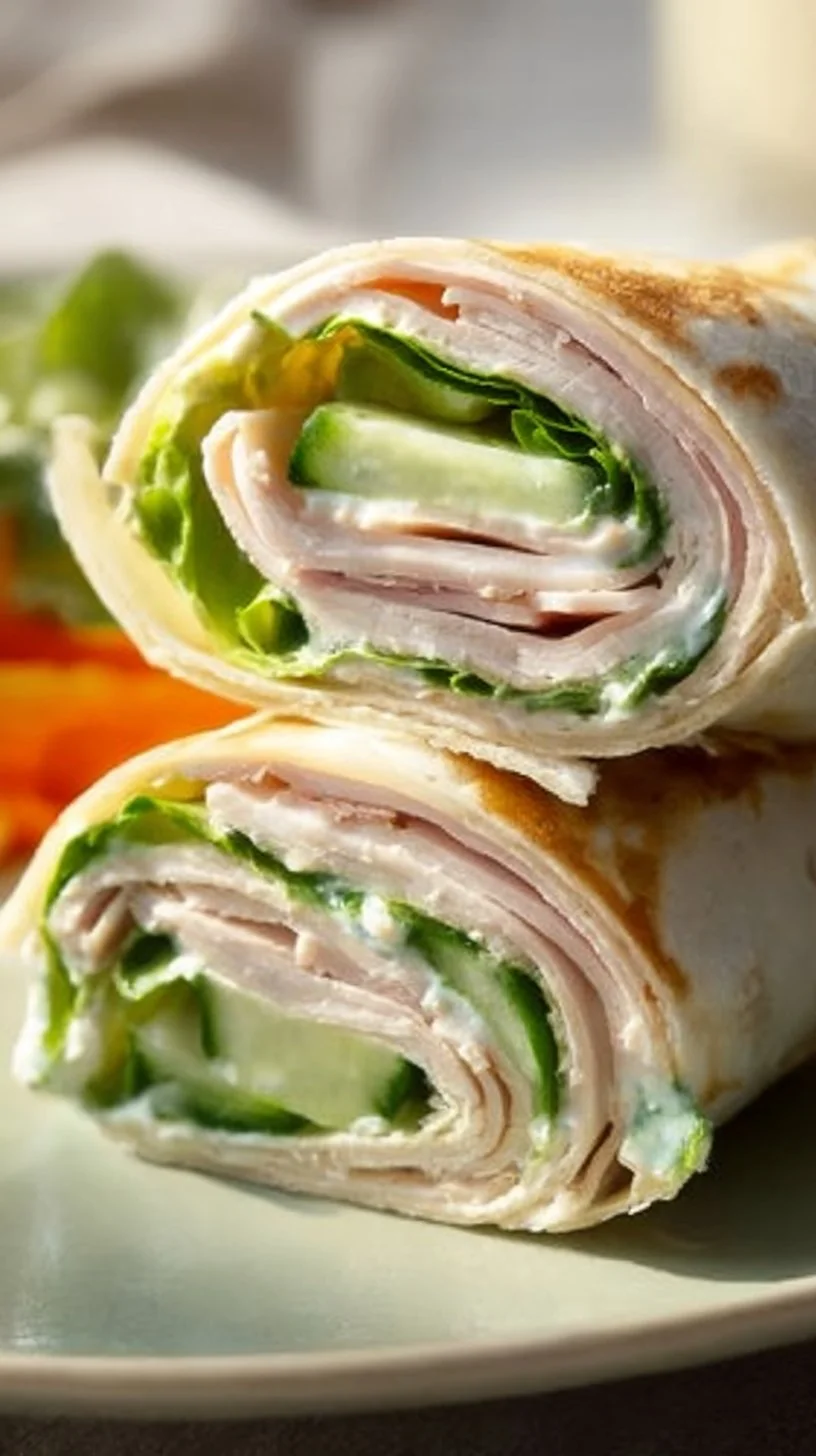
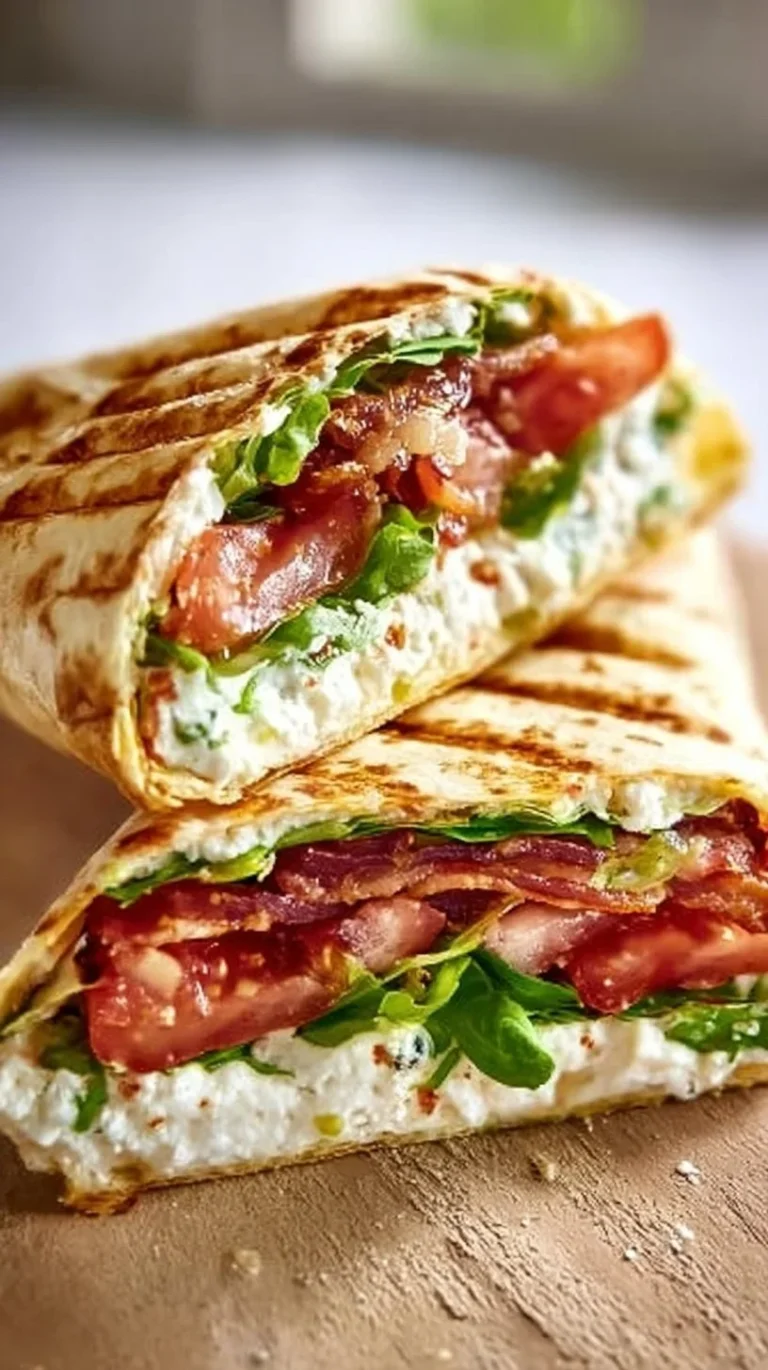
This Healthy Turkey Wrap Recipe is the kind of meal I reach for when I want something that feels both light and satisfying — the kind of lunch or quick weeknight dinner that doesn’t require a lot of thought but still tastes like a real meal. It works because it balances lean protein, fresh vegetables, and a flavorful spread wrapped up in a handheld format that’s easy to assemble and easy to eat. That simplicity makes it perfect for weekday lunches, quick family dinners, or prepping a few wraps ahead for busy days.
If you’re looking for more straightforward, fuss-free ideas to rotate through the week, I also turn to other collections of easy recipes that use the same mindset: sensible ingredients, minimal steps, and satisfying results.
How this recipe fits into a balanced lifestyle
This wrap hits a few practical notes that make it a reliable part of a balanced routine. It centers on lean turkey for steady protein, a selection of fresh vegetables for crunch and volume, and a small amount of a flavorful binder (like a spread or dressing) to pull everything together. The result is a meal that fills you up without feeling heavy because it emphasizes volume from vegetables and lean protein rather than excess fats or dense carbohydrates.
Balanced doesn’t mean strict. It’s about choosing combinations that let you enjoy your food while keeping portions and textures in sync — a wrap like this is easy to pair with a small side salad or a piece of fruit, and it’s flexible enough to adjust to your appetite and schedule. If you prefer morning-to-midday meals that keep you moving, consider pairing the wrap’s approach with other simple ideas from my collection of breakfast recipes that also favor straightforward prep and good flavor.
How to make Healthy Turkey Wrap Recipe – Easy Wrap Recipes
At its heart, this recipe is about a short, sensible flow: lay out your wrap, add a spread, pile on the turkey and vegetables, season, and roll. That’s the basic rhythm — minimal steps and plenty of room to personalize.
Where simplicity matters most is in the assembly. Keep your ingredients prepped and within reach: slice your vegetables to similar sizes so each bite is balanced; pick a spread with purpose (something tangy for brightness, or creamy for comfort); layer ingredients so the wetter elements don’t soak the wrap too early. Approaching it without overthinking makes the whole process calm and repeatable — you’ll be able to assemble a satisfying wrap in 5–10 minutes once everything is ready.
For more ideas on how to translate this same quick approach into other meals, I often look at approachable main-course ideas in this selection of dinner recipes.
Ingredients
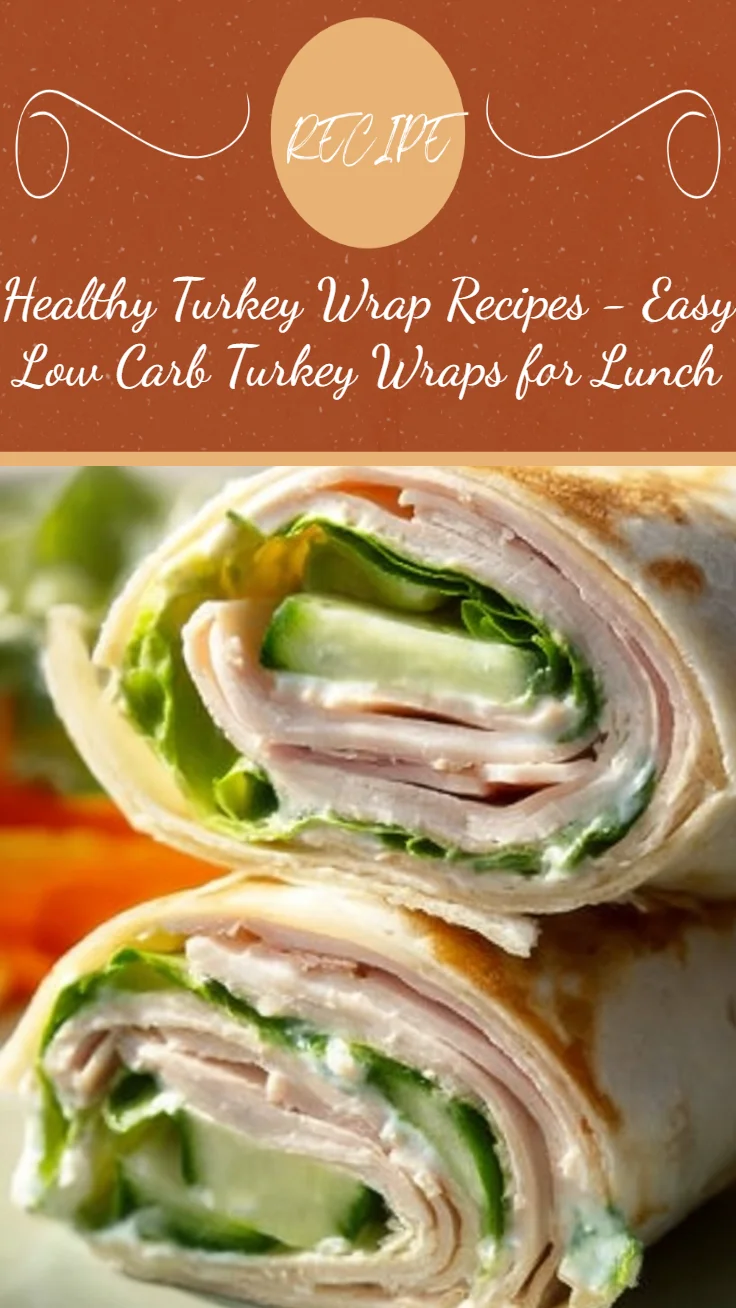
Even though each cook will have their own preferred version, the components you typically find in a healthy turkey wrap each serve a clear purpose:
- Lean turkey (sliced or shredded): Provides the primary source of protein, giving the wrap substance and staying power. Because turkey is mild, it pairs well with brighter flavors and seasonings.
- Tortilla or flatbread: Acts as the vehicle — choose a wrap with the texture you like (whole-grain for extra fiber, or a thin soft tortilla for a lighter mouthfeel). The wrap’s pliability affects how easy it is to roll and how the filling sits.
- Leafy greens (lettuce, spinach, or arugula): Add volume, freshness, and a crisp bite that keeps the wrap feeling light.
- Crunchy vegetables (cucumber, bell pepper, shredded carrot): Offer texture contrast so the sandwich doesn’t rely only on soft elements.
- Creamy element or spread (hummus, yogurt-based dressing, or a light spread): Binds ingredients together and delivers flavor without needing heavy mayonnaise. A little goes a long way for satisfaction.
- Herbs, acid, and seasoning (lemon, vinegar, salt, pepper): Create balance and lift. Bright acidic notes are especially effective at preventing the wrap from tasting dull.
- Optional add-ins (cheese, avocado, pickles): These items add richness or tang. Used sparingly, they enhance satisfaction without making the wrap overly heavy.
Thoughtful ingredient choices matter because they determine the wrap’s trajectory: more crunchy vegetables and acidic components keep it lively; richer spreads and cheeses make it more indulgent. The goal here is balance achieved through combination, not restriction — pick a couple of elements from each category (protein, crunch, greens, binder, and brighteners) and you’ll have a composed wrap that feels both clean and comforting.
Directions
Below are supportive notes to go alongside the straightforward steps you’ll follow. These tips help you avoid overcomplicating the process while ensuring the wrap comes together properly.
- Prep first, assemble second: Lay out all the fillings before you start building. That way you’re not wrestling with a wrap while trying to slice or measure. Prepping ingredients in advance makes assembly calm and quick.
- Spread strategically: Apply your spread or dressing in a thin, even layer across the wrap, leaving a small border so it doesn’t squeeze out when rolling. This keeps the wrap neat and prevents sogginess.
- Layer for texture: Start with greens as the base so they act as a barrier between the wrap and wetter ingredients. Add turkey next, then the crunchy vegetables, and finish with small amounts of creamy or acidic elements. This order helps each bite include contrasting textures.
- Season each layer lightly: A little salt, pepper, or a squeeze of lemon on the turkey and veggies elevates the overall flavor. It’s easier to build a balanced taste by seasoning components individually rather than only at the end.
- Roll with purpose: Fold in the sides, then roll tightly from one end to create a compact cylinder. For a sturdier result, warm the tortilla briefly (a dry skillet for 10–15 seconds per side) — warmth makes the wrap more pliable and less prone to tearing.
- Watch for balance, not perfection: The sign a wrap is coming together properly is consistency in each bite — you should taste protein, crunch, and binder together. If one element dominates, tweak quantities next time.
These supportive cues are meant to guide how you follow the recipe’s directions without adding unnecessary steps. Keep the workflow simple and thoughtful, and the wrap will reward you with good texture and flavor.
The role of preparation in keeping this dish light
How you prepare components affects heaviness and satisfaction more than many people realize. A few small technique choices keep the wrap feeling fresh:
- Crisp vegetables instead of cooked ones: Raw or lightly dressed vegetables contribute volume and crunch without adding density. They help your plate feel larger and more satisfying for fewer calories.
- Thin, even spreads: A thin smear of a flavorful spread can provide the same satisfaction as a heavy dollop but with less weight.
- Slight warming of the wrap: Briefly warming the tortilla makes it more flexible and enhances the overall mouthfeel, which often feels more comforting without adding richness.
- Mindful layering: Keeping wetter ingredients away from the inner surface of the wrap until you’re ready to eat preserves texture. If you’re making wraps to pack, contrast the ingredients so they hold up longer (greens next to the wrap, wetter items in the center).
Technique matters as much as ingredients because it controls texture and the timing of how flavors meet. Small choices — like slicing vegetables thinly for even distribution or seasoning in layers — influence whether the final meal feels light and composed or muddled and heavy.
Simple ways to adjust without losing balance
If you want to personalize the wrap, there are gentle swaps that keep the dish true to its lighter, flavor-forward intention:
- Swap the spread: Trade a creamy spread for something tangy (mustard or a yogurt-herb spread) to brighten flavors while keeping moisture.
- Change the greens: Peppery arugula adds bite and reduces the need for heavy seasonings; spinach offers a milder profile that lets other flavors shine.
- Add one rich element, not several: If you love avocado or cheese, include a modest amount rather than multiple rich items. One small addition provides the satisfaction of richness without tipping the meal into heaviness.
- Use a flavored wrap sparingly: A whole-grain or herb-infused wrap can add aroma and interest — but choose it consciously if you’re also including rich spreads.
- Adjust portion size: If you’re serving the wrap alongside a hearty salad or soup, consider making slightly smaller wraps. Balance is about the whole meal, not just the sandwich.
These conceptual adjustments let you adapt to tastes or occasions without changing the core recipe or complicating prep.
Pairing ideas for a complete, well-rounded meal
A wrap like this pairs well with light sides that add texture, color, and a little extra nutrition without overwhelming the meal:
- Crisp salad: A simple green salad with a vinaigrette keeps the plate fresh and adds leafy volume.
- Vegetable soup or broth-based soup: A warm, clear soup provides comfort and complements the handheld wrap without duplicating textures.
- Fresh fruit or a small fruit salad: Adds natural sweetness and brightens the meal.
- Pickles or quick-pickled vegetables: A little acidity cuts through the richness of any creamy components and provides a satisfying contrast.
- Roasted sweet potato wedges: If you want something a touch heartier, oven-roasted sweet potato spears offer warmth and substance without heaviness when served in moderation.
Try to compose a plate where textures and flavors contrast: crunchy vs. soft, bright vs. savory. That keeps the meal satisfying and naturally balanced.
For ideas on desserts or treats to enjoy occasionally after a meal like this, I keep a list of approachable dessert recipes that finish a meal simply and thoughtfully.
Storage, leftovers, and next-day enjoyment
Wraps can be a great make-ahead option, but a few storage practices help them stay enjoyable:
- Store components separately when possible: Keeping wetter items apart from the wrap (or storing spreads on the side) preserves texture if you plan to eat the wrap later.
- Use airtight containers: Wraps or components stored in airtight containers in the refrigerator will keep for a couple of days; turkey and fresh vegetables hold up well for 2–3 days when chilled promptly.
- Reheat mindfully: If you want the wrap warm, reheat briefly in a skillet or a low oven wrapped in foil. Avoid microwaving wrapped sandwiches for long periods, which can make the bread soggy and the vegetables limp.
- Refresh before serving: A quick squeeze of lemon, a sprinkle of fresh herbs, or a fresh leaf of lettuce can revive a refrigerated wrap and restore some brightness.
Leftovers work well when you plan for them — pack spreads on the side and assemble just before eating for the best texture.
Common questions about lighter everyday cooking
- How should I balance portions? Aim for a plate that feels satisfying: roughly half vegetables or salad, a quarter protein (like turkey), and a quarter carbohydrate (the wrap). Adjust based on personal appetite and activity level.
- Can I prep these for weekday lunches? Yes — prep fillings in advance and store separately. Assemble in the morning for the freshest texture, or wrap tightly if you must assemble the night before.
- Won’t I get bored eating wraps often? Vary the spreads, greens, and add-ins to keep things interesting. Even small changes — swapping hummus for a yogurt-herb spread or adding pickled onions — refresh the flavor without adding complexity.
- How do I make lighter meals feel satisfying? Focus on texture contrast and flavor intensity: a bright acid, a crunchy element, and a salty or umami note make a meal feel complete even when it’s lighter overall.
Final thoughts from Daniel
This Healthy Turkey Wrap sits comfortably between convenience and nourishment. It’s straightforward to prepare, easy to customize, and reliably satisfying because it balances lean protein, fresh produce, and a thoughtful binder. Cooking intuitively — adjusting textures and flavors to what you enjoy — will help you keep this wrap in regular rotation without feeling boxed into a single version.
Balance is flexible: a little richness here, a little extra brightness there, and you’ll have a meal that supports the rhythm of everyday life. Try it, make small adjustments to suit your tastes, and let it be a practical, calming option for busy days and relaxed evenings alike.
Conclusion
If you want a variation that leans into creamy textures and California flavors, this California turkey club wrap is a well-balanced option to explore. For a straightforward how-to that inspired this style of sandwich assembly, the original Healthy Turkey Wrap Recipe offers a clear, practical example. And if you’re looking for another home-cook’s take with helpful tips and variations, check out this Turkey Wrap Recipe for additional ideas.
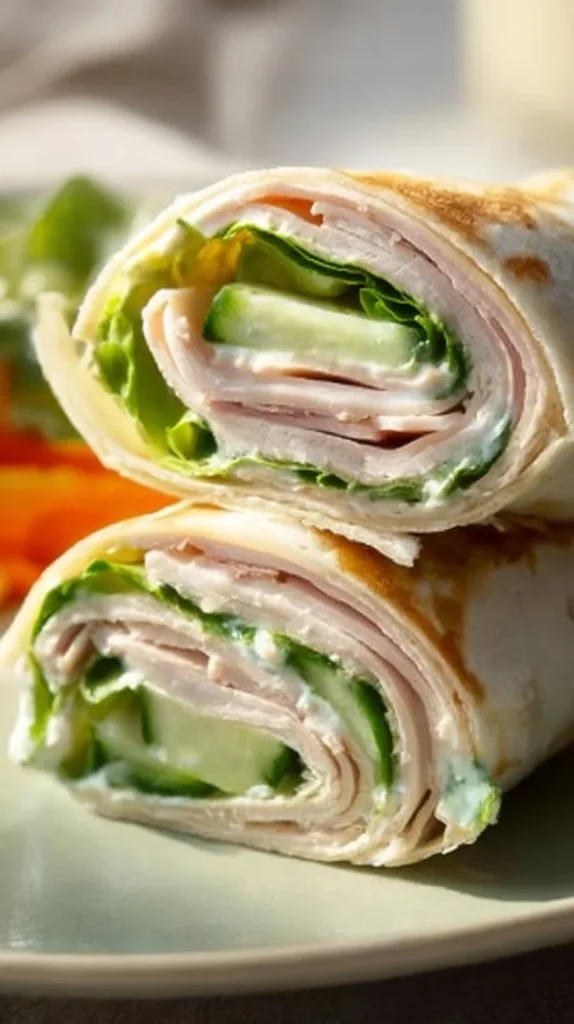
Healthy Turkey Wrap
Ingredients
Method
- Lay out all ingredients before you start assembling.
- Spread your chosen spread evenly across the tortilla, leaving a border to prevent spillover.
- Start layering with leafy greens, followed by turkey, crunchy vegetables, and finishing with optional creamy spread.
- Lightly season each layer with salt, pepper, or lemon.
- Fold in the sides of the tortilla and roll tightly from one end to create a compact wrap.
- Optionally, warm the tortilla briefly to make it more pliable.