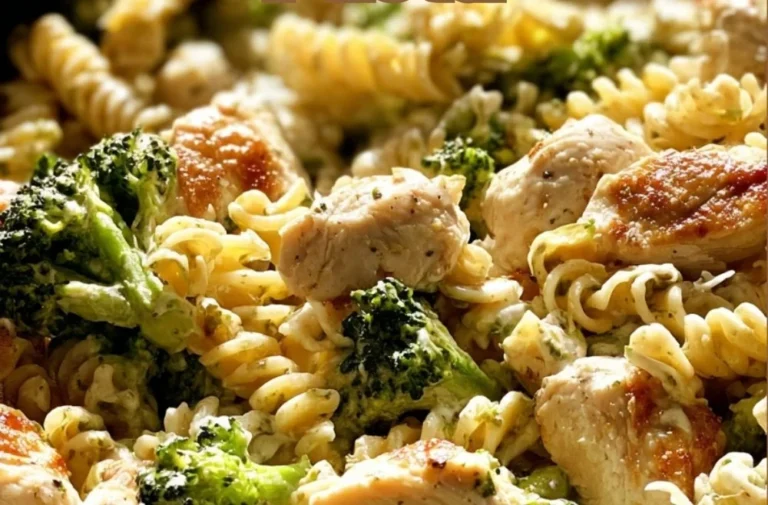
Keto Hamburger Broccoli Skillet
Introduction
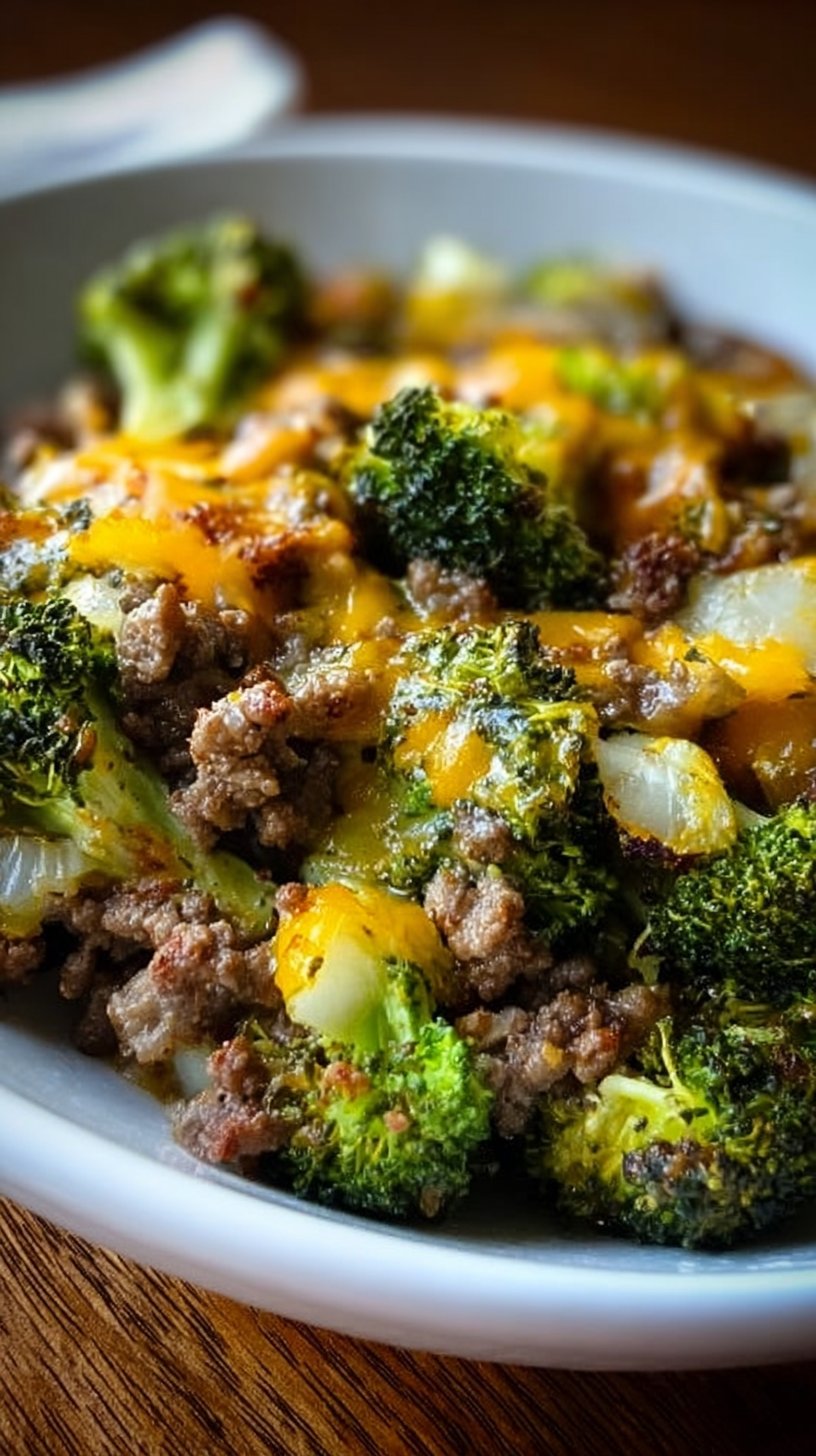
This Keto Hamburger Broccoli Skillet is the kind of dinner I turn to when I want something straightforward, flavorful, and comfortable without feeling heavy. It balances familiar ingredients — ground beef, crisp-tender broccoli, and melty cheddar — in a single pan, which makes it practical for weeknight cooking and easy enough to repeat the next week without boredom. I like meals that reward simple technique: a good sear on the beef, a brief steam for the broccoli, and a touch of cream and cheese to bring the whole dish together. Those small, intentional steps preserve texture and make the meal satisfying without overfilling the plate.
If you enjoy skillet dinners that come together quickly and clean up just as fast, this fits naturally beside other one-pan favorites. For a different protein or to switch the flavor profile occasionally, you might explore a vegetarian take like a high-protein vegetarian taco skillet — the rhythm of a single-pan meal is the same, and once you’re comfortable with that rhythm, you’ll find it easy to adapt week to week. This recipe especially works well for busy evenings, for packing into lunch containers, or as a repeatable rotation when you want dinner to feel nourishing and uncomplicated.
How this recipe fits into a balanced lifestyle
This dish is about balance by design: portions are centered around a solid protein, a generous vegetable, and a modest amount of dairy for creaminess. That combination gives a sense of fullness and comfort while keeping the plate focused and not overloaded. The idea isn’t to be strict; it’s to make choices that leave you energized and content. Using broccoli as the main vegetable keeps the plate bright and fresh, while the ground beef provides savory depth that makes the meal feel satisfying.
In a weekly routine, this skillet can be a foundation — pair it with a simple salad one night, spoon it over cauliflower rice the next, or serve it with roasted squash when you want a more substantial side. If you’re planning meals, consider alternating richer, cozy dinners with lighter, vegetable-forward nights. For inspiration on how to mix proteins and flavors while keeping things practical, a dish like the low-carb steak fajita bowl can sit comfortably on the same rotation as this skillet: both prioritize straightforward prep and flavors that feel familiar and satisfying.
How to make Keto Hamburger Broccoli Skillet
At its heart this recipe follows a simple flow: brown the beef, sweat aromatics, add the broccoli to pick up pan flavors, season, steam briefly, then finish with cream and cheese. The simplicity matters because it keeps the cooking focused on texture and seasoning rather than complicated technique. You’ll move mostly between medium and low heat — medium to build color on the beef and soften the onion, low to gently thicken the cream and melt the cheddar.
Where to keep things simple: don’t over-chop the beef or broccoli; a little variation in size helps with texture. Resist the urge to rush the browning step — the browned bits are flavor. Where to be deliberate: timing for the broccoli — you want it tender yet still crisp. Think of the recipe as a sequence of small wins rather than a list of strict rules. If you prefer a different quick-cook green, the same flow applies: brown, aromatize, add the green, steam, finish with cream and cheese. For another skillet that follows a related rhythm and seasoning approach, try the southwestern ground beef sweet potato skillet to see how similar techniques yield different personalities on the plate.
Ingredients
1 pound ground beef, 3 cups broccoli florets, 1 medium onion, diced, 2 cloves garlic, minced, 1 tablespoon olive oil, 1 teaspoon salt, 1/2 teaspoon black pepper, 1/2 teaspoon garlic powder, 1/2 teaspoon onion powder, 1 cup shredded cheddar cheese, 1/4 cup heavy cream, 1 tablespoon Worcestershire sauce (optional), 1/4 teaspoon red pepper flakes (optional, for a spicy kick)
Each ingredient plays a clear role:
- 1 pound ground beef: The primary protein and source of savory, beefy flavor. When browned well, it creates the browned bits (fond) that the broccoli and cream pick up, adding depth without needing extra sauces.
- 3 cups broccoli florets: The fresh, crunchy counterpoint to the beef. Broccoli brings volume, fiber, and a bright texture that keeps the skillet from feeling heavy. Cooked until just tender, it retains structure and contrast.
- 1 medium onion, diced: Adds sweetness and aromatic complexity once softened. The small dice disappears into the mix while lending a subtly sweet base.
- 2 cloves garlic, minced: A quick hit of savory aroma that amplifies all the other flavors. Garlic cooks fast, so it’s added with the onion to avoid burning.
- 1 tablespoon olive oil: A neutral cooking fat to help brown the beef and soften the onion. A little oil protects the pan and carries flavor.
- 1 teaspoon salt and 1/2 teaspoon black pepper: The basic seasoning that brings out the natural flavors of beef and broccoli. Salt is the ingredient that makes everything taste like itself.
- 1/2 teaspoon garlic powder and 1/2 teaspoon onion powder: A gentle boost that rounds out the aromatics without adding extra chopping or cooking time. They layer with the fresh garlic and onion.
- 1 cup shredded cheddar cheese: Adds creamy, melty richness and familiar comfort. A modest amount is enough to make the dish indulgent without overwhelming.
- 1/4 cup heavy cream: Helps bind the skillet together and creates a silky mouthfeel. Use it sparingly so the dish stays lush but not overly heavy.
- 1 tablespoon Worcestershire sauce (optional): A small splash adds umami and a hint of tang that deepens the beef flavor. It’s optional because the dish is fine without it, but it’s a useful tool when you want extra savoriness.
- 1/4 teaspoon red pepper flakes (optional, for a spicy kick): A tiny sprinkle brings background heat. Adjust to taste; the point is a subtle lift, not full-on spice.
Choosing simple, familiar ingredients keeps the recipe approachable. Each element contributes to texture and flavor so you don’t have to pile on extras to feel satisfied — balance comes from how those elements work together.
Directions
In a large skillet, heat olive oil over medium heat until shimmering. Add the ground beef, breaking it apart with a spatula into small crumbles. Cook, stirring occasionally, until the beef is deeply browned and no longer pink, about 6–8 minutes., Once the beef has developed a golden crust, push it to one side of the skillet. Add the diced onion and minced garlic to the empty space. Cook for about 3 minutes, stirring occasionally, until the onion becomes translucent and the garlic turns fragrant., Stir in the broccoli florets, tossing them gently with the beef mixture so they’re evenly distributed. Let them sauté for a minute to pick up those beefy juices., Season everything with salt, black pepper, garlic powder, and onion powder. Use a wooden spoon to stir thoroughly, ensuring every piece is evenly coated in seasoning., Cover the skillet with a tight-fitting lid and allow the mixture to cook for 5–7 minutes, or until the broccoli is tender yet still crisp. Check halfway through and stir gently to maintain even cooking., Reduce the heat to low. Pour in the heavy cream and stir gently to combine, scraping up any browned bits from the bottom of the pan. The cream should thicken slightly as it warms., Sprinkle the shredded cheddar cheese evenly over the top of the beef and broccoli. Cover the skillet again and let it cook for 2–3 minutes, until the cheese is fully melted and gooey., If you’re using Worcestershire sauce and red pepper flakes, drizzle and sprinkle them over the melted cheese. Give everything one final gentle stir to incorporate that extra layer of flavor., Remove the skillet from heat and serve hot, straight from the pan.
Supportive guidance for the steps:
- Browning the beef: Look for a deep, even brown rather than just a change in color. That browning is the foundation of flavor. If the pan seems dry, a splash of oil is fine, but too much will prevent a good sear.
- Moving the beef aside for the aromatics: This keeps the onions and garlic from stewing in liquid and allows them to sweeten gently. If your pan is crowded, push the meat or briefly lift it out so the onion can get some contact with the hot surface.
- Adding broccoli: Toss it to coat in the rendered beef fat — that’s where much of the flavor transfers. Let it sit for a minute before stirring so it can pick up some color and caramelized flavor.
- Steaming under the lid: This is the moment when broccoli becomes tender but retains some bite. Check at five minutes; if your florets are very small they may be done sooner.
- Finishing with cream and cheese: Pour the cream in at low heat and give it a chance to warm and thicken; that prevents separation. Covering briefly with the cheese on top creates a melty blanket that makes each bite feel cohesive.
- Final stir and seasoning: Taste before and after you add Worcestershire or red pepper flakes. Those are optional final layers — a little lift if you want more depth or heat.
Keep the process relaxed: this is a forgiving recipe. Watch texture more than time, and you’ll end up with a skillet that feels comforting and balanced.
The role of preparation in keeping this dish light
How you cook the ingredients matters as much as what you cook. Browning adds flavor without adding extra fat; a quick steam under a lid cooks broccoli through without making it soggy; finishing with a small amount of cream and cheese adds satisfaction without weighing the dish down. Those are technique choices that preserve brightness and texture.
Small prep habits make a difference: cut broccoli into similarly sized florets so they cook evenly; dice the onion small enough to soften quickly; measure the cream and cheese to avoid an over-rich finish. These small attentions keep the meal feeling light because each component contributes a measured sensory role rather than competing for dominance. Ultimately, the goal is a composed plate where flavor, texture, and portion are in gentle balance.
For more ideas on how a single-pan approach can be used across proteins and preparations while keeping things feeling fresh, you might glance at a contrasting skillet like the Tuscan turkey and white bean skillet, which uses similar technique for a different textural and flavor outcome.
Simple ways to adjust without losing balance
You can personalize this skillet in straightforward ways while keeping the core intact:
- Increase the vegetable ratio: Add more broccoli or toss in quick-cooking greens at the end for volume without heaviness.
- Make it creamier or lighter: Use a bit less cream and a touch more cheese for richness, or reduce the cream and add a squeeze of lemon just before serving for brightness.
- Add a flavor twist: A teaspoon of Dijon or a splash of soy-based sauce (like Worcestershire already suggested) deepens flavor without adding bulk.
- Heat level: If you want more warmth, increase the red pepper flakes gradually — a pinch can be more satisfying than a lot.
None of these changes require altering the structure of the recipe; they’re about proportion and timing. The key is to think in layers: texture first, primary flavor second, finishing elements last.
Pairing ideas for a complete, well-rounded meal
This skillet is a satisfying one-pan meal on its own, but if you want to round it into a fuller plate, pick sides that add contrast without doubling richness:
- A crisp green salad with lemon vinaigrette: adds refreshing acidity and crunchy contrast.
- Simple roasted root vegetables: if you want something warmer and earthier, roast thinly sliced carrots or parsnips for a sweet counterpoint.
- Cauliflower rice or a small scoop of brown rice: for extra bulk, keep the portion modest to maintain balance.
- Quick pickled cucumbers or a cabbage slaw: a tangy, crunchy side brightens the skillet and cuts through the creaminess.
Think in terms of contrast: soft versus crunchy, rich versus acidic, warm versus crisp. That makes the plate feel complete without excess.
Storage, leftovers, and next-day enjoyment
This skillet stores well. Transfer cooled leftovers to an airtight container and refrigerate for up to 3–4 days. When you reheat, do so gently: warm in a skillet over low heat with a splash of water or broth to loosen the sauce and revive the texture. Microwaving works in a pinch; add a teaspoon of water or creamso it doesn’t dry out and stir midway.
If you plan to freeze, portion into freezer-safe containers and use within 2 months. Thaw overnight in the refrigerator before reheating. Note that broccoli can soften after freezing and thawing, so the texture will be different; frozen storage is fine for meal prep but best reserved for when texture isn’t the primary concern.
Leftovers also make a good filling for lettuce cups or a warm topping for roasted squash — two ways to refresh the meal without extra effort.
Common questions about lighter everyday cooking
Q: How much should one portion be?
A: A sensible portion depends on your appetite and activity level. Aim for roughly one-quarter to one-third of the pan per person with a side salad for a balanced, satisfying plate.
Q: How do I avoid the meal feeling repetitive if I make it often?
A: Change the finishing touches: switch the cheese, add herbs at the end, or serve with different sides. Small changes in condiment and accompaniment go a long way.
Q: Can I use a different cut or type of meat?
A: Yes — ground turkey or a mix of pork and beef will work the same way; adjust browning time as needed. The cooking flow stays consistent: brown, aromatize, add veg, steam, finish.
Q: How can I make this more vegetable-forward?
A: Increase the broccoli, add a second quick-cooking vegetable (like sliced zucchini), or serve over a base of greens. The method supports that without changing the core recipe.
Q: Is portion control necessary to keep the meal light?
A: It’s more about balance than restriction. Pair the skillet with a bright salad or vegetable side, and listen to hunger cues rather than imposing strict rules.
Final thoughts from Daniel
Cooking this Keto Hamburger Broccoli Skillet is a quiet practice in choosing satisfying flavors and sensible proportions. It’s forgiving, practical, and reliable — a recipe that fits into an everyday life where meals are meant to support energy and enjoyment, not perfection. Approach it with calm confidence: brown well, respect the broccoli’s texture, and finish with small but meaningful touches like cream and cheese. You’ll find it’s easy to make this dish feel new from week to week with simple tweaks and different accompaniments.
Conclusion
If you want more one-pan ideas that riff on beef and broccoli, I also like the approach in Low Carb Cheesy Beef and Broccoli Rice Skillet for another way to balance creaminess and vegetables. For a quick weeknight alternative that leans on the same flavor anchors, the recipe at Keto Beef and Broccoli (only 10 minutes!) offers useful technique notes you can borrow when you’re short on time.
Keto Hamburger Broccoli Skillet
Ingredients
Method
- In a large skillet, heat olive oil over medium heat until shimmering.
- Add the ground beef, breaking it apart with a spatula, and cook until deeply browned and no longer pink, about 6-8 minutes.
- Push the beef to one side of the skillet and add diced onion and minced garlic to the empty space. Cook for about 3 minutes, until the onion is translucent.
- Stir in the broccoli florets, toss gently with the beef, and let them sauté for a minute.
- Season with salt, black pepper, garlic powder, and onion powder. Stir thoroughly to coat everything evenly.
- Cover the skillet and cook for 5-7 minutes, until the broccoli is tender yet still crisp.
- Reduce heat to low, pour in the heavy cream, and stir gently, scraping up any browned bits.
- Sprinkle shredded cheddar cheese over the mixture, cover again, and cook for 2-3 minutes until the cheese is melted.
- If using, drizzle Worcestershire sauce and sprinkle red pepper flakes over the melted cheese, and stir gently to combine.
- Remove from heat and serve hot, straight from the pan.