Southwestern Ground Beef Sweet Potato Skillet
Introduction
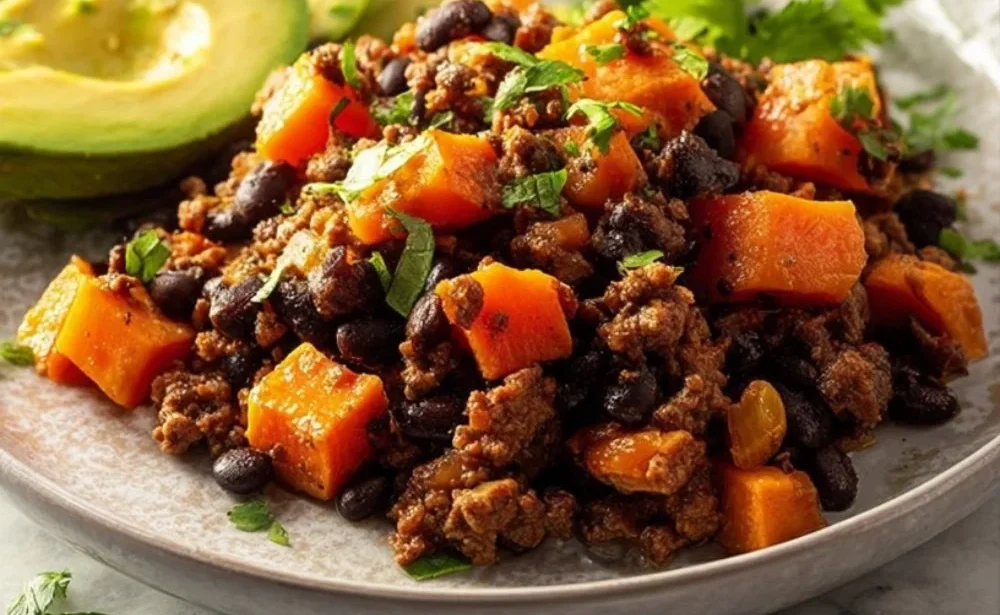
If you’re looking for a straightforward, flavorful weeknight meal that doesn’t require specialty ingredients or complicated steps, this Southwestern Ground Beef Sweet Potato Skillet is for you. I developed this kind of skillet dinner to be a one-pan solution: hearty, comforting, and forgiving. It’s especially kind to cooks who are new to the kitchen or returning after a break — you won’t need advanced knife skills, and small imperfections won’t ruin the dish.
This recipe is also a great way to get comfortable working with sweet potatoes in a savory setting. If you enjoy recipes that turn pantry staples into something satisfying, you might like my collection of breakfast sweet potato ideas, which show how versatile sweet potatoes can be in easy recipes. Think of this skillet as a gentle practice in timing, seasoning, and simple stovetop control — the kinds of skills that build confidence quickly.
Why this recipe is easy to get right
There are a few reasons this skillet is forgiving. First, it’s a one-pan recipe. That means fewer chances to mismanage multiple pots and pans, and fewer things to transfer or overcook. Second, the timing windows are flexible. Sweet potatoes are forgiving — they go from just-tender to very tender over a span of minutes, and the recipe calls for covering the pan to steam them gently, which is easy to monitor.
Seasoning is straightforward and bold; the spices are blended so the overall flavor is balanced. If you like things a touch milder or hotter, small tweaks will still work without derailing the dish. Finally, the dish assembles in stages — brown the meat, add spices, then add potatoes and beans — so if one stage runs a little long or short, it won’t cause a cascade of problems. You’re encouraged to taste and adjust as you go; that’s part of learning.
How to make Southwestern Ground Beef Sweet Potato Skillet
Overall process in three parts: cooking the meat and aromatics, seasoning, then cooking the sweet potatoes and beans until tender.
First: you brown the ground beef with the onion, bell pepper, and garlic. Browned beef gives you flavor and texture — you’re looking for small browned bits and softened vegetables. Break the meat into large chunks initially so it can sear before you finish breaking it down; when it’s browned, there’s a deeper flavor. Drain any extra fat so the spices don’t fry in excess oil.
Next: you’ll add the spice mix (chili powder, cumin, salt, pepper, garlic powder, oregano, red pepper flakes) and cook briefly while stirring. This step wakes up the spices and helps them coat the meat. One minute is enough; you’ll smell the spices bloom — aromatic and toasty. Stir constantly to avoid burning the powders.
Last: add the cubed sweet potatoes, drained black beans, and water. Stir to combine, reduce heat to medium-low, and cover. This covered simmer steams the potatoes gently and lets everything meld. Check for fork tenderness at 15 minutes; sometimes they need the full 20. After the potatoes are tender, remove the lid to let a little moisture evaporate so it isn’t watery, then finish off with cheese off the heat so it melts in a gentle carryover. Slow down when you cover the pan and when you remove the lid — those are the checkpoints where texture is decided.
Beginners should slow down at three moments: when browning the meat (watch for color and no pink), when to stop cooking spices (one minute), and when checking potatoes (test with a fork — it should meet little resistance).
Ingredients
1 pound lean ground beef, ½ cup yellow onion, diced, ½ cup red bell pepper, diced, 2 cloves garlic, minced, 2 teaspoons chili powder, 1 teaspoon cumin, ½ teaspoon kosher salt, ½ teaspoon black pepper, ¼ teaspoon garlic powder, ¼ teaspoon oregano, ⅛ teaspoon red pepper flakes, 3 cups sweet potatoes, peeled and cubed, 1 15 ounce can black beans, drained and rinsed, 1 cup water, 1 cup shredded cheese, optional
Let’s walk through what each ingredient does and why none of them are intimidating.
- 1 pound lean ground beef: Provides the savory, protein-rich base and browned flavor. Lean beef reduces excess grease, which makes the skillet lighter and easier to manage.
- ½ cup yellow onion, diced: Adds sweetness and depth as it softens. Onions become translucent and fragrant when cooked; if yours brown a bit, that’s fine — it adds extra flavor.
- ½ cup red bell pepper, diced: Brings color, a gentle sweetness, and a pleasant crunch if you leave some pieces slightly firmer. It balances the starchiness of the sweet potatoes.
- 2 cloves garlic, minced: Garlic gives a warm, aromatic lift. Mince finely so it releases flavor quickly during the short cooking step.
- 2 teaspoons chili powder and 1 teaspoon cumin: These two are the backbone of the Southwestern flavor. Chili powder gives warmth and earthy notes; cumin adds a slightly smoky, nutty background. Together they create a familiar, comforting profile.
- ½ teaspoon kosher salt and ½ teaspoon black pepper: Basic seasoning staples that bring out the flavors of the other ingredients. Salt is the only ingredient that controls how bright everything tastes, so use it — you can always add a touch more at the end.
- ¼ teaspoon garlic powder and ¼ teaspoon oregano: These round out the spice mix and add subtle herbiness and depth.
- ⅛ teaspoon red pepper flakes: A gentle touch of heat. If spicy food makes you nervous, you can leave these out; if you want more heat, a pinch extra is fine.
- 3 cups sweet potatoes, peeled and cubed: The star starch here — sweet, tender, and hearty. Cubed sweet potatoes cook evenly; size matters for timing, but a bit of unevenness is okay.
- 1 15 ounce can black beans, drained and rinsed: Adds body, fiber, and a creamy contrast to the sweet potatoes. Canned beans are convenient and consistent.
- 1 cup water: A small amount of liquid steams the potatoes so they cook through without drying out.
- 1 cup shredded cheese, optional: A finishing touch that melts into a creamy layer. It’s optional so you can skip it if you prefer lighter or dairy-free meals.
All these ingredients are pantry-friendly and easy to find. They work together to balance sweet, savory, and spicy notes. None of them require special handling, and small swaps (within reason) won’t break the recipe — but I’ll talk about those ideas later so you can adjust confidently.
Directions
Add the ground beef, onion, bell pepper and minced garlic to a skillet over medium heat. Break up the ground beef into large chunks and cook until browned. Drain off any extra fat., Add the chili powder, cumin, salt, pepper, garlic powder, oregano and red pepper flakes. Cook while stirring constantly for 1 minute., Add in the cubed sweet potatoes, black beans and water. Stir well. Reduce heat to medium low and cover. Cook for 15-20 minutes until the potatoes are fork tender., Remove the lid and cook for 2-3 minutes to evaporate any remaining liquid., Remove the pan from heat. Add the cheese and replace the lid. Let the dish sit for about 5 minutes for the cheese to melt., Served with your favorite toppings.
Now some supportive guidance for each step so you can follow with confidence:
- Step 1 (browning): As the beef cooks, you’ll see the pink turn to brown and the onions go translucent. The beef should be in large chunks at first so it can sear and develop color — that’s flavor. If you see a lot of fat pooling, tilt the pan and spoon it out or pour it off carefully so the spices don’t become greasy when you add them.
- Step 2 (spice toast): When you add the spice mix, you should smell a warm, toasty aroma within seconds. Stir constantly for 1 minute to avoid any burnt powder. This is brief but important — toasting releases the spices’ oils and makes the flavor pop.
- Step 3 (potatoes and beans): After you add the sweet potatoes, beans, and water, give everything a good stir so the potatoes sit against the pan surface at least a little bit — that contact helps cook them and pick up flavor. Covering traps steam; check at 15 minutes with a fork. If the fork slips in easily, they’re done. If there’s resistance, give them a few more minutes.
- Step 4 (evaporate): Removing the lid for 2–3 minutes concentrates the flavors and gets rid of excess liquid. If it’s still a bit soupy, cook an extra minute or two; if it looks perfect, pull it off the heat.
- Step 5 (cheese rest): Cheese melts beautifully from residual heat. Removing the pan from heat before adding cheese prevents the dairy from oiling out or overcooking. Replace the lid and let it sit so the cheese becomes gooey and inviting.
If something doesn’t look perfect — say, the potatoes are a little firmer than you expect — it’s okay. Put the lid back on for another 3–5 minutes and check again. If the seasoning feels flat, a small sprinkle of salt and a squeeze of lime or a dash of hot sauce can brighten things up.
Key techniques you’ll practice in this recipe
This recipe is a gentle practice platform for several fundamental skills:
- Browning ground beef: You’ll learn how to get good color and flavor without overcooking. That skill transfers to sauces, tacos, and more.
- Gentle spice toasting: Short, active stirring of spices releases flavor; you’ll use this technique in many quick-cook dishes.
- Steaming in a skillet: Covering to cook vegetables evenly is a forgiving technique that applies to other root vegetables and one-pan meals.
- Balancing moisture: Learning when to cover and when to uncover teaches you how to control sauciness — useful for skillet dinners, stir-fries, and braises.
These are kitchen moves you’ll use again and again. Practicing them here will make dozens of other recipes easier later.
Common mistakes and how to avoid them
- Meat not browning: If the pan is too crowded, the beef will steam instead of brown. Fix: give the beef room to brown; if your skillet is small, brown in batches or spread it out and don’t stir constantly at first.
- Spices burning: Powdered spices can burn quickly if left unattended. Fix: stir constantly during that one-minute toast and reduce heat slightly if your pan runs hot.
- Potatoes undercooked: If the cubes are large or the heat is too low, they’ll take longer. Fix: cut the potatoes into uniform pieces about the same size, and keep the heat at medium-low under the lid; add a few extra minutes if needed.
- Too much liquid at the end: If you skip the uncover step, the dish can be watery. Fix: uncover and simmer for a few minutes to evaporate excess moisture.
- Over-salting: It’s easier to add salt than remove it. Fix: season gently and taste at the end; a squeeze of citrus can brighten without more salt.
If a stage goes off track, small fixes usually save the day. Add a minute or two of cooking, adjust seasoning bit by bit, or remove excess fat. No need to start over.
How to adjust confidently without changing the recipe
Scaling portions: To feed more people, double the ingredients and use a larger skillet or a shallow Dutch oven so everything cooks evenly. For fewer servings, halve the amounts but keep the same cooking order and timing; smaller amounts may cook slightly faster, so watch the potatoes.
Flavor preferences: If you prefer milder flavors, reduce the chili powder or omit the red pepper flakes. If you like it brighter, finish with a squeeze of lime or a few chopped fresh cilantro leaves after cooking. These tweaks change the finish but don’t require altering the ingredient list.
Texture tweaks: If you like softer potatoes, cut the cubes a little smaller so they cook more quickly and break down. If you prefer more bite from the vegetables, keep the bell pepper slightly larger. These are conceptual adjustments — you’re not changing the recipe, just how you cut and finish.
For ideas on pairing different proteins or saucy finishes, my ground beef bowls collection can give inspiration for serving and flavor combinations, and you can explore ground beef bowls for more one-pan approaches.
Serving, storage, and reheating made simple
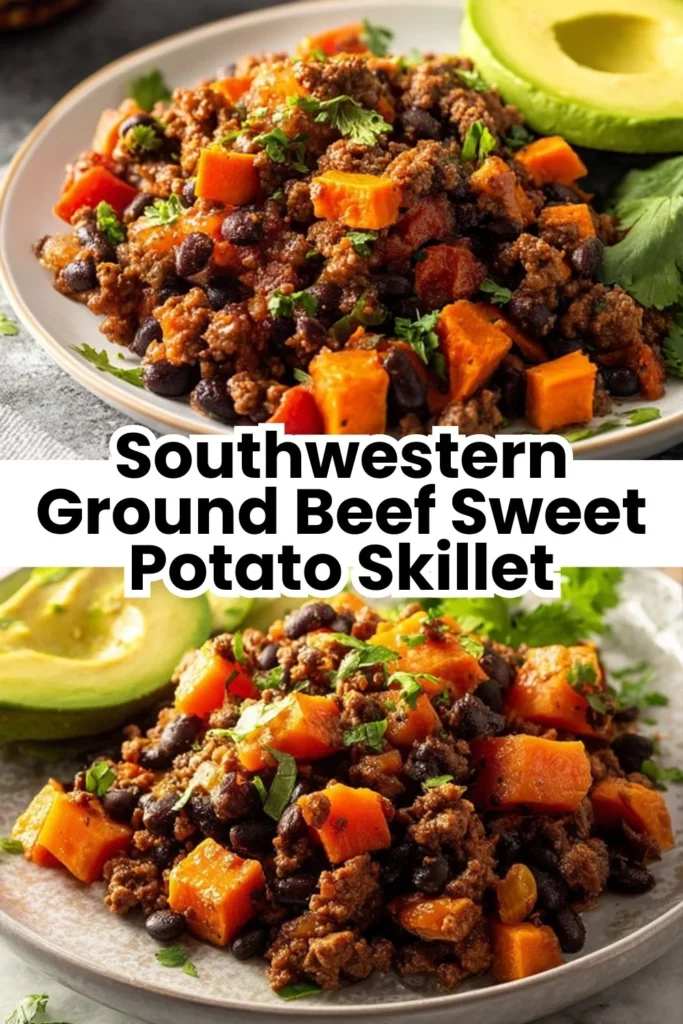
Serving: This skillet is great on its own or topped with chopped cilantro, a dollop of sour cream, sliced avocado, or a squeeze of lime. The contrast of creamy, bright, and crunchy toppings is delightful. Serve with tortillas, rice, or a simple green salad for a full meal.
Storage: Cool leftovers to room temperature for no more than two hours, then transfer to an airtight container and refrigerate. The skillet keeps well for 3–4 days. If you plan to freeze, store in a freezer-safe container for up to 2 months, but note the texture of sweet potatoes may soften slightly after freezing.
Reheating: Reheat gently on the stovetop over low to medium heat with a splash of water if it seems dry, stirring occasionally to keep the potatoes from sticking. A microwave works too — cover loosely and heat in 30–45 second bursts, stirring between intervals. For a crisper top, spread leftovers in a skillet and cook uncovered for a few minutes to revive the edges.
If you like ideas for flavor balances that pair well with sweet-and-savory dishes, my notes on honey sriracha flavor balancing might spark ideas without changing this recipe.
Questions new cooks often ask about this recipe
- How do I know when the beef is fully cooked? Look for no visible pink and small browned bits; the juices should run clear. Breaking larger chunks apart toward the end helps you check evenly.
- My sweet potatoes seemed to stick to the pan — is that normal? Some sticking can happen if there’s minimal fat in the pan. Stir gently and use a spatula to loosen bits. If needed, add a tablespoon of water and scrape those flavorful bits up; they add great taste.
- Can I use other beans? Yes, but canned black beans are already in the recipe for convenience. If you swap, make sure they’re drained and rinsed.
- Is it normal if the dish seems wet after cooking? A little moisture is normal. Remove the lid and cook uncovered for a couple of minutes to evaporate excess liquid. If it’s still too wet, cook a bit longer off the heat while stirring.
- What pan is best? A medium to large skillet with a lid is perfect. If you don’t have a lid that fits well, use a sheet of foil and poke a few holes to let steam escape; it’s not ideal but it works.
If any of these moments make you nervous, remember: small adjustments and short waits are part of cooking. You’ll get a feel for timing with each try.
Final encouragement from Carla
Cooking this Southwestern Ground Beef Sweet Potato Skillet is an excellent step toward building confidence in one-pan meals. It uses simple, familiar ingredients and clear steps that teach you useful techniques. If something isn’t perfect the first time, that’s okay — every attempt teaches you more about heat, seasoning, and timing. Keep practicing, and remember that meals made with care are always worthwhile.
Conclusion
If you’d like to see similar skillet recipes and compare approaches, this version on Recipe Runner shows another take on the flavors and method in a helpful format: Southwest Ground Beef and Sweet Potato Skillet – Recipe Runner. For a quick 1-pan dinner with similar ingredients arranged a little differently, Real Food Whole Life offers a fast and friendly variation: Southwest Beef & Sweet Potato Skillet (1-Pan Dinner!) – Real Food Whole Life. And if you want to explore another easy, comforting skillet that plays with the same sweet-and-savory ideas, this Easy Peasy Mealz recipe is a useful reference: Southwestern Sweet Potato and Ground Beef Skillet – Easy Peasy Mealz.
You’ve got this — one skillet at a time. Warmly, Carla Carter, Founder & Recipe Developer of RecipesCabin
Southwestern Ground Beef Sweet Potato Skillet
Ingredients
Method
- Add the ground beef, onion, bell pepper, and minced garlic to a skillet over medium heat.
- Break up the ground beef into large chunks and cook until browned. Drain off any extra fat.
- Add the chili powder, cumin, salt, pepper, garlic powder, oregano, and red pepper flakes. Cook while stirring constantly for 1 minute.
- Add the cubed sweet potatoes, black beans, and water. Stir well.
- Reduce heat to medium-low and cover. Cook for 15-20 minutes until the potatoes are fork tender.
- Remove the lid and cook for 2-3 minutes to evaporate any remaining liquid.
- Remove the pan from heat. Add the cheese and replace the lid. Let the dish sit for about 5 minutes for the cheese to melt.