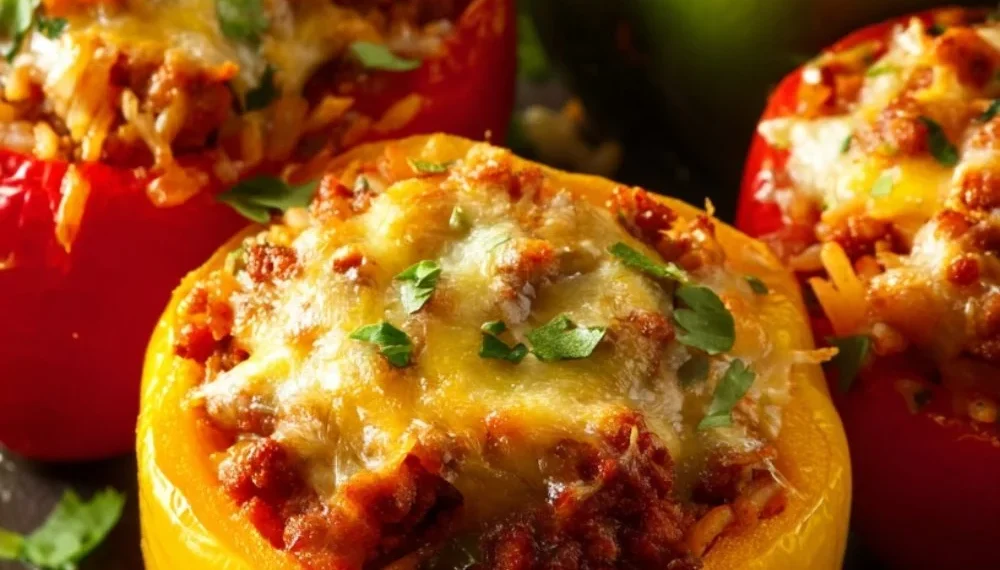
Healthy Stuffed Bell Peppers
Introduction
Healthy Stuffed Bell Peppers are one of those quietly practical recipes I come back to when I want a weeknight dinner that feels both comforting and a bit lighter. They work because they let the bell pepper do some of the structural and flavor work for you — a built-in, edible vessel that adds sweetness, color, and a satisfying bite without a lot of fuss. This recipe sits comfortably between a casserole and a handheld meal: it’s plated and composed, but not heavy or over-stuffed.
I like to think of this as a meal you can rely on for dinners when time is limited but you still want variety through the week. It’s easy to scale up for lunches or to make a few extra for simple reheating. If you’d like a straightforward vegetable side to go alongside, pairing it with a quick sautéed green makes a lot of sense and keeps the meal feeling fresh and textured — for an example of that kind of side, consider this sautéed vegetable idea that complements stuffed peppers nicely.
How this recipe fits into a balanced lifestyle
This recipe is built on balance: whole grains or a grain-like base (quinoa or rice), plant protein from black beans, vegetables both inside and out, and an optional touch of cheese to add creaminess and depth. That balance helps the dish feel satisfying without being heavy. Instead of cutting things out, the focus is on portion control, ingredient quality, and cooking methods that preserve brightness and texture.
Because the filling mixes lean carbohydrates with fiber and protein, it provides practical satiety—meaning you’re less likely to feel abruptly hungry again—without relying on a heavy sauce or frying. The peppers themselves add water and fiber, which lightens the overall mouthfeel. This dish fits neatly into a weekly routine because it’s flexible: make it as part of a batch cooking session, bring leftovers for lunch, or vary the herbs and spices across nights to keep things interesting. If you want another simple side to round out the plate, this recipe pairs well with quick greens and light vinaigrettes, and you can rotate those sides across the week to avoid repetition.
For an idea to pair with these peppers that keeps the meal bright and quick, I sometimes lean on that same vegetable-sauté approach as an easy companion — you can read a practical take on that here: a simple sautéed vegetable side.
How to make Healthy Stuffed Bell Peppers
At its core, the cooking flow is straightforward: prepare your grain, combine with the beans, corn, tomatoes and seasonings, stuff the peppers, and bake until everything is heated through and the peppers are tender. The places to keep things simple are in organization and timing — get your grain cooked ahead of time (leftovers work great), and have your canned items drained and ready so the assembly step is quick.
How to approach this without overthinking: think in stages. Stage 1, texture base: cook or use pre-cooked quinoa/rice. Stage 2, flavor base: mix canned and frozen items with spices and taste. Stage 3, structure: fill the peppers and bake. Minimal hands-on time is required once they’re in the oven, which makes this a practical weekday recipe. If you like a little crisp on the top, remove the foil for the last ten minutes as directed; if you prefer a gentler finish, keep them covered the entire bake. Simple monitoring — testing a pepper for tenderness with a fork — tells you when it’s ready.
For another modestly different spin during the week, consider how a quick sautéed green vegetable side can shift the meal from cozy to bright, as described in this helpful example: sautéed vegetable accompaniment.
Ingredients
4 bell peppers, 1 cup cooked quinoa or rice, 1 can black beans, drained and rinsed, 1 cup corn, frozen or canned, 1 cup diced tomatoes, 1 teaspoon cumin, 1 teaspoon chili powder, Salt and pepper to taste, 1 cup shredded cheese (optional), Fresh herbs for garnish (optional)
Each component here plays a clear role:
- Bell peppers: They’re the vessel and a flavor contributor. Their natural sweetness and crispness add freshness and contrast to the filling. Using whole peppers keeps portions reasonable and helps with presentation.
- Cooked quinoa or rice: This provides a neutral, satisfying base that picks up the spices and binds the filling. Quinoa adds a little more protein and a nuttier texture; rice gives a familiar, softer mouthfeel.
- Black beans: A source of plant protein and fiber, beans make the filling feel substantial. They also add a creamy, earthy note when mashed slightly into the grain.
- Corn: Adds pop, sweetness, and a different kind of chew. It’s a small detail that enhances texture and keeps every forkful interesting.
- Diced tomatoes: They bring juiciness and a touch of acidity to cut through the starch and round out the flavors.
- Cumin and chili powder: These two spices give the filling warmth and a grounded savory character. Cumin adds earthiness while chili powder brings a mild heat and complexity.
- Salt and pepper: Basic seasoning helps all the flavors sing; adjust to taste.
- Shredded cheese (optional): Melts into a creamy top layer and adds richness. Because it’s optional, you can keep the dish lighter by using less or skipping it.
- Fresh herbs for garnish (optional): A small sprinkle of cilantro, parsley, or green onion brightens the finished peppers and adds aromatic freshness without heaviness.
Mindful ingredient choices—like using canned items drained well, preferring whole-grain or quinoa, and using cheese as an optional accent—help achieve a balanced plate without feeling deprived.
Directions
- Preheat the oven to 375°F (190°C).,
- Cut the tops off the bell peppers and remove the seeds.,
- In a mixing bowl, combine the quinoa or rice, black beans, corn, diced tomatoes, cumin, chili powder, salt, and pepper.,
- Stuff each bell pepper with the filling mixture and place them upright in a baking dish.,
- If using cheese, sprinkle it on top of the stuffed peppers.,
- Cover the dish with foil and bake for 25-30 minutes.,
- Remove the foil for the last 10 minutes of baking to allow the cheese to melt and brown slightly.,
- Garnish with fresh herbs if desired.,
- Serve warm and enjoy your healthy stuffed bell peppers!
Supportive guidance around the steps:
- Step 1: Preheating is more than formality. A properly heated oven ensures the peppers cook evenly and the filling warms through without drying. While the oven heats, you can prep the peppers and filling.
- Steps 2–3: When you cut and seed the peppers, work with a sturdy knife and keep the tops intact if you like a little lid for presentation. Taste the filling before stuffing. A quick spoonful will tell you whether the seasoning is balanced; it’s easier to adjust seasoning now than after baking.
- Step 4: Pack the filling so the peppers are full but not overly compacted — a little air space prevents a dense, heavy texture.
- Steps 5–7: If you use cheese, adding it partway through or covering, then uncovering as directed, helps you control browning. The foil keeps moisture in so the peppers soften; removing it at the end gives the cheese that appealing golden top.
- Step 8–9: Fresh herbs at the end add aroma and lift the dish. Serve warm; the contrast between the roasted pepper and the warm filling is part of the appeal.
Signs it’s coming together properly: peppers should be tender when pierced with a knife but still hold shape; filling should be heated through and not soggy. If the filling looks too wet before baking, briefly drain excess liquid from the tomatoes or let the mix sit in a sieve for a minute.
The role of preparation in keeping this dish light
Preparation choices shape how “heavy” a dish feels. Roasting or baking as here uses dry heat that concentrates flavors without adding extra fat. Draining canned ingredients and using frozen corn—thawed and squeezed of excess moisture if needed—reduces puddles in the filling that would make the texture duller. Choosing quinoa or a modest portion of rice controls the starch-to-vegetable ratio so each bite has contrast: the pepper’s crispness, the bean’s creaminess, and the grain’s body.
Technique also matters. Lightly packing the filling keeps it airy; over-stuffing can make each bite dense. Covering with foil helps the peppers steam gently, keeping them tender without drying the filling. A brief uncovering at the end adds desirable browning without adding heaviness. These small choices result in a meal that feels clean and satisfying rather than weighed down.
Simple ways to adjust without losing balance
You can personalize this recipe without changing its core structure. Consider these conceptual tweaks:
- Add fresh acidity at the end (a squeeze of lime or a splash of vinegar in the filling) to brighten flavors without adding calories.
- Swap spices for regional profiles — a touch of smoked paprika instead of chili powder for a smokier finish — while keeping the balance of grain, protein, and veg.
- If you want more texture, stir in a handful of chopped toasted nuts or seeds when serving; they give crunch and a sense of richness in small amounts.
- To make it more herb-forward, mix fresh herbs into the filling after baking rather than before so they keep their brightness.
- For a heartier feel without heaviness, serve alongside a simple broth-based soup or a leafy salad dressed with a light vinaigrette.
All of these adjustments keep the ratio of vegetables-to-grain-to-protein in mind — the key to maintaining the lighter, satisfying character.
Pairing ideas for a complete, well-rounded meal
Pairings should add contrast in texture and temperature while keeping the plate balanced. A handful of ideas:
- A crisp green salad with a lemon vinaigrette adds acidity and crunch.
- Steamed or sautéed greens (spinach, chard, or kale) with a garlic drizzle provide bitterness that complements the sweet peppers.
- A light soup, like a vegetable or tomato broth, makes the meal feel substantial without doubling down on starch.
- Grain-based salads (think a small side of tabbouleh or farro with herbs) can add a different texture if you want more variety on the plate.
- For a simple finish, plain Greek yogurt or a dollop of salsa on the side offers creaminess and tang without heaviness.
The idea is to combine textures — creamy, crunchy, tender — and temperatures — warm peppers with a cool salad — to create a satisfying, composed plate.
Storage, leftovers, and next-day enjoyment
This recipe stores well. Cool leftovers to room temperature within an hour, then place in airtight containers. Refrigerate for up to 3–4 days. To freeze, wrap individual peppers in foil or place them in a freezer-safe container for up to 2 months; thaw in the refrigerator overnight before reheating.
Reheating tips: bake in a 350°F oven for 15–20 minutes until heated through to preserve texture, or microwave in short bursts covered with a damp paper towel to maintain moisture. If you find the pepper has softened a lot, a quick reheat under the broiler for a minute can help restore some structure to the top. Leftover filling also makes a great warm salad topper, taco-style filling, or a base stirred into a soup.
Common questions about lighter everyday cooking
Q: How do I keep portions balanced without feeling restricted?
A: Focus on plate composition rather than deprivation: aim for a pepper (or two halves) as the main, add a leafy green or broth-based soup as a companion, and include a small whole-grain or yogurt component if you want more heft. That combination feels full without excess.
Q: Can I batch-cook this for the week?
A: Yes. Bake a double batch and refrigerate or freeze portions. For freshness, consider keeping crunchy garnishes separate until serving.
Q: How do I avoid boredom if I make this regularly?
A: Rotate spices, herbs, and accompaniments. One week use cumin and chili powder; the next, try smoked paprika and oregano. Change sauces and sides — salsa one day, a lemon-yogurt drizzle the next — to keep the experience new.
Q: What makes a lighter meal still satisfying?
A: Contrast — in texture, temperature, and flavor. A dish that combines a warm, savory element with something bright or crunchy will feel more satisfying than one that’s uniformly heavy.
Final thoughts from Daniel
Cooking should be adaptive and kind to your time. Healthy Stuffed Bell Peppers are a practical example of how modest, thoughtful choices—portioning, simple seasoning, and careful cooking—create a meal that feels lighter without sacrificing comfort. Let this dish be something you return to, tweak, and make your own. Trust simple techniques, taste as you go, and don’t be afraid to use small garnishes to lift the finished plate. Balance is flexible; a pepper on the table can be both nourishing and an honest, everyday pleasure.
Conclusion
If you want another approachable take on stuffed peppers with a reliable method, this Easy Stuffed Bell Peppers Recipe | Healthy Fitness Meals offers a useful comparison. For an Italian-flavored variation that leans on classic pantry ingredients, see the recipe at Italian Stuffed Peppers {Easy and Healthy} – WellPlated.com. And if you enjoy different textures and homey finishes, this version from a well-known home-cooking author is worth a look: Best Stuffed Bell Peppers Recipe.