Gochujang Broccoli
Introduction
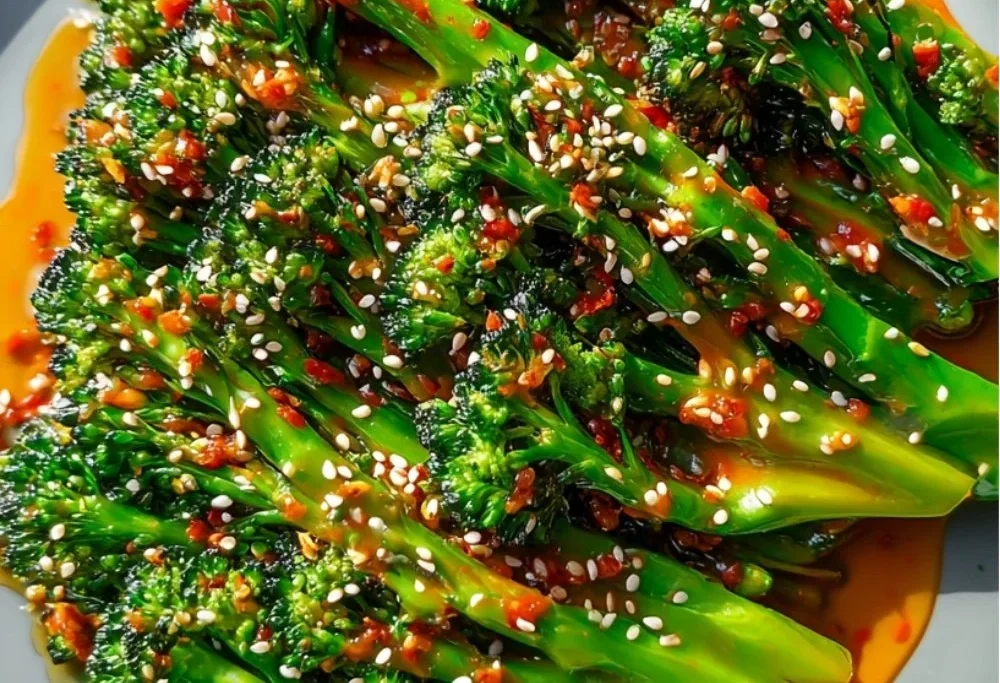
Gochujang Broccoli is one of those simple, reliable dishes that quietly upgrades a weeknight without asking for a lot of time or fuss. The recipe leans on a single punchy flavor — gochujang — and a humble vegetable, which keeps the cooking straightforward while delivering a satisfying contrast of crisp char and soft stalk. For me, this kind of dish fits the way most of us cook in daily life: practical, flavorful, and easy to repeat.
What I like about it is how it balances intensity and lightness. The gochujang offers warmth, umami, and a little heat, but it’s used sparingly enough that the broccoli stays fresh-tasting and bright. It’s satisfying because texture matters here — blistered edges and tender centers give a feeling of substance without leaning on heavy sauces or large amounts of fat. That makes this a natural addition to weeknight dinners, packed lunches, or a repeat side for a casual weekend spread.
This recipe works well when you want something that’s both familiar and a touch adventurous. If you cook for a family and don’t want to fuss, or if you’re making a simple food-focused meal for yourself, this delivers clear flavors and clean, pleasant results.
How this recipe fits into a balanced lifestyle
This Gochujang Broccoli supports balance by focusing on portion, ingredient quality, and cooking method rather than restriction. The broccoli is the star — a nutrient-dense vegetable that fills the plate and pairs well with lean proteins, whole grains, or simply a light sauce. The gochujang provides a lot of flavor in a small amount, so you don’t need to rely on heavy oils or creams to make the dish sing.
When I talk about “lighter” meals, I mean plates that feel clean and energizing while still being satisfying. That’s made possible here by concentrating on texture and brightness: roast the broccoli until edges are crisp, but the inside remains tender. The result is a side that feels substantial without dragging the rest of the meal down.
This dish is easy to fit into a weekly routine. It pairs well with grilled chicken, baked fish, tofu, or a bowl of warm grains and a smear of yogurt. Use it to add variety without complexity — it won’t dominate your planning, but it will lift whatever else is on the table.
How to make Gochujang Broccoli
The overall cooking flow is short and clear: toss, spread, roast, and serve. That simplicity is where the recipe earns its place in regular rotation. There’s no need to overthink measurements or complicated techniques — the main decisions are about roasting time and how charred you like your broccoli.
Simplicity matters most at two points: the sauce and the roast. Mix the gochujang with olive oil and garlic to make a thin coating that clings to the florets; this is more effective than a thick paste that can leave parts undercoated. When roasting, give the florets room on the sheet pan so they brown properly instead of steaming.
Approach the recipe without overthinking: line the baking sheet, preheat the oven, and work with the natural contrast between char and tenderness. The short list of ingredients keeps the flavor focused and uncomplicated — which is exactly the point.
Ingredients
Broccoli, Gochujang, Olive oil, Garlic, Salt, Pepper
- Broccoli: The backbone of the dish. Fresh florets with a bit of stem offer a range of textures — firm stems and delicate tops. Roasting concentrates their flavor and creates those caramelized, slightly bitter edges that pair beautifully with sweet-spicy gochujang. Choosing even-sized florets helps them cook uniformly.
- Gochujang: A Korean fermented chili paste that brings sweet heat, umami, and a rounded depth. Because it’s concentrated, you don’t need much to transform the broccoli. In this recipe it acts as both seasoning and glaze, giving the vegetable a glossy, savory coating without needing heavy sauces.
- Olive oil: A neutral, familiar fat that helps the gochujang loosen and coat the florets. It also promotes crisping in the oven and helps carry flavor. Using a moderate amount keeps the dish feeling lighter than something braised or heavily sautéed.
- Garlic: Fresh minced garlic adds aromatic lift and a penetrating savory note that works with gochujang’s sweet-spicy profile. It’s a small addition that plays a big role in rounding out the flavor.
- Salt: Essential for balance. Salt amplifies the natural sweetness of roasted broccoli and tames the fermentation-forward notes of gochujang. A light hand here keeps the dish bright rather than overpowering.
- Pepper: Simple ground pepper gives a subtle background heat that complements the chili paste without competing with it. It’s about layering flavors rather than piling them on.
These six ingredients show how balance is achieved through combination, not restriction. Each one plays a clear role — texture from roasting, heat and complexity from gochujang and pepper, aromatic lift from garlic, and seasoning and mouthfeel from salt and oil. The result feels composed and intentional, not overworked.
Directions
- Preheat your oven to 400°F (200°C).
- Cut the broccoli into florets and place them in a bowl.
- In a separate bowl, mix gochujang, olive oil, minced garlic, salt, and pepper.
- Pour the gochujang mixture over the broccoli and toss to coat evenly.
- Spread the broccoli on a baking sheet lined with parchment paper.
- Roast for 20-25 minutes or until crispy and tender.
- Serve hot as a side dish.
Before you start, set out your ingredients and preheat the oven so everything moves smoothly. Tossing the florets with the sauce should be intentional: aim to coat rather than drench. You want a light, even glaze so the broccoli crisps rather than stews.
As you spread the broccoli on the baking sheet, give each piece a bit of personal space. A crowded pan traps steam and reduces browning; a single layer with some gaps encourages those desirable charred bits. If some florets are significantly larger, split them so the cooking time is consistent.
During roasting, watch the color rather than the clock. At around 15 minutes you’ll see the first signs of darkening on the tips; by 20 minutes there should be deep caramelization and the stems should be tender when pierced with a knife. If you prefer more char, add another 3–5 minutes, but check frequently to prevent burning.
When the broccoli comes out of the oven, serve it hot to preserve contrast: warm, slightly crispy edges and a tender bite in the center. A quick squeeze of lemon or a scatter of sesame seeds can be nice, but the recipe is complete on its own.
The role of preparation in keeping this dish light
Cooking method affects heaviness as much as ingredient choice. Roasting uses a modest amount of oil and focuses on developing natural flavors through dry heat. That concentrates sweetness and creates textural contrasts that feel satisfying without needing thick sauces.
Technique matters. Even distribution of the gochujang mixture ensures each floret contributes both flavor and texture. Overcoating can lead to sogginess; undercoating leaves pockets of blandness. Simple attention to evenness in chopping and tossing keeps the final dish clean and energetic.
Small choices — the size of the florets, the pan space, the oven temperature — all influence how “light” the dish feels. Roasting at 400°F gives quick browning without prolonged exposure that would make the florets mushy. Choosing a moderate amount of oil carries flavor and encourages crisping while avoiding heaviness.
Simple ways to adjust without losing balance
You can personalize this dish without changing the core recipe or its steps. Think in terms of flavor accents rather than ingredient swaps that demand different techniques.
- Heat level: If you like less spice, reduce the gochujang slightly and compensate with a splash of soy or tamari for umami. If you want more punch, add a pinch of red pepper flakes after roasting.
- Texture: If you prefer extra crunch, toss the florets with a tablespoon of panko or crushed nuts before roasting; they’ll toast in the oven and add a nutty contrast. For a softer result, cut the florets smaller or roast a bit longer.
- Acid: A squeeze of lemon or rice vinegar just before serving brightens the flavors and cuts through richness without making the dish feel heavy.
- Aromatics: Toasted sesame oil or toasted sesame seeds finished at the end add a toasty note that complements gochujang. Add them sparingly so they enhance rather than overwhelm.
All of these adjustments are conceptual — they don’t change the listed ingredients or required steps, but they let you tailor the dish to different meals and moods while keeping the overall balance intact.
Pairing ideas for a complete, well-rounded meal
Pair this Gochujang Broccoli with components that add protein, starch, and a cooling element for contrast. The goal is a plate that feels composed and varied without excess.
- Protein: Grilled or pan-seared salmon, roasted chicken thighs, or baked tofu are all natural partners. The savory, slightly spicy broccoli complements clean proteins nicely.
- Whole grains: Brown rice, farro, or a simple quinoa pilaf make a grounding base. A bowl of warm grains topped with the broccoli and a scoop of yogurt or tahini feels complete and portable.
- Cooling elements: A dollop of plain Greek yogurt or a quick cucumber salad provides a cooling counterpoint to the chili paste. This contrast keeps the meal from feeling one-note.
- Light extras: A handful of toasted nuts, a scattering of sliced scallions, or a small scoop of pickled vegetables add texture and interest without weighing things down.
Building a plate around these contrasts — hot and cool, soft and crisp, rich and bright — gives a sense of fullness and satisfaction without leaning on heavy sauces or large portions.
Storage, leftovers, and next-day enjoyment
This broccoli holds up well for 2–3 days refrigerated in an airtight container. Roasted vegetables lose a bit of their initial crispness over time, but the flavor intensifies, which can actually be very pleasant for reheated lunches.
For storage: let the broccoli cool to room temperature before sealing to avoid sogginess. Use a shallow container to cool quickly and keep textures more stable.
Reheating tips: A quick oven or toaster oven reheat at 375°F for 6–8 minutes restores some crispness without drying the florets. If you’re short on time, a hot skillet over medium-high heat with a drop of oil will crisp edges in a few minutes. Avoid microwaving when you can, as it tends to soften the texture, though it’s fine for convenience.
Leftovers also work well cold in grain bowls or salads. Add leafy greens, a handful of cooked grains, and a protein for a balanced lunch. The concentrated flavors of the gochujang make these combinations feel intentional rather than thrown together.
Common questions about lighter everyday cooking
- How much should one portion be? Aim for about 1 to 1.5 cups per person as a side, depending on appetite and what else is on the plate. Balance the meal with a protein and a grain or salad to make it satisfying.
- How do I prevent broccoli from getting soggy? Keep florets evenly sized, don’t crowd the pan, and don’t overcoat with sauce. Roast at a high enough temperature so moisture evaporates and edges can brown.
- Can I batch-cook this? Yes. Roast multiple sheet pans and cool quickly before refrigerating. Re-crisp in the oven when you’re ready to eat.
- How do I avoid flavor fatigue when repeating this dish? Change the accompanying plate components (different proteins, grains, or simple dressings) and finishers like citrus, seeds, or herbs to keep it interesting.
- Is this meal appropriate for everyday eating? Absolutely — it’s built to be easy, repeatable, and flexible. The emphasis is on portion, texture, and straightforward seasoning rather than any restrictive approach.
Final thoughts from Daniel
Cooking confidently means trusting simple techniques and good ingredients. This Gochujang Broccoli is a small set of choices that add up to a lot: a bold condiment used with restraint, a vegetable roasted for contrast, and a method that’s repeatable and forgiving. It earns a spot in the rotation because it’s easy to make, pairs with many proteins and grains, and keeps meals feeling fresh without being fussy.
I encourage you to make it your own through small, intentional tweaks — a little acid, a different finishing seed, or a new grain — rather than overcomplicating the core. The recipe’s strength is in its balance: flavorful and satisfying, but light enough to be part of everyday cooking. Enjoy the straightforward pleasure of something well-roasted and well-seasoned, and let it support the rest of your plate.
— Daniel Brooks
Conclusion
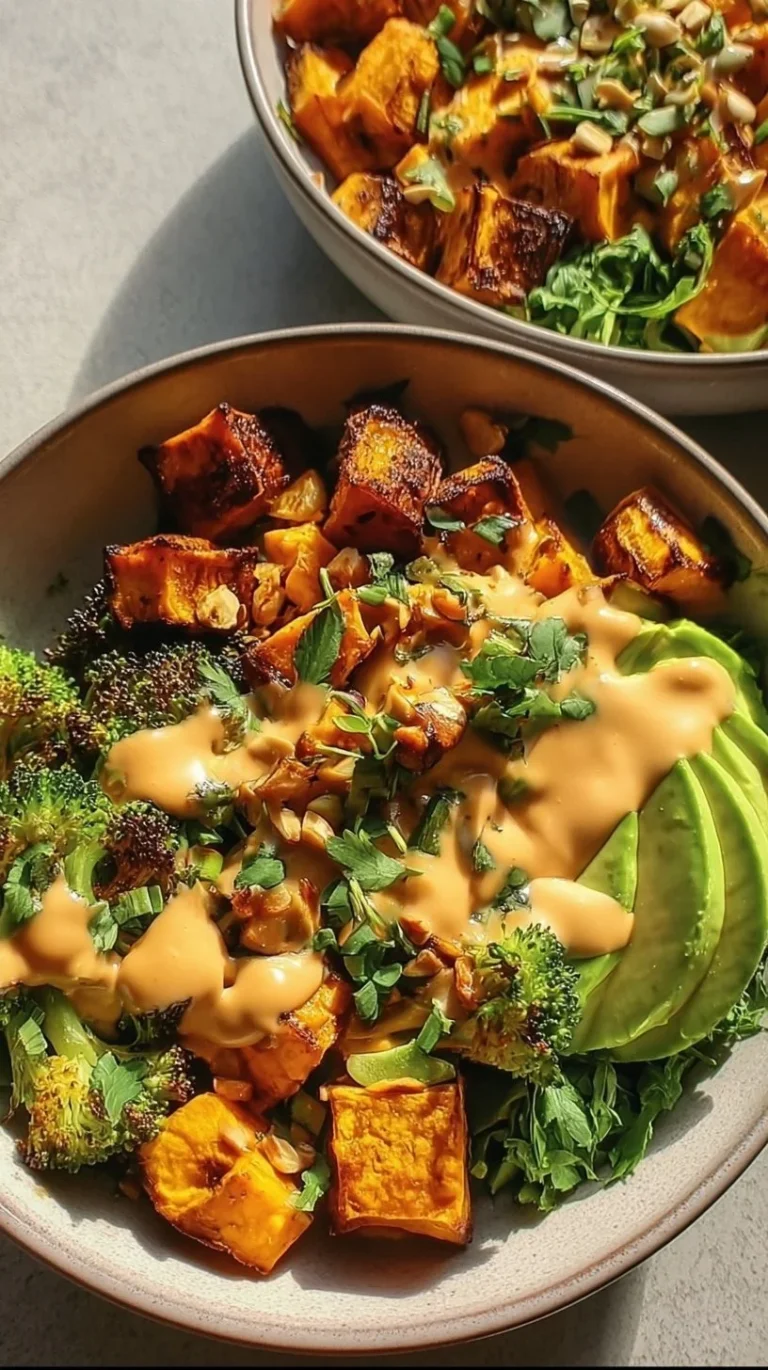
If you want to explore similar ideas and techniques, I like this take on roasting broccoli with a bold butter finish at Roasted Broccoli with Gochujang Butter (Oven or Air Fryer), which shows another way to layer flavor. For a smoky approach that leans into deep char and vegan-friendly swaps, see Smoky Gochujang Roasted Broccoli – Messy Vegan Cook. And if you’re thinking about turning roasted broccoli into a full bowl with chickpeas and a tangy sauce, this bowl idea is worth a look: Crispiest chickpeas + charred broccoli with gochujang tahini yoghurt ….
Gochujang Broccoli
Ingredients
Method
- Preheat your oven to 400°F (200°C).
- Cut the broccoli into florets and place them in a bowl.
- In a separate bowl, mix gochujang, olive oil, minced garlic, salt, and pepper.
- Pour the gochujang mixture over the broccoli and toss to coat evenly.
- Spread the broccoli on a baking sheet lined with parchment paper.
- Roast for 20-25 minutes or until crispy and tender.
- Serve hot as a side dish.