High-Protein Vegetable Soup
Introduction
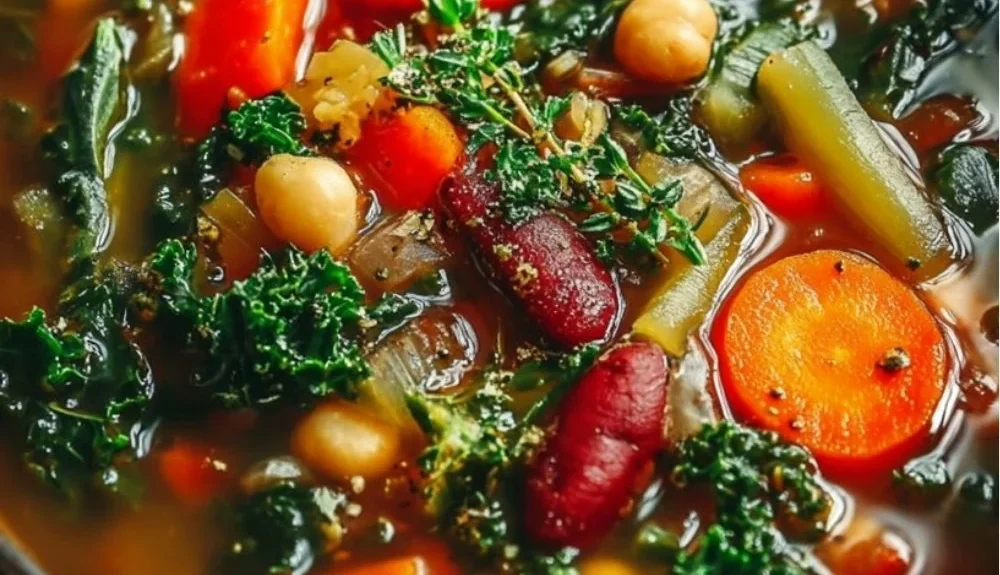
This High-Protein Vegetable Soup is the sort of weekday recipe I turn to when I want something that’s easy to make, genuinely satisfying, and light enough to leave room for the rest of the day. It blends beans and lentils for steady plant-based protein, a mix of vegetables for freshness and texture, and a few pantry herbs to keep things simple and flavorful. It works well for weeknight dinners, make-ahead lunches, or a repeat-cooking ritual where you want reliable comfort without it feeling heavy.
If you’re building a short list of go-to recipes, having one hearty vegetable soup alongside other balanced options makes life easier — think of it like the legible, calm center of a weekly meal plan. I also like pairing soups like this with quicker sides or snacks; for inspiration on other protein-forward meals that play into a similar everyday balance, consider how a warm bowl of soup complements recipes such as Anti-inflammatory Turmeric Chicken Soup when you want a different texture or protein source.
How this recipe fits into a balanced lifestyle
This recipe supports moderation and enjoyment by leaning on whole ingredients and straightforward cooking rather than complicated sauces or heavy creams. The combination of lentils and two kinds of beans keeps the bowl filling in a steady, plant-forward way — protein and fiber together help a meal feel complete without loading it with oil or heavy dairy. Flavor comes from the vegetables, a modest use of herbs, and a bright finish of lemon and parsley, so you get satisfying depth without feel-heavy richness.
Because it’s broadly flavored rather than narrowly “diet” oriented, this soup fits naturally into many weekly rhythms: a lighter dinner after a busy day, a reheatable lunch that still tastes fresh, or a base to stretch into leftovers with simple additions. If you like rotating textures across the week, this soup pairs well with roasted or sautéed vegetables; for ideas on quick vegetable sides that match this approach, I often look for simple, practical recipes like Healthy Sautéed Vegetables.
How to make High-Protein Vegetable Soup
The overall flow of this soup is straightforward: build flavor at the start by sautéing aromatics, add your bulk ingredients (broth and lentils) to cook through, then bring in the canned beans and quick-cooking vegetables near the end to preserve their texture. Simplicity matters most when you’re sauteeing the onion and garlic — that’s where you set a savory foundation without needing fancy techniques. From there, it’s mostly patience and timing: bring the lentils to tenderness, and add more delicate greens and peas last so they don’t overcook.
Approach the recipe without overthinking: prep your vegetables and rinse the lentils and canned beans before you heat the pot so you’re not juggling tasks at medium-high heat. Keep a calm eye on the simmer — the soup should show gentle movement, not a rolling boil, once the lentils are cooking. For another kind of quick, high-protein bowl to rotate into your week, this soup sits nicely alongside more structured dishes like Easy High-Protein Cottage Cheese Pizza Bowl, which uses similar principles of balance and simplicity in a different format.
Ingredients
1 tablespoon olive oil, 1 medium onion, chopped, 2 cloves garlic, minced, 2 carrots, peeled and diced, 2 celery stalks, diced, 1 red bell pepper, diced, 6 cups vegetable broth, 1 cup dried lentils, rinsed and drained, 1 can (15 ounces) chickpeas, drained and rinsed, 1 can (15 ounces) black beans, drained and rinsed, 1 teaspoon dried thyme, 1 teaspoon dried basil, Salt and pepper to taste, 2 cups kale, chopped, 1 cup green beans, trimmed and cut into 1-inch pieces, 1 cup frozen peas, 2 tablespoons fresh lemon juice, 1/4 cup fresh parsley, chopped
Every ingredient in that list plays a clear role. The olive oil is the flavor anchor for the initial sauté — a little goes a long way to carry the aromatics. Onion and garlic form the savory base, while the carrots, celery, and red bell pepper add sweetness, crunch, and color. Vegetable broth is the body of the soup, and dried lentils are the main protein and texture builder; rinsing them avoids any grit and helps them cook evenly.
Canned chickpeas and black beans contribute creaminess and bite without extra work; they’re already cooked and bring a different texture than the lentils. Dried thyme and basil are the simple herbs that keep the dish herbaceous without being fussy. Salt and pepper are up to personal taste — start more conservatively and finish at the end. Kale, green beans, and peas add freshness and contrasting textures: kale gives a leafy chew, green beans bring a crisp snap, and peas add a pop of sweetness. Lemon juice brightens the whole bowl, and parsley finishes things with a clean herbal note.
Mindful ingredient choices matter here because each element supports the others: protein, fiber, and vegetables combine so volume equals satisfaction without relying on heavy additions. Balance is achieved by variety rather than restriction — multiple vegetables, two kinds of legumes, and a citrus finish keep every spoonful interesting.
For a complementary snack or small side that matches the protein focus of this soup, I sometimes plan something like High-Protein Bagel Bites as a playful accompaniment when more substance is wanted at the table.
Directions
Heat olive oil in a large pot over medium heat. Add the chopped onion and minced garlic and sauté for 3-4 minutes until the onion becomes translucent., Stir in the diced carrots, celery, and red bell pepper. Continue to sauté for another 5 minutes until the vegetables begin to soften., Pour in the vegetable broth and add the rinsed lentils. Bring the mixture to a boil, then reduce the heat to a simmer. Cover and cook for about 15 minutes., Add the chickpeas and black beans, along with the dried thyme, dried basil, salt, and pepper. Stir well and let the soup simmer for another 10 minutes., Stir in the kale, green beans, and frozen peas. Allow the soup to cook for an additional 5-7 minutes, until all vegetables are tender and the lentils are fully cooked., Remove the pot from heat and add the lemon juice and chopped parsley. Stir to combine all flavors., Taste the soup and adjust seasoning with additional salt or pepper, if desired., Serve hot, garnished with additional fresh parsley if desired.
Supportive guidance around the steps:
- Step 1 (sauté): Look for the onion to become translucent rather than brown — you want soft, aromatic onion rather than caramelized sweetness. That gentle sautée builds flavor while keeping the soup feeling light.
- Step 2 (add vegetables): Sautéing the carrots, celery, and bell pepper briefly helps them release flavor and softens them just enough to meld into the broth. Don’t rush this part; five minutes produces a savory base without losing bright vegetable notes.
- Step 3 (lentils and broth): When you add the broth and lentils and bring the pot to a boil, pay attention to the texture of the lentils at the end of the 15 minutes. Depending on the variety, you may need a few extra minutes — you’re looking for tender lentils that still hold a bit of shape.
- Step 4 (beans and herbs): Add the canned beans later so they stay distinct in texture and don’t disintegrate. Stir them in gently and let the soup simmer so flavors marry without turning the beans mushy.
- Step 5 (greens and peas): The kale, green beans, and frozen peas go in last because they need less time. This preserves their color and bite, which helps the soup feel fresh instead of stewy.
- Final steps (finish and season): Lemon juice and parsley are the bright finishers — add them off heat so the lemon keeps its brightness and the parsley stays vibrant. Taste and adjust seasoning at the end; salt and pepper applied late often make a bigger difference than adding a lot at the start.
Avoid overcomplicating: prep your veg first, keep the heat moderate, and use the tasting moments as guides rather than rigid timers.
The role of preparation in keeping this dish light
How you prepare a soup matters more than many home cooks expect. A few deliberate choices keep this bowl feeling lighter: a short, gentle sauté at the start develops savory flavor without frying everything in oil; cooking lentils until tender but not broken maintains a pleasant, grainy texture; and adding delicate vegetables near the end keeps them bright.
Technique matters as much as ingredients. For example, overcooking kale or green beans makes the soup feel mushy and heavy; cooking them just to tenderness preserves structure and mouthfeel. Likewise, rinsing canned beans removes excess packing liquid and can help control sodium. A final squeeze of lemon changes the perception of richness — acid cuts through depth in a way that is satisfying without adding calories.
Small choices like the size you dice vegetables or how long you simmer lentils shift eating satisfaction: slightly larger vegetable pieces provide chew, which signals satiety, while too-small pieces can feel indistinguishable and less satisfying. Thinking about texture pays off when you want meals that feel lighter but still nourishing.
Simple ways to adjust without losing balance
There are tasteful, low-risk tweaks you can make without changing the core recipe. If you want a smokier note, add a small pinch of smoked paprika with the dried herbs. To lean more toward Mediterranean flavors, swap the dried basil for oregano and finish with a drizzle of extra-virgin olive oil at the end. If you prefer a creamier mouthfeel without heavy dairy, puree a cup of the finished soup (or an extra can of white beans) and stir it back in for body while still keeping the overall profile plant-forward.
For more protein, double the chickpeas or add a handful of quick-cooking quinoa after the lentils are tender — but only if you’re prepared to adjust liquid slightly. To make it more brothy and less chunky, reduce the quantity of kale and green beans and add more broth. All of these are conceptual adjustments; they leave the central mechanics intact, so you preserve balance by changing ratios not by adding heavy ingredients.
Flavor-forward but light additions include fresh herbs at the end, a mild chili flake for warmth, or a small dollop of plain yogurt on top for a tangy contrast. None of these change the structure of the recipe; they simply emphasize different flavor notes.
Pairing ideas for a complete, well-rounded meal
Light but satisfying sides complement the soup without overwhelming it. A simple whole-grain roll or a slice of crusty bread is classic and gives a chew that pairs well with the soup’s broth. A crisp green salad with a citrus vinaigrette echoes the lemon finish and adds extra crunch. For additional protein or texture, serve with a small plate of roasted chickpeas, or a light grain salad featuring farro or barley.
If you want to keep the meal very light, pair the soup with sliced raw vegetables and a hummus for dipping. For a more substantial dinner, consider a modest serving of roasted salmon or a baked tofu slab alongside — both are protein-focused but won’t feel heavy if portioned thoughtfully. Aim for complementary textures: something crunchy (salad, roasted vegetables), something warm and soft (the soup), and a finishing herb or acid to unify the plate.
Storage, leftovers, and next-day enjoyment
This soup stores well because the flavors continue to marry over time. Cool it to room temperature, transfer to airtight containers, and refrigerate for up to 4 days. If freezing, leave space at the top of the container for expansion and freeze for up to 3 months — note that greens like kale may soften after freezing, so if you plan to freeze, consider adding a fresh handful of kale when reheating.
Reheating on the stovetop over low to medium heat preserves texture best; add a splash of broth or water if it seems thick. If using a microwave, reheat in short intervals, stirring between each burst to maintain even warmth. Add the lemon juice and fresh parsley after reheating to restore brightness — acid and fresh herbs are what make leftovers taste revived rather than tired.
Common questions about lighter everyday cooking
How large should portions be? Aim for a generous bowl (roughly 1.5–2 cups) alongside a small side if needed. This soup includes protein and fiber, so paired with a small salad or piece of bread it makes a satisfying meal.
Can I meal plan with this? Absolutely. Make a big pot early in the week and portion it for lunches or dinners; the soup’s flavors often improve after a day or two. Freeze individual portions if you want quick weekday meals.
How do I avoid boredom with repeats? Change the finishing touches: swap parsley for basil, add a shaved hard cheese for a richer note some nights, or vary the side dish. Small finishers are low-effort ways to feel like you’re eating something new.
How do lighter meals feel satisfying? It’s about hearty ingredients (beans, lentils), varied textures, and confident seasoning. A well-composed bowl with contrast — soft lentils, snappy beans, bright herbs — will feel complete without heavy additions.
Final thoughts from Daniel
Cooking this High-Protein Vegetable Soup is a reminder that balance is practical, not perfect. A few mindful choices — rinsing beans, timing greens, and finishing with acid and fresh herbs — give you a bowl that feels nourishing and clean without sacrificing comfort. Keep the process straightforward: prep, gentle cooking, and thoughtful finishing. Make it part of a rotation, tweak the finishes to suit your mood, and let it be a reliable, satisfying option on busy nights.
Conclusion
If you enjoy exploring other plant-forward soups with protein emphasis, this recipe pairs well with articles like Super Greens and Beans Soup (Vegan High-Protein) for inspiration on greens-forward variations, and you can compare texture and bean choices with a recipe such as Broccoli White Bean Soup (vegan + high protein) to see different approaches to achieving a satisfying, light bowl.

High-Protein Vegetable Soup
Ingredients
Method
- Heat olive oil in a large pot over medium heat. Add the chopped onion and minced garlic and sauté for 3-4 minutes until the onion becomes translucent.
- Stir in the diced carrots, celery, and red bell pepper. Continue to sauté for another 5 minutes until the vegetables begin to soften.
- Pour in the vegetable broth and add the rinsed lentils. Bring the mixture to a boil, then reduce the heat to a simmer. Cover and cook for about 15 minutes.
- Add the chickpeas and black beans, along with the dried thyme, dried basil, salt, and pepper. Stir well and let the soup simmer for another 10 minutes.
- Stir in the kale, green beans, and frozen peas. Allow the soup to cook for an additional 5-7 minutes, until all vegetables are tender and the lentils are fully cooked.
- Remove the pot from heat and add the lemon juice and chopped parsley. Stir to combine all flavors.
- Taste the soup and adjust seasoning with additional salt or pepper, if desired.
- Serve hot, garnished with additional fresh parsley if desired.