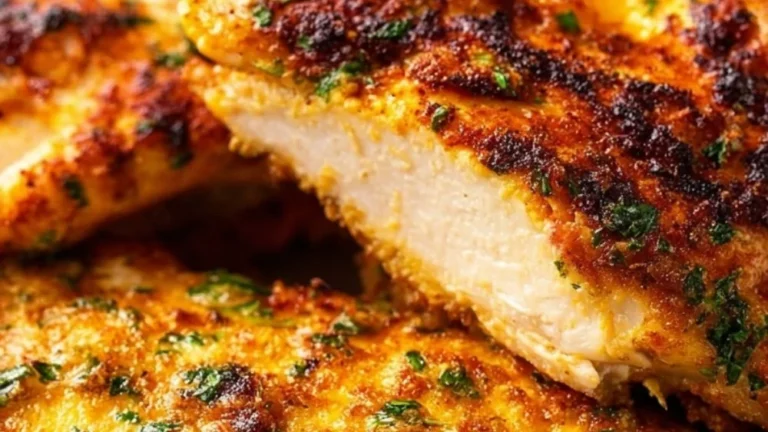
Chicken Crust Pizza
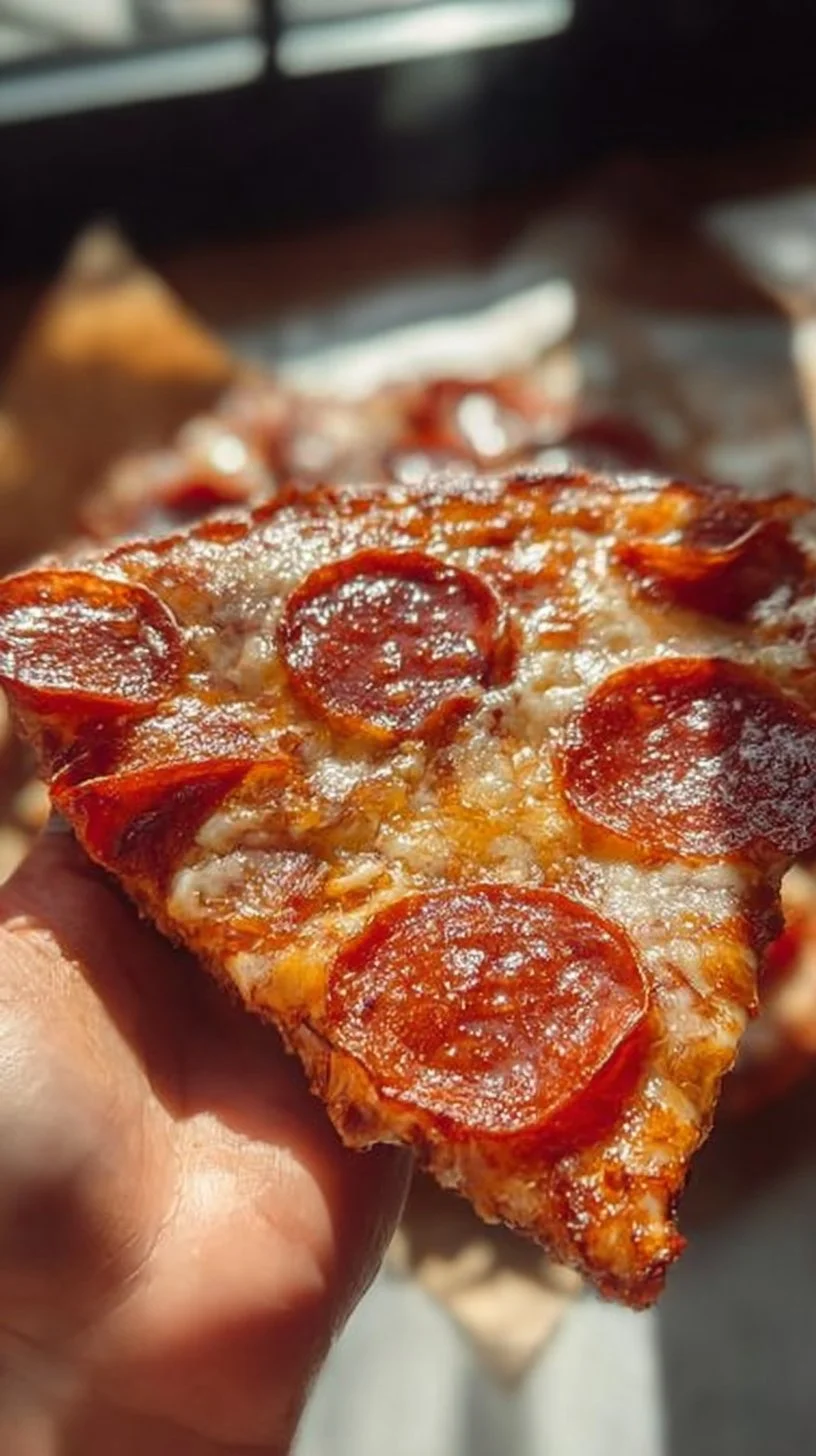
Introduction
This chicken crust pizza is one of those practical, dependable recipes I come back to when I want something that feels lighter but still deeply satisfying. The crust is made from ground chicken and cheeses, which removes the heaviness of a traditional dough while keeping the familiar pizza format — slices you can hold, a toasty edge, room for plenty of toppings. It’s a calm, no-fuss approach to pizza that works well on weeknights when you want a real meal without lots of flips and tricks.
If you like pizza with approachable flavor and fewer carbs, this is a good one to add to rotation alongside other chicken-forward weeknight ideas; it plays nicely with smoky or tangy toppings and is quick enough to be repeated without feeling like a chore. For a slightly different spin you might enjoy a BBQ-style chicken pizza for a theme night, which pairs well with this approach — try this take on a BBQ-style chicken pizza if you want to vary the toppings while keeping the same simple crust technique.
How this recipe fits into a balanced lifestyle
This recipe supports a balanced approach to eating by focusing on portion, ingredient quality, and straightforward preparation. It doesn’t promise extremes; instead, it offers a way to enjoy pizza more often by shifting the base to lean protein and cheese. That change keeps the meal filling and savory but lighter in sensation than a deep-dish or heavily sauced pie.
Feeling lighter here is about how the meal sits with you afterward: the protein-forward crust promotes satiety without the dense chew of wheat dough, and the emphasis on fresh toppings — vegetables, a modest amount of sauce, and a finishing sprinkle of cheese — keeps flavors bright. You can enjoy a satisfying main course and pair it with a crisp side salad or roasted vegetables to make a complete plate that feels moderate, not restrictive.
This kind of recipe fits naturally into a week where variety matters. Use it as a straightforward weeknight dinner, a weekend lunch when you want something different, or a repeat-meal template you can remix with different toppings. If you’re building a weekly menu around balanced, practical meals, this recipe is reliable and adaptable to nearby produce or what’s in your fridge — similar in spirit to other simple, flavor-forward recipes like the comforting turmeric chicken soup for cooler nights.
How to make Chicken Crust Pizza
Overall flow: mix the crust ingredients, shape and bake the crust, top and finish baking. That’s it. The simplicity of the method is what makes this approachable — there’s no need to fuss with rising times or complicated dough handling. Where most of your attention should go is on the texture of the crust mixture and the timing of the two bakes (the initial crust set and the finishing bake with toppings).
Keep things simple: weigh or loosely pack the cheese, don’t overwork the chicken beyond combining, and use parchment to avoid sticking. When shaping, aim for even thickness so the crust cooks uniformly. Once the crust has had its first bake and is firm, add your toppings thoughtfully — a modest amount of sauce, a scattering of vegetables to add freshness, and a final sprinkling of cheese.
If you approach this as a template rather than a rigid formula, it’s much easier to personalize without losing the balance of flavors and textures that make the dish feel lighter yet satisfying. For a different topping profile that stays light and bold, consider the flavor-forward approach of a bang bang chicken bowl and borrow its bright, layered toppings ideas.
Ingredients
1 lb ground chicken, 1 cup mozzarella cheese, shredded, 1/4 cup grated Parmesan cheese, 1 egg, 1 teaspoon garlic powder, 1 teaspoon onion powder, 1 teaspoon Italian seasoning, Salt and pepper to taste, Pizza toppings of choice (e.g., sauce, vegetables, additional cheese)
Each component plays a clear role:
- 1 lb ground chicken: The structural base. Ground chicken firms up when baked and creates a protein-forward crust that holds toppings while keeping the overall bite lighter than wheat-based dough.
- 1 cup mozzarella cheese, shredded: Moisture and melt. Mozzarella helps bind the chicken and gives you the classic melty, gooey pizza element on top and slightly within the crust.
- 1/4 cup grated Parmesan cheese: Flavor concentration. Parmesan adds umami and a savory edge that keeps the crust from tasting bland.
- 1 egg: Glue and lift. The egg helps hold the mixture together and gives the baked crust a pleasant, slightly tender texture.
- 1 teaspoon garlic powder & 1 teaspoon onion powder: Background aromatics. These powders are simple, pantry-friendly ways to add savory depth without fresh prep.
- 1 teaspoon Italian seasoning: Herb lift. Dried herbs bring familiar pizza notes so the crust already tastes slightly seasoned before toppings.
- Salt and pepper to taste: Essential seasoning to make everything sing.
- Pizza toppings of choice (e.g., sauce, vegetables, additional cheese): The finishing personality. Choosing bright vegetables and a moderate amount of sauce keeps each slice lively rather than heavy.
Simple, mindful ingredient choices matter because they let the textures and natural flavors come through. Balance is achieved by combining protein, a small amount of melting cheese for satisfaction, and controlled seasoning — creating a meal that feels complete without relying on excessive fats or heavy components.
Directions
- Preheat the oven to 425°F (220°C)., 2. In a large bowl, combine ground chicken, mozzarella cheese, Parmesan cheese, egg, garlic powder, onion powder, Italian seasoning, salt, and pepper. Mix until well combined., 3. Place the chicken mixture on a parchment-lined baking sheet and shape it into a pizza crust, about 1/2 inch thick., 4. Bake the crust for 15 minutes or until golden and firm., 5. Remove from the oven and add pizza sauce, cheese, and desired toppings., 6. Return to the oven and bake for an additional 10-15 minutes, until the cheese is melted and bubbly., 7. Slice and serve hot.
Supportive guidance around the steps:
- Step 1: Preheat fully. A hot oven helps the chicken crust set quickly and develop a lightly golden edge. Don’t rush this; an oven that’s at temperature gives you a better texture.
- Step 2: Mixing is straightforward. Use your hands or a spatula to combine until uniform — you’re looking for an even distribution of cheese and seasoning. Overmixing isn’t necessary; just combine until cohesive.
- Step 3: Shape carefully. Aim for about 1/2 inch thickness. If one area is markedly thinner, it will crisp faster and may dry out. A parchment-lined sheet makes transferring and cleanup easy.
- Step 4: Check for doneness by looking for a firm, slightly golden surface. The crust should feel set when you gently press the center; if it still seems very soft, give it a couple more minutes.
- Step 5: Top thoughtfully. Use sauce sparingly so the crust doesn’t become soggy. A layer of fresh vegetables adds contrast to the cooked chicken crust.
- Step 6: Finish time depends on toppings. If you add lots of raw vegetables, you may need the full 10–15 minutes to make everything meld; if the toppings are pre-cooked, the shorter end works.
- Step 7: Let it rest briefly before slicing. A couple of minutes lets the cheese settle so slices hold together.
Keep the rhythm simple: set the oven, mix, shape and bake, top and finish. That straightforward sequence keeps the process calm and dependable.
The role of preparation in keeping this dish light
How you prepare things influences both the final texture and how heavy the meal feels. Baking the crust first gives it structure and prevents sogginess — a critical step to avoid a limp base. Using shredded mozzarella and a small amount of Parmesan blends melt and flavor without an overload of dairy, so you get comfort without excess richness.
Technique matters: shaping an even crust, pacing the two bakes, and distributing toppings with restraint are small choices that change the meal’s character. For example, pre-roasting vegetables or using quick-pickled peppers adds brightness without adding weight, while a generous scattering of fresh herbs at the end keeps flavors crisp.
Cooking methods also affect satisfaction. Dry-heat methods like baking produce that slightly crisp edge and well-defined textures that feel more substantial on the plate than something steamed or stewed. That contrast — a sturdy crust with bright toppings — is what makes the dish feel lighter and more composed.
Simple ways to adjust without losing balance
You can personalize this recipe in many small, flavor-forward ways without changing the ingredients or steps:
- Topping swaps: Use grilled vegetables, arugula, or thinly sliced tomatoes to introduce freshness and acidity.
- Sauce approach: Go light with tomato sauce, or spread a thin layer of pesto or olive oil and garlic for a less saucy profile.
- Herbs and finishing touches: Fresh basil, lemon zest, or a drizzle of balsamic reduction can lift flavors without adding heaviness.
- Textural contrasts: Add toasted nuts or seeds to a side salad to create crunch that complements the tender crust.
These are conceptual tweaks that preserve the core method and ingredient list while letting you tailor the final pizza to the occasion — weeknight simplicity, weekend entertaining, or a quick solo lunch.
Pairing ideas for a complete, well-rounded meal
Think balance on the plate: pair the pizza with something crisp and something bright. A simple mixed greens salad with lemon vinaigrette provides acidity and a cool counterpoint to the warm pizza. Roasted seasonal vegetables add warmth and a hearty side without making the plate feel heavy.
For extra crunch and a touch of protein variety, a side of chickpea salad or a light bean salad works well. If you want handheld sides, a chicken-avocado wrap-like salad brings similar flavors and keeps the meal cohesive — try assembling a simple wrap-style salad inspired by this chicken avocado wrap to serve alongside slices for variety.
Drinks: keep them simple — sparkling water with citrus, a light iced tea, or a glass of wine, if that suits your evening. The goal is to complement, not compete with, the pizza’s savory profile.
Storage, leftovers, and next-day enjoyment
This pizza stores well, and the chicken crust holds up better than many alternative crusts. Cool completely before refrigerating to prevent condensation and sogginess. Store in an airtight container for up to 3 days in the fridge.
Reheating tips: a quick reheat in a 350°F oven for 8–10 minutes brings back texture more faithfully than the microwave, which can make the crust rubbery. If you’re in a hurry, a skillet over medium heat with a lid melts the cheese while crisping the bottom. For longer storage, you can freeze slices wrapped tightly for up to 1 month; thaw in the fridge overnight before reheating.
When reheating, consider adding a handful of fresh greens or a squeeze of lemon to revive brightness and avoid the meal feeling heavy the next day.
Common questions about lighter everyday cooking
How much should I serve per person?
- Two modest slices often make a balanced portion with a side salad. Adjust based on appetite and whether you’re serving other sides.
Can I meal-plan with this recipe?
- Absolutely. Make two crusts at once if you expect leftovers, and vary toppings across nights to keep things interesting.
How do I avoid the pizza feeling dry?
- Keep an eye on the initial bake; once the crust is golden and firm, it’s ready for toppings. Use a modest amount of sauce and consider creamy elements like a small sprinkle of fresh mozzarella or a yogurt-based drizzle only as a finishing touch.
What keeps lighter meals satisfying?
- Focus on texture contrasts, thoughtful seasoning, and a balance of protein, fresh vegetables, and a controlled amount of comforting elements like melted cheese. Repeating meals is easier when you treat a base recipe as a flexible template.
Final thoughts from Daniel
Cook intuitively: use this recipe as a reliable framework. It rewards small attentions — even heat, even thickness, modest sauce — more than perfection. Balance is flexible here: you can aim for lighter sensations without eliminating the comforting elements that make pizza delightful. Keep it simple, choose fresh toppings, and let the protein-forward crust do the heavy lifting.
This recipe earns a spot in regular rotation because it’s practical, satisfying, and adaptable. If you’re building a habit of everyday meals that feel lighter but still nourishing, it’s a steady, flavor-forward option.
Conclusion
If you want to compare similarHigh-protein twists on chicken crust pizza, this Chicken Crust Pizza Recipe for High Protein Meals offers a different perspective on portions and timing. For a low-carb, keto-focused approach with a similar method, check out the recipe at Chicken Crust Pizza – Wholesome Yum. And for another balanced presentation with clear nutrition details, see the take on Chicken Crust Pizza {33g Protein} – Healthy Fitness Meals.
Chicken Crust Pizza
Ingredients
Method
- Preheat the oven to 425°F (220°C).
- In a large bowl, combine ground chicken, mozzarella cheese, Parmesan cheese, egg, garlic powder, onion powder, Italian seasoning, salt, and pepper. Mix until well combined.
- Place the chicken mixture on a parchment-lined baking sheet and shape it into a pizza crust, about 1/2 inch thick.
- Bake the crust for 15 minutes or until golden and firm.
- Remove from the oven and add pizza sauce, cheese, and desired toppings.
- Return to the oven and bake for an additional 10-15 minutes, until the cheese is melted and bubbly.
- Slice and serve hot.