Air Fryer Chicken Breasts
Introduction
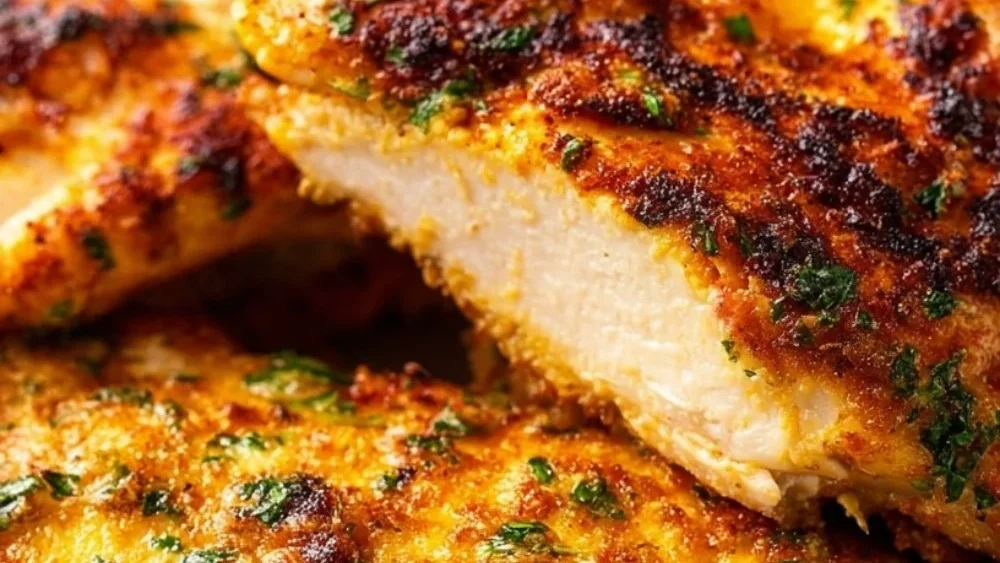
I reach for recipes like this Air Fryer Chicken Breasts when I want dinners that are straightforward, flavorful, and easy to repeat. It works for everyday meals because it takes a familiar protein — chicken breasts — and uses a quick, dry-heat method to keep the result feeling lighter without skimping on satisfaction. You get a clean crust, juicy interior, and a base that plays well with salads, grains, or vegetables depending on what you have on hand.
This is a weeknight staple: fast enough for busy evenings, robust enough for packed lunches, and simple enough to make multiple times without it feeling repetitive. If you enjoy turning a leftover chicken breast into a nimble meal, you might also like a saucy twist like a BBQ chicken pizza for a different dinner the next night — but the point here is that this recipe is the kind of building block that keeps a week of meals both varied and manageable.
How this recipe fits into a balanced lifestyle
This recipe is designed around everyday balance. It doesn’t rely on elaborate marinades or heavy coatings; instead, a light brush of oil and simple spices provide flavor without weighing the dish down. That approach supports a pattern of meals built from whole ingredients, sensible portions, and straightforward techniques — not restriction, just thoughtful choices.
Feeling lighter in a meal is often about texture and proportion as much as calories. The air fryer crisps the exterior quickly, which creates contrast with the tender inside and makes smaller portions feel satisfying. The simplicity also leaves room on the plate for colorful vegetables or a modest grain, which keeps the meal rounded and enjoyable. Because the recipe is fast and reliable, it fits into a varied weekly routine: pair it with roasted sweet potatoes one night, slice it over a salad the next day, or toss the slices into a stir-fry for lunch.
How to make Air Fryer Chicken Breasts
At its core, the cooking flow is short and intentional: dry the meat, add a little oil and seasoning, air-fry until done, then rest before slicing. Simplicity matters most where it saves time without sacrificing texture — patting the chicken dry and using a modest amount of oil are two small steps that make a big difference in the finish.
Approach this recipe without overthinking: treat the timing as a guideline (15–20 minutes) and rely on visual cues and, ideally, a thermometer for certainty. The air fryer creates fast surface heat, so the chicken forms a pleasant crust without needing breading or heavy sauces. Letting the meat rest briefly after cooking allows juices to redistribute, which is the simple trick that keeps slices from drying out. The rest of the process — pairing and plating — is where you can get creative, not in the core cooking steps.
Ingredients
2 boneless, skinless chicken breasts, 1 tablespoon olive oil, 1 teaspoon garlic powder, 1 teaspoon paprika, Salt and pepper to taste
Each ingredient here plays a clear role:
- 2 boneless, skinless chicken breasts: A lean, versatile protein that cooks quickly. Using breasts means cooking time is short and the flavor is neutral enough to accept a variety of seasonings or sides.
- 1 tablespoon olive oil: Adds a touch of fat to promote browning and flavor without making the dish heavy. A little oil on the surface helps spices adhere and encourages a satisfying crust in the air fryer.
- 1 teaspoon garlic powder: Provides a concentrated, mellow garlic note that doesn’t overpower the chicken. Garlic powder is convenient and evenly distributed, which is helpful for a quick weeknight recipe.
- 1 teaspoon paprika: Brings warmth, color, and a gentle smokiness depending on the paprika you choose. It rounds out the flavor profile and makes the finished chicken look more appetizing.
- Salt and pepper to taste: Fundamental seasonings that sharpen and balance the other flavors. They’re applied to taste so you can adjust for dietary preference and the saltiness of any sides you serve.
The simplicity here is intentional: balance comes from combining small amounts of good ingredients to make a pleasing whole rather than from eliminating flavor or making the recipe restrictive.
Directions
- Preheat the air fryer to 375°F (190°C).
- Pat the chicken breasts dry and brush with olive oil.
- Sprinkle garlic powder, paprika, salt, and pepper evenly over both sides of the chicken.
- Place the chicken breasts in the air fryer basket in a single layer.
- Cook for 15-20 minutes or until the internal temperature reaches 165°F (74°C), flipping halfway through.
- Let the chicken rest for a few minutes before slicing and serving.
Around these steps, a few practical notes help the process:
- What to look for as you cook: The exterior should develop a pale golden color rather than a deep crust; because breasts are lean, you want to avoid an over-darkened outside that signals overcooking inside. Use a meat thermometer if you have one — 165°F (74°C) is the target for safety and juiciness.
- How to avoid overcomplicating the process: Resist the urge to double up on spices or add a heavy sauce before cooking. The goal is a clean, balanced flavor that leaves room for sides. Stay consistent with the given amounts and focus on timing and temperature control.
- Signs the dish is coming together properly: After resting, slices should be moist with no visible dryness at the center, and the exterior should have a pleasant, slightly crisp texture that contrasts with the interior. If the chicken feels tight and stringy, it has likely been cooked a bit too long — shorter cooking the next time or checking earlier will help.
The role of preparation in keeping this dish light
Cooking methods influence how heavy or light a dish feels. Air frying uses circulating hot air to mimic the browning action of oil-based frying but with far less fat. That lightness preserves a satisfying external texture while keeping the interior tender. Small preparation steps — like patting the chicken dry and applying a single tablespoon of oil — control how the surface browns and how much additional fat ends up on the plate.
Technique matters as much as ingredients. Even with minimal seasoning, a well-rested chicken breast tastes fuller and more cohesive than one cut immediately after cooking. The simple discipline of resting the meat reduces the perception of dryness and keeps you from compensating with heavier sides. Choosing flavors that lift rather than mask the protein — garlic powder and paprika, in this case — helps the meal feel bright and fresh, which contributes to the overall sense of lightness.
Simple ways to adjust without losing balance
You can personalize the experience without changing the recipe’s core:
- Spice direction: Swap the paprika for smoked paprika for a smokier profile, or add a pinch of dried oregano for an herbal lift. These are flavor shifts, not structural changes.
- Citrus finish: A squeeze of lemon after slicing adds brightness and cuts through richness, keeping the plate lively.
- Herb garnish: Fresh parsley or chopped chives sprinkled on at the end provide aroma and a fresh contrast.
- Cooking variations: If you prefer a touch more crust, increase the air-fryer temperature for the final 2–3 minutes while watching closely; if your breasts are particularly thick, reduce temperature slightly and extend time to avoid over-browning.
All these tweaks maintain the balance the recipe is built on: modest fat, clear flavors, and simple technique. None of them require changing the ingredient list or the steps, just slight shifts in finishing and seasoning.
Pairing ideas for a complete, well-rounded meal
Think in terms of texture and color as well as flavor when composing a plate:
- Vegetable-forward: Roasted Brussels sprouts or a quick sauté of green beans with a lemon zest keep the plate bright and provide satisfying bite.
- Salad option: Slice the chicken and place it over a mixed-green salad with cherry tomatoes, cucumber, and a light vinaigrette to keep things fresh and filling without heaviness.
- Grain choice: A modest scoop of quinoa or farro adds chew and keeps portions balanced; these grains also pair well with pan juices and a drizzle of olive oil.
- Lighter indulgence: If you want a comforting element, mashed sweet potatoes give creaminess and sweetness without overshadowing the chicken.
For another way to use cooked chicken, try a saucier application the following day — the meat is sturdy enough to be added to sandwiches or flatbreads. One idea is to serve slices alongside a warm grain bowl, adding roasted veggies and a dollop of yogurt-based dressing for creaminess without excess.
You can also explore a contrasting, crowd-friendly dish like a BBQ chicken pizza if you want a different meal built from similar ingredients; combining small amounts of richer flavors across meals helps maintain variety without waste.
Storage, leftovers, and next-day enjoyment
This cooked chicken stores well when handled properly:
- Cooling and storing: Let the chicken cool to near room temperature (no more than two hours) before placing it in an airtight container. Refrigerate and use within 3–4 days for best texture.
- Freezing: If you want longer storage, slice and freeze in a single layer on a tray before transferring to a freezer bag; frozen chicken is best used within 2–3 months.
- Reheating tips: To preserve texture, reheat gently — a quick turn in the air fryer at 325°F (160°C) for 4–6 minutes keeps the outside from becoming rubbery while warming the center. Alternatively, wrap slices in a damp towel and microwave in short bursts to avoid drying.
- Using leftovers: Sliced cold for salads, shredded into wraps, tossed into a quick stir-fry, or warmed and served over a grain — each approach alters perception of the meal without adding unnecessary heaviness.
Leftovers can actually extend the value of the original cooking session by providing quick, balanced meals throughout the week.
Common questions about lighter everyday cooking
- How much chicken is a reasonable portion? A single, average-sized boneless breast (roughly 4–6 ounces cooked) is a satisfying protein portion when paired with vegetables and a small grain. Focus on plate balance rather than strict numbers.
- How do you avoid getting bored with repeat meals? Small finishing changes — a squeeze of citrus, a different herb, or swapping a side — keep repetition from feeling monotonous. Having one reliable technique lets you change flavors without relearning steps.
- Is air frying actually healthier? Air frying reduces the need for added oil while still providing crisping. That can make the texture lighter and the meal feel fresher, but balance comes from the whole plate, not just the cooking vessel.
- Can this be made for meal prep? Yes — cook a batch, cool, and store slices for salads and grain bowls. Keeping dressings and soft elements separate until serving preserves texture and freshness.
Final thoughts from Daniel
This Air Fryer Chicken Breasts recipe is one of those dependable go-tos that supports a balanced, everyday approach to cooking. It’s practical — minimal fuss, reliable results — and it respects flavor and texture so meals feel satisfying without being heavy. Cook it with intention: a little attention to drying, seasoning, and resting pays off in crispness and juiciness that make smaller portions feel complete.
Balance in the kitchen is flexible. Use this recipe as a base that adapts to seasonal vegetables, weekend experiments, or quick weekday routines. It’s approachable, repeatable, and straightforward — the kind of recipe that helps you cook more and worry less.
Conclusion
If you want a concise, reliable method for juicy chicken with a light finish, this approach is worth keeping in regular rotation — and for a slightly different take on air-fried chicken, you can compare techniques with this Air Fryer Chicken Breast Recipe (Tender & Juicy!) for additional tips and variations.

Air Fryer Chicken Breasts
Ingredients
Method
- Preheat the air fryer to 375°F (190°C).
- Pat the chicken breasts dry and brush with olive oil.
- Sprinkle garlic powder, paprika, salt, and pepper evenly over both sides of the chicken.
- Place the chicken breasts in the air fryer basket in a single layer.
- Cook for 15-20 minutes or until the internal temperature reaches 165°F (74°C), flipping halfway through.
- Let the chicken rest for a few minutes before slicing and serving.