Creamy Beef Pasta
Introduction
Hello — I’m Carla Carter, Founder & Recipe Developer of RecipesCabin. This Creamy Beef Pasta is the kind of weeknight friend I want in every home kitchen: straightforward, comforting, and forgiving. If you’re new to cooking, returning after a few kitchen mishaps, or someone who prefers simple, dependable meals, this recipe is written with you in mind. It uses familiar ingredients, clear steps, and produces a creamy, satisfying meal without complicated techniques.
What makes this dish approachable is that it relies on timing and simple observations — brown the beef, soften the onion, stir in cream — instead of precise culinary wizardry. You’ll learn a few basic skills you can use again and again, and you’ll end dinner feeling like you accomplished something cozy and nourishing. I’ll walk you through what to watch for, why each step matters, and how to troubleshoot gently if something doesn’t look perfect right away.
Why this recipe is easy to get right
This Creamy Beef Pasta is forgiving in several ways. The sauce is cream-based, so small variations in timing or heat won’t ruin it. If the sauce starts a little thin, a splash of reserved pasta water or an extra handful of Parmesan takes care of it. If the onions brown a little more than planned, the garlic and cream smooth things out. The pasta can sit briefly off heat without losing texture, and the ground beef is forgiving if it cooks a touch longer than the recipe states.
Flexibility comes from textures and flavors that complement each other: tender pasta, rich cream, savory beef, and salty Parmesan. None of these elements demand perfect conditions. Precision matters a few places — like cooking pasta to al dente or properly browning the beef — but elsewhere you can adapt to what your kitchen and ingredients give you. That makes this a great recipe for all skill levels.
How to make Creamy Beef Pasta
At a high level, the recipe moves through three clear stages: cooking the pasta, preparing the flavored beef base, and finishing with a creamy sauce that binds everything together.
First, you cook the penne until al dente and reserve pasta water. That reserved water is a small but powerful ingredient — it contains starch that helps the sauce cling to the pasta. Next, you gently cook the onion and garlic in olive oil until fragrant and soft, then brown the ground beef. Browning builds flavor; those little caramelized bits are what make the sauce taste rich. Finally, you lower the heat, stir in the heavy cream, use the reserved pasta water to reach the sauce consistency you like, and melt in Parmesan to thicken and flavor the sauce. Toss the pasta in the skillet so every piece is coated, and serve.
Beginners should slow down during two moments: the browning of the beef and when adjusting the sauce consistency. Brown the meat until you see small brown bits and no pink; that depth of color equals depth of flavor. When adding reserved pasta water, add gradually — it’s easier to thin a sauce than to thicken it once it’s too thin.
Ingredients
8 oz penne pasta, 1 lb lean ground beef, 1 cup heavy cream, 3 cloves garlic, minced, 1 medium onion, diced, 1 cup grated Parmesan cheese, 2 tsp Italian seasoning, Salt and pepper to taste, 2 tsp olive oil for sautéing
Each ingredient plays a straightforward role:
- 8 oz penne pasta: The pasta is the backbone — it soaks up the sauce and gives the dish substance. Penne’s ridges and tube shape help trap the creamy sauce so every bite is saucy.
- 1 lb lean ground beef: Provides savory richness and texture. Using lean beef reduces excess grease, keeping the sauce smoother and less oily.
- 1 cup heavy cream: This creates the lush, silky body of the sauce. Heavy cream tolerates gentle simmering well without breaking, giving a stable, velvety finish.
- 3 cloves garlic, minced: Garlic brings bright, aromatic flavor. Minced garlic disperses more evenly through the sauce than whole cloves.
- 1 medium onion, diced: Onion is a mild sweet base when sautéed. It softens and adds flavor without taking over.
- 1 cup grated Parmesan cheese: Parmesan melts into the cream, thickening and adding salty, nutty depth. Use freshly grated for best melting and flavor.
- 2 tsp Italian seasoning: A simple mix of herbs that adds familiar, comforting notes — oregano, basil, thyme — without complexity.
- Salt and pepper to taste: Essential to drawing out flavors. Taste and adjust gently.
- 2 tsp olive oil for sautéing: Olive oil prevents sticking and helps the onions soften evenly.
None of these ingredients are complicated or exotic. They work together harmoniously — onion and garlic create an aromatic base, beef adds savor and texture, cream and Parmesan provide the sauce body and richness, and pasta brings everything together. The result is comforting and approachable.
Directions
Cook the penne according to package instructions until al dente. Drain and reserve 1 cup of pasta water., In a large skillet over medium heat, add olive oil. Sauté the diced onion and minced garlic until fragrant (about 5 minutes)., Add ground beef to the skillet, breaking it apart as it cooks until browned (about 7 minutes). Season with salt, pepper, and Italian seasoning., Lower heat and stir in heavy cream. Gradually add reserved pasta water until desired sauce consistency is reached. Mix in grated Parmesan until melted., Combine cooked pasta with the sauce in the skillet, tossing gently to coat., Serve hot, garnished with additional Parmesan or fresh parsley if desired.
Supportive guidance for each step:
- Cook the penne according to package instructions until al dente. Drain and reserve 1 cup of pasta water.
- Visual cue: Al dente means the pasta is cooked through but still has a slight bite — not mushy. Taste a piece a minute or two before the lowest time on the package. It should be tender but not soft to the point it falls apart.
- Tip: Reserve the pasta water before draining. It looks cloudy and slightly sticky — that’s the starch we want. Keep it warm; cold water can cool the sauce.
- In a large skillet over medium heat, add olive oil. Sauté the diced onion and minced garlic until fragrant (about 5 minutes).
- Visual cue: Onions should become translucent and soften, edges just starting to color. Garlic should smell aromatic but not burnt. If garlic darkens quickly, lower the heat — burnt garlic turns bitter.
- Tip: Stir occasionally so both onion and garlic soften evenly. If oil starts to smoke, reduce the heat immediately.
- Add ground beef to the skillet, breaking it apart as it cooks until browned (about 7 minutes). Season with salt, pepper, and Italian seasoning.
- Visual cue: The beef should change from pink to brown and develop little browned bits stuck to the pan. Those bits are flavor gold — scrape them up with your spoon when you add liquid.
- Tip: Use a wooden spoon or spatula to break the meat into bite-sized pieces. If the pan accumulates a lot of grease, tilt it and remove the excess to keep the sauce from feeling oily.
- Lower heat and stir in heavy cream. Gradually add reserved pasta water until desired sauce consistency is reached. Mix in grated Parmesan until melted.
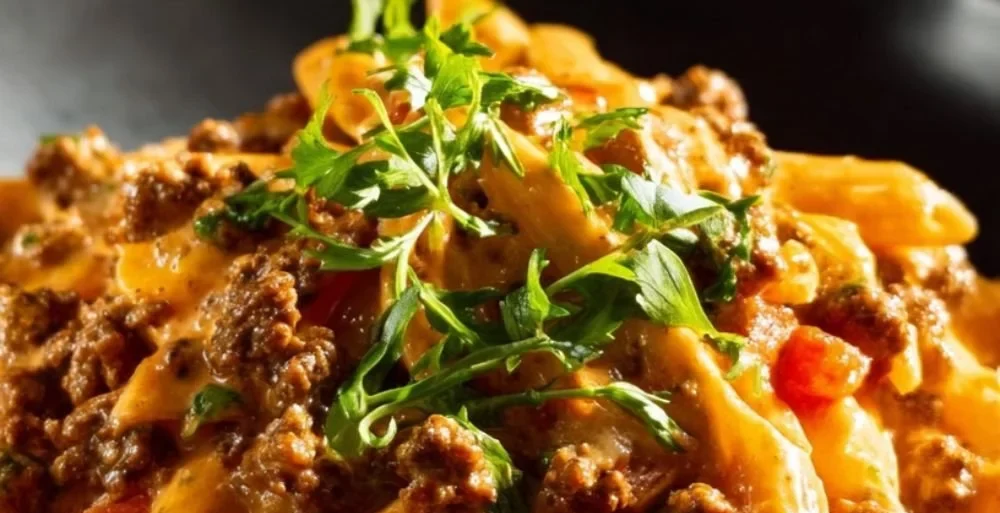
- Visual cue: The cream will loosen and mingle with the browned bits, turning a pale, glossy color. Adding pasta water makes the sauce silkier. Parmesan should melt smoothly and thicken the sauce.
- Tip: Add pasta water a little at a time — a few tablespoons — until the sauce coats the back of a spoon. If it becomes too thin, stir in a little more Parmesan and simmer gently until it thickens.
- Combine cooked pasta with the sauce in the skillet, tossing gently to coat.
- Visual cue: Each piece of penne should be evenly coated and glossy, not drowning in liquid. A gentle toss helps the sauce cling to the pasta rather than pool under it.
- Tip: If you prefer a saucier dish, reserve more pasta water before draining and add until you reach the texture you like.
- Serve hot, garnished with additional Parmesan or fresh parsley if desired.
- Visual cue: Serve when steam rises and the cheese is melted and glossy. A sprinkle of fresh parsley brightens the plate.
If things don’t look perfect at any step, that’s okay. A slightly thinner sauce can be thickened with a spoonful more Parmesan or a short simmer on low. If the beef is a touch overcooked, the cream smooths it out. Small imperfections rarely affect the overall comfort and flavor of this dish.
Key techniques you’ll practice in this recipe
This recipe reinforces a handful of fundamentals that are useful across many dishes:
- Sautéing aromatics: Learning to soften onions and garlic without burning them gives you a foundation for soups, sauces, and stir-fries.
- Browning meat: Proper browning deepens flavor. You’ll notice a difference between steamed, pale meat and meat with browned bits — the latter adds complexity to sauces and casseroles.
- Using pasta water: Understanding how starchy pasta water binds sauces is a small trick that makes many pasta dishes come together more professionally.
- Emulsifying cream and cheese: Melting Parmesan into cream creates a stable, glossy sauce when done gently. This is helpful for other creamy sauces or risottos.
- Tasting and adjusting: You’ll practice seasoning and adjusting texture — two skills that improve every time you cook.
These techniques are gentle but powerful. Once you’re comfortable with them here, you’ll find them useful in dozens of other recipes.
Common mistakes and how to avoid them
Here are typical errors and easy recoveries:
- Pasta overcooked and mushy:
- Avoid by tasting a minute or two before the package time. If it’s already soft, drain and rinse briefly under hot water only if you must; otherwise toss with a little oil and use it in a baked dish.
- Burnt garlic:
- Burnt garlic tastes bitter. If you see dark brown garlic, remove it, lower the heat, and sauté fresh minced garlic more gently. If the dish has a slight bitterness, adding a splash of cream or a pinch of sugar can help balance it.
- Sauce too thin:
- Add more grated Parmesan gradually and simmer gently until it thickens. Alternatively, simmer a little longer to reduce excess liquid.
- Sauce too thick:
- Add a tablespoon or two of the reserved pasta water at a time until it loosens to the texture you like.
- Oily final dish:
- If too much grease collects after browning the beef, carefully spoon off excess from the skillet before adding cream. Lean ground beef reduces this risk.
- Bland flavor:
- Taste and adjust with salt and pepper at the end. Parmesan adds saltiness, but a final pinch of salt can lift the flavors. Italian seasoning brings herb notes — add a bit more if you like herbal brightness.
The key is small adjustments rather than big corrections. Most issues are fixable without starting over.
How to adjust confidently without changing the recipe
You may want to scale portions, tweak flavors, or change textures while keeping the ingredient list and steps the same. Here’s how conceptually to approach that:
- Portion scaling concepts:
- To serve more people, scale the ingredients proportionally. For example, double everything for a larger family dinner, and remember to use a larger pot and skillet so everything cooks evenly. Cook pasta in plenty of boiling water so it doesn’t stick.
- Flavor preference adjustments:
- If you like a brighter profile, finish with a squeeze of lemon or a sprinkle of fresh parsley at the end (no ingredient list changes — consider this a garnish idea). If you prefer more herb presence, gently increase the Italian seasoning by small increments.
- Texture tweaks — conceptually only:
- For a silkier sauce, use an extra splash of reserved pasta water and stir until glossy. For a more robust, clingy sauce, use the Parmesan to thicken slightly more. If you want more chew, choose a pasta shape with more grip than penne or cook the penne toward the firmer side of al dente.
Remember: small changes add up. Adjust in small steps and taste as you go.
Serving, storage, and reheating made simple
Serving:
- This dish is best served hot so the sauce is glossy and cheese is melty. Garnish with more Parmesan, and if you have fresh parsley, it adds color and freshness.
- Pair it with a simple green salad or steamed vegetables for balance, or a slice of crusty bread to soak up any extra sauce.
Storage:
- Cool leftovers to room temperature (but no more than two hours) and store in an airtight container in the refrigerator for up to 3–4 days.
- If you plan to freeze, portion into freezer-safe containers and freeze for up to 2 months. Note: cream-based sauces sometimes change texture after freezing; they’re fine for soups and reheated meals, but texture may be slightly different.
Reheating:
- Reheat gently on the stove over low heat with a splash of water or reserved pasta water to loosen the sauce. Stir frequently to keep the sauce smooth.
- In the microwave, reheat in short bursts (30–45 seconds), stirring in between and adding a tablespoon or two of water if needed. Gentle heat helps the cream and cheese come back together without separating.
Questions new cooks often ask about this recipe
Q: How do I know when the pasta is al dente?
A: Taste it. It should be tender but still slightly firm in the center when you bite it. If it’s completely soft, it’s past al dente.
Q: Can I use a different pasta shape?
A: Yes — penne is suggested because it holds sauce well, but any short pasta works. The cooking time may vary slightly.
Q: My sauce looks grainy after adding Parmesan — is that normal?
A: If the cheese was added over very high heat, it can separate. Lower the heat, stir gently, and add a splash of reserved pasta water to help it come back together.
Q: Do I have to reserve pasta water?
A: It’s a small step that really improves the sauce’s texture. If you forget, you can use a tablespoon or two of warm water, but the starch in the reserved water helps the sauce bind.
Q: What equipment do I need?
A: A large pot for pasta, a large skillet for the sauce, a colander, and a spoon or spatula. Nothing fancy; sturdy basics are enough.
Q: Is it okay if the beef is slightly overcooked?
A: Yes — the cream will soften the mouthfeel, and the sauce keeps the overall dish pleasant. Avoid extreme overcooking, but small missteps are fine.
Final encouragement from Carla
Cooking is a practice, and each simple, successful meal builds confidence. This Creamy Beef Pasta is practical training in a few core techniques — sautéing, browning, and balancing a sauce — all while delivering a satisfying, comforting plate. If a step doesn’t go exactly as planned, remember that small adjustments usually bring you back on track. Celebrate the meal you made and the skills you practiced.
You’re doing more than following a recipe; you’re learning how flavors come together and how to trust your senses. Keep making dishes like this one — consistent practice is what turns nervous cooks into comfortable ones. Happy cooking, and I’m proud of you for taking time to feed yourself and those you care about.
Conclusion
If you enjoy creamy, comforting pasta with simple steps, you might also like this similar idea from another recipe developer — see the one pot creamy tomato beef pasta at RecipeTin Eats for a slightly different take.

Creamy Beef Pasta
Ingredients
Method
- Cook the penne according to package instructions until al dente. Drain and reserve 1 cup of pasta water.
- In a large skillet over medium heat, add olive oil. Sauté the diced onion and minced garlic until fragrant (about 5 minutes).
- Add ground beef to the skillet, breaking it apart as it cooks until browned (about 7 minutes). Season with salt, pepper, and Italian seasoning.
- Lower heat and stir in heavy cream. Gradually add reserved pasta water until desired sauce consistency is reached. Mix in grated Parmesan until melted.
- Combine cooked pasta with the sauce in the skillet, tossing gently to coat. Serve hot, garnished with additional Parmesan or fresh parsley if desired.