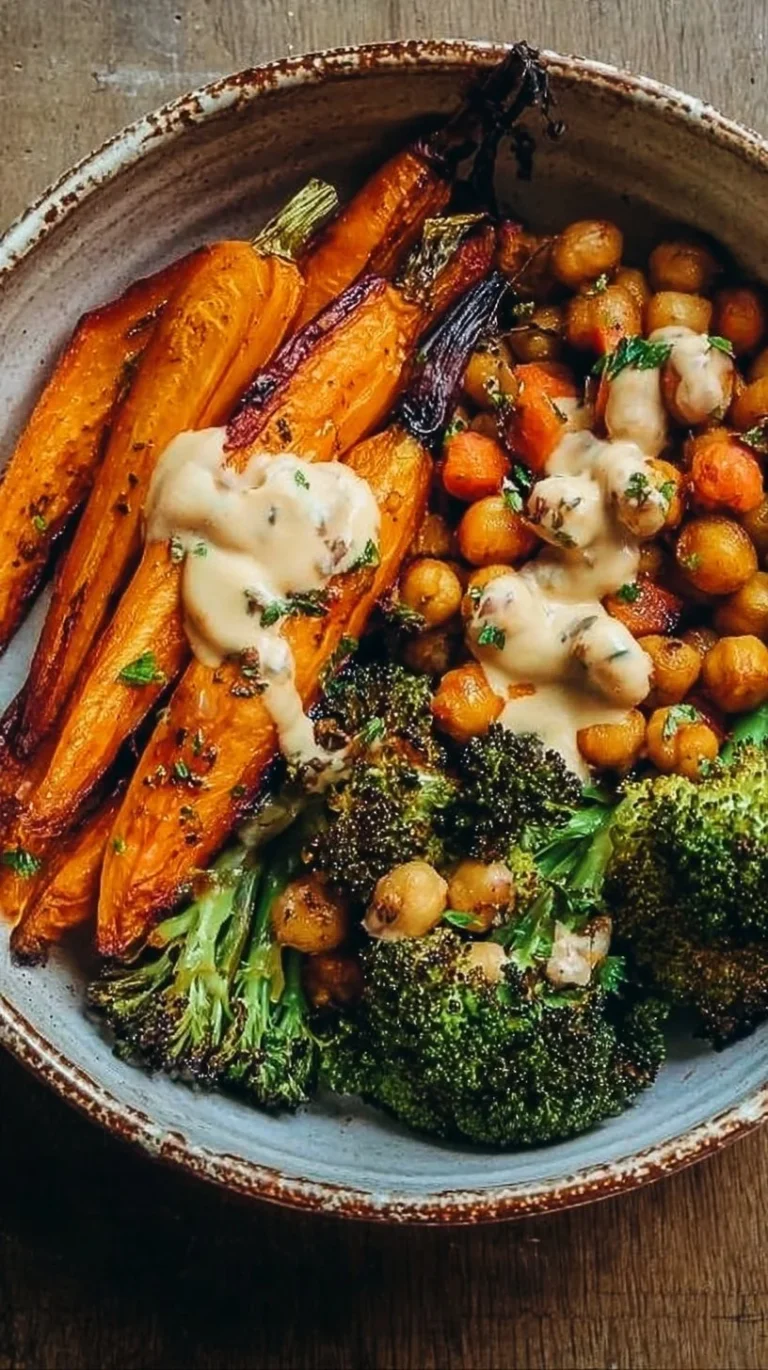
Mediterranean Roasted Vegetable Bowl
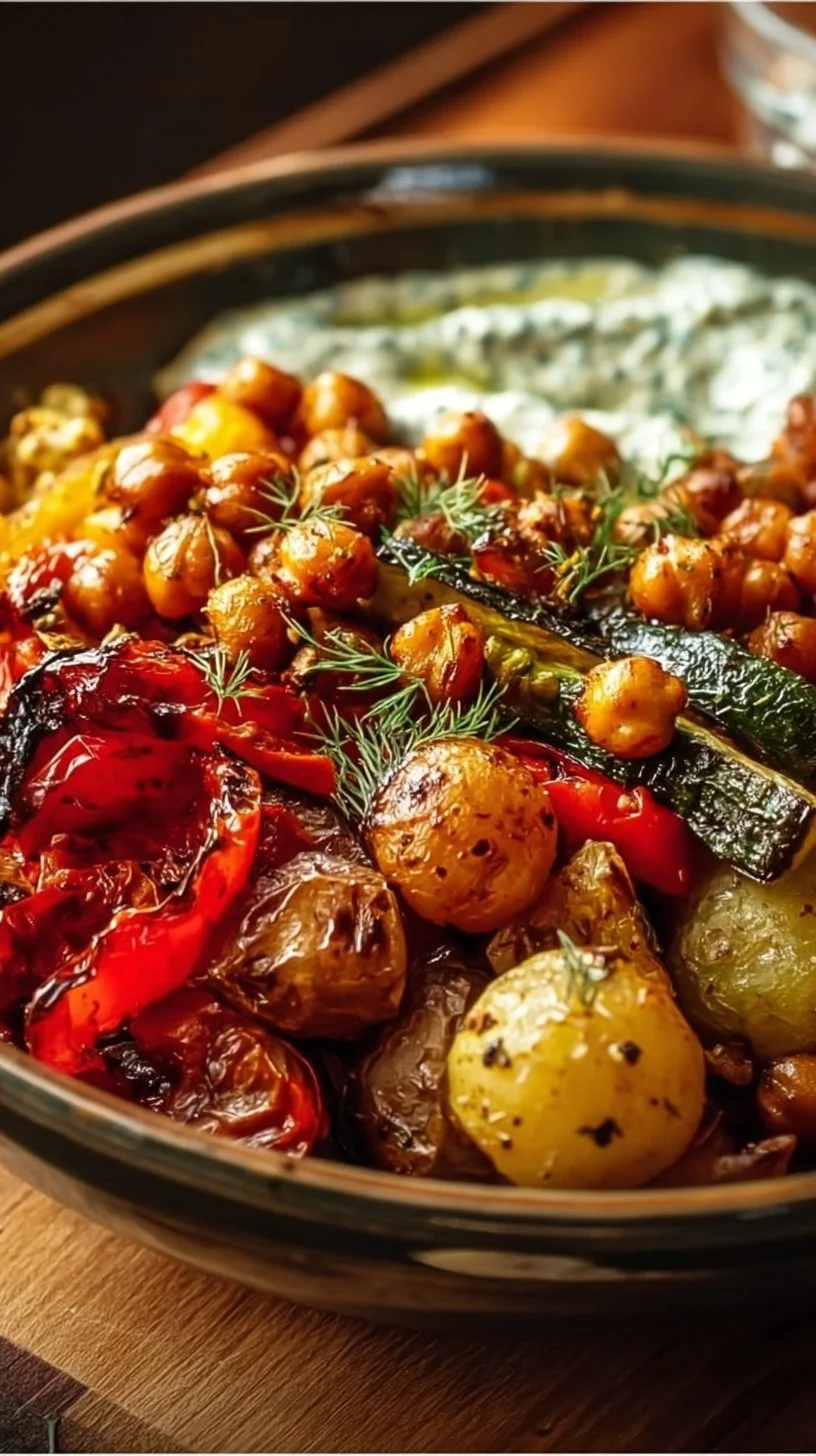
I’m Carla Carter, Founder & Recipe Developer of RecipesCabin, and I’m so glad you’re here. The Mediterranean Roasted Vegetable Bowl is a friendly, down-to-earth recipe for anyone who wants a satisfying, colorful meal without fuss. It’s the sort of dish that welcomes beginners, comforts those returning to the kitchen, and fits into a busy weeknight or a relaxed weekend meal.
This bowl is approachable because it uses simple, everyday ingredients and clear techniques. If you enjoy assembling simple, flavorful bowls, you might also like my Bang Bang Chicken Bowl for another hands-off flavor bomb that’s beginner-friendly. Think of this recipe as a chance to practice roasting, seasoning, and pairing a creamy homemade tzatziki — all skills that will boost your confidence with other recipes.
Why this recipe is easy to get right
There are a few reasons this recipe is forgiving and easy to nail on your first try:
- The ingredients are robust. Vegetables and chickpeas handle a little more or less time in the oven without falling apart. If something is slightly under-roasted, it will still taste fresh and bright with the tzatziki.
- Flavors are simple and complementary. Olive oil, garlic powder, smoked paprika, salt, and pepper are easy to balance. They provide warmth and depth without needing precise measurements beyond what’s already listed.
- The tzatziki cools and brightens the dish, so small variations in roast time or seasoning are forgiven when you add that creamy tang.
- You’re mostly tossing, roasting, and mixing — techniques that are low-pressure and repeatable.
This recipe gives you clear checkpoints — golden edges on the vegetables, slight caramelization, and a creamy, cucumber-studded yogurt — so you’ll know when things are on track. It’s perfect for someone new to cooking or for anyone wanting a dependable, healthy meal.
How to make Mediterranean Roasted Vegetable Bowl
At a high level the recipe moves through three stages: prep, roast, and finish.
- First: Prep your ingredients. Dice the zucchini and bell peppers, slice the red onion, drain and rinse the chickpeas, and gather the seasonings and olive oil. This is the moment to set up everything so you’re not rushing when the oven is hot.
- Next: Toss the chickpeas and vegetables with oil and spices, then spread them in a single layer on a baking sheet. Roasting concentrates flavors and creates slight caramelization — look for edges that are a little browned and tender centers.
- Last: While the vegetables roast, make the tzatziki by combining the Greek yogurt, grated and drained cucumber, lemon juice, garlic, and fresh dill. This cool sauce contrasts the warm, roasted vegetables beautifully.
Where to slow down:
- Take your time with the prep knife work. Even, bite-sized pieces roast more evenly. If you’re nervous about cutting, remember that imperfect shapes still roast well and the bowl is forgiving.
- When mixing spices and oil, make sure everything is coated — a gentle toss with your hands or a large spoon helps. If some pieces look a little dry, a small extra drizzle of olive oil will help.
- Check the roast 5 minutes before the lower end of the time range so you can avoid over-browning if your oven runs hot.
Throughout, focus on simple visual and tactile cues: vegetables should turn tender and show a little browning; chickpeas should warm through and pick up color; tzatziki should be cool, slightly chunky from the cucumber, and fragrant with lemon and dill.
Ingredients
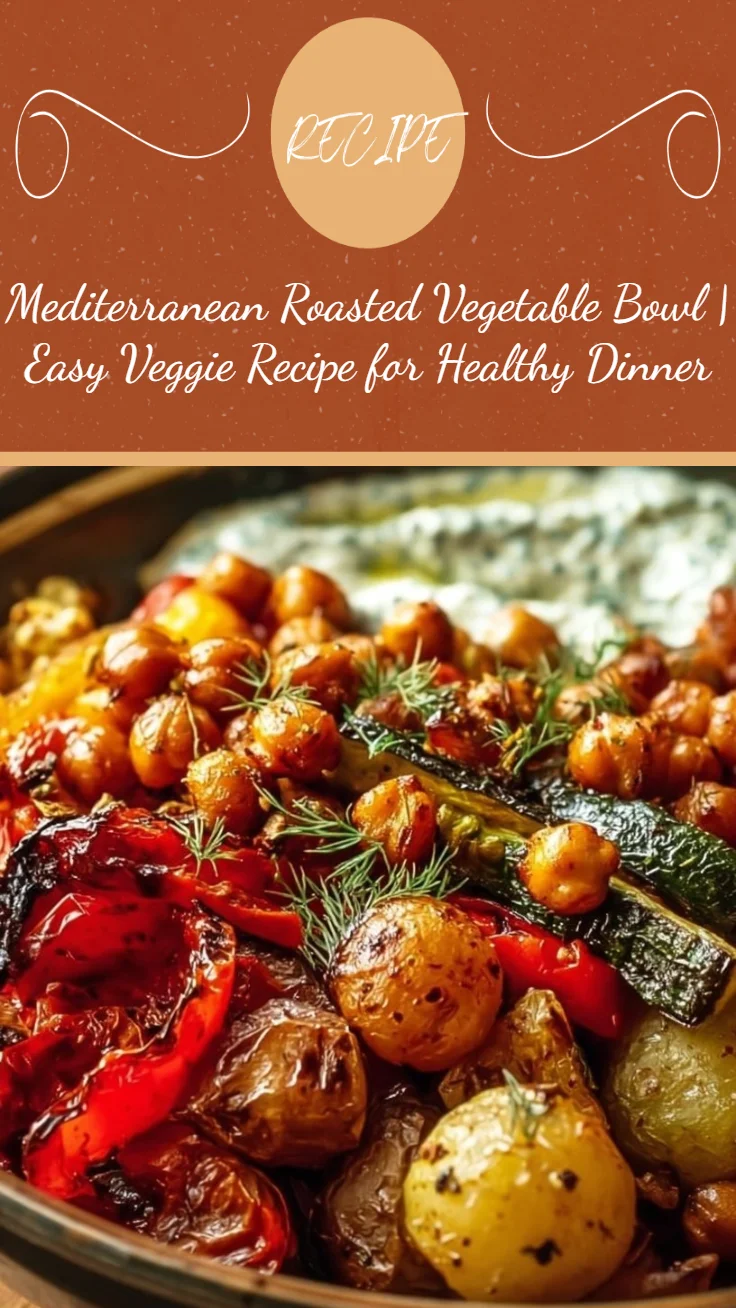
1 can chickpeas, drained and rinsed, 2 zucchini, diced, 1 red bell pepper, diced, 1 yellow bell pepper, diced, 1 red onion, sliced, 2 tablespoons olive oil, 1 teaspoon garlic powder, 1 teaspoon smoked paprika, Salt and pepper to taste, For the tzatziki: 1 cup Greek yogurt, 1 cucumber (grated and drained), 1 tablespoon lemon juice, 1 clove garlic (minced), fresh dill (to taste)
Each ingredient plays a clear, simple role:
- Chickpeas: Add heartiness and protein. They also roast to a pleasing texture and carry the spices well.
- Zucchini: A mild, tender vegetable that soaks up flavor and becomes silky when roasted.
- Red and yellow bell peppers: Bring sweetness, color, and a little crunch when roasted.
- Red onion: Adds a sweet, aromatic base once it softens and caramelizes around the edges.
- Olive oil: Helps the vegetables roast evenly and encourages caramelization; it’s the flavor binder.
- Garlic powder and smoked paprika: Give warmth and a gentle smoky note. They’re easy-to-use seasonings that elevate without complexity.
- Salt and pepper: Small amounts of these make everything taste like itself — important but forgiving.
- Greek yogurt: The base of tzatziki, adding creaminess and tang.
- Grated cucumber: Adds freshness and a little texture to the tzatziki; draining it prevents the sauce from becoming watery.
- Lemon juice and garlic (for tzatziki): Brighten and sharpen the yogurt so it balances the roasted vegetables.
- Fresh dill: A classic herb for tzatziki, providing an herby lift.
None of these are complicated. They’re straightforward pantry or produce items that combine into something greater than the sum of their parts. They work together by balancing warm roasted flavors with a cool, tangy sauce — a classic Mediterranean contrast.
Directions
- Preheat the oven to 400°F (200°C)., 2. In a large bowl, toss the chickpeas and vegetables with olive oil, garlic powder, smoked paprika, salt, and pepper., 3. Spread them in a single layer on a baking sheet., 4. Roast for 25-30 minutes, or until the veggies are tender and slightly caramelized., 5. While the vegetables are roasting, prepare the tzatziki: mix together Greek yogurt, grated cucumber, lemon juice, garlic, and dill in a bowl., 6. Serve the roasted vegetables in bowls with a generous dollop of tzatziki on top.
Supportive guidance for each step:
- Step 1 (Preheat): Make sure the oven reaches 400°F before you slide the tray in. An oven thermometer helps if you’re unsure, but if you don’t have one, giving the oven a solid 10–15 minutes to preheat is a good habit. A properly hot oven helps the vegetables caramelize rather than steam.
- Step 2 (Tossing): When you toss the chickpeas and veggies with oil and seasonings, aim for an even sheen on every piece. It should look glossy, not puddled. If some spots look dry, add a small extra drizzle of oil and toss again. Use a large bowl so nothing spills out when you mix.
- Step 3 (Single layer): Spread the pieces so they have room. Crowding the pan causes steaming instead of roasting, so use two pans if necessary. A single layer lets air circulate and encourages browning.
- Step 4 (Roast 25–30 minutes): Visual cues matter here more than the timer. You’re looking for vegetables that are tender when pierced with a fork and have a few darker, caramelized edges. Chickpeas will warm through and may show some color. If you like more caramelization, roast a few minutes longer, checking every 3–4 minutes.
- Step 5 (Make tzatziki while roasting): Grate the cucumber and squeeze or press it to remove excess water; this keeps the tzatziki thick and creamy. Taste the tzatziki as you go — a little lemon will brighten it, and a small pinch of salt can bring the flavors into focus.
- Step 6 (Serve): Pile the warm vegetables over grains or greens if you like, then top with a generous spoonful of tzatziki. The contrast of warm and cool is the final payoff.
If something doesn’t look perfect — maybe one piece is more browned than the others or a veggie is a little firmer — it’s okay. The bowl is forgiving and tastes great even with small imperfections.
Key techniques you’ll practice in this recipe
This recipe reinforces a few fundamental kitchen skills that apply broadly:
- Roasting vegetables: You’ll learn how heat concentrates flavor and how browning adds sweetness and complexity. This skill translates to roasted potatoes, tray-baked carrots, and more.
- Even seasoning and oiling: Tossing ingredients to coat them evenly is a small habit that makes a big difference in consistent flavor and texture.
- Making a simple sauce: Combining yogurt, lemon, garlic, and herbs teaches you taste balancing — acid, salt, and aromatics — useful in dressings, dips, and marinades.
- Timing multitasking: You’ll practice using oven time wisely by preparing the tzatziki while the vegetables roast, which is a great habit for efficient cooking.
If you want to see how these skills show up in other dishes, this recipe family includes hearty bowls and stir-fries such as Beef Stir-Fry with Vegetables, where similar timing and seasoning principles apply.
Common mistakes and how to avoid them
Even with a forgiving recipe, there are a few common missteps — and easy fixes:
- Mistake: Crowding the baking sheet. Result: Steamed vegetables with less color. Fix: Use two baking sheets or roast in batches so pieces are in a single layer.
- Mistake: Not draining the grated cucumber. Result: Watery tzatziki. Fix: After grating, press the cucumber in a clean towel or fine strainer to remove moisture before mixing with yogurt.
- Mistake: Under-seasoning. Result: Dull-tasting bowl. Fix: Taste the tzatziki and, after roasting, taste a warm piece of vegetable and adjust salt and pepper as needed. Small adjustments at the end are normal and expected.
- Mistake: Over-roasting until everything is mushy. Result: Loss of texture. Fix: Check at 20 minutes and every few minutes after; you’re aiming for tender centers and some browned edges, not total collapse.
- Mistake: Unevenly sized pieces. Result: Some pieces cook faster than others. Fix: Try to cut vegetables into similar-sized pieces; if you end up with smaller bits, remove them earlier from the oven.
If something goes off track — for example, the tzatziki is too tart — you can mellow it with a bit more yogurt. If the veggies are a touch underdone, a quick 3–5 minute return to the oven will finish them. Small recoveries are part of cooking; you don’t need to start over.
How to adjust confidently without changing the recipe
You’re not allowed to alter the listed ingredients or steps, but you can adjust conceptually:
- Portion scaling: To serve more people, multiply quantities evenly and roast on multiple baking sheets. Avoid stacking; more surface area keeps roast results even.
- Flavor adjustments: If you prefer things brighter, add more lemon to the tzatziki when serving; if you want a little more warmth, sprinkle extra smoked paprika on the finished bowl. These finishing tweaks don’t change the recipe’s structure.
- Texture tweaks (conceptual): For a firmer texture, reduce roasting by a few minutes. For a softer result, add a few extra minutes. Think of the oven time as adjustable within the 25–30 minute range based on your texture preference.
These are safe, conceptual changes that help you customize the meal to your tastes without altering the listed recipe steps or ingredients.
Serving, storage, and reheating made simple
Serving:
- This bowl is lovely over a bed of greens, cooked rice, or quinoa. The tzatziki acts like a dressing, so a little goes a long way.
- Add a fresh squeeze of lemon for extra brightness just before serving.
Storage:
- Store leftover roasted vegetables and tzatziki separately in airtight containers in the refrigerator. The vegetables will keep well for 3–4 days; tzatziki is best used within 2–3 days for peak freshness.
- If you mix them and there’s excess liquid after refrigeration, drain a little before reheating to maintain texture.
Reheating:
- Reheat vegetables on a baking sheet in a 350°F oven for 8–10 minutes to help revive some crispness on the edges. A skillet over medium heat also works to refresh caramelization.
- Don’t heat the tzatziki. Keep it cold and spoon it on top after reheating the veggies; that cool contrast is part of the experience.
- For single servings, a microwave is fine — heat the vegetables briefly and then add chilled tzatziki.
If you want other bowl ideas or storage-friendly recipes, try my Easy High-Protein Cottage Cheese Pizza Bowl for another make-ahead bowl option.
Questions new cooks often ask about this recipe
- “How will I know the vegetables are done?” Look for fork-tender centers and some browned, caramelized edges. They’ll smell sweeter as they roast.
- “Do I need to peel the cucumber for the tzatziki?” No — leaving the peel adds color and nutrients. If the skin seems waxy, a quick scrub will do.
- “Can I use other spices?” The recipe lists garlic powder and smoked paprika for a simple flavor profile. Small additions are fine, but stick to the recipe for your first try to learn the core technique.
- “What if I forget to drain the grated cucumber?” If you already mixed it in and the tzatziki is watery, press some of the liquid out with a spoon through a fine sieve or add more yogurt to balance.
- “Is it okay if my vegetables aren’t perfectly chopped?” Absolutely. The bowl is forgiving; uneven pieces will still taste great. The practice of even chopping improves with time.
These moments are completely normal. Cooking is a skill you build one recipe at a time.
Final encouragement from Carla
Cooking is less about perfection and more about connection — to ingredients, to your own sense of creativity, and to the simple comfort of a homemade meal. If your first bowl looks a little uneven or tastes slightly different than you imagined, that’s part of learning. Each attempt builds confidence. Keep this recipe handy; it’s an excellent foundation for experimenting and growing in the kitchen. You’ve already taken a great step by trying it.
Conclusion
If you’d like inspiration for other roasted vegetable bowls, this Roasted Veggie Glow Bowls – Dishing Out Health article has ideas that pair well with the techniques you practiced here. For a slightly different Mediterranean take, see this Mediterranean Roasted Vegetables – A Cedar Spoon piece for more seasoning and serving suggestions.
Mediterranean Roasted Vegetable Bowl
Ingredients
Method
- Preheat the oven to 400°F (200°C).
- Dice the zucchini and bell peppers, slice the red onion, and drain and rinse the chickpeas.
- Gather the seasonings and olive oil.
- In a large bowl, toss the chickpeas and vegetables with olive oil, garlic powder, smoked paprika, salt, and pepper.
- Spread them in a single layer on a baking sheet.
- Roast for 25-30 minutes, or until the veggies are tender and slightly caramelized.
- While the vegetables are roasting, prepare the tzatziki by mixing together Greek yogurt, grated cucumber, lemon juice, garlic, and dill in a bowl.
- Taste the tzatziki and adjust seasoning as needed.
- Serve the roasted vegetables in bowls with a generous dollop of tzatziki on top.