One-Pan Roasted Carrot and Chickpea Bowl
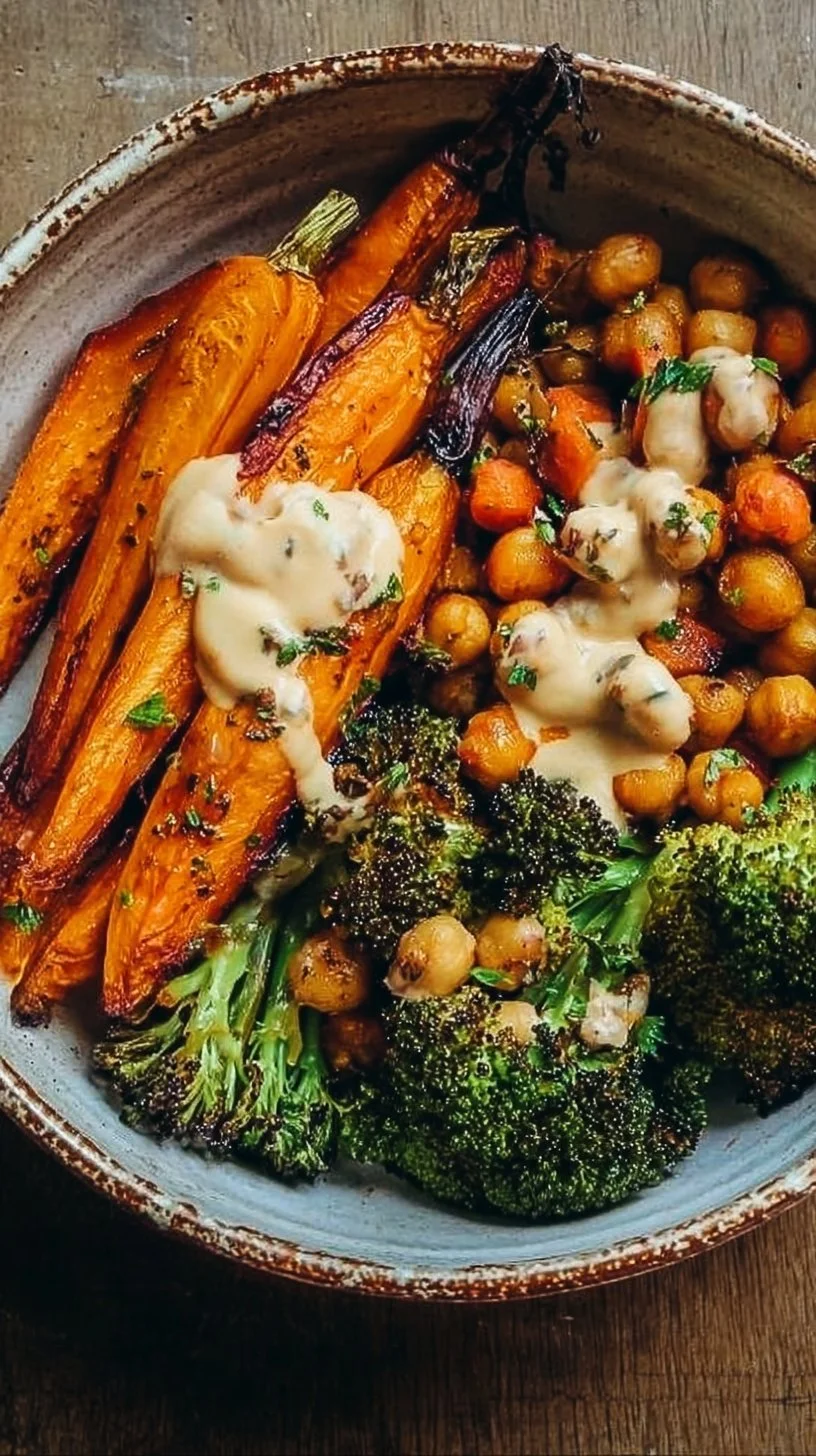
This One-Pan Roasted Carrot and Chickpea Bowl is the kind of everyday recipe I reach for when I want a meal that feels both grounded and uncomplicated. It’s built around two ingredients that are humble but far from boring: sweet, caramelized carrots and crisped chickpeas dressed with a silky tahini sauce. There’s a comfort here that doesn’t weigh you down — the roasted vegetables deliver warmth and depth while the chickpeas provide substance and texture. If you’re looking for a dish that fits weeknight dinners, easy lunches, or a batch-cook component for the week, this is it. I often pair it with other straightforward bowls like my take on Honey Sriracha Salmon Bowls when I want more protein variety across the week.
How this recipe fits into a balanced lifestyle
This bowl supports a balanced approach to eating by focusing on whole ingredients and satisfying textures rather than restriction. It pairs plant-based protein (chickpeas) with fiber-rich vegetables (carrots) and a modest amount of healthy fat (olive oil, tahini). That combination helps a meal feel complete without needing to add heavy sauces or large portions of refined carbs.
“Lighter” here is about portion sense and ingredient quality: roasted rather than fried, minimal oil applied mindfully so you get crisp edges and lovely caramelization, and a dressing that’s creamy but used sparingly as a finishing touch. That keeps the bowl flavorful and comforting without feeling overly rich.
If you like routine but want variety, this bowl fits naturally into a weekly rotation — make a big sheet pan Saturday for lunches, morph it into a warm dinner alongside a grain, or pile it on greens for a fast, colorful salad. For a different texture profile midweek, you might pair it with a simple tuna or grain bowl like the Tuna Chickpea Salad Bowl to keep things interesting.
How to make One-Pan Roasted Carrot and Chickpea Bowl
At its heart this recipe is about two things: dry chickpeas and hot, dry heat. The overall cooking flow is intentionally simple — preheat the oven and pan, toss carrots and chickpeas in spices and oil, roast until caramelized, and whisk together a tahini-lemon dressing while the pan works for you. Simplicity matters most when you’re dealing with texture: the secret to success here is space on the pan and drying the chickpeas well so everything roasts instead of steams.
Don’t overthink it. Preheat, coat, spread, and roast. Use the roasting time to make the dressing and set the table. If you’re making a grain or a quick side, start that right before the halfway toss so everything finishes around the same time. If you prefer one-pan dinners, a similar technique is used in dishes like One-Pan Chicken Sausage and Orzo, where a hot surface and even spacing make all the difference.
Ingredients
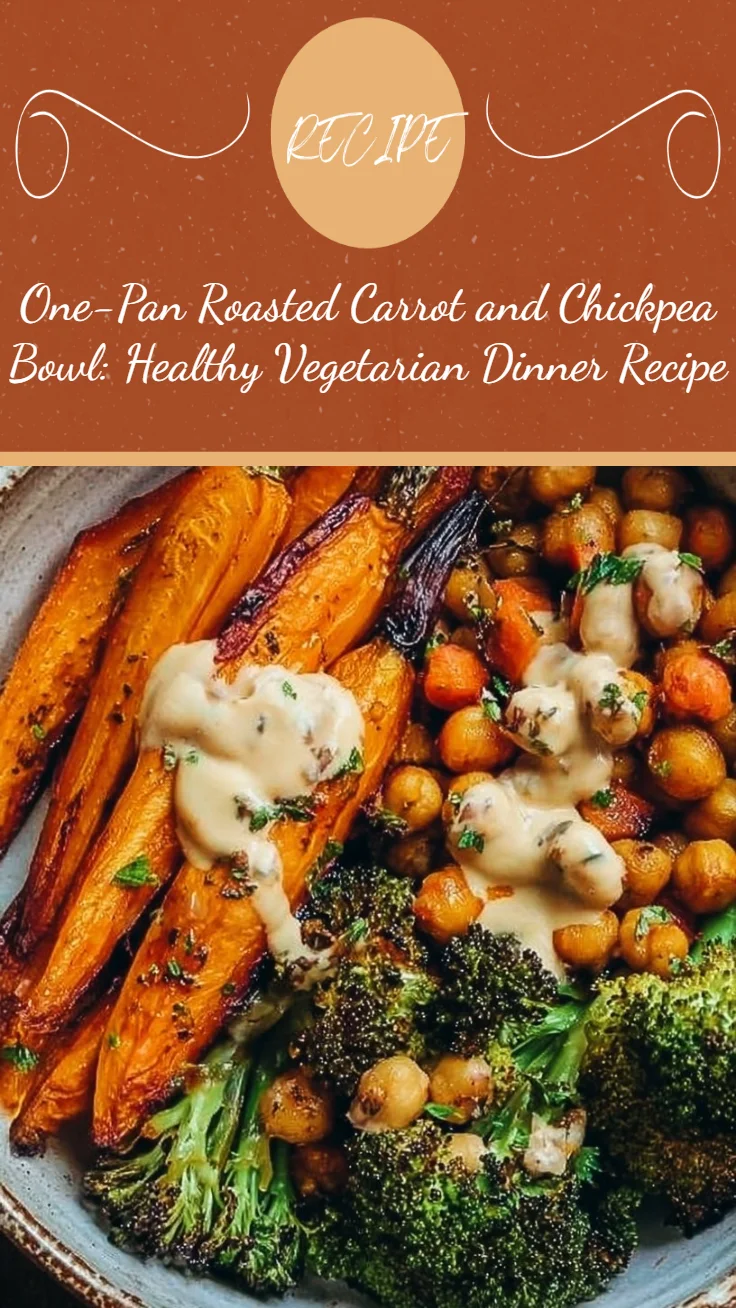
1 ½ pounds (about 6-7 medium) Carrots, peeled and chopped into 1-inch pieces: The star of the show. Using fresh, firm carrots is key. When roasted, their natural sugars caramelize, resulting in a deep, sweet, and earthy flavor. Chopping them into uniform 1-inch pieces ensures they all cook evenly. You can use standard orange carrots, or get creative with rainbow or purple carrots for a more visually stunning bowl., 1 (15-ounce) can Chickpeas, rinsed, drained, and thoroughly dried: These provide the plant-based protein and a wonderful textural contrast. It is absolutely critical to dry them well; excess moisture will cause them to steam instead of roast, preventing them from getting that desirable crispy exterior. Canned chickpeas are a fantastic time-saver, but you can also use home-cooked chickpeas., 3 tablespoons Olive Oil, divided: A good quality extra virgin olive oil not only prevents sticking but also adds a fruity, peppery depth of flavor to the roasted vegetables. We’ll use most of it for roasting and a little for the dressing., 1 teaspoon Smoked Paprika: This is the secret weapon for a smoky, almost bacon-like flavor without any meat. It gives the dish a warmth and complexity that regular paprika can’t quite match., 1 teaspoon Ground Cumin: Earthy, warm, and aromatic, cumin is a classic pairing for both carrots and chickpeas. It adds a savory depth that balances the sweetness of the carrots., ½ teaspoon Garlic Powder: Provides a savory, aromatic base note that infuses the entire dish without the risk of burning fresh garlic at high roasting temperatures., ½ teaspoon Salt (or to taste): Essential for bringing out all the other flavors. We’ll use it for roasting and may add a pinch to the dressing., ¼ teaspoon Black Pepper (or to taste): Adds a mild, clean heat that complements the other spices. Freshly ground is always best for the most potent flavor., ¼ cup Tahini: The foundation of our creamy, luscious dressing. Tahini is a paste made from ground sesame seeds. Look for a brand that is smooth, runny, and not overly bitter., 3 tablespoons Lemon Juice, freshly squeezed: This provides the bright, acidic element that cuts through the richness of the tahini and brightens up the entire bowl. Freshly squeezed juice is non-negotiable for the best flavor., 1-2 tablespoons Maple Syrup (or honey, if not vegan): A touch of sweetness in the dressing to balance the bitterness of the tahini and the acidity of the lemon. You can adjust the amount based on your preference., 3-5 tablespoons Water: Used to thin the tahini dressing to the perfect drizzling consistency. The amount you need will vary depending on the thickness of your tahini.
The role of each ingredient is deliberately straightforward: carrots provide sweetness and bulk, chickpeas bring protein and texture, oil and spices deliver caramelization and savory notes, and the tahini-lemon-maple dressing ties everything together with creaminess and brightness. Choosing simple, high-quality ingredients — fresh carrots, good olive oil, and smooth tahini — lets each element play its part without needing complicated additions. The balance comes from contrasts: sweet vs. smoky, crisp vs. tender, creamy vs. bright.
Directions
Preheat and Prepare the Pan: The first and most crucial step for a great roast is a properly heated oven. Preheat your oven to 425°F (220°C). Place a large, rimmed baking sheet in the oven while it preheats. A hot pan is the secret to getting a fantastic sear on the vegetables from the moment they make contact, preventing them from steaming and promoting better caramelization. A rimmed sheet is important to keep the carrots and chickpeas from rolling off., Season the Carrots and Chickpeas: While the oven and pan are heating, prepare your vegetables. In a large mixing bowl, combine the chopped carrots, the thoroughly dried chickpeas, 2 tablespoons of the olive oil, the smoked paprika, ground cumin, garlic powder, salt, and black pepper. Use your hands or a large spoon to toss everything together until the carrots and chickpeas are evenly and generously coated in the oil and spices. This step ensures that every single bite is packed with flavor. Don’t be shy with the spices!, The Roasting Magic: Carefully remove the preheated baking sheet from the oven. Be extremely cautious as it will be very hot. Immediately pour the seasoned carrot and chickpea mixture onto the hot pan, spreading it into a single, even layer. Listen for the sizzle—that’s the sound of flavor beginning to build. Spreading the ingredients out is critical; if they are overcrowded, they will trap steam and become soggy rather than roasting to a crisp-tender perfection. If necessary, use two baking sheets to ensure everything has enough space., Roast to Perfection: Place the baking sheet back into the 425°F (220°C) oven and roast for 25-30 minutes. About halfway through the cooking time (around the 15-minute mark), remove the pan and use a spatula to toss the carrots and chickpeas. This promotes even browning on all sides. Continue roasting until the carrots are tender when pierced with a fork and have beautiful caramelized, browned edges, and the chickpeas are golden and slightly crisped., Whip Up the Creamy Tahini Dressing: While the vegetables are roasting, you have the perfect window to prepare the dressing. In a small bowl or a jar with a lid, combine the tahini, freshly squeezed lemon juice, maple syrup, and the remaining 1 tablespoon of olive oil. Whisk vigorously. The mixture will seize up and become very thick at first—this is completely normal! Begin adding the water, 1 tablespoon at a time, whisking continuously after each addition. Continue adding water until the dressing reaches a smooth, creamy, and pourable consistency, similar to heavy cream. Taste and adjust seasonings if needed, adding a pinch more salt or a little more maple syrup or lemon juice to suit your palate., Assemble and Serve: Once the carrots and chickpeas are perfectly roasted, remove them from the oven. You can serve the dish directly from the pan for a rustic, family-style meal, or assemble individual bowls. To assemble, start with a base of your choice (like quinoa or mixed greens), spoon a generous portion of the hot roasted carrot and chickpea mixture over the top, and then finish with a liberal drizzle of the creamy tahini dressing. Garnish with fresh herbs for a final touch of freshness.
Supportive guidance around the steps:
- What to look for as you cook: Watch for even browning on the carrots and a toasted, slightly blistered surface on the chickpeas. The carrots should be tender throughout but with browned edges. The chickpeas should have some crunch but not be rock-hard.
- How to avoid overcomplicating the process: Use a single spice blend and let the oven do the work. Don’t fuss with constant stirring; one halfway turn is typically enough if the pan isn’t crowded.
- Signs the dish is coming together properly: A hot pan sizzle when you spread the vegetables indicates good initial searing, and the tahini dressing should be silky and pourable — not grainy or separation-prone — once thinned with water.
The role of preparation in keeping this dish light
Preparation choices — not just ingredients — determine how “heavy” or “light” a meal feels. Roasting concentrates flavors without drowning them in oil, so you get deep, satisfying tastes with relatively little added fat. Drying chickpeas and preheating the pan keep moisture out and ensure crispness, which adds a sense of substance that makes smaller portions feel complete.
Technique matters: chopping carrots into uniform pieces ensures even cook time so nothing is underdone or mushy; spreading ingredients in a single layer avoids steaming; and whisking water into tahini gradually creates a smooth dressing without needing cream or yogurt. These small method choices keep the bowl fresh, bright, and texturally interesting — the key to satisfaction without heaviness.
Simple ways to adjust without losing balance
You can personalize this bowl while keeping its balanced character:
- Add fresh herbs (parsley, cilantro) or a handful of arugula for peppery brightness without extra calories.
- Swap maple syrup in the dressing for a bit more lemon if you prefer less sweetness — the acidity will lift the flavors.
- For added crunch, scatter toasted pumpkin seeds or walnuts on top; a small amount goes a long way.
- If you want more warmth, a pinch of cayenne or a drizzle of chili oil will add heat without changing the overall balance.
All those options adjust flavor and texture while preserving the recipe’s intent. None require changing the ingredient list or roasting steps — just small finishing moves.
Pairing ideas for a complete, well-rounded meal
To build a full plate without excess:
- Grain base: serve over a modest portion of quinoa, farro, or brown rice for a hearty but balanced option.
- Greens: pile the roasted mix on top of mixed greens or baby spinach for a lighter, lunchtime bowl.
- Simple protein: if you want extra protein, add a poached egg or a small portion of grilled fish. For a plant-forward option, mix in a scoop of plain Greek yogurt on the side.
- Crunch and acidity: quick pickled onions or a scattering of pomegranate seeds add brightness and contrast.
Aim for one starch or grain, one green element, and this roasted mix as the flavorful centerpiece. That approach keeps the meal satisfying and visually appealing without piling on calories or heavy sauces.
Storage, leftovers, and next-day enjoyment
This bowl stores well. Keep roasted carrots and chickpeas in an airtight container in the refrigerator for up to 3-4 days. Store the tahini dressing separately to avoid sogginess. When reheating, use the oven or a skillet to revive crispness: spread leftovers on a baking sheet at 400°F (200°C) for 8–10 minutes or toss in a warm skillet with a splash of oil until chickpeas crisp again. Microwave reheating works in a pinch but will soften textures.
Leftovers make excellent lunches — pile the reheated mix over fresh greens, or stir into warm grains. If the chickpeas have lost some crunch, a quick pan re-toast usually brings them back. The dressing may thicken in the fridge; whisk in a tablespoon of water or lemon juice to loosen before serving.
Common questions about lighter everyday cooking
- How do I balance portions so a bowl feels filling? Aim for a mix of carbohydrates (grains or starchy veggies), protein (chickpeas, fish, eggs), and fats (a small amount of olive oil or tahini). Visual portioning — half your plate veg, a quarter grain, a quarter protein — is an easy guide.
- How do I repeat meals without boredom? Vary the finishing touches: different herbs, citrus, seeds, or a spice change-up will refresh the same core ingredients without more work.
- Can lighter meals still be comforting? Absolutely. Texture and seasoning are the main drivers of comfort in food. Crispy chickpeas, caramelized carrots, and a creamy dressing deliver comfort without heaviness.
- How do I plan this into a week? Roast a double batch on a weekend for quick lunches, or use the mix as a base component that you switch up with proteins and sides across the week.
Final thoughts from Daniel
Cooking intuitively is the point: follow the simple technique, be mindful with your salt and oil, and use the oven to do the heavy lifting. This One-Pan Roasted Carrot and Chickpea Bowl rewards straightforward methods with a satisfying mix of textures and flavors that feel lighter but remain comforting. Keep it in rotation — it’s flexible enough for weeknight dinners, smart enough for meal prep, and gentle on the mental load of cooking.
Conclusion
If you want inspiration for similar bowls and ways others have built roasted-vegetable bowls, I often look to other recipes like the Roasted Carrot and Chickpea Grain Bowls | Plan. Eat. Post. Repeat. for ideas on grain pairings, and Roasted Vegetables and Chickpeas (Easy Bowl!) – The Garden Grazer for simple variations and serving suggestions.
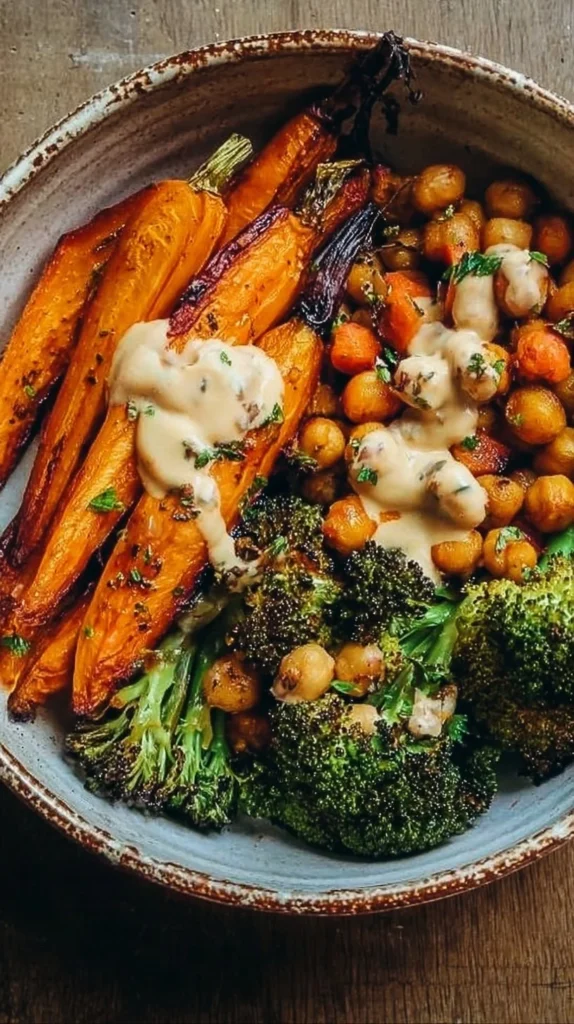
One-Pan Roasted Carrot and Chickpea Bowl
Ingredients
Method
- Preheat your oven to 425°F (220°C) and place a large, rimmed baking sheet in the oven to heat.
- In a large mixing bowl, combine chopped carrots, dried chickpeas, and 2 tablespoons of the olive oil along with smoked paprika, ground cumin, garlic powder, salt, and black pepper. Toss until evenly coated.
- Carefully pour the vegetable mixture onto the preheated baking sheet in a single even layer.
- Roast in the oven for 25-30 minutes, tossing halfway through to promote even cooking.
- While vegetables are roasting, mix tahini, lemon juice, maple syrup, and remaining olive oil in a small bowl. Gradually add water, one tablespoon at a time, whisking until the dressing is smooth and creamy.
- Once the carrots and chickpeas are roasted, assemble your bowl starting with a base of grains or greens, add the roasted mix, and drizzle with tahini dressing.
- Garnish with fresh herbs if desired and serve.