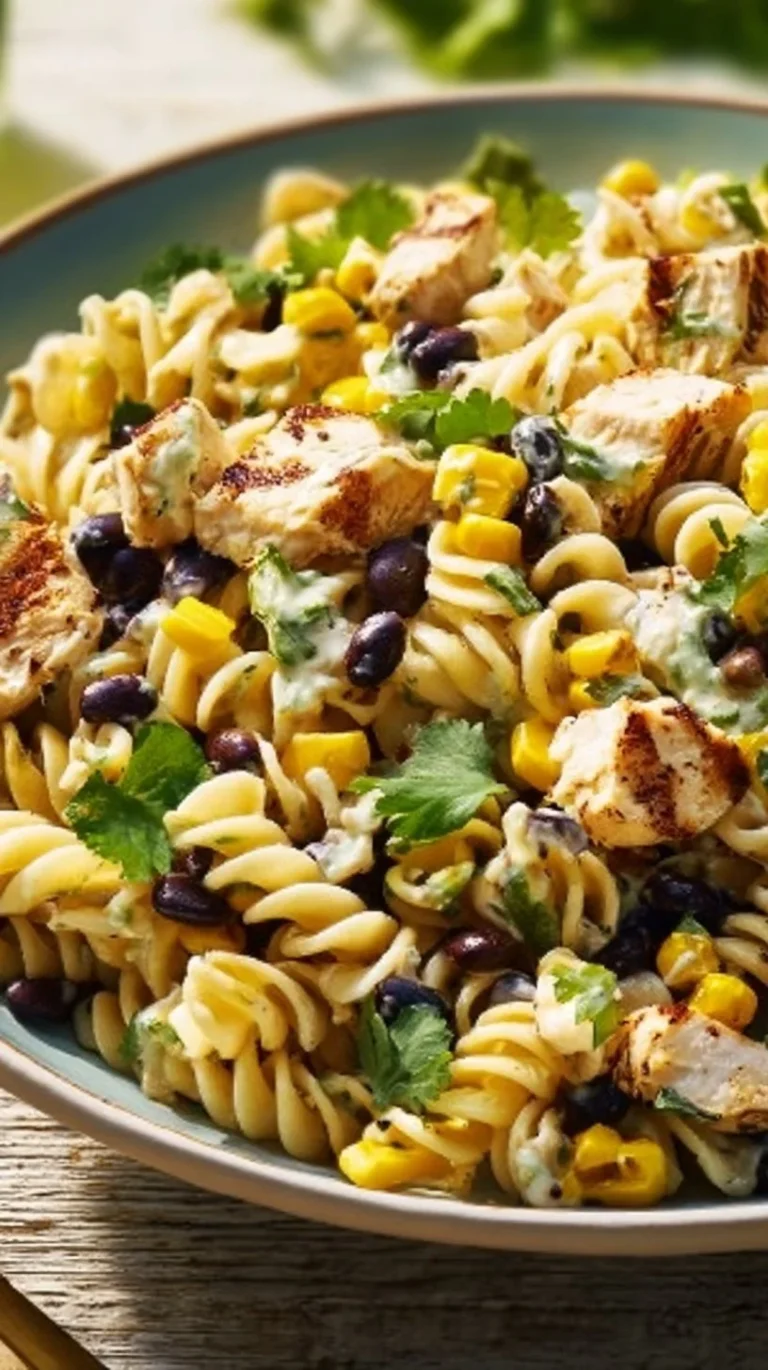
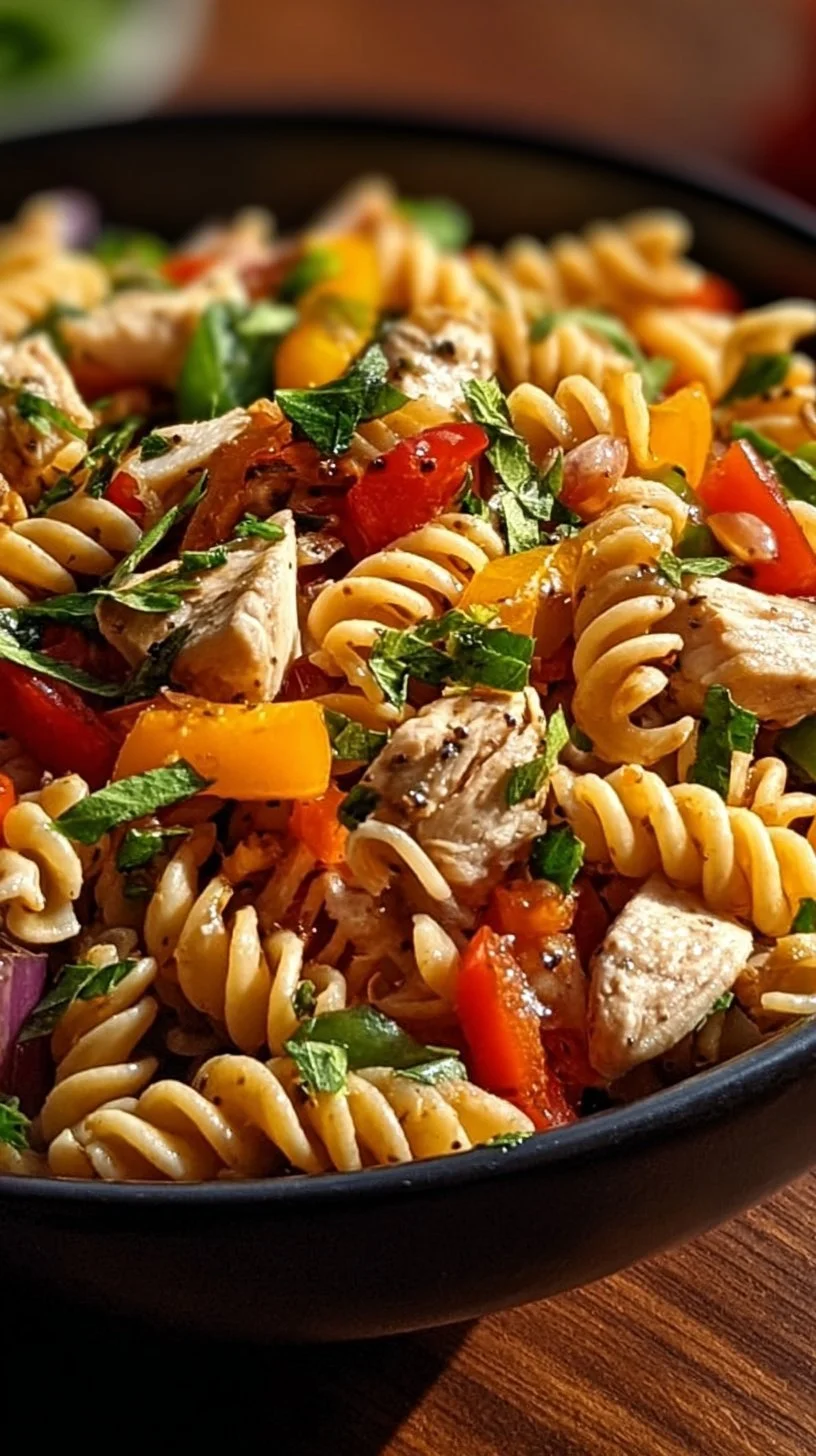
Protein-Packed Chicken Pasta Salad
Hello, I’m Carla Carter, Founder & Recipe Developer of RecipesCabin. This Protein-Packed Chicken Pasta Salad is for anyone who wants a satisfying, easy-to-prepare meal that feels thoughtful without being fussy. Whether you’re new to the kitchen, coming back after a cooking hiccup, or just need a reliable lunch or weeknight dinner, this recipe is designed to help you feel calm and capable.
This salad brings together familiar ingredients into a balanced bowl: hearty high-protein pasta, lean chicken, crunchy vegetables, and a creamy, tangy dressing. If you enjoy salads that double as a complete meal, it’s a fantastic one to learn — and once you’re comfortable with it, you might explore other similar recipes like my grilled chicken orzo salad for a different texture and flavor profile. I’ll walk you through each step, explaining what to look (and smell) for so you can succeed the first time.
Why this recipe is easy to get right
This salad is forgiving in all the best ways. The ingredients are straightforward and each part plays a supportive role, so if one element is slightly off — a little extra onion, a slightly softer pepper — the overall dish still sings. The cooked pasta and chicken act as a sturdy base that tolerates small timing or seasoning differences, and the dressing is creamy enough to smooth out small texture variations.
Where flexibility matters: you can use chickpea, lentil, or whole-wheat pasta and still have a great result. The exact dice size of vegetables can vary; bigger pieces give more bite, smaller pieces make every forkful uniform. Precision matters mainly for pasta cooking time (al dente versus softer) and seasoning at the end, but I’ll show you easy ways to check both. If you’re curious about other high-protein salad ideas that use similar building blocks, see this simple high-protein cottage cheese pasta salad for inspiration.
How to make Protein-Packed Chicken Pasta Salad
At a glance, the process is: cook the pasta, combine the salad ingredients, make the dressing, toss everything, and chill or serve. Here’s what happens at each stage and what to focus on.
First: cook the pasta. The goal is tender-but-structured noodles. Taste a piece a minute or two before the shortest time on the package — you want a slight chew (al dente). Drain and let it cool so the dressing clings without becoming watery.
Next: combine the vegetables and chicken. Use cooked chicken that’s diced or shredded to the size you prefer. Mixing at room temperature briefly helps flavors begin to marry, but if you want the salad chilled, follow the short chill step at the end.
Then: make the dressing. Whisk the creamy elements with the lemon, oil, mustard, and dried herbs until smooth. You’ll notice the dressing brighten with the lemon and mellow when the feta or Parmesan is added.
Finally: pour and toss. Coat the pasta and mix-ins evenly, season to taste, and either serve right away for a fresh, lively salad or refrigerate for 30 minutes for a chilled, more harmonious flavor.
Beginners should slow down at the pasta-cooking stage and when seasoning at the end — those are the places where small adjustments have big payoff.
Ingredients
{image_template}
8 oz high-protein pasta (chickpea, lentil, or whole wheat), 2 cups cooked chicken breast, diced or shredded, 1 cup cherry tomatoes, halved, ½ cup cucumber, diced, ½ cup bell peppers, diced, ¼ cup red onion, thinly sliced, ¼ cup black olives, sliced (optional), ½ cup feta cheese or shredded Parmesan, ½ cup plain Greek yogurt, 2 tbsp hummus or light mayo, 1 tbsp lemon juice, 1 tbsp olive oil, 1 tsp Dijon mustard, ½ tsp garlic powder, ½ tsp dried oregano, Salt and pepper, to taste
- 8 oz high-protein pasta (chickpea, lentil, or whole wheat): This is the hearty backbone of the salad. These pastas are slightly firmer and offer extra protein so the salad feels like a full meal.
- 2 cups cooked chicken breast, diced or shredded: Provides the main protein. Diced pieces mix in easily; shredded gives a more even distribution. Either works.
- 1 cup cherry tomatoes, halved: Bright, juicy pops of flavor and color. They add sweetness and a fresh contrast to the creamy dressing.
- ½ cup cucumber, diced: Cooling and crisp — cucumber keeps the salad light.
- ½ cup bell peppers, diced: Sweet crunch and visual appeal. Any color works.
- ¼ cup red onion, thinly sliced: A little sharpness here balances the creaminess. Thin slices integrate without overpowering.
- ¼ cup black olives, sliced (optional): Adds a savory, slightly briny note; optional if you prefer milder flavors.
- ½ cup feta cheese or shredded Parmesan: Salty, tangy richness that melts slightly into the dressing and boosts flavor.
- ½ cup plain Greek yogurt: The creamy, protein-rich base of the dressing. It’s tangy and smooth.
- 2 tbsp hummus or light mayo: Helps thicken and round the dressing. Hummus brings added chickpea flavor; mayo keeps it neutral.
- 1 tbsp lemon juice: Brightens and lifts the whole dish.
- 1 tbsp olive oil: Adds silkiness to the dressing and helps it coat everything.
- 1 tsp Dijon mustard: Gives a gentle bite and stabilizes the dressing.
- ½ tsp garlic powder, ½ tsp dried oregano: Low-effort, no-knife seasoning that adds warmth and familiarity.
- Salt and pepper, to taste: Final balance. A little salt wakes everything up.
None of these ingredients are complicated — they’re all easy to find and simple to handle. Together they create layers of texture: pasta, chicken, crisp vegetables, creamy dressing, and salty cheese. That variety is what makes the salad satisfying without requiring fancy skills.
Directions
- Cook the high-protein pasta according to package instructions. Drain and set aside to cool.
- In a large bowl, combine the cooked pasta, chicken breast, cherry tomatoes, cucumber, bell peppers, red onion, and olives.
- In a separate small bowl, whisk together the feta cheese, Greek yogurt, hummus (or light mayo), lemon juice, olive oil, Dijon mustard, garlic powder, and dried oregano to create the dressing.
- Pour the dressing over the pasta mixture and toss to combine. Season with salt and pepper to taste.
- Serve immediately or refrigerate for 30 minutes before serving for a chilled salad.
Supportive guidance for the steps:
- Step 1 visual cues: The pasta should look plump and slightly translucent, not chalky. When you bite it, there should be a tiny resistance but no raw flour center. Drain in a colander and give it a moment to steam off excess moisture.
- Step 2 texture hints: Arrange the chicken and vegetables in the bowl first, then add the pasta. This helps you see how evenly distributed the pieces are. If the tomatoes are very juicy, consider tossing them in last to avoid making the pasta soggy.
- Step 3 whisking: You’re aiming for a smooth, spoonable dressing. If it looks too thick, a drop of water or another splash of lemon juice loosens it; too thin, add a little more hummus or yogurt.
- Step 4 seasoning checkpoint: Taste before and after you add salt and pepper. High-protein pastas and cheeses can vary in saltiness, so go easy and add more if needed.
- Step 5 chilling note: A short chill (30 minutes) helps flavors meld and firms the salad slightly, but serving immediately gives a brighter, fresher bite. Both are perfectly correct — choose what feels right for your day.
If things don’t look perfect at first — dressing a little clumpy or vegetables uneven — small fixes like an extra whisk, a quick stir, or a taste-test adjustment will get you there.
Key techniques you’ll practice in this recipe
- Cooking pasta to the right doneness: You’ll learn to judge pasta by sight and taste, a skill useful for any pasta dish.
- Tearing, dicing, or shredding chicken: Breaking down cooked protein to the right size teaches portion and texture control.
- Emulsifying a simple dressing: Whisking oil, yogurt, and mustard together creates a smooth dressing — a transferable skill to many salads.
- Tasting and seasoning: Learning to season in stages builds confidence. Taste the dressing, taste the salad, then adjust.
These techniques are foundational and will make other recipes feel accessible. You’ll notice how a small timing or seasoning choice changes texture and flavor — and how easy it is to fix.
Common mistakes and how to avoid them
- Overcooking pasta: The most common error. Avoid this by tasting a minute early. If it’s too soft, there’s no rescue except trying again, so be mindful of the package times and your stove’s tendencies.
- Watery salad from warm ingredients: If you combine piping-hot pasta with yogurt-based dressing, the heat can thin the dressing. Let pasta cool slightly or let the dressing sit at room temperature briefly before combining.
- Too-salty result: Cheeses and olives vary in salt. Add salt in small increments and taste. If it ends up too salty, add extra pasta or a squeeze more lemon to rebalance.
- Clumpy dressing: If the dressing feels separated, whisk it vigorously or add a small spoon of yogurt and whisk again. A splash of cold water can help bring it back together.
If something goes off track, don’t panic. Small adjustments (cooling, thinning, adding neutral pasta) are usually enough to recover without starting over.
How to adjust confidently without changing the recipe
- Scaling portions: To serve more people, double everything; for fewer, halve the amounts. Pasta and chicken scale predictably — cook them separately and combine as directed.
- Flavor preferences: If you like things brighter, add more lemon juice; for creamier, a touch more Greek yogurt or hummus helps. These are conceptual tweaks — you’re not changing steps or ingredients, just the proportions.
- Texture tweaks: Prefer more crunch? Dice the vegetables slightly larger. Want more uniform bites? shred the chicken finer. These are adjustments in technique, not recipe changes, so the steps remain the same.
These small, confident adjustments let you make the salad your own while keeping the original recipe intact.
Serving, storage, and reheating made simple
Serve the salad chilled or at room temperature. For family-style meals, place it in a wide bowl so everyone can get a bit of everything with each scoop. If serving later, refrigerate in an airtight container for up to 3 days.
Storage tips:
- Keep leftover salad in a shallow container to cool quickly and evenly before sealing.
- If you expect to eat portions over a few days, consider storing the dressing separately and tossing fresh each time to keep textures crisp.
Reheating:
- This salad is best cold or at room temperature. If you prefer it warm, reheat just the portion of chicken (gently in a skillet or microwave) and add to the chilled salad so the pasta and vegetables stay crisp.
For more ideas about warm-versus-chilled chicken pasta salads and similar meal options, you might like this high-protein southwest chicken salad which shows how temperature plays into different salad styles.
Questions new cooks often ask about this recipe
Q: How long will it take to make from start to finish?
A: Plan for about 25–35 minutes if your chicken is already cooked and you’re comfortable with pasta timing. If you need to cook chicken first, add 10–15 minutes.
Q: What equipment do I absolutely need?
A: A pot for pasta, a colander to drain, a large bowl for mixing, and a small bowl and whisk for the dressing. Nothing fancy — just basics.
Q: Is it normal if the dressing looks separated at first?
A: Yes. A quick whisk or a spoonful more yogurt will bring it back. It should finish smooth and creamy.
Q: Can I swap the protein?
A: The recipe is written for chicken; if you try another protein, cook it fully and add it in the same way. Keeping the steps the same keeps the outcome consistent.
If you find a step unsettling, slow down and trust the sensory cues (taste, texture, appearance). That’s how you build confidence.
Final encouragement from Carla
You don’t need perfect knife skills or a long ingredient list to make a nourishing, crowd-pleasing meal. This Protein-Packed Chicken Pasta Salad is a gentle, reliable recipe that teaches useful skills and rewards small, thoughtful choices. Be kind to yourself if something looks different than you expected — that’s part of learning. Every time you cook, you’re improving.
Keep experimenting, save this recipe as a baseline, and remember that tasty food is often the result of steady, simple steps rather than flash. I’m proud of you for trying, and I can’t wait to hear how you make this salad fit your table. — Carla Carter, Founder & Recipe Developer of RecipesCabin
Conclusion
If you’d like more recipe ideas that use similar high-protein building blocks and flavors, this Greek Chicken Protein Pasta Salad – The Bettered Blondie is a nice reference for variation and inspiration. Another great example of a straightforward, protein-rich pasta salad is The Easiest High Protein Chicken Caesar Pasta Salad, which shows a different dressing direction while keeping the same simple approach.
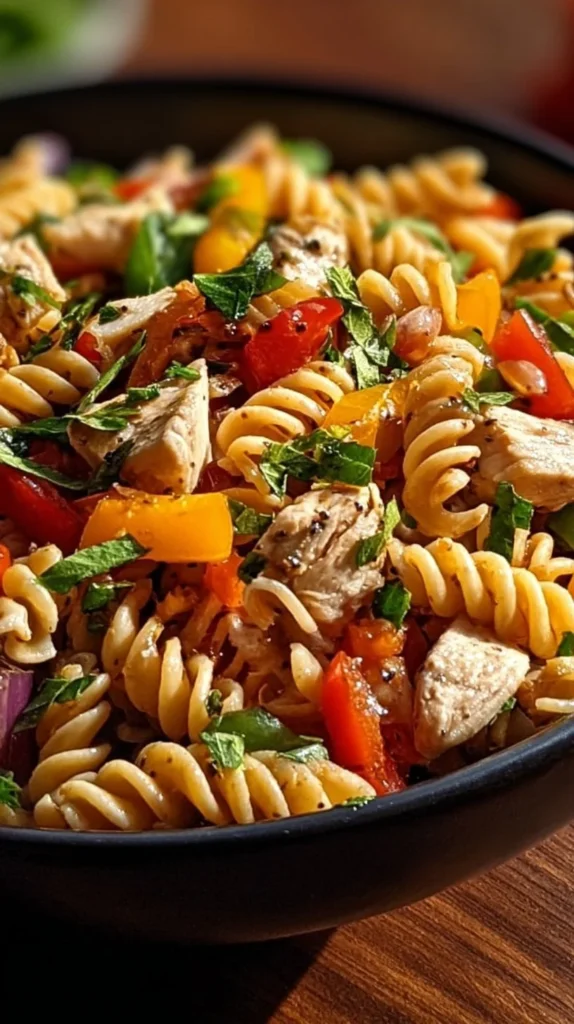
Protein-Packed Chicken Pasta Salad
Ingredients
Method
- Cook the high-protein pasta according to package instructions. Drain and set aside to cool.
- In a large bowl, combine the cooked pasta, chicken breast, cherry tomatoes, cucumber, bell peppers, red onion, and olives.
- In a separate small bowl, whisk together the feta cheese, Greek yogurt, hummus (or light mayo), lemon juice, olive oil, Dijon mustard, garlic powder, and dried oregano to create the dressing.
- Pour the dressing over the pasta mixture and toss to combine. Season with salt and pepper to taste.
- Serve immediately or refrigerate for 30 minutes before serving for a chilled salad.