Viral Cottage Cheese Flatbread Pizza
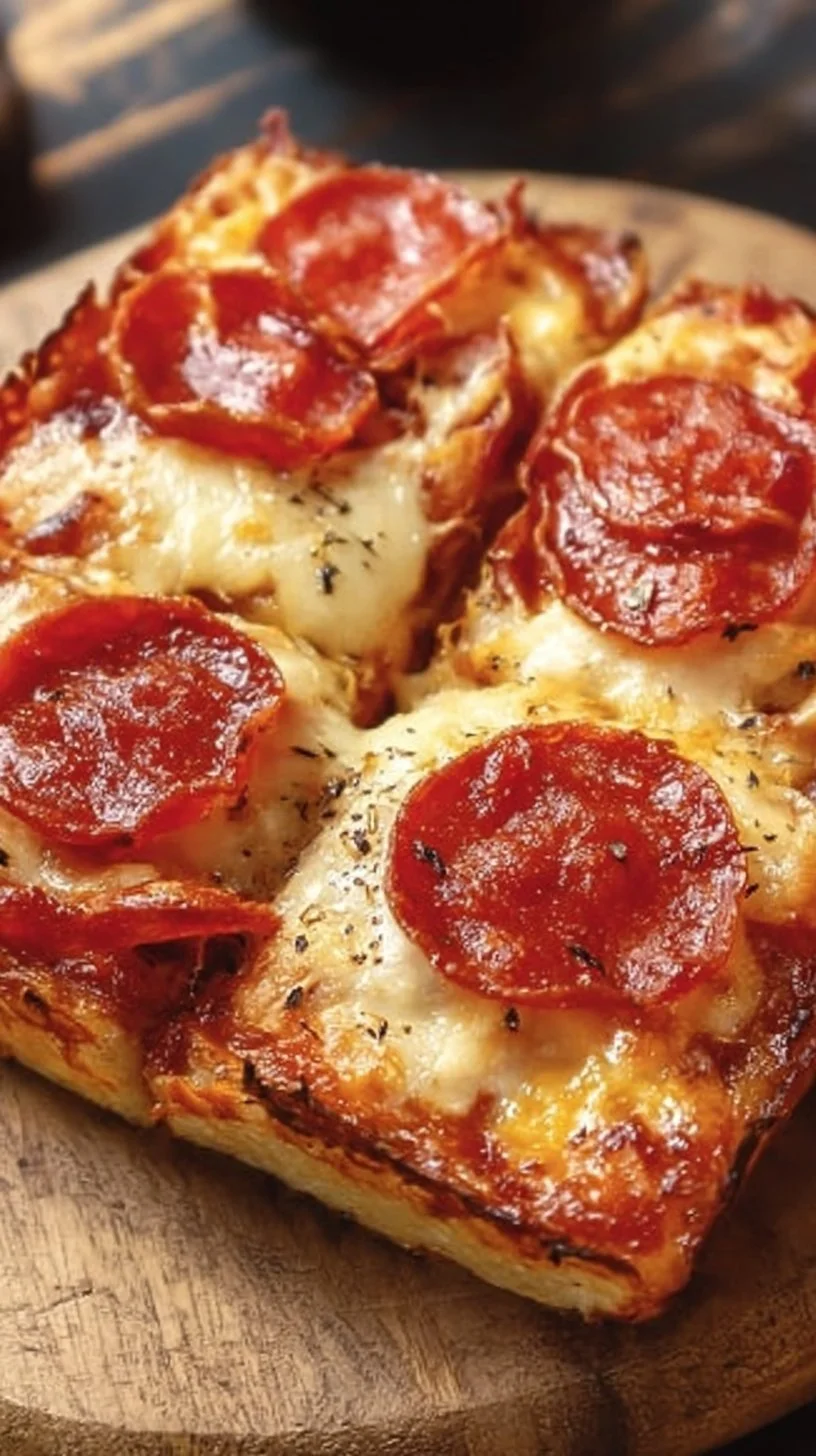
This Viral Cottage Cheese Flatbread Pizza is the kind of recipe that fits neatly into everyday life: it’s fast, forgiving, and delivers a familiar pizza experience without feeling like a heavy takeout night. Using cottage cheese as the flatbread base keeps the texture airy and slightly custardy, while the quick bake-and-top method gives you a crisp, cheesy finish that still eats like a comforting meal. It’s a practical choice for weeknights when you want something flavorful and satisfying but don’t want to spend a lot of time or mental energy on preparation.
If you’re already comfortable with cottage cheese in savory preparations, this is an easy next step — it sits alongside other reliable cottage-cheese-forward recipes, such as a straightforward high-protein pizza bowl that plays with similar textures and convenience in the kitchen. Try a pizza-bowl variation for another quick weekday option to keep the rotation fresh.
This recipe works equally well for quick lunches, light dinners, or a repeat that feels new because of the toppings you choose. It’s approachable, forgiving on technique, and built on ingredients most home cooks keep on hand — which is exactly the kind of balance I aim for in the kitchen.
How this recipe fits into a balanced lifestyle
This flatbread pizza supports moderation and enjoyment by leaning on ingredient choices and portion control rather than strict rules. The cottage cheese base provides a softer, protein-forward platform that helps the meal feel filling without needing a heavy dough. That’s not about limiting — it’s about getting more out of fewer components so the plate feels composed and satisfying.
Flavor is the priority here: garlic powder, Italian herbs, a tangy pizza sauce, melty cheese, and pepperoni combine for a familiar profile. When flavor is present, smaller portions often feel plenty. In practice, that means you can enjoy a couple of slices with a crisp salad or grab a single flatbread as a stand-alone lunch without missing the comfort of a traditional pizza.
This recipe also plays nicely with repetition. Rotate toppings, change the cheese, or pair it with different sides across the week to keep meals interesting. If you like baking with cottage cheese in other forms, there are nearby ideas that build on the same ingredient base — for example, a cottage-cheese bake that leans sweet for breakfast, which is a useful contrast when you want variety. A simple apple-cinnamon bake makes for a nice shift in mood when you don’t want another savory meal.
How to make Viral Cottage Cheese Flatbread Pizza
The cooking flow here is straightforward: blend, bake, top, bake again. The first bake sets and dries the cottage cheese mixture into a workable flatbread; the brief second bake melts the cheese and crisps the pepperoni. Because the base is mostly cottage cheese and eggs, you’re relying on heat to transform a loose batter into a sliceable surface, so timing and even spreading matter more than precise measuring.
Simplicity matters in two places: the blender step and how thin you spread the batter. Use a blender or food processor to break down the curds into a smooth batter — this creates a uniform texture that bakes more evenly. When spreading, aim for a thin, even circle rather than a thick mound; a thinner base will be crispier and less eggy. Once it’s baked the first time, trust the second bake to finish the job and don’t overbake it in the first round.
If you appreciate step-by-step, user-friendly cues, this is a recipe that rewards attention to visual signs (golden-brown edges, set center) more than obsessive timing. And if you’re curious about other cottage-cheese-based bakes for different mealtimes, there’s a handy savory egg bake that uses similar principles and is worth trying on a slow morning. A protein-packed cottage-cheese egg bake follows these same texture-first ideas.
Ingredients
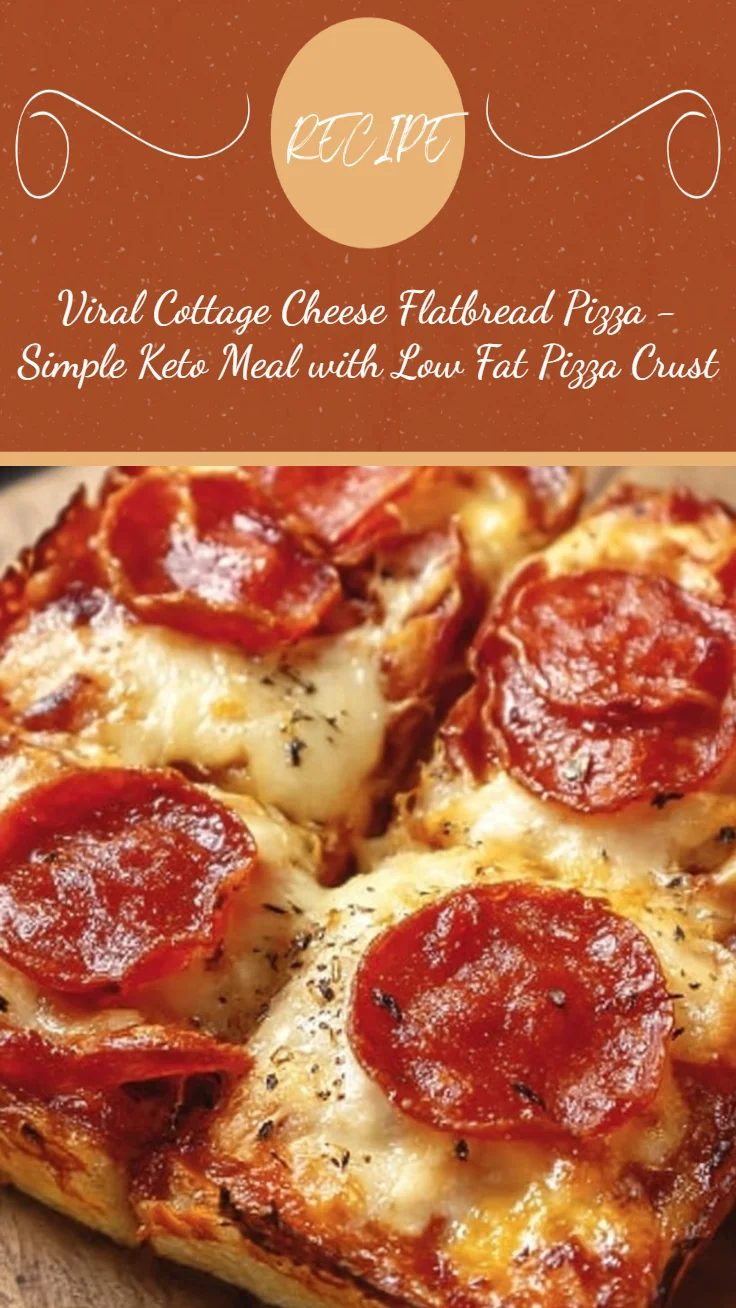
1 cup cottage cheese, 2 eggs, 1/2 teaspoon garlic powder, 1 teaspoon Italian herb mix, 2/3 cup pizza sauce, 3.5 ounces grated cheese (Gouda, Edam, or mozzarella), 2 ounces pepperoni
Each ingredient plays a clear role:
- Cottage cheese: The structural base. Its high moisture and curd structure make for a tender, slightly creamy flatbread once blended with eggs. It’s the reason this crust feels lighter than a carb-heavy dough while still holding toppings.
- Eggs: Binder and lift. Eggs set in the oven and create a cohesive base that slices like bread without a dense crumb.
- Garlic powder: An uncomplicated boost of savory aroma that spreads easily through the blended base.
- Italian herb mix: Brings familiar, pizza-like herbal notes (oregano, basil, thyme) that tie the base to the topping flavors.
- Pizza sauce: The concentrated punch of acidity and tomato balance against the richness of cheese and pepperoni.
- Grated cheese (Gouda, Edam, or mozzarella): Provides melt, stretch, and savory fat that give a satisfying pizza mouthfeel. Each cheese option changes the character slightly — mozzarella for classic stretch, Gouda for a smoked sweetness, Edam for a gentle nuttiness.
- Pepperoni: The spicy, salty counterpoint that makes this feel unmistakably like pizza, and adds textural contrast after a quick crisp in the oven.
These are simple, mindful choices. The dish achieves balance by combining protein and fat with bright tomato acidity and herbs, rather than by stripping components away. That combination keeps each bite interesting and prevents the meal from feeling flat or heavy.
Directions
Preheat your oven to 350°F (180°C). In a blender, combine cottage cheese, eggs, garlic powder, salt, black pepper, and Italian herb mix; blend until smooth. Line a baking sheet with parchment paper and pour the mixture onto it; spread into a thin circle. Bake for 30 minutes or until golden brown. Increase oven temperature to 400°F (200°C). Spread pizza sauce over the baked flatbread, top with grated cheese and pepperoni. Bake for an additional 8-10 minutes until cheese is melted and bubbly.
Supportive guidance around the steps:
- Blending: Aim for a uniformly smooth batter. If you still see curds, pulse and scrape, then blend again. A few small flecks are fine, but large curds will make the flatbread uneven.
- Spreading: Use a spatula dampened with a tiny bit of water or oil to help the batter spread into an even, thin circle. Thicker spots will take longer to set and can become overly eggy while the thin edges crisp.
- First bake: Look for a golden-brown edge and a set center. The center should no longer jiggle like a raw custard; it should be firm to the touch. Thirty minutes is a guideline — ovens vary — so rely on those visual and textural cues.
- Increasing temperature: The second, hotter bake is there to activate the cheese and crisp the pepperoni. Don’t skip it; this is what gives the pizza that finishing texture you expect.
- Final bake: Watch the cheese and pepperoni closely in the 8–10 minute window. You want melted, bubbly cheese and pepperoni that has released some of its oils and edged toward crispness, but you don’t need deep browning to enjoy it.
Avoid overcomplicating things: once the base is baked the first time, the rest is simple assembly and a short glaze of heat. Trust the oven and your eyes.
The role of preparation in keeping this dish light
How you prepare the components influences perceived heaviness. Blending the cottage cheese smooth creates a lighter, more cohesive base rather than a lumpy, dense one. Spreading the batter thin helps moisture evaporate during the first bake, leaving a crisper finished product that doesn’t feel stodgy.
Technique matters: even heat distribution and the two-step bake are small investments that pay off with a balanced texture — not too wet, not too dry. Choosing a cheese that melts without becoming excessively oily (mozzarella is a safe bet) keeps the mouthfeel pleasant and clean. And topping modestly helps each bite taste composed; a few pepperoni slices deliver the savory punch, while leaving room so the tomato and herbs come through.
Small prep choices — like drying the parchment-lined pan slightly if it’s damp, or rotating the pan if your oven has hot spots — make the end result more consistent and keep the meal feeling intentionally light rather than accidental.
Simple ways to adjust without losing balance
You can personalize this flatbread without altering the recipe’s core ingredients or steps:
- Play with cheese character: Swap in a semi-soft cheese with a milder flavor or mix a small amount of sharper cheese for complexity. A lighter touch with a stronger cheese keeps flavor high without increasing portion size.
- Herbs and aromatics: Add a squeeze of fresh lemon or scatter fresh basil after baking to brighten the pizza. These small finishing touches lift the flavor and reduce the need for heavy toppings.
- Topping balance: If you want more vegetables, add thinly sliced bell peppers, mushrooms, or spinach that will wilt quickly under the hot oven. Keep them thin so they don’t introduce excess moisture.
- Heat and texture: If you like a crispier finish, give the assembled flatbread a minute or two under a broiler — watch closely. That rush of high heat crisps edges and concentrates flavors without extra ingredients.
All of these are conceptual adjustments; they don’t change the ingredient list or steps, but they help you make the dish your own while preserving the intended balance.
Pairing ideas for a complete, well-rounded meal
To turn one flatbread into a complete plate without overdoing it, aim for complementary textures and flavors:
- Crisp salad: A simple salad of peppery arugula, lemon vinaigrette, and shaved fennel or cucumber provides a bright, leafy contrast to the warm flatbread.
- Quick roasted veg: Toss cherry tomatoes or asparagus with a drizzle of oil and a pinch of salt, roast for 10–12 minutes, and serve alongside for a warm, textural match.
- Pickled elements: A small side of quick-pickled red onion or pepperoncini slices introduces acidity that cuts through the richness and keeps the meal lively.
- Fresh fruit: A few slices of pear or apple work especially well with Gouda or Edam, adding a refreshing finish.
The idea is balance: one rich element (the flatbread), one bright element (salad or pickles), and one textural element (roasted veg or fruit) — together they make a meal that feels complete but not heavy.
Storage, leftovers, and next-day enjoyment
This flatbread stores well and makes excellent leftovers when handled intentionally:
- Cooling: Let the flatbread cool completely on a rack before storing so condensation doesn’t soften the crust.
- Refrigeration: Wrap tightly or place in an airtight container and refrigerate for up to 3 days. Separate layers with parchment if stacking.
- Reheating: Reheat in a 375°F oven for 6–8 minutes on a baking sheet to restore crispness, or use an air fryer for 3–4 minutes. Microwaving works but will soften the crust; if you do microwave, finish briefly in a skillet or under a broiler to recover some texture.
- Repurposing: Leftover slices can be chopped and used as a warm component in a grain bowl, or cooled and sliced thin for a cold pizza-style sandwich with fresh greens.
If you enjoy prepping ahead, the same cottage-cheese techniques are adaptable to other meals; a sweet cottage-cheese breakfast bake is a good example of how the ingredient transitions across the day. A blueberry cottage-cheese breakfast bake shows that flexibility in a different direction.
Common questions about lighter everyday cooking
How much should one flatbread serve? A single flatbread can serve one hearty eater or two people alongside salads and sides. Portion balance is about pairing: smaller portions with bright, high-volume sides feel more satisfying.
Can you make the base ahead? You can blend the base and refrigerate it for a few hours, but for best texture, bake it soon after blending so the eggs set cleanly. If you need to prep ahead, mix the dry elements and keep the wet ingredients separate until ready.
How do I stop the flatbread from being too eggy? Spreading thin and baking until golden reduces egginess. Also, using a blender to fully break down cottage cheese creates a more uniform batter that behaves less like scrambled eggs when baked.
How do I avoid boredom when repeating lighter meals? Rotate finishes, switch cheeses, or swap fresh herbs and sides. Small changes in texture and acid (fresh lemon, quick pickles) make familiar ingredients feel new without being complicated.
Final thoughts from Daniel
This Viral Cottage Cheese Flatbread Pizza earns a spot in regular rotation because it balances ease with flavor and leaves room for thoughtful customization. It’s a recipe that rewards a few mindful choices — blending for consistency, spreading for crispness, and finishing with a hot bake — rather than hours of fuss. Cook it when you want dinner that feels lighter but still comforting, and don’t be afraid to make small tweaks to match what’s in your fridge.
Cook intuitively, notice how small technique choices change the outcome, and keep returning to this kind of flexible, flavor-forward approach. It’s the kind of everyday recipe that supports both pleasure and balance without being prescriptive.
Conclusion
If you want to see the viral cottage cheese flatbread idea in its original, widely shared format, this post gives the full viral context and inspiration: The Viral Cottage Cheese Flatbread – rachLmansfield. For another take and variations that highlight how versatile the method is, this write-up collects practical adjustments and user notes: Viral Cottage Cheese Flatbread – Kalejunkie.
— Daniel Brooks
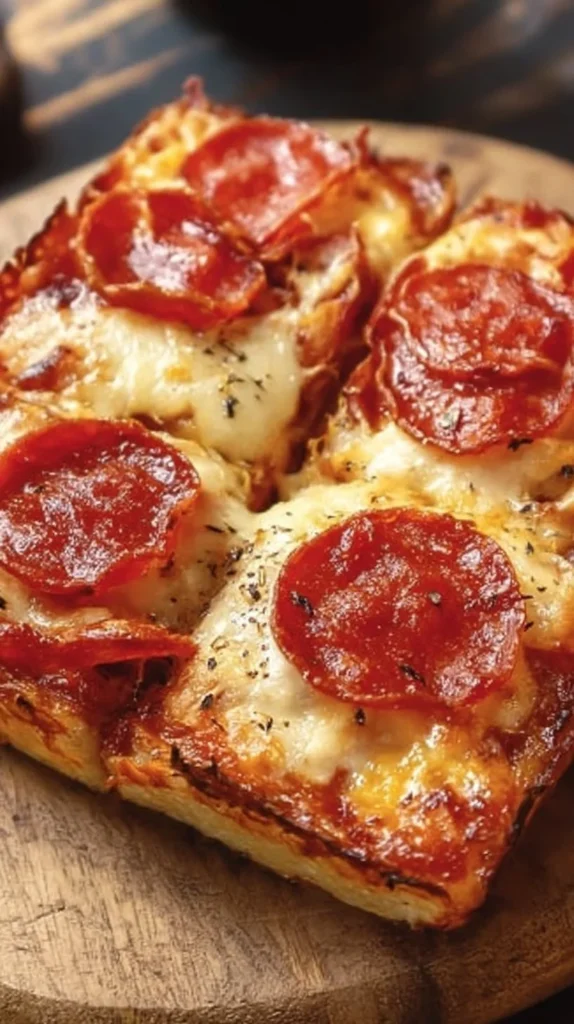
Viral Cottage Cheese Flatbread Pizza
Ingredients
Method
- Preheat your oven to 350°F (180°C).
- In a blender, combine cottage cheese, eggs, garlic powder, Italian herb mix, and blend until smooth.
- Line a baking sheet with parchment paper and pour the mixture onto it; spread into a thin circle.
- Bake for 30 minutes or until golden brown.
- Increase oven temperature to 400°F (200°C).
- Spread pizza sauce over the baked flatbread, top with grated cheese and pepperoni.
- Bake for an additional 8-10 minutes until cheese is melted and bubbly.