Delicious Pan Seared Salmon with Garlic Butter in 20 Minutes
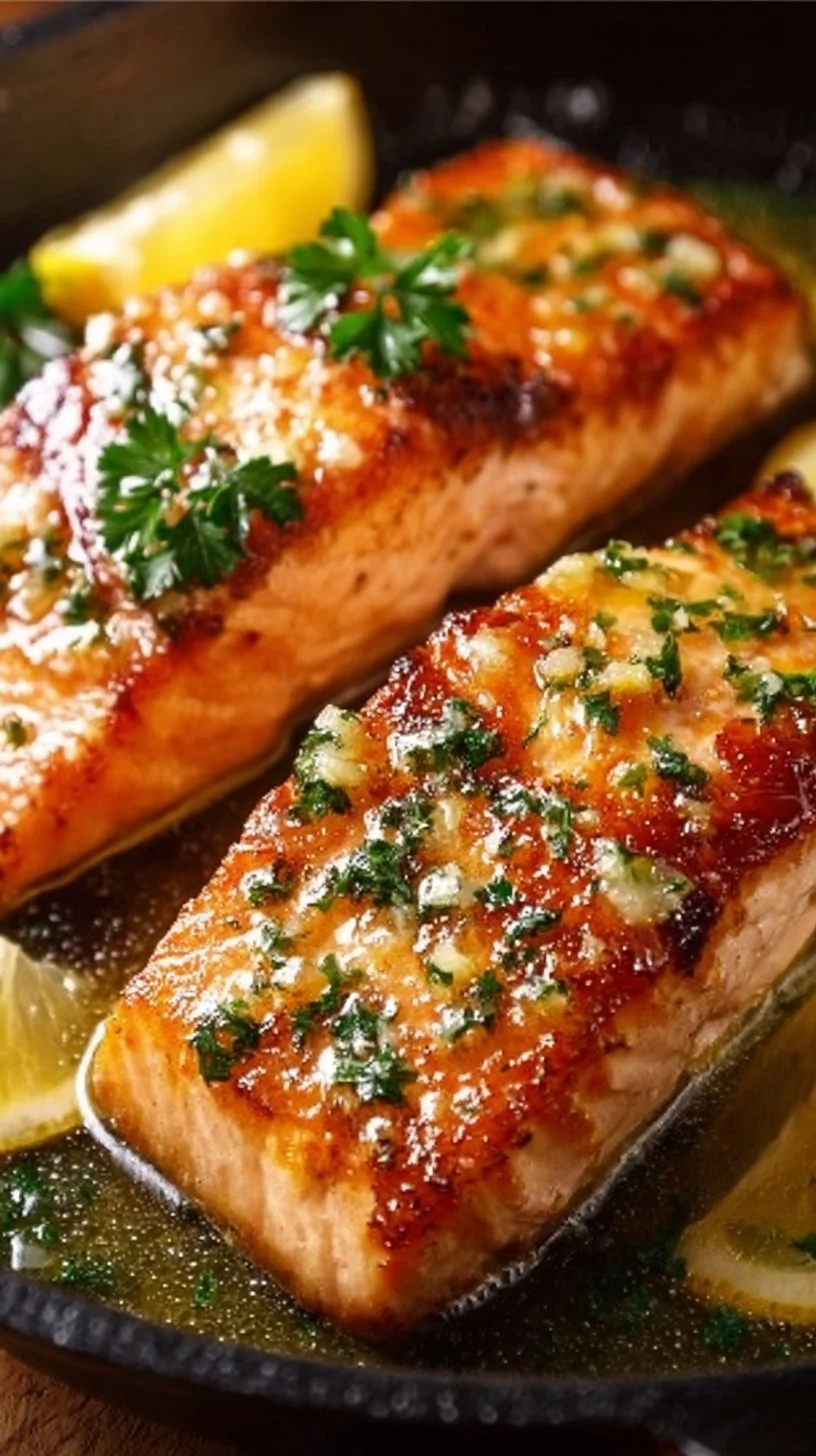
This pan seared salmon with garlic butter is one of those everyday meals I turn to when I want something that feels both satisfying and light. It comes together in about 20 minutes, and it’s built around simple, familiar flavors — crisped salmon skin, a warm garlic-butter spooned over the fillet, a touch of lemon and fresh parsley to lift everything. It’s the kind of dish that works just as well for a quick weeknight dinner as it does for a relaxed midday meal when you want to eat well without fuss.
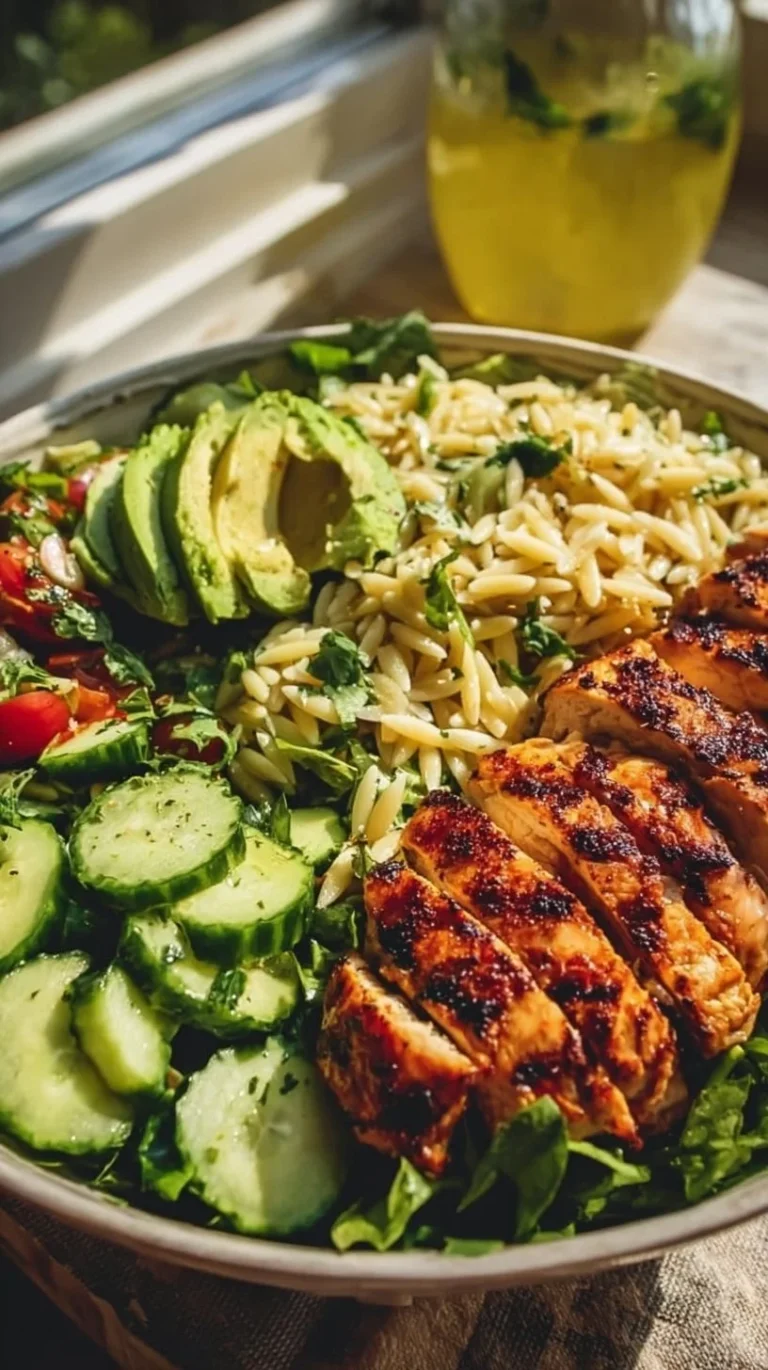
If you like meals that slot easily into a weekly routine, this recipe pairs well with a rotating cast of sides and small salads so you don’t get bored. For instance, I often alternate mains like this salmon with a hearty one-pot dish mid-week to vary textures and flavors — try a comforting one-pot option when you want something more filling, like the one-pot Cajun chicken Alfredo orzo, and keep this salmon for nights when you want something a bit lighter.
How this recipe fits into a balanced lifestyle
This recipe supports a practical, balanced approach to meals: it’s not about restriction, it’s about portion, ingredient quality, and thoughtful technique. A typical fillet here is 4–6 ounces, which feels like a satisfying single portion without overdoing volume. The use of olive oil and a modest amount of butter adds richness and mouthfeel while still feeling lighter than heavier cream-based sauces.
Because the flavors are clean and direct — garlic, butter, lemon, parsley — the meal reads as fresh rather than dense. It’s easy to pair with greens, whole grains, or roasted vegetables in ways that keep a plate varied and nutritionally broad. If you’re planning a weekly rotation, alternating this recipe with more carbohydrate-forward or protein-forward meals helps maintain balance; for example, pair it with a higher-protein snack day, like the high-protein banana bread when your week calls for portable fuel.
How to make Delicious Pan Seared Salmon with Garlic Butter in 20 Minutes
Overview: the flow is straightforward — season, pan-sear to develop a crisp exterior, then finish with butter, garlic, and lemon. Simplicity matters here: a hot pan, a patient sear, and quick finishing flavors are all you need. Treat the process as three clear stages: hot pan to crisp, gentle finishing to flavor, and resting briefly before serving.
Start by getting everything ready: mince the garlic, chop the parsley, measure the butter and lemon juice, and pat the salmon dry. Dry fish sears better. Heat the olive oil until shimmering, then add the salmon skin-side down and leave it alone long enough to develop color — that’s the main time investment. After flipping, add the butter and garlic and use the fat to gently baste. Finish with lemon and parsley, and you’re there.
If you prefer a different seafood night structure, you can alternate this method occasionally with grilled options — a grilled seafood bowl like the grilled shrimp bowl with avocado-corn salsa is a good companion idea for variety in both technique and texture.
Ingredients
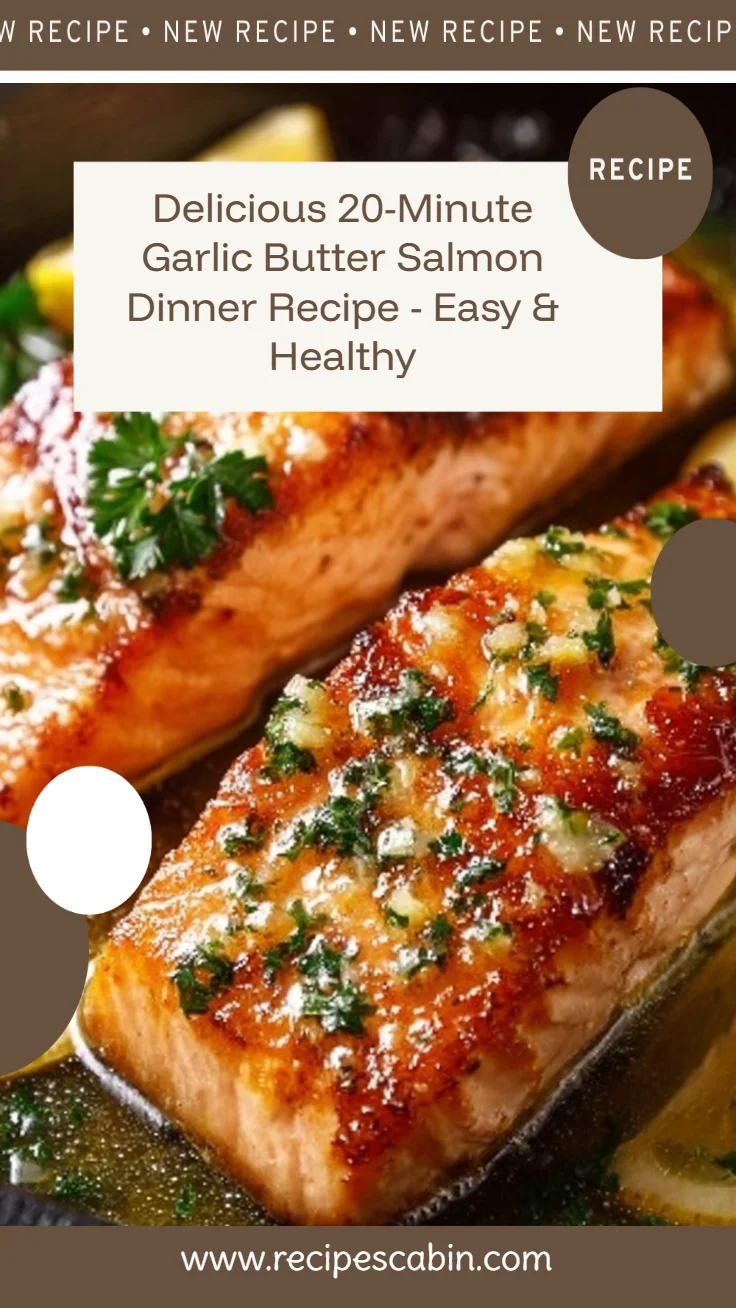
4 pieces salmon fillets (4-6 ounces each for perfect portion sizes), 1 tablespoon olive oil (enhances the crispiness of the skin), salt (to taste, elevating the flavor of the salmon), pepper (a pinch adds a nice kick!), 3 tablespoons butter (adds richness and a velvety texture to the sauce), 1.5 teaspoons minced garlic (infuses the dish with delicious aroma), 2 teaspoons lemon juice (brightens up the flavors), 1 tablespoon chopped parsley (for a fresh, vibrant garnish)
Each ingredient has a clear job:
- 4 pieces salmon fillets (4-6 ounces each for perfect portion sizes): Salmon is the centerpiece — rich in texture and naturally flavorful. The suggested portion size is practical: filling enough for a main course without overwhelming the plate.
- 1 tablespoon olive oil (enhances the crispiness of the skin): Olive oil helps generate the initial high-heat sear. It’s about heat transfer and a bit of flavor; use a neutral-tasting extra virgin if that’s your preference.
- salt (to taste, elevating the flavor of the salmon): Salt brings out the natural flavors. Seasoning before cooking helps form a better crust.
- pepper (a pinch adds a nice kick!): A little pepper adds background spice without competing with garlic and lemon.
- 3 tablespoons butter (adds richness and a velvety texture to the sauce): The butter enriches the pan sauce, coating the salmon and creating that comforting, glossy finish.
- 1.5 teaspoons minced garlic (infuses the dish with delicious aroma): Garlic is aromatic and immediate — it sings when finished briefly in the butter.
- 2 teaspoons lemon juice (brightens up the flavors): Lemon juice cuts through richness and lifts the overall flavor, making the dish feel lighter.
- 1 tablespoon chopped parsley (for a fresh, vibrant garnish): Parsley adds color, freshness, and a grassy counterpoint to butter and garlic.
Simple, intentional choices like these let each component do its job, creating balance through combination rather than restriction.
Directions
Cooking Instructions
- Pat the salmon fillets dry and season both sides with salt and a pinch of pepper.
- Look for the surface to be dry before it hits the pan; wet fish steams instead of sears.
- Heat 1 tablespoon olive oil in a skillet over medium-high heat until shimmering.
- The pan should be hot enough that the oil moves briskly across the surface, but not smoking.
- Place the salmon fillets skin-side down and press gently for 10–20 seconds to ensure even contact.
- Leave them undisturbed for 3–5 minutes (depending on thickness) until the skin is crisp and the fish releases easily.
- Flip the fillets and add 3 tablespoons butter to the pan.
- As the butter melts, add 1.5 teaspoons minced garlic to the butter, spooning the foaming butter and garlic over the tops of the fillets for 1–2 minutes.
- Cook until the salmon reaches your desired doneness — usually another 2–4 minutes after flipping for medium.
- A gentle jiggle in the center or an internal temperature around 125–130°F (for medium) are good signs; the fish will continue to carryover cook slightly after it hits the plate.
- Remove from heat and finish with 2 teaspoons lemon juice and 1 tablespoon chopped parsley before serving.
- The lemon and parsley are best added off-heat so their fresh notes stay bright.
Supportive guidance while cooking:
- What to look for: good color on the skin, a glossy butter sauce, and a slightly translucent center if you prefer medium. The smell of garlic blooming in butter is a strong indicator the sauce is ready.
- How to avoid overcomplicating: don’t try to multitask too much at the searing step — once the fish is in the pan give it room. Simple timing and visual cues will do most of the work.
- Signs the dish is coming together properly: a crisp edge, a butter sauce that glosses the fish, and a bright finish with lemon and parsley.
The role of preparation in keeping this dish light
Technique influences how heavy or light a dish feels as much as ingredients do. Pan-searing is a dry-heat method that builds concentrated flavor through caramelization without adding heavy binding agents. By using a measured amount of butter and finishing with lemon, the recipe gets richness and silkiness without the heaviness of cream-based sauces.
Preparation steps like patting the salmon dry and bringing the pan up to the right temperature set you up for success. These small actions ensure you get texture — crisp skin, tender interior — which contributes to satisfaction with less food. Resting briefly after cooking lets the juices redistribute so the fillet feels succulent rather than dense.
Simple ways to adjust without losing balance
Small tweaks can personalize the dish while keeping the balance intact:
- Swap herbs: cilantro or dill can replace parsley for a different fresh profile without altering richness.
- Increase brightness: add a light squeeze of fresh lemon at the table rather than cooking it in — this keeps acidity bold and fresh.
- Play with spice: a pinch of smoked paprika or a lemon-pepper rub can shift flavor without adding calories or heaviness.
- Change the fat ratio: reduce butter slightly and finish with a spoon of extra-virgin olive oil if you want a lighter finish and a bit more olive-forward flavor.
Remember: these are conceptual adjustments only. Don’t change the ingredient list or the core steps; treat them as ideas to alter flavors and moods rather than structure.
Pairing ideas for a complete, well-rounded meal
This salmon is versatile with sides that keep the plate balanced and visually pleasing. Here are ideas that match the light-but-satisfying profile:
- Greens: a simple mixed green salad with a lemon vinaigrette offers crisp contrast and acidity that complements the buttered salmon.
- Vegetables: roasted asparagus, blistered cherry tomatoes, or a quick sautéed spinach add color and fiber without heaviness.
- Grains: light, fluffy couscous or a small serving of quinoa rounds out the plate with gentle texture and a neutral base.
- For a Mediterranean lean: pair with a lemony tabbouleh and a few olives for briny contrast.
- If you want to alternate proteins across the week, mix in other seafood-forward meals like the grilled shrimp bowl with avocado-corn salsa to keep variety in both preparation and flavor profiles.
Portioning: think of the plate visually — about half vegetables, a quarter protein (the salmon), and a quarter grains or starchy accompaniment if desired. That balance creates a satisfying meal without excess.
Storage, leftovers, and next-day enjoyment
This salmon stores well for 1–2 days in the refrigerator if cooled and covered promptly in an airtight container. The butter-garlic sauce can cling to the fish, so be mindful that reheating will soften the crisp skin. If you plan to save portions:
- Storage: cool to room temperature for no more than an hour, then refrigerate. Keep parsley separate if you want it to stay bright.
- Reheating: a short hit in a warm skillet (low-medium heat) helps restore some texture; cover briefly to warm through then uncover to let the exterior dry slightly. Avoid microwaving if you’re aiming to keep any crispness.
- Next-day uses: flake the salmon into salads, toss with warm grains, or make an open-faced sandwich on toast with a little extra lemon and greens. For a light snack or dessert on a balanced day, I often round out meals with something like the high-protein frozen peanut butter Greek yogurt bites for a portable, satisfying finish.
Common questions about lighter everyday cooking
Q: How do I know the right portion size?
A: Treat a 4–6 ounce fillet as a standard single portion. Balance it with plenty of vegetables and a moderate grain if you want more energy in the meal.
Q: How can I repeat recipes without getting bored?
A: Rotate side dishes, change finishing herbs, or swap a lemon finish for a citrus-herb dressing. Small changes in texture and temperature — roasted vs. raw vegetables — keep repetition interesting.
Q: Is butter necessary for richness?
A: Butter adds a comforting mouthfeel, but you can reduce it or finish with a splash of olive oil if you want a lighter impression. The goal is flavor-forward adjustments rather than strict restriction.
Q: Can I use frozen salmon?
A: Yes. Thaw it gently in the refrigerator overnight and pat it thoroughly dry before cooking to ensure a proper sear.
Final thoughts from Daniel
Cooking this salmon is an invitation to simple, attentive cooking. The techniques are gentle, the ingredient list is short, and the results are reliably satisfying. Balance here comes from portion, preparation, and small finishing touches that brighten without weighing things down.
Keep it in rotation when you want a reliable, quick meal that feels cared for but not complicated. Trust your eyes and nose at the pan, and remember that small variations — different herbs, a new side, a citrus tweak — will keep the routine fresh without overhauling what works.
Conclusion
If you want inspiration for a similar garlic-butter approach with a slightly different technique, the Garlic Butter Salmon recipe – RecipeTin Eats offers an alternate take worth exploring. For a baked version that still highlights lemon and garlic, check out the Baked Lemon Garlic Butter Salmon recipe – Simple Home Edit for a hands-off oven method. And if you’re curious how another home cook seasons and finishes pan-seared salmon, this Pan Seared Salmon with Garlic Butter – Dinner at the Zoo post is a helpful reference.
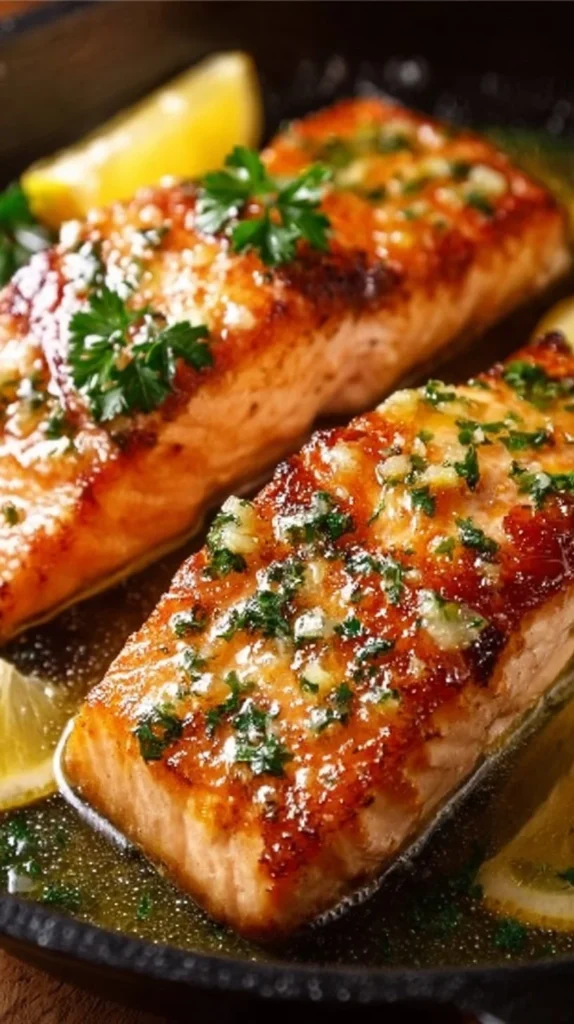
Pan Seared Salmon with Garlic Butter
Ingredients
Method
- Pat the salmon fillets dry and season both sides with salt and a pinch of pepper.
- Mince the garlic, chop the parsley, measure the butter and lemon juice, and set aside.
- Heat 1 tablespoon olive oil in a skillet over medium-high heat until shimmering.
- Place the salmon fillets skin-side down and press gently for 10–20 seconds to ensure even contact.
- Leave them undisturbed for 3–5 minutes until the skin is crisp and the fish releases easily.
- Flip the fillets and add 3 tablespoons butter to the pan.
- As the butter melts, add 1.5 teaspoons minced garlic to the butter, spooning the foaming butter over the tops of the fillets for 1–2 minutes.
- Cook until the salmon reaches your desired doneness, usually another 2–4 minutes after flipping.
- Remove from heat and finish with 2 teaspoons lemon juice and 1 tablespoon chopped parsley before serving.