Easy Tuna Pasta Salad
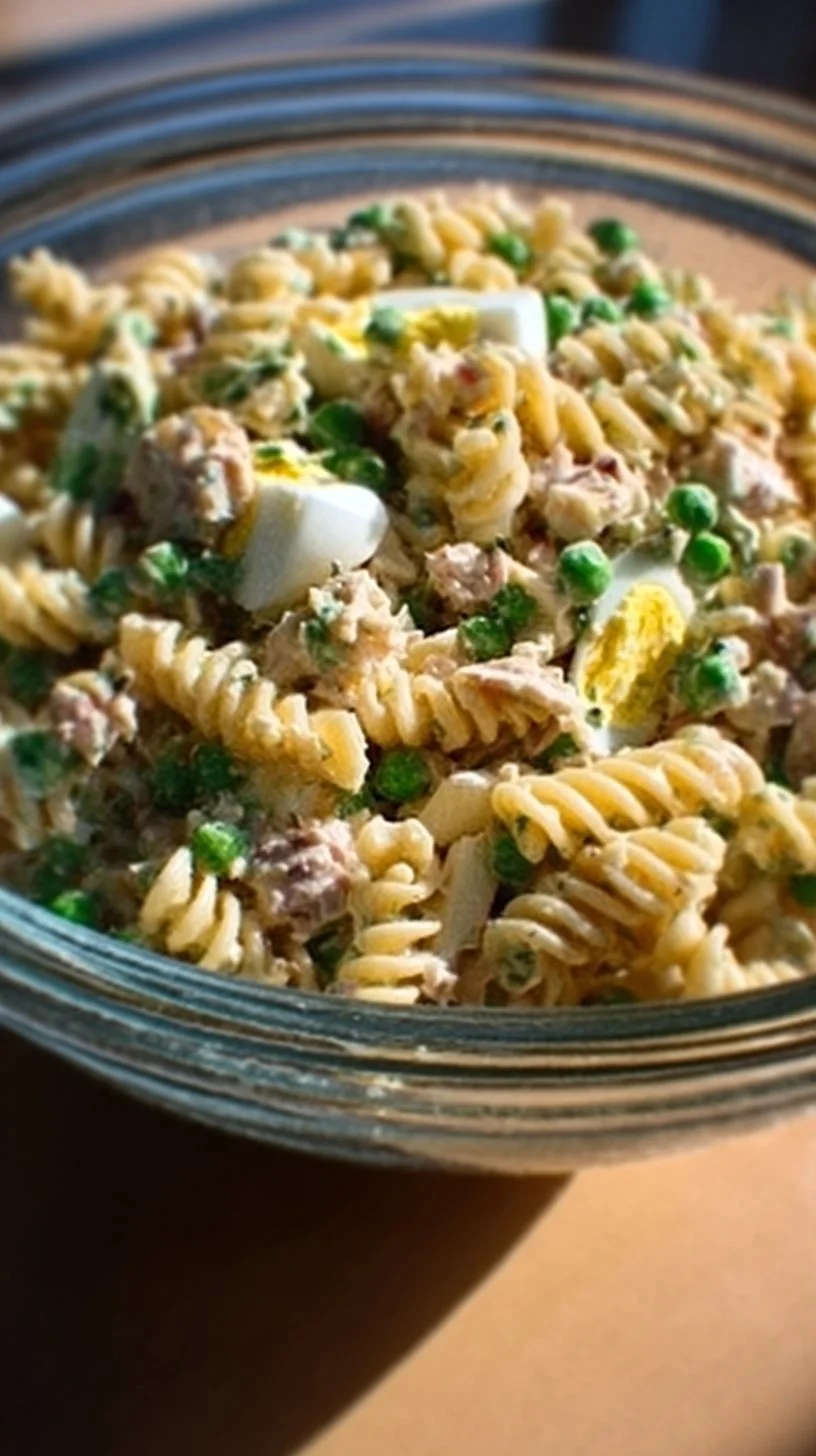
Easy Tuna Pasta Salad is one of those dependable recipes that quietly does a lot of work in a weeknight rotation. It’s quick to pull together, uses pantry-friendly ingredients, and delivers a satisfying mix of creamy, briny, and fresh textures that don’t feel heavy. For people who want meals that feel lighter without losing the comfort of familiar flavors, this is a practical go-to.
I think of it as a bridge between lunch and dinner: bright enough for a midday meal, but hearty enough to stand in for an uncomplicated supper. If you like riffing on tuna salads or bean-and-pasta bowls, you’ll find this one adaptable — and if you want ideas for similar, slightly bolder versions, there are fun riffs like a buffalo-style tuna salad that use the same basic logic.
How this recipe fits into a balanced lifestyle
This salad supports a balanced approach to eating by combining protein, carbohydrates, and fiber in recognizable portions. The tuna and eggs give the dish substance, while the Cannellini beans and peas add fiber and a pleasant bite. The dressing is creamy without being cloying because the cottage cheese lightens the mayonnaise while still contributing tang and body.
Why it feels lighter: the textures are important. Tender pasta plus firm tuna, soft beans, and a creamy but aerated dressing make each forkful feel complete. That sense of completeness avoids the impulse to pile on extra sides. It’s also an example of how ingredient quality matters: good canned tuna in water and fresh eggs make the salad sing without needing extravagant additions.
Because it’s straightforward and stores well, it fits naturally into a weekly routine where you might cook once and eat twice. If you’re planning meals for the week, pair it with a simple leafy salad or roasted vegetables to round out the plate without overcomplicating your prep. For more ideas on using cottage cheese in pasta salads, see this take on a high-protein cottage cheese pasta salad for inspiration.
How to make Easy Tuna Pasta Salad
At its core, the flow is simple: make the dressing, cook the pasta, prep the add-ins, combine, and let the flavors marry. Where simplicity matters most is timing — do the dressing while the pasta cooks, and slice your eggs as the pasta cools. That keeps the work in short, focused bursts so nothing sits too long on the counter.
Think of this recipe as assembly-driven rather than technique-heavy. The only real cooking is boiling the pasta and hard-boiling the eggs (which can be done ahead). Take a practical approach: use a timer for the pasta so it’s al dente, cool it quickly under running water if you’ll serve the salad chilled, and don’t overmix once everything is combined so the textures hold up.
If you enjoy comparing variations, the pantry has room for swaps — but the basic sequence stays the same. If you like a different legume or want to serve this slightly warmed, the method still works, and if you want examples of similar composed bowls, a simple tuna chickpea salad bowl shows the same principles applied to other legumes and dressings.
Ingredients
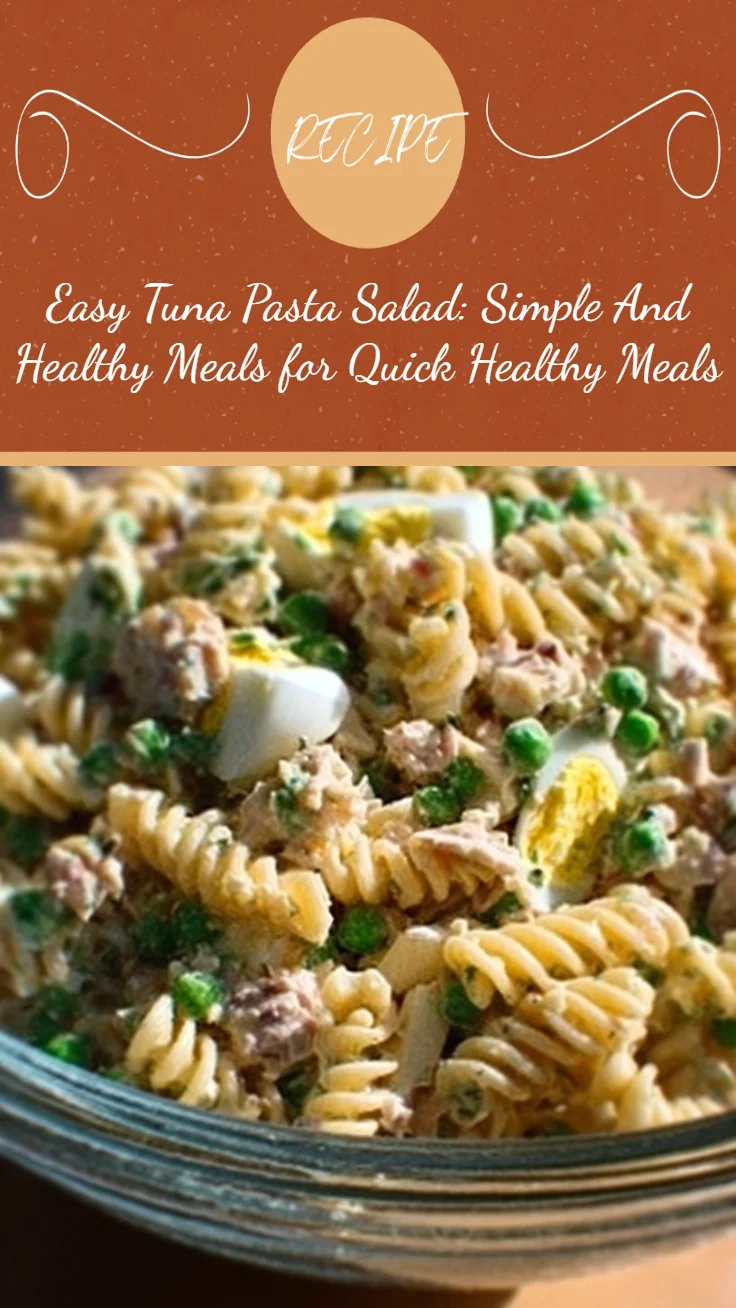
8 ounces dry protein pasta, 2 5-ounce cans albacore tuna in water, 1 15.5-ounce can Cannellini beans, drained, 4 large hard-boiled eggs, 2 scallions, thinly sliced, 1 cup frozen peas, 1 cup whole milk cottage cheese, 1/2 cup mayonnaise, 2-4 tablespoons red wine vinegar, 2 teaspoons Dijon mustard, 1 teaspoon dried dill, 1 teaspoon garlic powder, 1 teaspoon onion powder, 1/2 teaspoon black pepper, Salt to taste
Each ingredient has a specific role in the finished salad:
- 8 ounces dry protein pasta: Provides the carbohydrate base and bulk. A short, shaped pasta (elbow, fusilli, or shells) catches the dressing and small bits of tuna and beans.
- 2 5-ounce cans albacore tuna in water: The main source of lean protein and umami. Tuna brings a meaty texture without heaviness because it’s canned in water rather than oil.
- 1 15.5-ounce can Cannellini beans, drained: Add creaminess and fiber; they also temper the tuna’s intensity while keeping the salad filling.
- 4 large hard-boiled eggs: Add richness, a different protein texture, and a soft creaminess when chopped.
- 2 scallions, thinly sliced: Bright, oniony notes that lift the whole salad without overpowering it.
- 1 cup frozen peas: A pop of sweetness and color; thawed peas keep the salad feeling fresh.
- 1 cup whole milk cottage cheese: Lightens the dressing by adding tang and body without relying solely on mayonnaise.
- 1/2 cup mayonnaise: Provides creaminess and mouthfeel; balanced by the cottage cheese so the dressing isn’t overly heavy.
- 2-4 tablespoons red wine vinegar: Adds acidity to brighten flavors; adjust to taste.
- 2 teaspoons Dijon mustard: Gives depth and a gentle sharpness that melds the dressing.
- 1 teaspoon dried dill, 1 teaspoon garlic powder, 1 teaspoon onion powder: Seasoning layers that make the dressing flavorful without needing fresh herbs.
- 1/2 teaspoon black pepper, Salt to taste: Final seasoning to balance and bring clarity to the flavors.
The combination is about balance — protein and fiber to keep you satisfied, creamy elements for pleasure, and acidic and aromatic components to keep each bite lively.
Directions
- First, make the sauce by whisking together mayonnaise, cottage cheese, Dijon mustard, red wine vinegar, dried dill, garlic powder, onion powder, and black pepper until smooth and tangy. Adjust consistency with water if too thick.
- Cook the pasta according to package instructions until al dente. Drain and cool under cold water if serving chilled.
- While pasta cools, slice hard-boiled eggs, scallions, and thaw peas.
- In a large bowl, combine the drained tuna, Cannellini beans, peas, scallions, and chopped hard-boiled eggs. Add the cooled pasta.
- Gently fold in the dressing until everything is well-coated without breaking the ingredients.
- Taste and adjust seasoning with salt, pepper, and additional vinegar if desired. Serve chilled or at room temperature.
Supportive guidance around the steps:
- When making the sauce, taste as you go. The cottage cheese mellows acidity, so you may want the lower end of vinegar at first and add more if it needs brightness.
- For the pasta, al dente is key — it holds texture after chilling and doesn’t soak up too much dressing. Rinsing under cold water stops cooking and removes surface starch that can make salads gummy.
- Thaw frozen peas quickly by running them under warm water or placing them in a sieve over hot tap water; they should be tender but not mushy.
- Combine gently. Tuna flakes and bean skins are delicate — use a folding motion so you keep chunks intact for more texture.
- Taste at the end. Salt is the final amplifier; add it sparingly and finish with a little more vinegar if the salad needs lift.
The role of preparation in keeping this dish light
Preparation choices make a big difference in how “light” a dish feels. Cooling the pasta prevents it from absorbing too much dressing, which keeps each bite balanced rather than heavy. Using cottage cheese blended into the dressing reduces the amount of mayonnaise needed while maintaining creaminess — a small technique that visibly lightens the mouthfeel.
Texture control matters: undercooked pasta will feel firm and dry, overcooked pasta will feel gummy and weigh the salad down. Similarly, avoid over-mashing the beans when stirring — intact beans contribute a creaminess without turning the whole salad into a single paste. These small technique choices let you enjoy a satisfying meal that feels clean and composed.
Simple ways to adjust without losing balance
You can personalize this recipe while keeping the balance intact:
- Swap short pastas with whole-grain or legume-based varieties for extra fiber, but stick to the same cook-and-cool approach so textures remain pleasant.
- Increase or decrease vinegar in the dressing to taste — more for brightness, less if you prefer creamier notes.
- Add a crunchy element at service (toasted seeds or finely chopped celery) rather than in the mixing bowl if you’re concerned about moisture loss.
- For a herb-forward version, fresh parsley or dill can be stirred in at the end; add sparingly so the dressing can still do the heavy lifting.
These are conceptual adjustments — they keep the recipe’s spirit without changing the ingredient list or steps.
Pairing ideas for a complete, well-rounded meal
A single bowl is satisfying, but rounding out the meal can make it feel intentional without excess:
- Light but crisp greens: A simple mixed greens salad dressed in lemon and olive oil offers a fresh counterpoint.
- Vegetable sides: Roasted asparagus, sliced cucumbers, or a quick tomato salad add color and different textures.
- Bread options: A slice of crusty whole-grain bread can be nice for those who want a little extra carbohydrate without overwhelming the plate.
If you’re building a plate for company or a casual picnic, think contrast: creamy vs. crisp, cool vs. warm, and bright acid vs. mellow richness. If you want ideas for other easy recipe categories to pair alongside, browse the easy recipes collection for complementary dishes.
Storage, leftovers, and next-day enjoyment
This salad stores well in an airtight container in the refrigerator for 3–4 days. Because of the dressing and ingredients, flavors tend to meld and improve overnight, but textures change slightly — pasta will soak up some dressing and peas will soften. If you plan to store servings, consider keeping a small portion of dressing aside and stirring it in right before eating to refresh the texture.
Reheating is not necessary — the salad is best chilled or at room temperature. If you prefer a warm variation, serve the salad slightly warmed by removing it from the fridge 20–30 minutes before eating or gently warming single portions in a microwave for 20–30 seconds; add a splash of vinegar or a spoonful of reserved dressing if it feels dry.
Common questions about lighter everyday cooking
- How much should one serving be? Aim for a balanced plate: about 1 to 1 1/2 cups of the salad alongside a small side of greens or vegetables makes a satisfying meal for most people.
- Can I make this ahead for lunches? Yes — it’s a solid make-ahead option. Store in portioned containers and add any crunchy toppings just before eating.
- How do I avoid boredom when repeating meals? Vary accompaniments (different vegetables, breads, or a citrus squeeze) and switch up textures at service (toasted nuts or seeds, fresh herbs).
- Is this recipe appropriate for casual entertaining? Absolutely — it scales easily and can be set out in a bowl for self-service with simple sides.
These answers focus on practical choices that make repetition easy and enjoyable without feeling monotonous.
Final thoughts from Daniel
I like this Easy Tuna Pasta Salad because it’s honest and forgiving. It doesn’t demand special ingredients or fussy technique, but it rewards small acts of attention — a properly cooked pasta, a whisked dressing, a gentle fold. That’s the kind of cooking I try to return to: balanced, achievable, and satisfying in a way that feels good for everyday life.
If you cook intuitively and adjust seasonings to your taste, this one will become a dependable option in your meal rotation. Keep it simple, make it your own in small ways, and enjoy the straightforward satisfaction of a well-composed bowl.
Conclusion
If you want a classic reference to compare dressings or textures, this Classic Tuna Pasta Salad provides a familiar baseline. For a home-cook friendly, straightforward take that aligns with weeknight ease, this Tuna Pasta Salad Recipe is a helpful companion.
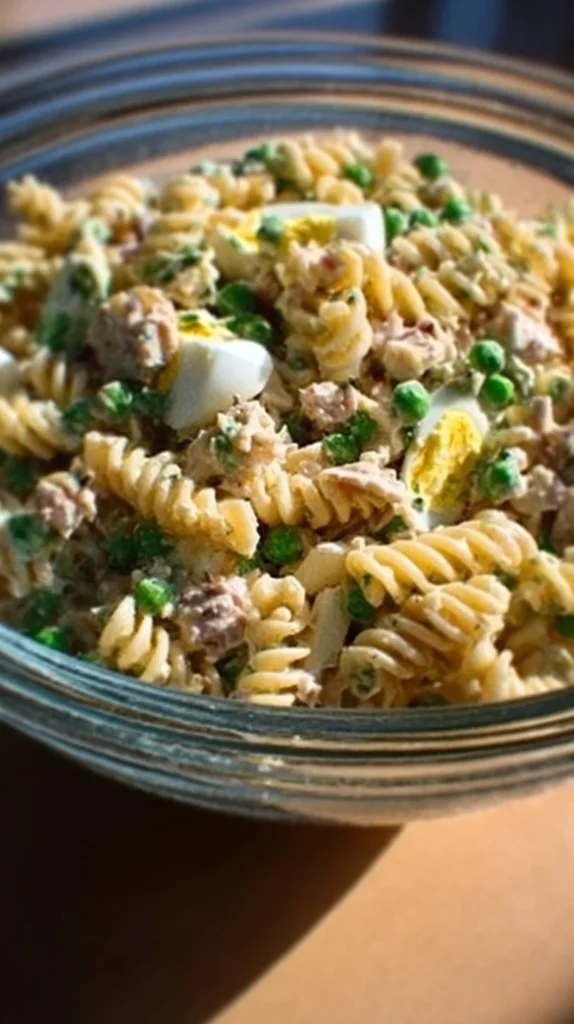
Easy Tuna Pasta Salad
Ingredients
Method
- Make the dressing: whisk together mayonnaise, cottage cheese, Dijon mustard, red wine vinegar, dried dill, garlic powder, onion powder, and black pepper until smooth.
- Cook the pasta according to package instructions until al dente, then drain and cool under cold water.
- Slice the hard-boiled eggs, scallions, and thaw the peas while the pasta cools.
- In a large bowl, combine drained tuna, Cannellini beans, peas, scallions, and chopped hard-boiled eggs. Add in the cooled pasta.
- Gently fold in the dressing until well-coated, taking care not to break the ingredients.
- Taste and adjust seasoning with salt, pepper, and additional vinegar if desired. Serve chilled or at room temperature.