Homemade Mediterranean Breakfast Bowls – Homefoodkitchen
Introduction
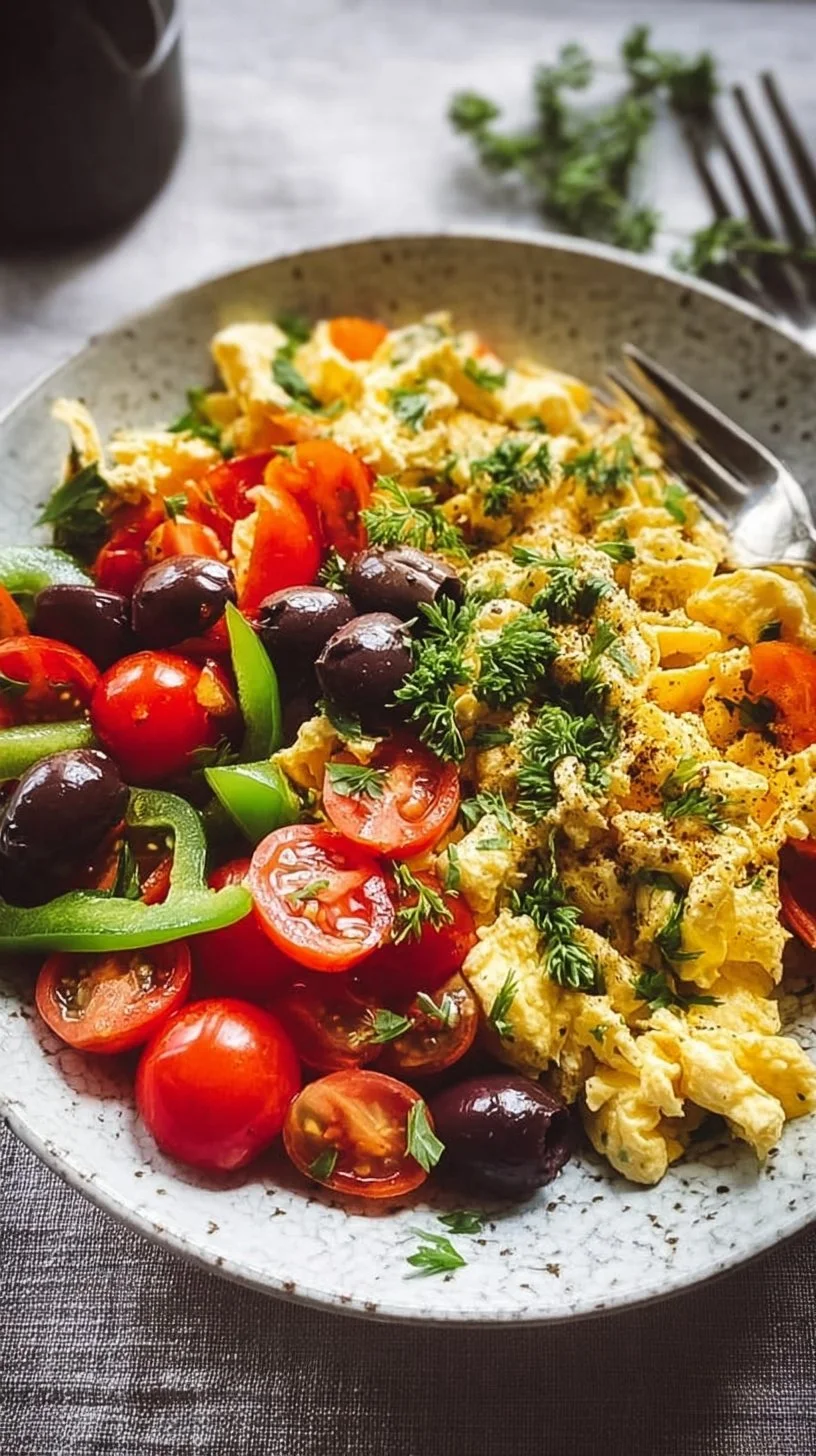
This Homemade Mediterranean Breakfast Bowls recipe is the kind of morning meal I come back to when I want something that feels fresh, reliably satisfying, and uncomplicated. It’s built around a handful of simple, flavorful ingredients that play well together: eggs for protein, a little olive oil for richness, bright pepper and scallion for snap, briny olives and feta for savory interest, and fresh basil to lift everything. It works for regular mornings because it’s fast to prepare, forgiving if you’re adapting quantities, and familiar without being heavy.
If you like the idea of bowls for breakfast but want to keep things light and balanced rather than indulgent, this is a sensible place to start. It’s a framework that fits into weeknights, lazy weekends, or quick midday meals—especially when you want something that gives steady energy without weighing you down. For ideas on other bowl-style breakfasts you might rotate in on busier days, I’ve found inspiration in recipes like the Tex-Mex breakfast bowl, which uses similar logic—simple building blocks, bold flavors, and straightforward technique.
How this recipe fits into a balanced lifestyle
This bowl represents balance through combination rather than restriction. The eggs are a solid source of satiating protein; the vegetables and herbs contribute volume, fiber, and freshness; and the feta and olives add fat and umami to make each bite feel complete. Taken together, they create a meal that’s nutrient-rich enough to keep you satisfied into mid-morning while still feeling lighter than a heavy, cream-laden breakfast.
“Lighter” here isn’t about skimping. It’s about portion sense (you’re not piling on large amounts of high-calorie toppings), ingredient quality (a little good feta goes a long way), and method (gentle cooking treats each component well). The result is a breakfast that supports everyday energy without drama. It’s also easy to fit into a weekly routine—swap in different herbs, change the pepper color, or give the eggs a different texture from day to day so you don’t tire of the same bowl.
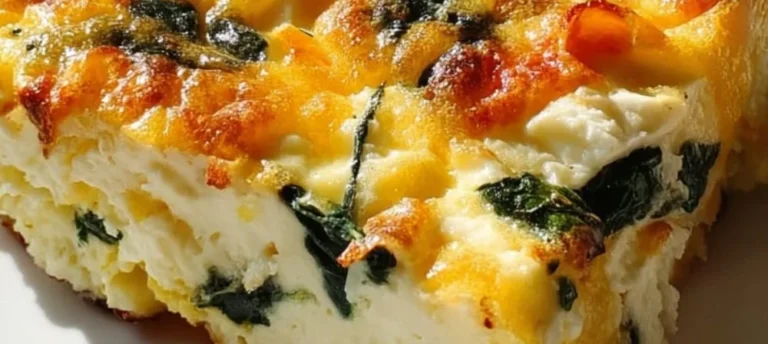
This approach is practical: a meal that’s easy to prepare most mornings, pairs naturally with other simple dishes for variety across the week, and respects your appetite without asking you to follow any extreme rules. If you plan a week of breakfasts, mixing bowls like this with other options—say, a cottage-cheese-forward bake or a fruit-forward option—keeps things interesting. For a protein-forward baked alternative, consider what works in a baked cottage cheese eggs, which follows the same principle of using modest, complementary ingredients to create satisfying mornings.
How to make Homemade Mediterranean Breakfast Bowls – Homefoodkitchen
Think of the cooking flow as three small, intentional parts: gently cook the vegetables, prepare the eggs to your preferred texture, and assemble with the salty, fresh finishing touches. Simplicity matters most when it keeps each element distinct. The bell pepper benefits from a quick sauté to soften and sweeten it without losing brightness; the scallion and basil are added at the end to preserve their aroma; and the feta and olives are finishing components that introduce savory contrast.
Approach this recipe without overthinking timing: the vegetables and eggs can be handled in one skillet with minimal fuss, and the assembly is more about balance than exact portions. If you’re multitasking in the morning—making coffee or packing a lunch—this is forgiving. The main things to watch are heat control (medium to medium-low so the eggs don’t cook too quickly) and timing for the vegetables so they’re tender but still have bite. When you keep those two ideas in mind, the whole process is straightforward.
For those curious about other ways to bring creamy, bright elements into a breakfast bowl while keeping things light, a fruit and dairy-forward option like a blueberry cottage cheese breakfast bake shows how fresh toppings and restrained dairy can be both comforting and refreshing.
Ingredients
1.5 tsp olive oil, 2 eggs (large), 4 tbsp feta cheese (crumbled), 1 handful olives (kalamata, pitted), 1/2 bell pepper (diced), 1/2 scallion (thinly sliced), 1 tbsp fresh basil (chopped), black pepper
- 1.5 tsp olive oil: Provides a small amount of healthy fat for cooking and flavor. It helps the bell pepper soften without turning overly greasy. Using a modest amount keeps the bowl feeling light while allowing flavors to bloom.
- 2 eggs (large): The foundation of the bowl—eggs are versatile, quick to cook, and filling. They add structure and protein, which helps the meal sustain you without needing large portions of richer ingredients.
- 4 tbsp feta cheese (crumbled): Feta brings creamy, tangy saltiness. A little goes a long way to elevate the bowl and make each bite interesting without overwhelming the other flavors.
- 1 handful olives (kalamata, pitted): Olives add a briny, savory note and textural contrast. They pair naturally with feta and basil and contribute a Mediterranean profile.
- 1/2 bell pepper (diced): Offers sweetness, crunch, and volume. When lightly sautéed, it softens and deepens in flavor but still keeps the bowl bright.
- 1/2 scallion (thinly sliced): Adds a mild oniony freshness that’s less assertive than raw onion but more aromatic than canned seasonings. It’s an easy way to freshen the dish.
- 1 tbsp fresh basil (chopped): Brings herbal brightness that ties the other components together. Add it at the end to preserve aroma.
- Black pepper: The only listed seasoning—black pepper enhances flavor and adds a gentle warmth without masking the other ingredients.
These are thoughtful, uncomplicated choices designed to work together. Balance here comes from combining textures (creamy feta, soft eggs, crisp pepper), flavors (savory olives, pepper’s sweetness, basil’s lift), and portion control (a few concentrated flavor players—feta and olives—are enough to satisfy).
Directions
- Heat the olive oil in a skillet over medium heat. Add the diced bell pepper and cook until softened and slightly translucent—about a few minutes—stirring occasionally so it doesn’t brown too quickly.
- What to look for: The pepper should lose its raw crunch but still hold some texture. If it begins to brown, lower the heat; you want softened sweetness, not caramelization.
- Push the pepper to one side of the pan and add the eggs to the cleared space. Cook the eggs to your preference (scrambled, fried, or lightly set), using gentle heat so they remain tender rather than rubbery.
- What to look for: For scrambled eggs, remove from heat just before they look fully set; they’ll finish cooking off the heat and stay moist. For fried eggs, a slightly runny yolk brings creaminess that mingles well with the feta.
- Transfer the eggs and peppers into a bowl. Scatter the crumbled feta and pitted olives on top, followed by the thinly sliced scallion and chopped basil. Finish with a few turns of black pepper.
- What to look for: The feta and olives should rest on top rather than being buried, so each spoonful hits both creamy and briny notes. The scallion and basil should smell bright and fresh; if their aroma is muted, add them later next time.
Supportive guidance around the steps:
- Keep the heat moderate when cooking both vegetables and eggs—this prevents a tough texture and preserves the ingredients’ natural flavors.
- Assemble while the eggs are warm so the feta softens slightly and the herbs release aroma without wilting.
- Avoid adding extra ingredients during cooking; the balance is in the mix and not in piling on extras.
The role of preparation in keeping this dish light
Preparation choices shape how “heavy” a meal feels as much as ingredients do. Quick sautés and gentle egg cooking keep oil usage low and textures bright. Softening the bell pepper instead of frying it maintains moisture and volume without absorbing too much oil. Cooking eggs low and slow (for scrambled) or with a brief, controlled fry reduces oxidation and dryness that can make eggs seem dense.
Portioning also matters. Using modest amounts of high-flavor ingredients—like feta and olives—means you get strong taste and satisfaction without needing large quantities. Fresh herbs and scallions provide aromatic lift that tricks the palate into perceiving more complexity, so the overall bowl feels indulgent even though it’s light in composition.
Technique is practical, not fussy: watch your pan temperature, stagger the cooking so each component finishes at its best, and assemble while warm. Those small choices preserve brightness and prevent the heaviness that comes from overcooking or over-oiling.
Simple ways to adjust without losing balance
You can personalize this bowl without undoing its balance:
- Texture tweaks: If you prefer creamier eggs, cook them slower and stir gently for soft curds. For a firmer bite, fry the eggs and keep the yolk set.
- Flavor shifts: Swap basil for parsley or dill if you want a different herbal note; use fewer olives but a few capers for a gentler briny lift.
- Volume changes: If you want a heartier bowl, add a modest portion of a whole grain or roasted sweet potato on the side—this keeps the bowl balanced while increasing satiety for longer mornings.
- Temperature plays: Serve some ingredients at room temperature, like the feta and olives, to keep the bowl feeling lighter than if everything were hot.
These are conceptual adjustments—stick to the recipe’s ingredient list and steps for the core bowl, and make simple swaps or additions around it when needed. For instance, if you want a warming vegetable base without changing the bowl’s spirit, a roasted sweet potato side pairs nicely and can be adapted into other bowls you enjoy, such as the breakfast sweet potato idea that uses the same balanced thinking.
Pairing ideas for a complete, well-rounded meal
To build a full plate without excess, think in terms of complementary textures and modest portions:
- A small portion of whole-grain toast or a slice of crusty bread adds chew and is good for scooping.
- A simple salad of baby greens with lemon and a drizzle of olive oil offers a bright counterpoint.
- Fresh fruit—citrus segments, grapes, or sliced apple—introduces sweetness and helps the meal feel fresh.
- A warm grain like quinoa or farro on the side makes the meal more substantial for slower mornings while keeping flavor balance; quinoa brings a light, fluffy texture that pairs well with the tang of feta.
Pairings should enhance contrasts: a crisp element (fruit or salad), a chewy component (toast or grain), and the main savory bowl. That structure keeps the meal complete without loading up on heavy sides.
Storage, leftovers, and next-day enjoyment
This bowl is mostly best enjoyed fresh because the contrast between warm eggs and cool, fresh toppings is central to its appeal. If you have leftovers:
- Store eggs and cooked peppers together in an airtight container in the refrigerator for up to 2 days.
- Keep the feta, olives, and herbs separate if you anticipate reheating, so they maintain texture and brightness.
- When reheating, use gentle methods: a low oven (about 300°F/150°C) or a brief microwave interval with a cover to retain moisture. Reheat slowly and add the herbs and feta after warming.
- If the eggs get slightly dry, a small splash of water when reheating and a gentle cover to steam them briefly can restore tenderness.
Leftovers can be repurposed into a light scramble or folded into an omelet with fresh herbs. The key is to avoid overcooking during reheating so the bowl stays lively.
Common questions about lighter everyday cooking
Q: How do I balance portion sizes so I feel satisfied but not heavy? A: Aim for a balance of protein, vegetables, and a modicum of fat. This recipe does that naturally: two eggs, a generous handful of veggies, and small but flavorful amounts of feta and olives. If you’re still hungry, add a small whole-grain side or fruit rather than increasing rich toppings.
Q: How do I plan similar meals so they don’t get repetitive? A: Keep a short rotation of base formats—bowls, toasts, bakes—and vary one or two components each time (different herbs, a new vegetable, a different cheese). That preserves familiarity while keeping flavors interesting.
Q: Can I prepare parts ahead of time without losing quality? A: Yes—chop peppers and slice scallions a day ahead; store herbs wrapped in a paper towel to keep them fresh longer. Cooked eggs are best fresh, but cooked vegetables hold up well for a couple of days in the fridge.
Q: How do I make lighter meals feel indulgent sometimes? A: Use high-impact, small-quantity ingredients—like good-quality feta or a few olives. These deliver sensory satisfaction without large calorie additions. Texture contrast (creamy egg, crisp pepper) also makes the meal feel more layered and indulgent.
Final thoughts from Daniel
This Homemade Mediterranean Breakfast Bowls recipe is a practical expression of balanced, flavor-forward cooking. It’s not about extremes; it’s about choosing simple, high-quality ingredients and treating them with straightforward technique so each component shows up well. The bowl earns a regular spot precisely because it’s flexible, satisfying, and quick enough for real mornings.
Approach it like a template rather than a fixed rule: keep the main ratios and cooking approach, and tweak small details when you need variety. That mindset makes repeat cooking feel sustainable and enjoyable—meals that support your day without taking over it.
Conclusion
If you enjoy bowls that balance bright vegetables, savory accents, and a comforting protein base, you might also like the Easy Quinoa Breakfast Bowl – Homefoodkitchen, which follows a similar approach to flavor and balance while offering a grain-forward alternative.