Greek Chicken Bowls
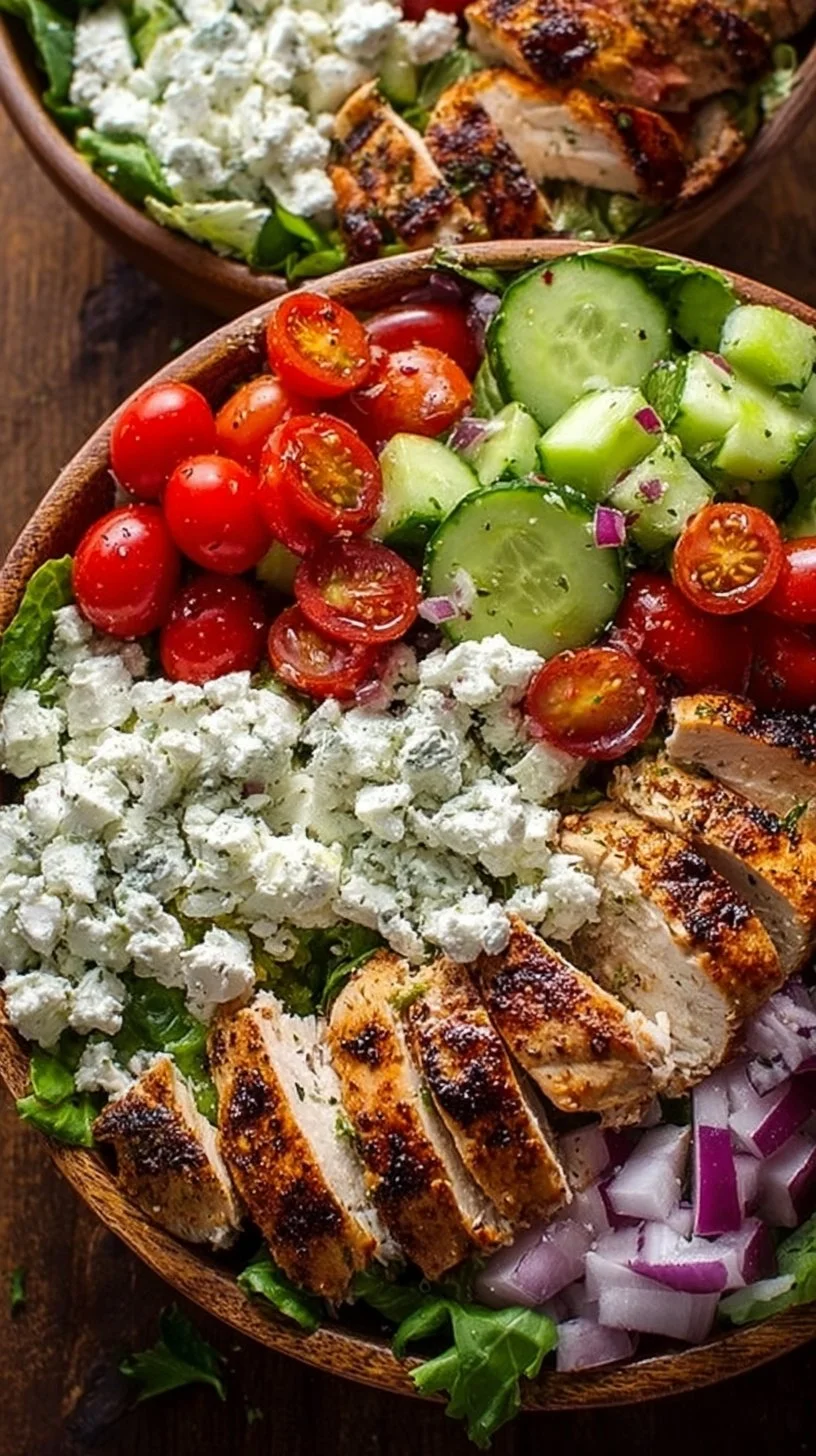
As a busy parent and someone who loves meals that come together without drama, I reach for recipes like Greek Chicken Bowls again and again. They hit that sweet spot of being comforting, familiar, and easy to assemble—exactly the kind of dinner that makes weeknights feel manageable. This recipe brings together simple components everyone at the table recognizes: juicy chicken, crisp cucumber, tangy feta and a cool tzatziki-style sauce. It’s the sort of meal that gets a nod from adults who want flavor and from kids who like clear, approachable ingredients.
I often recommend this bowl when families need a reliable weeknight winner or when you want a light, build-your-own dinner for a small gathering. It’s also a great make-ahead option for busy afternoons because the elements can be prepped in stages. If you’re tracking different eating goals in your household, you’ll appreciate how easily this can be adapted — for instance, you can swap the grain or skip the olives to suit picky eaters. For a variation that leans lower-carb without changing the main recipe, I sometimes pair it with a low-carb grain alternative as described in this handy resource on low-carb Greek chicken bowls, which gives a clear idea of how to shift grains while keeping the familiar flavors intact.
What makes this recipe a go-to is how forgiving it is: small timing hiccups or minor measurement slips won’t ruin the plate. Busy nights call for dishes you can trust, and Greek Chicken Bowls are exactly that kind of recipe—steady, tasty, and ready to become a family favorite.
How to make Greek Chicken Bowls
This recipe is built around a few straightforward stages: make the tzatziki-style sauce, marinate the chicken, cook the chicken, assemble the bowls. Each stage is short and sensible, which is what I love about it for weeknights.
Tzatziki station (30 minutes chill): You’ll mix the Greek yogurt with garlic, olive oil and lemon juice to make a sauce that brightens the whole bowl. Letting it rest in the fridge for about 30 minutes lets the flavors meld and keeps the sauce cool next to warm grains and chicken.
Marinating the chicken (30+ minutes): A short marinade of olive oil, lemon, oregano, salt and pepper gives the chicken a little citrus lift and classic Greek flavor without fuss. Thirty minutes is enough for weekday dinners; if you have more time, a longer marination in the fridge adds a little more depth, but it’s not necessary for success.
Cooking the chicken (10–15 minutes): Grill or pan-cook the breasts over medium heat until done. This is the quick part—5–7 minutes per side depending on thickness. Letting the chicken rest before slicing keeps it juicy, and sliced chicken warms through in the bowl without drying.
Assembly: Layer a base of rice or quinoa, top with sliced chicken, fresh vegetables and crumbled feta, then finish with tzatziki and optional olives and parsley. It’s flexible and looks inviting when set out family-style.
Where beginners should slow down: take your time when making the sauce so garlic is evenly mixed through the yogurt and the flavors meld in the fridge. Also, don’t rush the resting time after cooking the chicken—cutting into it too soon lets the juices run out. Shortcuts that make sense: use pre-cooked rice or rotisserie chicken if you really need to cut prep time (you can still make the fresh tzatziki and chopped vegetables in minutes). The overall process is layered and forgiving, which makes it ideal for busy households.
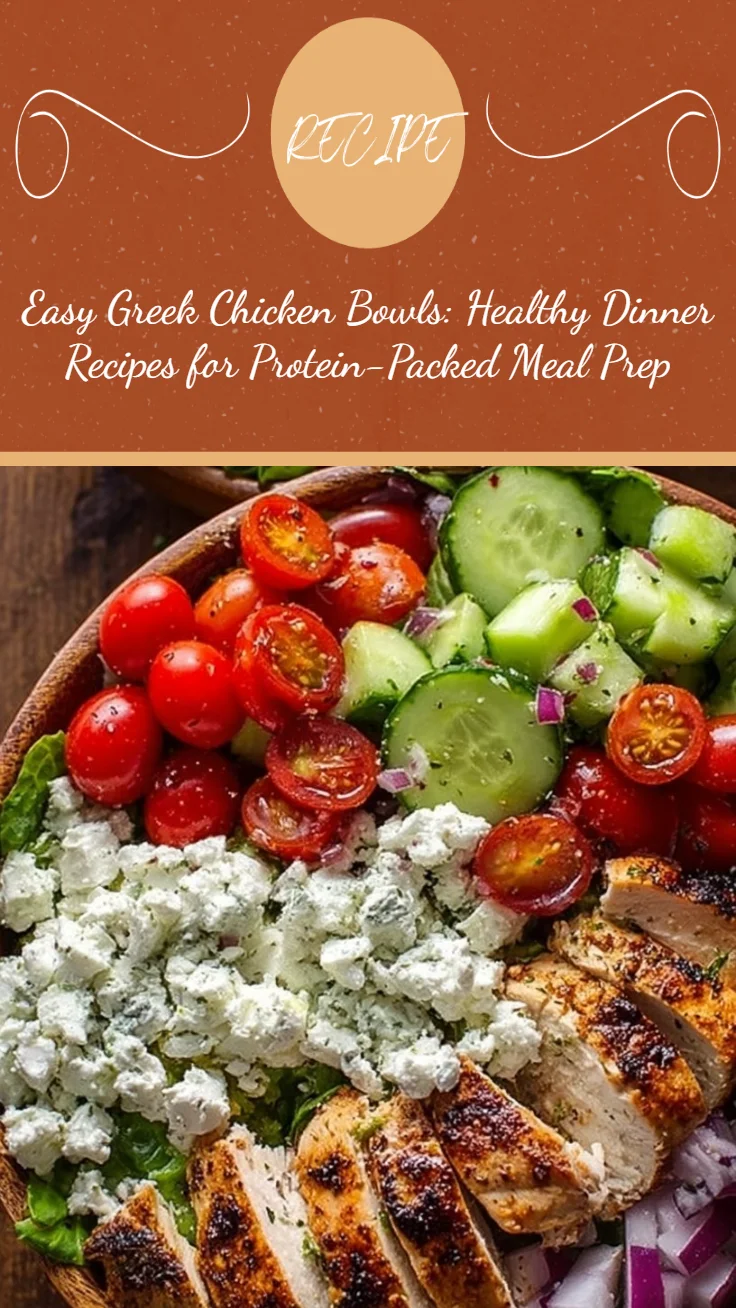
Ingredients
2 boneless, skinless chicken breasts, 1 cup Greek yogurt, 2 cloves garlic, minced, 1 tablespoon olive oil, 1 tablespoon lemon juice, 1 teaspoon dried oregano, 1 teaspoon salt, 1/2 teaspoon black pepper, 2 cups cooked rice or quinoa, 1 cucumber, diced, 1 cup cherry tomatoes, halved, 1/2 red onion, sliced, 1/2 cup feta cheese, crumbled, 1/4 cup olives (optional), Fresh parsley for garnish (optional)
Each ingredient here plays a clear, friendly role in the finished bowl. The chicken is the main protein and carries the oregano-lemon flavors that read as classically Greek. Greek yogurt makes a thick, cooling sauce with a little tang—mixing in garlic and lemon brightens it and gives the bowl a familiar, kid-friendly creaminess. Olive oil and lemon juice in the marinade keep the chicken moist and add flavor without complexity. Dried oregano is a tiny upgrade that brings a Mediterranean note without needing fresh herbs.
Staples like salt and pepper are what make everything taste like home; don’t skip them, but you also don’t need to overthink the amounts. The rice or quinoa provides a comforting, filling base that stretches the meal and makes it easy to serve hungry kids. Vegetables—cucumber, tomatoes and red onion—add crunch and freshness that balance the richer elements. Feta brings salty, tangy contrast; olives and parsley are optional but welcome for adults who enjoy a little extra savory or herb aroma.
These are everyday pantry and fridge items that most home cooks either have on hand or can pick up with a single quick trip to the store. That’s why this recipe slots so naturally into a family rotation.
Directions
- In a bowl, mix the Greek yogurt, minced garlic, olive oil, lemon juice, oregano, salt, and pepper to create the tzatziki sauce. Refrigerate for about 30 minutes.
- Marinate the chicken breasts in a mixture of olive oil, lemon juice, oregano, salt, and pepper for at least 30 minutes.
- Grill or pan-cook the marinated chicken over medium heat until fully cooked, about 5-7 minutes per side. Let it rest before slicing.
- Prepare bowls by layering cooked rice or quinoa, sliced chicken, diced cucumber, cherry tomatoes, red onion, and feta cheese.
- Drizzle with tzatziki sauce and garnish with olives and parsley if desired. Serve immediately.
Those five steps are simple and easy to follow. A few practical pointers to keep things on track:
The tzatziki mixture should smell bright of lemon and garlicky but not overwhelming. When it goes into the fridge, the flavors soften slightly and the sauce thickens a little, which makes it perfect for drizzling.
When marinating, coat the chicken evenly but don’t worry about massaging it in obsessively. The lemon oil combo is gentle and will flavor the surface, which is where most of the taste lives.
On the grill or in a skillet, you’re aiming for a nice, even color and an internal temperature that signals doneness. For a reliable cue without a thermometer, watch for juices to run clear and the meat to feel springy rather than very soft. Resting for a few minutes after cooking helps the meat hold onto juices.
When assembling bowls, balance is key: a scoop of grain, a good slice or two of chicken, a handful of crunchy cucumber and tomato, and a sprinkle of feta. Let each person add olives or parsley if they like, so picky eaters can skip the extras.
Common small mistakes to avoid: overcooking the chicken (which dries it out), adding too much lemon to the tzatziki (a little goes a long way), or piling too many wet ingredients on the rice right away (serve leftover sauce on the side if you’re packing lunches so the grain doesn’t get soggy).
Why families love this dish
This bowl wins at weeknight dinners for a few simple reasons. The flavors are familiar—lemon, oregano, and garlic are pantry favorites that feel safe and satisfying for kids, while still delivering enough interest for adults. The textures are varied but gentle: soft rice, tender sliced chicken, cool cucumber, and crumbly feta create a plate that’s interesting without being challenging to eat.
It’s kid-friendly because you can build the bowl however each child prefers—some want just chicken and rice, others want the full mix. Families with different tastes can easily customize plates without needing multiple recipes. If someone at your table prefers a very mild dinner, hold the onions and olives; if someone else likes a bit more zip, add extra lemon or parsley at the end.
For the home cook who wants reliable success, this recipe is forgiving. Short marinade? It’s still flavorful. Left the chicken on the heat a touch too long? Slicing it thin helps maintain a pleasant mouthfeel. If you enjoy exploring small variations, consider adding a sprinkle of smoked paprika or a few chopped herbs, but remember: the base recipe is already familiar and comforting.
If you want ideas for different ways to enjoy similar flavors on slower days, I sometimes pair this kind of bowl with a warming, spiced soup like an anti-inflammatory turmeric chicken soup for cooler nights; you can read a clear take on that style in this approach to turmeric chicken soup that keeps things simple and family-friendly.
Pairing ideas for a complete, satisfying meal
Keeping dinner quick and balanced is part of the appeal here. Simple sides and quick extras turn these bowls into a complete meal without much extra work:
- Quick green salad: Mixed greens tossed with a simple olive oil-lemon vinaigrette take two minutes and add a crisp contrast.
- Warm pita or flatbread: Perfect for scooping and very popular with kids who like hands-on eating.
- Roasted vegetables: Pop carrots, bell peppers or zucchini in a 400°F oven for 20–25 minutes tossed with olive oil and salt while the chicken rests.
- Lemony couscous or extra quinoa: For bigger appetites, add a secondary grain to the table to stretch the meal.
- Simple fruit salad: A bowl of cut-up fruit keeps things light and is a quick dessert or palate cleanser.
These pairings are intentionally easy—no long recipes or special ingredients—so you can get dinner on the table fast and still feel like it’s a well-rounded family meal.
Make-ahead tips, leftovers, and storage
This recipe is excellent for staging. Tzatziki can be made the day before and kept in the fridge, which actually improves its flavor. The chicken can be marinated in the morning and cooked in the evening, or cooked ahead and sliced cold for quick assembly.
Storage notes:
- Keep components separate when possible: store rice/quinoa, chicken, vegetables, and sauce in separate airtight containers. This prevents the grain from getting soggy and keeps the cucumber and tomatoes crisp.
- Refrigerate for up to 3–4 days. The cooked chicken and grains hold up well; the tzatziki is best within a couple of days for optimal freshness.
- Reheating: Warm the chicken gently in a skillet over low heat with a splash of water or olive oil to prevent drying. If using a microwave, cover loosely and heat in short bursts, checking between intervals. Add the cold tzatziki after reheating so you keep the creamy contrast.
For lunches, layer grain and chicken at the bottom of a container, tuck the sliced vegetables and feta in compartments or a sealed mini container, and top with sauce just before eating. These bowls make for satisfying next-day meals that still feel fresh and composed.
Common questions home cooks ask about this recipe
Q: Can I use chicken thighs instead of breasts?
A: Yes—thighs are a little more forgiving on the heat and stay juicy. The cooking time will vary, so watch for doneness and rest before slicing.
Q: What if my kids don’t like cucumber or onion?
A: No problem—leave them off their portion. The beauty of bowls is that each plate can be assembled to suit the eater. You could add grated carrot or steamed corn for a milder crunch.
Q: Can I scale this recipe for a larger family?
A: Absolutely. Multiply the ingredients and marinate the chicken in a larger dish or a resealable bag. If you’re cooking multiple breasts, you might need to do them in batches so the pan or grill stays at the right temperature.
Q: How do I tell when chicken is fully cooked without a thermometer?
A: Look for clear juices and a firmer texture. If you have a thermometer, 165°F (74°C) is the safe internal target, but many home cooks find visual cues and resting time sufficient for thin breasts.
Q: Is there an easy tweak for more flavor without extra effort?
A: A small sprinkle of extra dried oregano or a squeeze of fresh lemon over the finished bowl brightens everything instantly.
These are the practical questions that help home cooks feel confident on a busy night. The overall aim is consistency—simple steps you can repeat and trust.
Final thoughts from Sarah
I love recipes that simplify life without skimping on comfort, and Greek Chicken Bowls do exactly that. They’re dependable, quick to make, and flexible enough to handle different family preferences without fuss. Keep the basics on hand—Greek yogurt, lemons, oregano, a grain—and you’ve got a weekday meal that’s almost always within reach.
Treat this recipe as a framework rather than a rulebook. Once you’ve made it a few times, you’ll know the little adjustments that suit your family best—a bit more sauce for saucy eaters, fewer onions for sensitive palates, or extra veggies to stretch the plate. That kind of adaptability is what makes a recipe stay in the rotation.
Thanks for trusting another easy, family-friendly idea from my kitchen to yours. I hope this one saves you time, pleases your crew, and becomes a simple, satisfying go-to.
Conclusion
If you want to see another take on Greek-style bowls that inspired some of these flavor choices, Eat With Clarity’s version of Greek Chicken Bowls is a helpful reference. For a more saucy, bowl-focused variation with beautiful photos and serving ideas, I also recommend Half Baked Harvest’s Chicken Tzatziki Bowls.
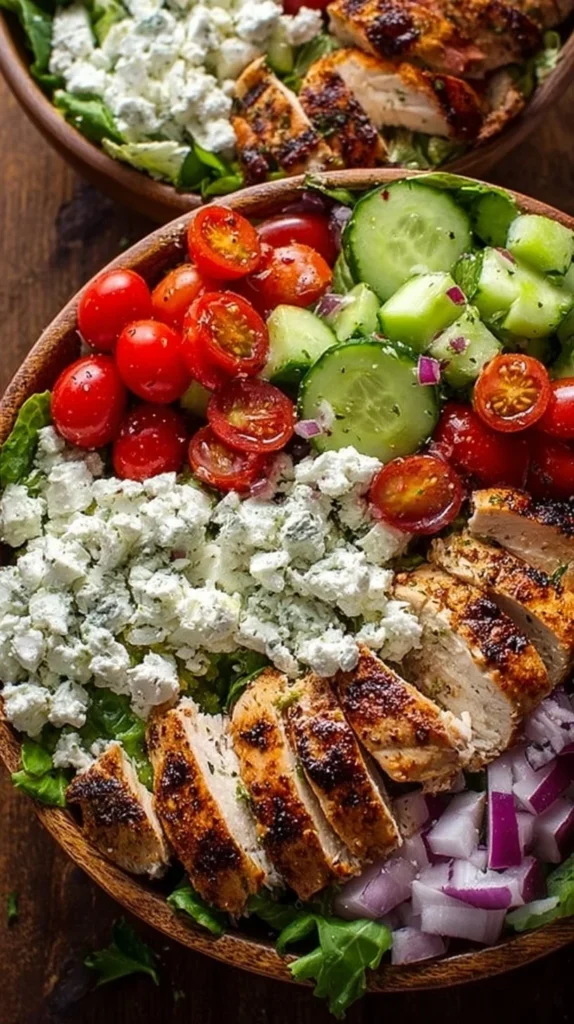
Greek Chicken Bowls
Ingredients
Method
- In a bowl, mix Greek yogurt, minced garlic, olive oil, lemon juice, oregano, salt, and pepper to create the tzatziki sauce. Refrigerate for about 30 minutes.
- Marinate chicken breasts in a mixture of olive oil, lemon juice, oregano, salt, and pepper for at least 30 minutes.
- Grill or pan-cook the marinated chicken over medium heat until fully cooked, about 5-7 minutes per side. Let it rest before slicing.
- Prepare bowls by layering cooked rice or quinoa, sliced chicken, diced cucumber, cherry tomatoes, red onion, and feta cheese.
- Drizzle with tzatziki sauce and garnish with olives and parsley if desired. Serve immediately.