Low Carb Shrimp And Broccoli Recipe
Introduction
This Low Carb Shrimp And Broccoli Recipe is for anyone who wants a simple, satisfying weeknight meal that doesn’t demand a lot of time or fancy tools. If you’re short on time, nervous about overcooking seafood, or coming back to the kitchen after a break, this is a gentle recipe to build confidence. It uses a handful of familiar ingredients and straightforward steps, so you’ll learn useful skills without feeling overwhelmed.
If you’re collecting easy midweek dinners, this dish fits right in with other family-friendly ideas in my dinner recipes collection. Think of this recipe as a reliable building block: once you’re comfortable with the basic sequence, you’ll find it simple to repeat and adapt.
Why this recipe is easy to get right
This recipe is forgiving because it’s built around two things that cook quickly and predictably: shrimp and broccoli. Shrimp change color and texture noticeably when they’re done, and broccoli softens in a way you can see and feel, so visual cues guide you more than timers alone. The short cooking time also means there’s less chance to go far wrong.
There’s flexibility in seasoning and small windows for timing. The soy sauce and lemon juice are optional flavor nudges — they bring brightness and depth, but they aren’t required for success. If you prefer one over the other, try the dish once with both, then on another night try just lemon for freshness or just soy sauce for savory depth.
Because you’re working with high heat for a short time, the steps encourage attentive cooking rather than complicated skill. You’ll practice controlled heat, quick flipping or stirring, and learning to read visual and tactile cues — all useful skills for many other recipes.
How to make Low Carb Shrimp And Broccoli Recipe
At a glance, the process moves from preparing ingredients, to building flavor with garlic, to cooking shrimp, and finally finishing with broccoli and brighteners. Here’s the flow and what to watch for:
- First, get everything ready. Shrimp cooks quickly, so have your garlic minced, broccoli florets measured, and your soy and lemon nearby. This is called mise en place — it’s not a fancy requirement, just a helpful habit that keeps you calm.
- Next, heat the olive oil in a large skillet over medium heat. You want the oil warm enough to sizzle the garlic briefly, not so hot that it smokes. Medium heat lets the garlic become fragrant without burning.
- Then add the garlic and sauté until fragrant, about 1 minute. Watch closely: garlic goes from pale and fragrant to brown and bitter in moments. The kitchen will start to smell warm and nutty when it’s right.
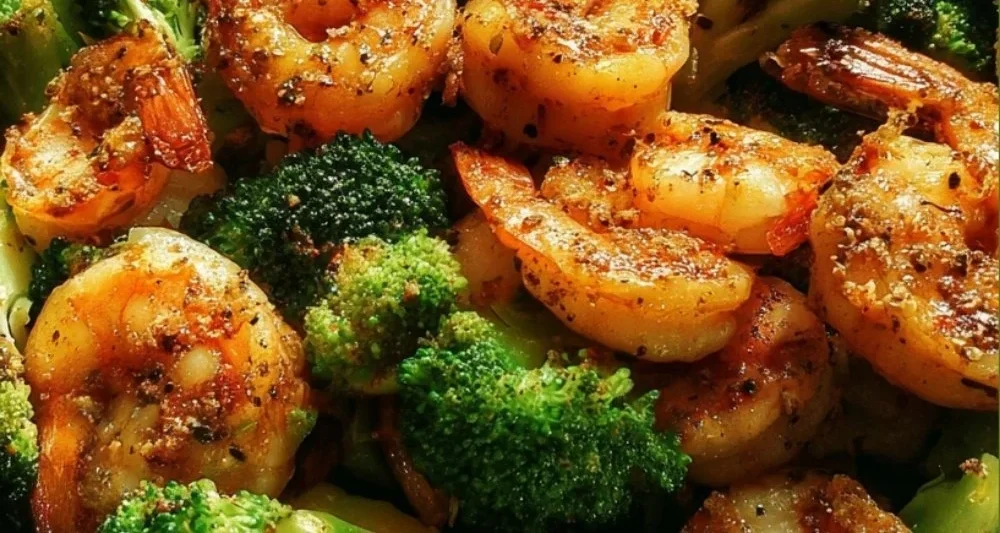
- Add the shrimp and cook until pink, about 3–4 minutes. Shrimp turn opaque and curl slightly — that’s your cue that they’re done. Don’t worry if they’re not perfectly curled; a gentle, even pink is the goal.
- Add broccoli and cook 5–7 minutes until tender. You’ll see the broccoli turn brighter green and the stems yield when pierced with a fork. If you prefer crisper broccoli, check earlier around 4 minutes.
- Stir in soy sauce and lemon juice if using, then season with salt and pepper to taste. Taste as you go; a little lemon brightens and soy adds savory balance.
- Serve warm and enjoy. The whole process is quick, so savor the gentle urgency of finishing with a warm plate and maybe a wedge of lemon on the side.
Beginners should slow down when sautéing the garlic and when checking shrimp doneness. These moments are where most variations in texture happen, and taking a breath to watch the pan will make a big difference.
Ingredients
1 lb shrimp, peeled and deveined, 2 cups broccoli florets, 2 tablespoons olive oil, 2 cloves garlic, minced, Salt and pepper to taste, 1 tablespoon soy sauce (optional), 1 tablespoon lemon juice
Let’s break down what each ingredient does and why none of them are intimidating:
- 1 lb shrimp, peeled and deveined: Shrimp are the main protein. Peeled and deveined means they’re ready to cook immediately. Their quick-cooking nature keeps this recipe fast.
- 2 cups broccoli florets: Broccoli gives texture, color, and nutrition. Florets cook quickly and pair well with shrimp’s mild flavor.
- 2 tablespoons olive oil: Olive oil is the cooking medium. It transfers heat evenly and carries garlic’s flavor into the shrimp and broccoli.
- 2 cloves garlic, minced: Garlic is the aromatic backbone here. Minced garlic releases flavor fast, so it blends into the oil and flavors everything in moments.
- Salt and pepper to taste: Simple seasonings that highlight the ingredients. Add a little, taste, and adjust.
- 1 tablespoon soy sauce (optional): Adds umami and a touch of savory sweetness. Optional so you can control sodium and flavor intensity.
- 1 tablespoon lemon juice: Lemon brightens the finished dish and balances the richness of oil and shrimp.
None of these are exotic or difficult to find. They work together because garlic and lemon play bright, aromatic roles while olive oil carries those flavors and soy sauce adds depth if you choose it. The result is a balanced, low-carb plate that’s visually appealing and satisfying.
(If you want to try other simple dishes later, you might also enjoy ideas in my breakfast recipes collection — different meals, same friendly approach.)
Directions
- In a large skillet, heat olive oil over medium heat.
- Add garlic and sauté until fragrant, about 1 minute.
- Add the shrimp and cook until pink, about 3-4 minutes.
- Add broccoli and cook for an additional 5-7 minutes until tender.
- Stir in soy sauce and lemon juice if using.
- Season with salt and pepper to taste.
- Serve warm.
Helpful guidance for each step:
- Step 1 — Heat the oil: Warm the skillet for a minute, then add oil. The oil should shimmer lightly when ready. If it starts to smoke, lower the heat a bit.
- Step 2 — Garlic timing: Once the garlic hits the warm oil, it will become fragrant in under a minute. Look for small bubbles forming around the garlic and a nutty aroma. If you see browning, remove the pan from the heat for a moment — garlic can go from perfect to bitter quickly.
- Step 3 — Shrimp doneness: Watch the shrimp closely. Raw shrimp are gray and translucent; as they cook they turn pink and opaque. Small to medium shrimp often finish in about 3 minutes total; larger shrimp may take a touch longer. Flip them once or twice so they cook evenly.
- Step 4 — Broccoli texture: When you add the broccoli, stir so it gets a light coating of oil and is in contact with the hot pan. If the florets splash with a little oil and sizzle, that’s right. Test a piece at 5 minutes: it should be tender-crisp with a bright green color. If you prefer softer broccoli, cook a couple of extra minutes.
- Step 5 — Finishing flavors: Stir in soy sauce and lemon juice off the highest heat so flavors blend without over-reducing. The pan will release a pleasant, layered aroma — citrus and savory mingling.
- Step 6 — Seasoning: Salt and pepper are personal. Taste a small piece of shrimp and broccoli, then add a little salt if needed. Remember you can always add but you can’t take it away, so season slowly.
- Step 7 — Serving: Serve right away while the shrimp are tender and the broccoli stays lively. Warm plates help keep the dish comfortable to eat.
If things don’t look perfect — maybe one shrimp cooked a touch more or a broccoli floret is softer — that’s okay. Small variations happen and don’t stop this from tasting great.
Key techniques you’ll practice in this recipe
This recipe teaches a few fundamental skills:
- Controlled sautéing: Learning how to use medium heat so garlic flavors the oil without burning teaches you how to manage stovetop temperature.
- Reading doneness visually: Shrimp are a great item to practice with because their change is obvious (gray/translucent to pink/opaque). This visual skill translates to many proteins.
- Timing for mixed ingredients: You’ll learn how to add ingredients in stages so each element finishes at the right time — shrimp first, then broccoli — which is a common pattern in quick cooking.
- Quick seasoning adjustments: Adding optional soy and lemon at the end and tasting teaches you to balance salt, acid, and savory notes.
These small techniques prepare you for other quick skillet meals, stir-fries, and simple sautés.
Common mistakes and how to avoid them
Beginners often worry about overcooking shrimp or burning garlic. Here are the typical missteps and how to recover:
- Garlic browning too fast: If garlic browns within seconds, your pan is too hot. Remove the pan from heat briefly, let it cool a touch, then continue on medium. Use a wooden spoon to move browned bits away from the bottom if needed. Browning garlic can taste bitter, so a lighter golden color is ideal.
- Shrimp rubbery from overcooking: Shrimp become firm and rubbery if left in heat too long. To fix this, remove the shrimp from the pan as soon as they’re opaque and pink. If some pieces are overcooked, mix them with fresher ingredients (like a little extra lemon and a drizzle of olive oil) to add moisture.
- Uneven broccoli texture: If some florets are soft and others raw, cut pieces more uniformly next time. For a quick fix, cover the skillet for a minute so steam evens out the cooking. Check after 30–60 seconds to avoid over-softening.
- Too salty: If the dish ends up too salty (usually from soy sauce), add a squeeze more lemon juice or a splash of water to help balance and dilute the saltiness. A plain side of steamed cauliflower rice or a simple salad can also balance a salty main.
If something feels off, taste and adjust calmly — small steps fix most issues. Avoid throwing everything away; often a little lemon, olive oil, or an extra minute of gentle heat brings things back.
How to adjust confidently without changing the recipe
You can confidently make small, conceptual adjustments without altering the official ingredient list or steps:
- Portions: To serve more people, double the quantities but cook in batches so the pan doesn’t crowd. Crowding lowers pan temperature and leads to steaming instead of sautéing.
- Flavor intensity: If you like stronger flavors, increase the lemon or soy at the end by small increments and taste as you go. If you’re unsure, add half of what you think, taste, and add more.
- Texture preference: Prefer softer vegetables? Add a splash of water or cover the pan briefly after adding broccoli to create steam and speed tenderness. Prefer crisper? Reduce the broccoli cooking time by a minute or two.
- Heat control: If your stove runs hot, use medium-low instead of medium. If it runs cool, a touch more heat helps achieve a nice sizzle.
These adjustments keep the recipe’s structure intact while letting you tailor results to your family’s preferences.
Serving, storage, and reheating made simple
Serving:
- Serve warm straight from the skillet. A simple presentation is fine — place shrimp and broccoli on warm plates and drizzle any pan juices over the top.
- A lemon wedge on the side invites diners to add a fresh squeeze if they like extra brightness.
Storage:
- Cool leftovers within two hours and store in an airtight container in the fridge for up to 3 days. Shrimp and cooked broccoli keep well for short-term meals.
- If you need longer storage, freeze in a shallow container for up to one month. Textures change a bit with freezing, so fresh is best when possible.
Reheating:
- Reheat gently on the stovetop over low-medium heat with a splash of water or a little olive oil to restore moisture. Stir frequently and remove from heat once warmed.
- Avoid microwaving too long; that can make shrimp rubbery. If you must microwave, use short 20–30 second bursts, stirring between intervals.
For more ideas on sides and sweet finishes that pair well with simple mains, peek at my dessert recipes for easy ways to end a cozy meal.
Questions new cooks often ask about this recipe
- How will I know when the shrimp are done? Shrimp will be firm, opaque, and pink all the way through. If there’s any translucent gray left, cook a bit longer.
- What size skillet should I use? A large skillet is suggested so ingredients move freely. If your skillet is small, cook shrimp and broccoli in separate batches to avoid crowding.
- Is it normal for broccoli to vary in tenderness? Yes — stalk thickness and floret size affect timing. Cut similar-sized pieces for even cooking and test with a fork.
- Can I skip the soy sauce or lemon? Absolutely. They’re optional for flavoring. Try both once, then decide what you prefer.
- What if my shrimp release water? Slight steaming is normal if shrimp are crowded or if they were frozen and not fully thawed. Patting shrimp dry before cooking reduces excess water and helps get a better sear.
If something feels unfamiliar, remember that small, calm adjustments — a minute less or more, a squeeze of lemon — are usually all that’s needed.
Final encouragement from Carla
Cooking is a practice, not a performance. With this Low Carb Shrimp And Broccoli Recipe you’re practicing useful skills—timing, temperature control, and tasting as you go—without a heavy time or ingredient commitment. Small imperfections are part of learning; each attempt teaches you something new. Be patient with yourself, and celebrate the dishes you finish. You’re building a dependable collection of recipes one simple, satisfying meal at a time.
Conclusion
If you’d like a slightly different take on shrimp with broccoli to compare techniques or flavors, this take on Garlic Shrimp With Broccoli from Her Highness shows another low-carb twist that emphasizes garlic and keto-friendly choices. For more stir-fry style ideas focused on low-carb, the Keto Shrimp and Broccoli Stir-Fry at The Best Keto Recipes is a useful resource to see different finishing sauce ideas.
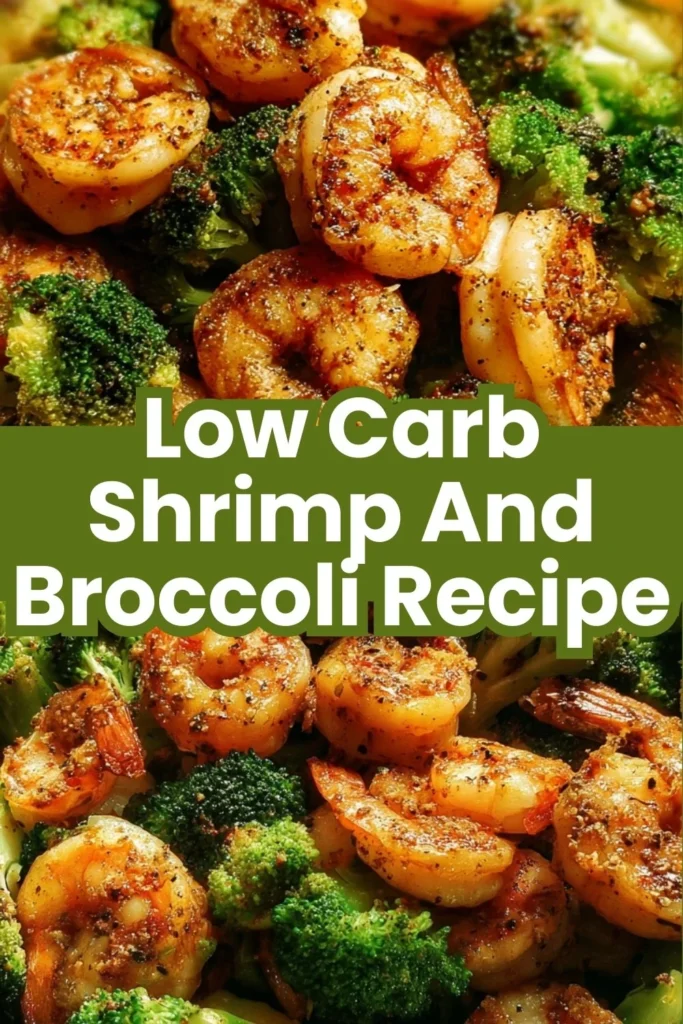
Low Carb Shrimp And Broccoli
Ingredients
Method
- In a large skillet, heat olive oil over medium heat.
- Add garlic and sauté until fragrant, about 1 minute.
- Add the shrimp and cook until pink, about 3–4 minutes.
- Add broccoli and cook for an additional 5–7 minutes until tender.
- Stir in soy sauce and lemon juice if using.
- Season with salt and pepper to taste.
- Serve warm and enjoy with a wedge of lemon on the side.