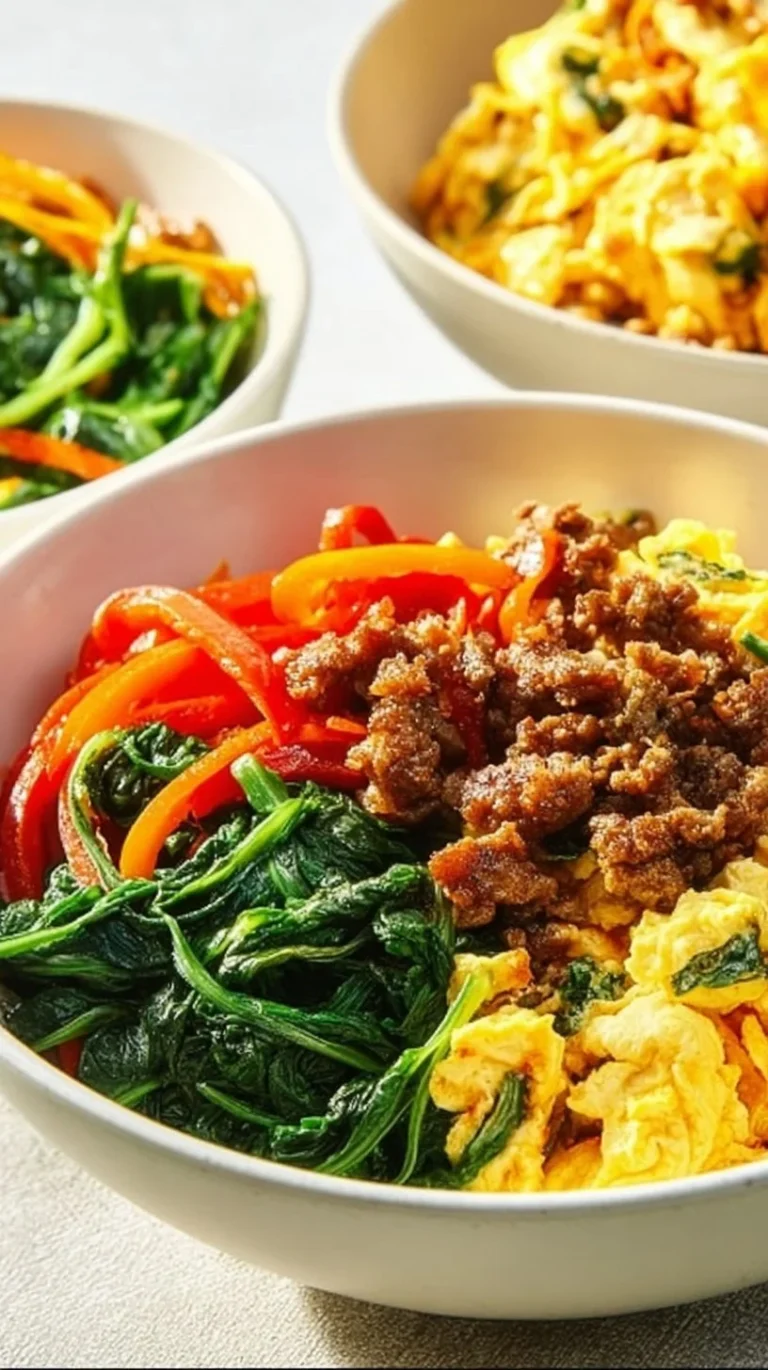
Sausage and Egg Whole30 Breakfast Casserole

If you’re looking for a warm, comforting, protein-packed breakfast that’s friendly to Whole30 guidelines — but also simple to make — this Sausage and Egg Whole30 Breakfast Casserole is for you. Whether you’re a busy parent, someone trying Whole30 for the first time, or a home cook who’s had a few frustrating mornings in the kitchen, this recipe is designed to be approachable and reliable. You don’t need fancy tools or advanced techniques; just a skillet, a 9×13 baking dish, and a little patience.
If you enjoy structured, hands-off bakes, you might also like my take on baked cottage cheese eggs — they show how simple ingredients transform into dependable breakfasts. In this article I’ll walk you through what’s happening at each step, the little checkpoints that tell you things are going well, and exactly what to look (and smell) for so you feel confident from start to finish.
Why this recipe is easy to get right
This casserole is forgiving in the best way. It’s a mix of cooked sausage, softened vegetables, and eggs — ingredients that hold up well to small timing or temperature differences. The eggs set uniformly in the oven so even if the veggies are a touch under- or overcooked, the overall texture and flavor remain excellent.
Where it allows flexibility:
- You can swap the sausage for a compliant turkey sausage without upsetting the balance.
- The amount of spinach can be increased or decreased; it wilts down and blends into the eggs.
- Seasoning is straightforward: a single herb blend plus salt and pepper is all you need.
What makes it forgiving is that the oven does most of the finishing work. Once the sausage and vegetables are combined and the egg mixture is poured over, the bake evens out any small inconsistencies. That makes it perfect for cooks who want good results without fuss.
How to make Sausage and Egg Whole30 Breakfast Casserole
Think of this as three main stages: prepare, assemble, and bake.
- Prepare: Start by chopping your vegetables and wilting the spinach. This is where you’ll notice bright colors and fresh aromatics — the smell of onion and pepper softening is one of the first signals the recipe is moving along. Take your time here: even, similar-sized pieces will cook more uniformly, but a little variation is okay.
- Assemble: Cook the sausage until it’s fully browned, then briefly soften the peppers and onions in the same skillet so they pick up the leftover sausage flavor. When you combine everything in the baking dish and pour the beaten eggs over the top, you’re creating a stable matrix that will hold together once baked.
- Bake: The oven is the patient workhorse. Bake until a knife comes out clean from the center — that’s your main checkpoint. Let the casserole rest for a few minutes before slicing so the eggs finish setting and the pieces hold their shape.
Where beginners should slow down:
- When whisking the eggs, take a moment to break up the yolks and whites completely so the texture is even.
- When sautéing vegetables, aim for a gentle soften, not a color change to brown — slightly softened is perfect.
- When checking doneness, trust the knife test rather than strictly the clock; ovens vary.
I also find it helpful to glance at other breakfast casseroles for inspiration as you build confidence; this loaded hash browns with scrambled eggs recipe highlights similar comforting textures and shows how versatile breakfast bakes are.
Ingredients
1 pound Whole30 approved breakfast sausage or this turkey sausage if not Whole30., olive oil for pan, 1 white or yellow onion, diced, 1 green bell pepper, diced, 1 red bell pepper, diced, 2 cups fresh spinach, chopped (or 16 ounces frozen, thawed and drained), 1/2 tsp garlic powder, 1 tsp salt-free Mrs. Dash Onion & Herb Seasoning + sprinkle on top of casserole, salt and pepper, to taste, 12 large eggs, hot sauce (optional to taste)
Here’s what each ingredient brings to the casserole and why none of them are intimidating:
- 1 pound Whole30 approved breakfast sausage or this turkey sausage if not Whole30.: The sausage is the main source of savory flavor and fat. It seasons the whole dish, so you don’t need complicated spice blends. If you use turkey sausage, just cook it fully until no pink remains.
- Olive oil for pan: A little olive oil helps prevent sticking and helps the vegetables soften without burning. You only need a light coating.
- 1 white or yellow onion, diced: Onion adds sweetness and depth when cooked briefly. Diced means small pieces that blend well into the casserole.
- 1 green bell pepper, diced and 1 red bell pepper, diced: Peppers add color, mild sweetness, and a slight crunch if you don’t overcook them. They also release moisture that helps the eggs set with a pleasant texture.
- 2 cups fresh spinach, chopped (or 16 ounces frozen, thawed and drained): Spinach adds color, nutrients, and a gentle vegetal flavor. Fresh wilts quickly; if using frozen, squeeze out excess water so the casserole isn’t watery.
- 1/2 tsp garlic powder: A simple, even way to add garlic flavor without worrying about raw garlic intensity.
- 1 tsp salt-free Mrs. Dash Onion & Herb Seasoning + sprinkle on top of casserole: This herb blend gives a bright, familiar flavor that complements the sausage and vegetables. The sprinkle on top adds aroma and a finished look.
- Salt and pepper, to taste: Basic seasoning to bring everything forward. Start small; you can always add more next time.
- 12 large eggs: The binder and structure. Eggs set into a custard that holds the sausage and vegetables together.
- Hot sauce (optional to taste): A few drops in the eggs can add a gentle tang and lift the overall flavor if you enjoy a little heat.
Each ingredient is straightforward, easy to find, and works together to give you savory, balanced bites with bright vegetable notes and a soft, satisfying egg texture.
Directions
Preheat oven to 350 degrees, Next dice up peppers, onion, and chop your spinach. Set aside., In a medium bowl, crack 12 eggs and whisk well. If desired, add a few drops of hot sauce and whisk until combined., In a large skillet over medium-high heat, add a little olive oil to coat and cook turkey sausage until fully cooked. Drain meat and set aside., In the same skillet cook diced peppers and onions on medium heat until slightly softened (about 2 minutes). Add in chopped spinach and cook for 1 more minute. Remove from heat., Add the turkey sausage back to the pan and add in all your seasonings. Stir until well combined., Pour combined sausage and veggie ingredients into a glass 9×13 baking dish that has been sprayed with non-stick olive oil., Top with the egg mixture and an even sprinkling of onion and herb seasoning., Bake for 25-30 minutes or until a knife comes out of the center clean., Let cool for 5-10 minutes before slicing and serving. If desired, top with salsa and enjoy your delicious whole30 breakfast casserole!
Supportive guidance around the steps:
- Visual cues: When the sausage is done, it will be browned through with no pink bits. The peppers and onions should look slightly softened and glossy — not browned. The spinach wilts quickly and will reduce noticeably in volume.
- Texture and timing hints: Two minutes for peppers and onions is enough to take the raw edge off; it’s fine if they still have a touch of crisp. The eggs should be well mixed and slightly frothy when poured — that helps them bake evenly.
- Checking doneness: The “knife comes out clean” test is the most reliable — insert a thin knife into the center and look for a mostly clean blade. A few moist crumbs are okay; we don’t want a runny center.
- Reassurance: If your vegetables seem a touch underdone when you assemble, the oven will finish them. If the top browns more quickly in your oven, loosely tent the dish with foil for part of the bake.
Key techniques you’ll practice in this recipe
This casserole is a gentle way to practice several fundamental kitchen skills:
- Sautéing: You’ll learn how to soften vegetables just enough to bring out sweetness without browning. That control helps in many other dishes.
- Browning and cooking ground meat: Knowing when sausage is “done” (no pink, a slight color change) is a useful skill for tacos, pasta sauces, and skillet dinners.
- Whisking eggs into a uniform mixture: Proper whisking gives an even baked custard and is essential for quiches, frittatas, and omelets.
- Assembling a layered bake and checking doneness with the knife test: This skill translates to casseroles, lasagnas, and other oven-baked dishes.
If you’re building your confidence, you’ll find these techniques show up again in recipes like one-pan chicken sausage and orzo. Each successful attempt builds habits that make more dishes feel achievable.
Common mistakes and how to avoid them
A few typical errors come up with casseroles, and they’re easy to fix:
- Mistake: The sausage is undercooked when assembled.
- Fix: Cook sausage until there’s no pink and it’s browned. Drain briefly to remove excess grease so the casserole isn’t greasy.
- Mistake: Vegetables are too watery (especially if using frozen spinach without draining).
- Fix: Squeeze thawed spinach in a clean towel or paper towels, or press it in a strainer. Slightly undercooked veggies are fine because the oven will finish them.
- Mistake: Eggs are unevenly mixed, giving streaks of yolk.
- Fix: Whisk eggs until fully blended and a bit frothy. That creates a uniform texture in the finished bake.
- Mistake: The top browns too quickly, leaving the center underdone.
- Fix: Tent loosely with foil for part of the bake, then remove foil for the last 5–10 minutes so the top can finish coloring.
If something goes off track — say the center is still soft after 30 minutes — return it to the oven in 5–7 minute increments. There’s rarely a need to start over; the oven will bring everything together.
How to adjust confidently without changing the recipe
You may wonder about scaling or flavoring. Here are conceptual tweaks you can make without changing the listed ingredients or steps:
- Portion scaling concepts: To make a smaller batch, halve the ingredients and use a smaller baking dish. Baking time will be shorter — check at 15–20 minutes. For a larger crowd, double and use two dishes or a deeper pan, extending the bake time and relying on the knife test to confirm doneness.
- Flavor preference adjustments: If you prefer more herbiness, add a little extra of the Mrs. Dash blend on top before baking; if you like heat, keep the hot sauce in the egg mix or serve it at the table. These are surface adjustments that don’t alter the method.
- Texture tweaks (conceptual): More finely diced vegetables integrate seamlessly for a smoother texture; larger pieces give more bite. Either is fine — it’s about what you enjoy.
These ideas let you personalize the dish without changing the core recipe or the reliable steps that make it work.
Serving, storage, and reheating made simple
Serving: Letting the casserole rest for 5–10 minutes after it comes out of the oven helps it set and makes it easier to cut neat squares. Serve warm with a spoonful of salsa or fresh herbs if you like a bright contrast.
Storage: Cool leftovers completely, then place in an airtight container and refrigerate for up to 4 days. If you want to freeze portions, wrap individual slices tightly in plastic wrap and place in a freezer-safe bag for up to 2 months.
Reheating while keeping good texture:
- From the fridge: Reheat single portions in the microwave for 45–90 seconds until warm. For a crisper edge, reheat in a 350°F oven for 8–12 minutes.
- From frozen: Thaw overnight in the fridge if possible, then reheat as above. If reheating from fully frozen, add extra time and cover with foil to prevent over-browning while warming through.
If you like hearty breakfast pairings, this casserole also complements dishes like a simple sausage and cabbage stir-fry for a lunch or dinner option using similar techniques.
Questions new cooks often ask about this recipe
- How do I know if the casserole is done?
- Use the knife test: insert a thin knife into the center. If it comes out mostly clean (a few moist crumbs are fine), it’s done.
- Can I prepare this the night before?
- Yes. Cook and cool the sausage and vegetables, combine with the egg mixture in the baking dish, cover, and refrigerate. Bake the next morning; you may need to add a couple of extra minutes to the bake time.
- Is a glass dish required?
- A glass 9×13 is convenient because it heats evenly. If you use metal, watch the baking time; metal can brown faster, so tent with foil if needed.
- Is it normal for the casserole to jiggle a bit when it’s done?
- A gentle jiggle at the center is okay; it will continue to set while resting. If it’s very runny, it needs a few more minutes in the oven.
These small questions are common, and each one has a simple, practical answer. Trusting the visual and tactile checkpoints will help you get consistent results.
Final encouragement from Carla
Cooking is a series of small, repeatable wins. This casserole is a perfect building block: it uses basic techniques, forgiving timing, and familiar flavors to give you a reliable, tasty result. Don’t worry about perfection — a slightly varied dice size or a touch more seasoning next time is just part of learning. Each time you make it you’ll notice little improvements, and those add up.
Be patient with yourself, and remember: the goal is a nourishing meal that feels doable. I’m cheering for you at the stove.
Conclusion
If you want to compare different takes on this idea, I like this version called Whole30 Breakfast Casserole with Sausage and Eggs (Keto) for a slightly different twist. For a casserole that incorporates hashbrowns while staying Whole30-friendly, see Gluten-Free Breakfast Casserole (Whole30, Dairy-Free Option). Another hashbrown-based approach with a similar flavor profile is available at Hashbrown Breakfast Casserole (Whole30, Dairy Free, Gluten Free). Finally, for a simple, similar combination of sausage and eggs in a different format, check out Sausage and Egg Whole30 Breakfast Casserole – Kindly Unspoken.

Sausage and Egg Whole30 Breakfast Casserole
Ingredients
Method
- Preheat oven to 350°F.
- Dice the peppers, onion, and chop the spinach. Set aside.
- In a medium bowl, crack the eggs and whisk well. If desired, add a few drops of hot sauce and whisk until combined.
- In a large skillet over medium-high heat, add olive oil to coat the pan and cook the sausage until fully cooked. Drain meat and set aside.
- In the same skillet, cook the diced peppers and onions on medium heat until slightly softened (about 2 minutes). Add in chopped spinach and cook for 1 more minute. Remove from heat.
- Add the cooked sausage back to the pan and add in all seasonings. Stir until well combined.
- Pour the combined sausage and veggie mix into a 9x13 glass baking dish that has been sprayed with non-stick olive oil.
- Top with the egg mixture and an even sprinkling of onion and herb seasoning.
- Bake for 25-30 minutes or until a knife comes out of the center clean.
- Let cool for 5-10 minutes before slicing and serving. If desired, top with salsa before serving.