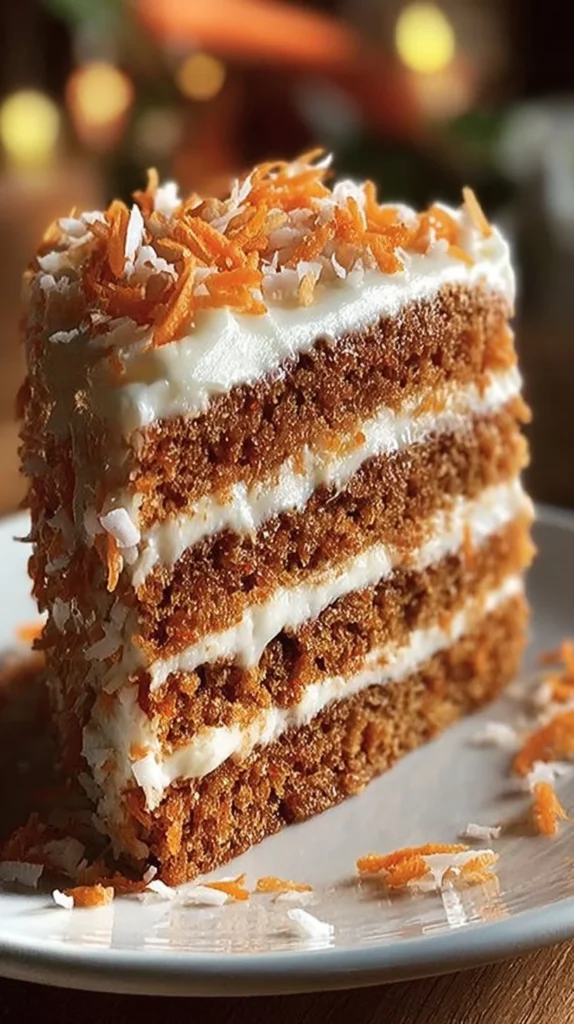
No Sugar No Flour Carrot Cake
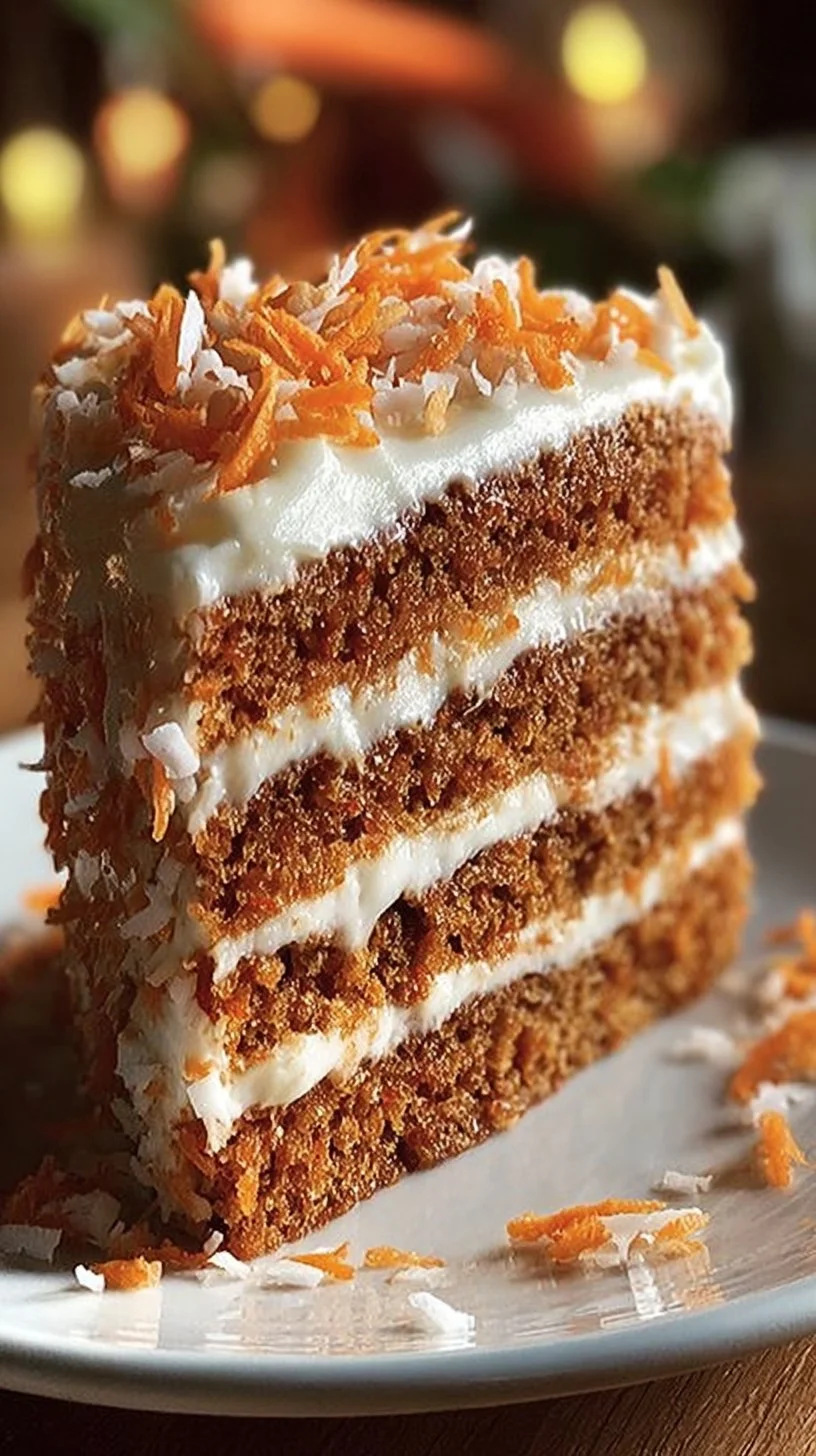
This No Sugar No Flour Carrot Cake is one of those recipes I reach for when the week is busy and the family still wants something cozy and familiar. It’s sweet in a gentle, everyday way — the kind of cake you can bring to a school event, serve after a weeknight dinner, or tuck into lunchboxes without the usual fuss. It works because it keeps the flavors people love — warm spices, tender carrot, creamy frosting — while using pantry-friendly swaps that are steady and predictable. For families who want something a little lighter on refined flour and sugar but still comforting, this is a go-to.
I’ll be honest: it’s also a recipe that doesn’t demand perfection. Busy parents, weeknight bakers, and folks juggling activities will appreciate that it’s forgiving and straightforward. If you like no-fuss dessert ideas, this carrot cake pairs nicely with a quick, no-bake treat for mornings or lighter cravings — I sometimes keep a jar of a different make-ahead sweet on hand, like the fluffy alternative in this no-bake high-protein cheesecake fluff, which is handy when mornings are rushed.
This article will walk you through why the cake works, what to expect at each step, helpful timing tips, and how to make it part of your family’s regular rotation without stress.
How to make No Sugar No Flour Carrot Cake
At a glance, this cake follows the familiar flow of most layer cakes: mix dry ingredients, combine wet ingredients, bring them together, fold in the carrots and mix-ins, bake, then frost once cool. Here’s a gentle roadmap so you know what to expect:
- Dry stage: You’ll whisk together almond and coconut flours with the leaveners and spices. This is where texture and flavor get their foundation. Take a moment to make sure there are no clumps in the coconut flour — a quick whisk is all it takes.
- Wet stage: Eggs, melted coconut oil, applesauce, sweetener, and vanilla get beaten together. This step builds the moist structure. Beat until everything looks smooth and uniform, but you don’t need to overwork it.
- Combine: Add the dry mix to the wet, stirring until just combined. Overmixing can make baked goods dense, so stop once you can’t see streaks of flour.
- Fold-ins: Grated carrots, shredded coconut, and walnuts go in last. They add moisture, chew, and kid-friendly texture.
- Bake and cool: The pans are relatively shallow, so the cake bakes quickly — 20–25 minutes — and cools fast. Resist the urge to frost while warm; the frosting needs a cool surface to hold its shape.
- Frosting and assembly: The cream cheese-coconut oil frosting whips up quickly and spreads easily. Once you layer and finish the cake, a sprinkle of toasted coconut gives a little crunch and makes it look finished without much work.
Where beginners should slow down: measure the flours carefully (almond and coconut behave differently than wheat flour), don’t overmix the batter, and be patient cooling the layers before frosting. Where shortcuts exist: you can grate the carrots with a food processor and toast the shredded coconut in a dry skillet while the cakes cool.
Ingredients
2 cups almond flour, 1/2 cup coconut flour, 1 teaspoon baking soda, 1 teaspoon baking powder, 1 teaspoon ground cinnamon, 1/2 teaspoon ground nutmeg, 1/4 teaspoon ground ginger, 1/4 teaspoon salt, 4 large eggs, 1/2 cup coconut oil, melted, 1/2 cup unsweetened applesauce, 1/2 cup erythritol (or preferred sweetener), 1 teaspoon vanilla extract, 2 cups grated carrots, 1/2 cup unsweetened shredded coconut, 1/2 cup chopped walnuts (optional), 1 cup cream cheese, softened, 1/4 cup coconut oil, softened, 1/4 cup powdered erythritol, 1 teaspoon vanilla extract (for frosting), 1/4 cup unsweetened shredded coconut, toasted
Plain-language ingredient notes — what each item does and why it matters:
- Almond flour: Gives structure and a moist crumb in place of wheat flour. It’s the body of the cake and provides a gentle, nutty flavor that kids often like.
- Coconut flour: Very absorbent, so it helps firm the batter and keeps the cake from collapsing. It also adds a faint coconut note that pairs well with the shredded coconut.
- Baking soda and baking powder: Both are included to give lift. The combination helps the cake rise reliably without needing complicated techniques.
- Ground cinnamon, nutmeg, and ginger: Classic carrot cake spices. They add warmth and familiar flavor kids recognize and adults appreciate.
- Salt: Balances flavor and enhances the sweetness of the carrots and frosting.
- Eggs: Bind the batter and help it set; they’re the little structural workhorses.
- Coconut oil (in batter and frosting): Adds moisture and a soft mouthfeel. Using melted oil in the batter makes mixing easy; softened oil in the frosting helps it whip up creamy.
- Unsweetened applesauce: Adds moisture and a touch of natural sweetness; it also helps reduce how much oil you need without changing texture.
- Erythritol (or preferred sweetener): Keeps the cake sweet without traditional sugar. Choose the sweetener your family prefers and is used to.
- Vanilla extract: Rounds out the flavors and lifts the spice notes.
- Grated carrots: The star ingredient — they add natural sweetness, moisture, and a familiar carrot cake bite.
- Unsweetened shredded coconut: Brings texture and enhances the coconut flavor from the oil and flour.
- Chopped walnuts (optional): Adds crunch and a slightly savory note; easy to leave out for nut-averse kids.
- Cream cheese: The tangy base of the frosting that creates the traditional carrot-cake pairing.
- Powdered erythritol: Sweetens the frosting and gives it body; powdered form helps it dissolve smoothly.
- Toasted shredded coconut (for finishing): Small finishing touch that adds aroma and texture and makes the cake look cared for.
These ingredients are chosen to be straightforward, pantry-friendly, and familiar. If you already keep almond and coconut flours stocked, this cake comes together without a special trip to a specialty store.
Directions
Preheat oven to 350°F (175°C). Grease and line four 8-inch round cake pans with parchment paper., In a large bowl, whisk together almond flour, coconut flour, baking soda, baking powder, cinnamon, nutmeg, ginger, and salt., In another bowl, beat eggs, melted coconut oil, applesauce, erythritol, and vanilla extract until well combined., Gradually add dry ingredients to wet mixture and stir until just combined., Fold in grated carrots, shredded coconut, and optional walnuts., Divide batter evenly among cake pans and smooth tops. Bake for 20–25 minutes or until a toothpick comes out clean., Cool cakes in pans on a wire rack. Meanwhile, beat cream cheese and coconut oil until smooth. Add powdered erythritol and vanilla extract, beating until fluffy., Assemble the cake by layering and frosting each cake layer. Finish with frosting all around and sprinkle toasted shredded coconut on top.
Friendly guidance and what to watch for as you follow these steps:
- Pans and prep: Four 8-inch rounds are used here, which creates thin, quick-baking layers. If you have fewer pans, you can bake in shifts, but let finished layers cool completely before stacking.
- Dry mix look: After whisking, your dry mix should look evenly blended with no big lumps of coconut flour. Coconut flour can clump; a quick sift or vigorous whisk fixes it.
- Wet mix feel: When the eggs, melted coconut oil, applesauce, sweetener, and vanilla are mixed, expect a glossy, slightly thick mixture. If things look separated, a few more seconds of beating will bring it together.
- Combining: Stir until the batter is uniform. The instruction to stop at “just combined” helps keep the cake tender; over-stirring can make it dense.
- Carrot prep: Grate the carrots finely so they distribute easily and don’t weigh the batter down. A food processor saves time.
- Baking: Because these are shallow layers, check at 18 minutes and up to 25. A toothpick should come out clean or with tiny moist crumbs — not wet batter.
- Cooling and frosting: Cool in the pans for a short time (10–15 minutes), then move to a wire rack to cool completely. If the layers are even slightly warm, the frosting will melt and slide. Whip the frosting until it’s smooth and light; softened coconut oil should not be melting.
- Assembly: Use a small offset spatula for even spread and rotate the cake as you frost for an even finish. Toasted coconut sprinkled on top gives a polished look with no extra work.
Common small mistakes to avoid: measuring flours by scooping (use a spoon and level or weigh if you can), trying to frost warm layers, or overmixing the batter. If the cake seems dense after baking, next time check that the leavening agents were fresh and that coconut flour wasn’t compacted.
Why families love this dish
This cake hits the sweet spot between comfort and practicality. Its spice-forward, slightly tangy flavor is familiar to both adults and kids, so it rarely causes debate at the table. Here’s what families tend to appreciate:
- Familiar flavors: Cinnamon, nutmeg, and vanilla are flavors kids know and like, and they make the cake taste homey and classic.
- Comfort factor: The soft layers and cream cheese frosting feel indulgent without being fussy — perfect after a busy day.
- Kid-friendly texture: Grated carrots and tender crumb are easy for small mouths, and the frosting adds a pleasing creaminess.
- Versatility: It’s great for birthdays, school functions, or Sunday dessert. The layers are easily made ahead, which is a huge win for planning.
- Simple ingredients: No complex steps or rare items — once you understand how almond and coconut flours behave, it’s reliable.
Smart substitutions and variations (without changing core ingredients): leave out the walnuts if you have nut-averse kids, or swap them for pumpkin seeds at the finish for crunch. If someone in the family prefers a sweeter frosting, increase powdered erythritol slightly to taste. Small tweaks like adding a teaspoon of orange zest to the batter or a pinch more cinnamon can personalize the cake without changing the method.
Pairing ideas for a complete, satisfying meal
Carrot cake is versatile enough to be dessert or part of a larger spread. Here are simple, family-friendly pairings that don’t add much time to the evening:
- Light salads: A green salad with a lemon vinaigrette is a quick, refreshing side if you’re serving this after a heavier main.
- Savory quick breads or rolls: Warm bread or biscuits straight from the oven balance the sweetness for weekend brunch.
- Simple proteins: Grilled chicken or roasted salmon make for a straightforward weeknight main if you want to make the meal more substantial.
- Kid-pleasing sides: Roasted baby carrots or steamed green beans are easy vegetable sides that keep everyone satisfied.
- Brunch pairing: This carrot cake can double as a weekend treat. Pair with a simple pancake or waffle if you’re turning a family breakfast into a celebration — and if you want a different pancake idea for a leisurely morning, I like these blueberry maple pancakes as a companion on relaxed weekends.
Keep sides minimal and familiar for the best results; this cake is comforting and doesn’t need anything elaborate to feel like the centerpiece.
Make-ahead tips, leftovers, and storage
This cake is friendly to planning ahead, which is one reason it’s a favorite for gatherings.
- Make-ahead: Bake the layers and cool completely, then wrap each layer tightly in plastic wrap and refrigerate for up to 48 hours before frosting. You can also freeze unfrosted layers — tightly wrapped and in an airtight container — for up to one month. Thaw in the refrigerator overnight before frosting.
- Frosting ahead: The cream cheese-coconut oil frosting can be made a day in advance and stored in the refrigerator. Bring it to room temperature and re-whip briefly before using to restore a spreadable texture.
- Storage after assembly: Once frosted, store the cake in the refrigerator covered for up to 5 days. The cream cheese frosting means refrigeration is best; take slices to room temperature before serving for the best flavor and texture.
- Reheating slices: If you want a warm slice, a quick 10–12 second zap in the microwave will take the chill off without drying it out. Keep an eye on it — coconut oil in the frosting can soften quickly.
- Lunchbox uses: Thinner slices or small squares can go into lunchboxes. Pack the frosting on the side for extra moistness if you prefer it kept separate.
These tips help you plan desserts for busy schedules — bake when you have a spare hour, then frost and serve when you need it.
Common questions home cooks ask about this recipe
Q: What if my cake is dense? A: With almond and coconut flours, dense results often come from overpacking the coconut flour or overmixing. Measure carefully and stir just until combined. Also confirm baking powder/soda are fresh.
Q: Can I make this with fewer pans? A: Yes. If you only have two pans, bake in batches, letting one set finish cooling while the next bakes. Cool completely before stacking.
Q: How do I know when the cake is done? A: A toothpick should come out clean or with a few small moist crumbs — not wet batter. Since these are thin layers, start checking at 18 minutes.
Q: Can I skip the nuts? A: Absolutely. The walnuts are optional and can be omitted for nut-free families.
Q: Can I scale the recipe? A: You can halve it for fewer people, or double and bake in larger pans or multiple batches. If changing pan sizes, watch the bake time closely and use the toothpick test.
Q: Is the frosting stable? A: The cream cheese and coconut oil combination whips to a stable frosting when the coconut oil is softened, not melted. Keep the finished cake chilled if the house is warm.
These answers come from practical kitchen experience — nothing technical, just the things that make weeknight cooking easier.
Final thoughts from Sarah
This No Sugar No Flour Carrot Cake is the kind of recipe you can rely on. It’s forgiving, familiar, and fits into a variety of family rhythms — bake-ahead for a school function, slice for lunchboxes, or serve after a busy weeknight dinner. The flavors are comforting and widely liked, and the steps are straightforward enough for a busy cook to execute without stress.
If you’re looking for a dessert that feels homemade but doesn’t require theater or specialty skills, this is a keeper. Make it once, make small adjustments to suit your family’s tastes, and you’ll find yourself reaching for it again and again.
Warmly,
Sarah Collins
Conclusion
If you want another take on a lighter carrot cake, this Healthy Carrot Cake Recipe – A Sweet Pea Chef offers a different angle worth exploring. For a low-carb, sugar-free version with a similar spirit, see the Keto Carrot Cake (Moist, Fluffy Recipe) – Wholesome Yum. If you like the idea of no-bake options for quick snacks or lunches, try these No-Bake Carrot Cake Bites (No Sugar!) – No Sweat Vegan for a handy companion. And for yet another family-friendly, grain-free take, check the Healthy Carrot Cake Recipe – paleo, gluten free, low carb for ideas you can adapt to your own routine.
No Sugar No Flour Carrot Cake
Ingredients
Method
- Preheat oven to 350°F (175°C). Grease and line four 8-inch round cake pans with parchment paper.
- In a large bowl, whisk together almond flour, coconut flour, baking soda, baking powder, cinnamon, nutmeg, ginger, and salt until evenly combined.
- In another bowl, beat eggs, melted coconut oil, applesauce, erythritol, and vanilla extract until well combined.
- Gradually add dry ingredients to wet mixture and stir until just combined.
- Fold in grated carrots, shredded coconut, and optional walnuts.
- Divide batter evenly among cake pans and smooth tops. Bake for 20–25 minutes or until a toothpick comes out clean.
- Cool cakes in pans on a wire rack.
- Meanwhile, beat cream cheese and coconut oil until smooth. Add powdered erythritol and vanilla extract, beating until fluffy.
- Assemble the cake by layering and frosting each cake layer. Finish with frosting all around and sprinkle toasted shredded coconut on top.