Lemon Chicken Orzo Soup
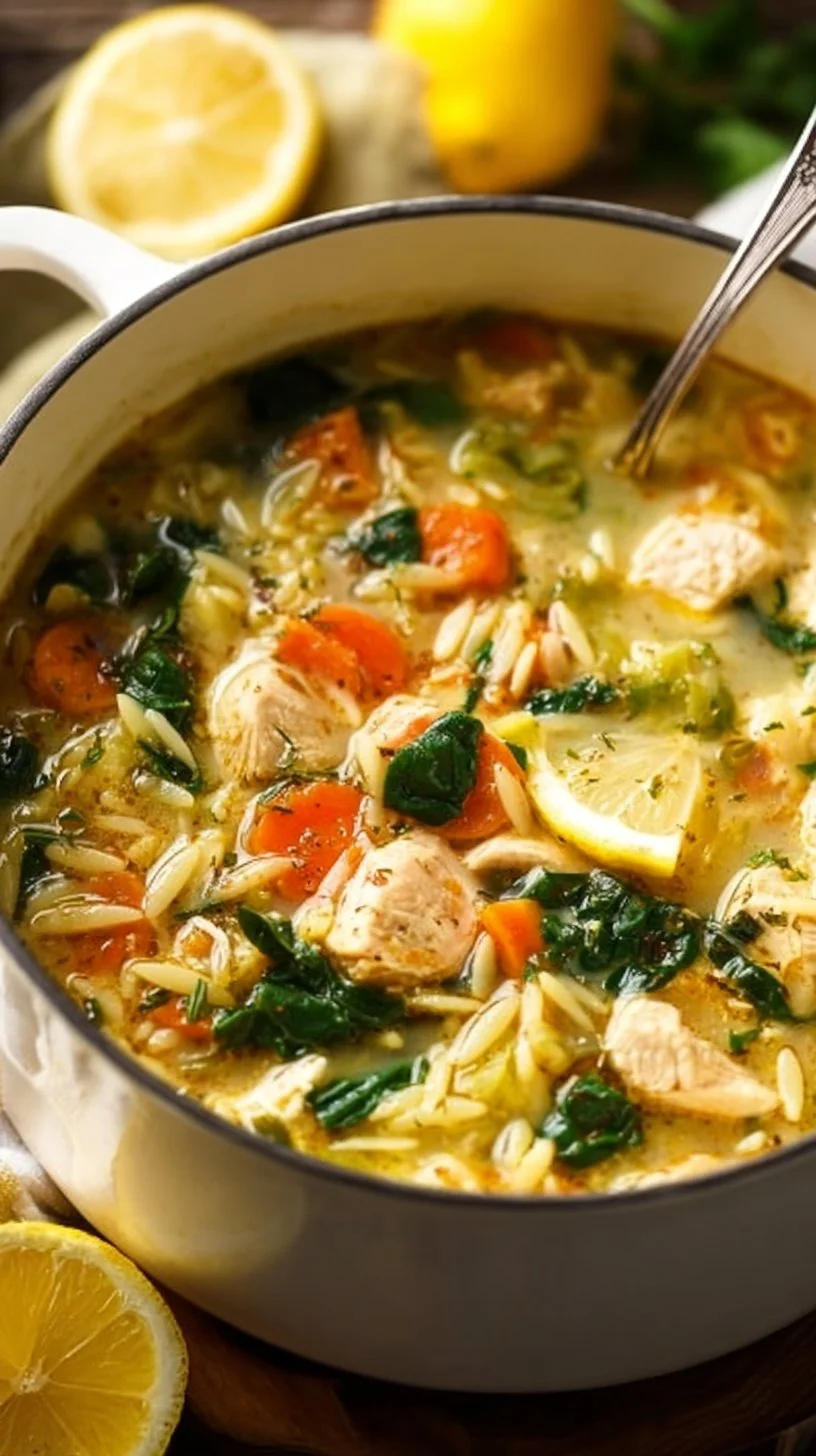
Hi — I’m Carla Carter, founder and recipe developer at RecipesCabin. If you’re looking for a bowl of comfort that’s bright, soothing, and simple to make, Lemon Chicken Orzo Soup is a wonderful place to start. This recipe is for anyone who wants a satisfying homemade meal without fuss: busy parents, beginners finding their footing in the kitchen, or anyone who remembers a day when soup saved dinner and wants to bring that feeling back.
This soup is approachable because it uses familiar ingredients and a straightforward order of steps. If you’ve ever felt nervous about handling chicken or worried about overcooking pasta in soup, you’re in the right place — I’ll walk you through the small checks that make a big difference. If you enjoy comforting brothy dishes with a lemony lift, you might also like this anti-inflammatory version I recommend for a cozy, healthful twist: anti-inflammatory turmeric chicken soup.
What makes this recipe a great one to learn from is that each stage demonstrates a single technique — sauté, simmer, and finish — all useful across many other recipes. You’ll come away with confidence in timing, simple flavor balancing, and what visual and aromatic cues to trust.
Why this recipe is easy to get right
There are a few reasons Lemon Chicken Orzo Soup is forgiving, and that’s exactly what we want when you’re building kitchen confidence.
- The structure is simple: aromatics first, protein next, then liquid and pasta. Following that order prevents common problems like raw-on-the-inside chicken or mushy pasta.
- The ingredients are common and flexible. If your onion is larger or smaller, or your carrots are chunked a bit differently, the soup still works. Small changes won’t break the dish.
- The lemon and heavy cream at the end give you an easy way to balance the final flavor. If the soup tastes a touch flat, a squeeze more lemon brightens it; if it’s too tart, a splash more cream smooths it out.
- Orzo cooks quickly and the broth hides minor texture differences. Even if the pieces aren’t perfectly uniform, the overall bowl still feels cohesive and comforting.
Because the timing windows are generous (sauté until softened, simmer until orzo is al dente), this recipe is ideal for cooks who like to be present and steady rather than racing a strict clock.
How to make Lemon Chicken Orzo Soup
Overall process at a glance: soften the vegetables, add garlic briefly, brown the chicken, bring in the broth and orzo, then finish with cream and lemon. Here’s what to focus on at each stage.
- First: Sauté the onion, carrots, and celery. This is where scent and flavor develop. You want the vegetables softened and slightly translucent — think gentle sizzle rather than a hard fry. They should smell sweet and savory, not browned or burnt.
- Next: Add the garlic for a short moment. Garlic cooks quickly and becomes aromatic; if it starts to darken, lower the heat. This step adds the savory backbone without becoming bitter.
- Then: Add the diced chicken and cook until browned. Browning builds flavor. You’re not aiming for a deep crust; small, lightly browned edges are perfect and signal that the chicken has started to cook through.
- After that: Pour in the chicken broth and bring to a simmer and then a light boil to cook the orzo. Keep an eye on the orzo’s texture — it should be al dente, meaning tender but with a little bite. Stir occasionally to prevent sticking.
- Finally: Stir in the heavy cream, lemon juice, and lemon zest off the heat or on low to keep the cream from breaking. Taste and season with salt and pepper. Finish with fresh parsley for a bright, herbaceous note.
Beginners should slow down when sautéing and when checking the orzo. These are the moments where senses — sight, smell, and touch — guide success.
If you want a nearby variation for a one-pot comfort night, take note of a creamy, spiced orzo dish that uses the same orzo techniques: one-pot cajun chicken alfredo orzo.

Ingredients
1 pound chicken breast, diced, 1 cup orzo pasta, 6 cups chicken broth, 1 cup heavy cream, 1 lemon, juiced and zested, 1 onion, diced, 2 carrots, diced, 2 celery stalks, diced, 3 cloves garlic, minced, Salt and pepper to taste, Fresh parsley for garnish
Let’s walk through what each of these ingredients is doing and why none of them are complicated.
- 1 pound chicken breast, diced: The chicken provides protein and body. Dicing it into bite-sized pieces helps it cook quickly and evenly in the soup. If your pieces are a little larger or smaller, you’ll only be adjusting the cooking time slightly.
- 1 cup orzo pasta: Orzo gives the soup comforting texture — small, rice-shaped pasta that cooks quickly and makes the broth feel more substantial. It’s forgiving; aim for al dente rather than mushy.
- 6 cups chicken broth: This is the soup’s flavor base. A good broth brings savory depth — store-bought is fine, homemade is lovely. The liquid is generous enough to create a brothy soup while allowing the orzo to make it hearty.
- 1 cup heavy cream: The cream softens the lemon’s brightness and creates a gentle richness. Add it toward the end to keep the soup silky.
- 1 lemon, juiced and zested: Lemon is the star here — it brings lift and freshness. Zest adds fragrant oils; juice brightens the finished bowl.
- 1 onion, diced / 2 carrots, diced / 2 celery stalks, diced: These form a classic aromatic trio often called mirepoix. They add sweetness, texture, and a background of savory flavor. Dicing doesn’t have to be perfect; even pieces work well.
- 3 cloves garlic, minced: Garlic amplifies savory notes. Mince it finely so it disperses through the soup.
- Salt and pepper to taste: These are your final balancing tools. Add gradually and taste as you go.
- Fresh parsley for garnish: Parsley finishes the soup with a clean, green note and a nice visual pop.
Each ingredient plays a simple role and together they balance richness, brightness, and comforting mouthfeel.
Directions
- In a large pot, sauté the onion, carrots, and celery over medium heat until softened.
- Add the garlic and cook for one more minute.
- Add the diced chicken breast and cook until browned.
- Pour in the chicken broth and bring to a boil.
- Add the orzo and cook according to package instructions until al dente.
- Stir in the heavy cream, lemon juice, and lemon zest.
- Season with salt and pepper to taste.
- Serve hot, garnished with fresh parsley.
Supportive guidance around the steps:
- Step 1 — Sauté the onion, carrots, and celery: Heat your pot over medium, add a little oil or butter, and add the diced vegetables. You’re looking for softened vegetables that give up a little aroma and sweetness. This often takes 5–8 minutes depending on the size of the dice. If they’re browning too quickly, lower the heat — you want gentle, even cooking.
- Step 2 — Add the garlic and cook for one more minute: Garlic becomes fragrant fast. Cook just long enough to smell it release its aroma. If it starts to brown, pull the pot off the heat briefly to cool the pan; slightly browned garlic can taste bitter.
- Step 3 — Add the diced chicken breast and cook until browned: Spread the chicken pieces in a single layer if possible so they contact the hot pot and brown nicely. You’ll see the edges turn opaque and lightly golden. That small amount of browning locks in flavor.
- Step 4 — Pour in the chicken broth and bring to a boil: Adding the broth deglazes the pot, picking up any browned bits from the bottom. Bring it to a boil, then reduce slightly to maintain a steady simmer when you add the orzo.
- Step 5 — Add the orzo and cook according to package instructions until al dente: Different brands of orzo vary in time — usually 7–10 minutes. Stir occasionally so the pasta doesn’t stick. Start tasting a minute or two before the package’s shortest time to avoid overcooking.
- Step 6 — Stir in the heavy cream, lemon juice, and lemon zest: This is a gentle finish. Stir in the cream slowly so the temperature evens out and the cream doesn’t split. The lemon juice adds acidity; tasting as you go helps you find the balance between brightness and creaminess.
- Step 7 — Season with salt and pepper to taste: Salt enhances all flavors; pepper adds a gentle heat. Add in small amounts, taste, and adjust.
- Step 8 — Serve hot, garnished with fresh parsley: A sprinkle of parsley brightens the bowl visually and on the palate.
If things don’t look perfect — maybe your broth is less flavorful than expected — don’t worry. Add a pinch more salt and a squeeze of lemon; those two adjustments usually bring everything into balance.
Key techniques you’ll practice in this recipe
This recipe builds foundational skills that are useful far beyond one soup bowl.
- Sautéing aromatics: Learning to soften vegetables without burning them teaches heat control. You’ll recognize the moment vegetables move from raw to sweet and aromatic.
- Browning protein: Not every dish needs a sear, but knowing how to brown chicken pieces enhances flavor in many recipes.
- Simmering pasta in broth: Cooking pasta directly in a flavorful liquid is efficient and creates cohesive dishes. It also trains you to judge doneness by texture, not just time.
- Finishing with acid and cream: Balancing acidity and fat is a core flavor skill. Lemon brightens; cream mellows — practicing this helps you correct other dishes intuitively.
Mastering these makes many weekday meals easier and more confident.
Common mistakes and how to avoid them
Here are some typical missteps and what to do instead.
- Mistake: Vegetables browning too fast. Fix: Lower the heat and stir more often. Softening, not crisping, is the goal for the base.
- Mistake: Garlic burning. Fix: Add garlic after the vegetables have softened and keep it moving. If it darkens, remove the pot from heat for a moment.
- Mistake: Chicken pieces crowding and steaming rather than browning. Fix: Give the chicken some room or brown in two batches if needed. Light browning improves flavor but don’t stress if you don’t get a deep sear — the soup will still be tasty.
- Mistake: Orzo overcooking and becoming mushy. Fix: Taste early and often. When it’s tender with a bit of bite, it’s done. Remember it will soften a touch more as the soup sits.
- Mistake: Cream curdling when added to a very hot pot. Fix: Reduce the heat to low before adding cream, or remove the pot from heat briefly and stir the cream in gently.
If something does go off track — for example, the soup tastes flat — remember simple fixes: a touch more salt, a squeeze of lemon, or a splash more cream will usually rescue it without starting over.
How to adjust confidently without changing the recipe
You’re not changing the recipe when you adjust ideas of portion or flavor in your head — you’re staying faithful while being practical.
- Portion scaling: The ratio of orzo to broth here keeps the soup brothy yet filling. To scale up, keep the same proportions: for every additional cup of orzo add about 5–6 cups of broth and increase chicken and vegetables proportionally. Scale down by the same logic.
- Flavor preference adjustments: If you prefer tangier soup, think conceptually: add more lemon juice gradually at the end. If you want richer mouthfeel, add a touch more cream. These are conceptual tweaks — not changes to the listed recipe — and they’re about balance.
- Texture tweaks: For a brothier bowl, simmer gently and serve promptly. For a thicker, more stew-like result, let the soup sit a little longer so some orzo absorbs more liquid. Keep in mind that orzo will absorb liquid over time; plan for leftovers accordingly.
These adjustments let you personalize your bowl while keeping the recipe’s integrity intact.
Serving, storage, and reheating made simple
Serving: Ladle the soup hot into shallow bowls and finish with a scatter of fresh parsley and a small wedge of lemon on the side for extra brightness. A slice of crusty bread or a simple green salad pairs beautifully.
Storage: Cool the soup to room temperature before refrigerating in an airtight container. It will keep for 3–4 days in the fridge. Because orzo absorbs broth over time, the texture will thicken in storage; that’s normal.
Reheating: Reheat over low heat on the stovetop with a splash of water or broth to loosen the texture, stirring occasionally until warmed through. The gentle heat helps return creaminess without overcooking the orzo. You can also reheat in the microwave in short bursts, stirring between intervals and adding a tablespoon of liquid if the soup looks dry.
If the soup seems too thick after reheating, add hot broth or water a little at a time until you reach your preferred consistency. Small fixes here make all the difference.
Questions new cooks often ask about this recipe
- How do I know when the vegetables are properly softened? You’ll see them go from opaque and stiff to more translucent and tender. They will release a gentle, sweet aroma.
- What if my chicken isn’t browned evenly? That’s okay — small, uneven browning won’t harm the final soup. If pieces are larger, check doneness by cutting a piece and ensuring there’s no pink.
- Can I use leftover cooked chicken? Yes. Add it near the end to warm through rather than cooking raw chicken in the pot. This helps maintain texture.
- Is it normal for the orzo to absorb most of the broth overnight? Yes. The orzo swells as it rests. To preserve a brothy texture, add extra liquid when reheating.
- What equipment is essential? A large, heavy-bottomed pot or Dutch oven is ideal because it distributes heat evenly. If you don’t have one, any large pot with a lid will work. You don’t need special gadgets.
These are all common, solvable questions. Trust your senses — sight, smell, and taste — and you’ll make great soup.
Final encouragement from Carla
Cooking is practice, not perfection, and every pot you make teaches you something helpful. Lemon Chicken Orzo Soup is a forgiving, nourishing recipe that rewards attention but does not punish small slips. If a step feels uncertain, slow down, look for the visual cues I’ve described, and trust that a little salt or lemon will usually set things right.
You’ll find that the techniques here — softening aromatics, browning protein, simmering pasta, and balancing with acid and fat — give you skills for dozens of future meals. Enjoy the process as much as the bowl. Share it, tweak it gently, and remember: progress matters more than perfection.
Conclusion
If you’d like to compare different takes on lemony chicken-orzo soups for inspiration, this version from Salt & Lavender offers a bright, simple perspective: Lemon Chicken Orzo Soup – Salt & Lavender. For a popular, homey approach with step-by-step photos you can reference while cooking, review this comforting rendition from The Pioneer Woman: Lemon Chicken-Orzo Soup Recipe – The Pioneer Woman. And for a slightly different technique and helpful tips on finishing with lemon, The Kitchn has a thoughtful recipe to read alongside this one: Lemon Orzo Chicken Soup Recipe – The Kitchn.
Happy cooking — and come back soon for more simple, reliable recipes to build your kitchen confidence.
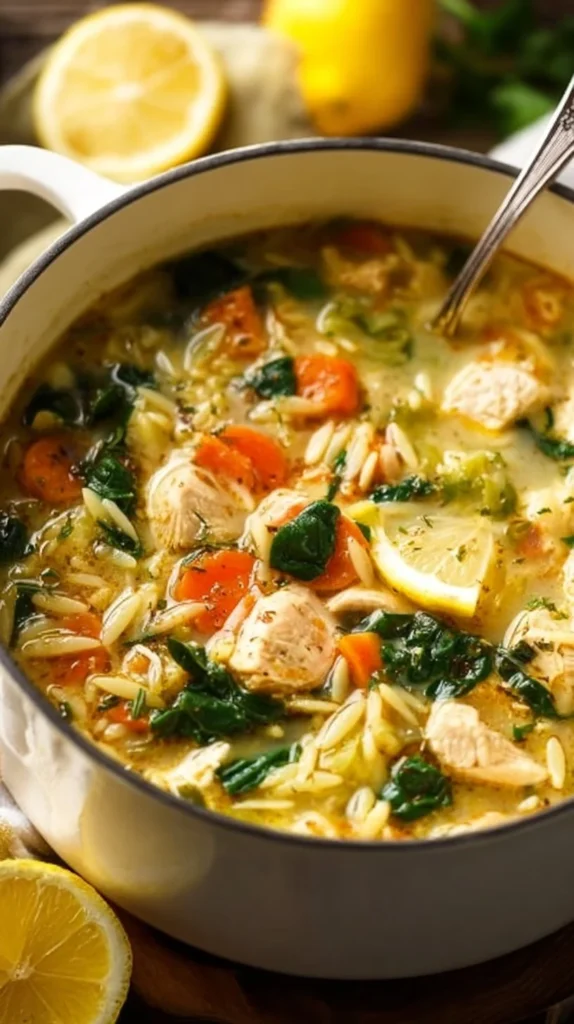
Lemon Chicken Orzo Soup
Ingredients
Method
- In a large pot, sauté the onion, carrots, and celery over medium heat until softened, about 5-8 minutes.
- Add the garlic and cook for one more minute until fragrant.
- Add the diced chicken breast and cook until browned.
- Pour in the chicken broth and bring to a boil.
- Add the orzo and cook according to package instructions until al dente.
- Stir in the heavy cream, lemon juice, and lemon zest.
- Season with salt and pepper to taste.
- Serve hot, garnished with fresh parsley.