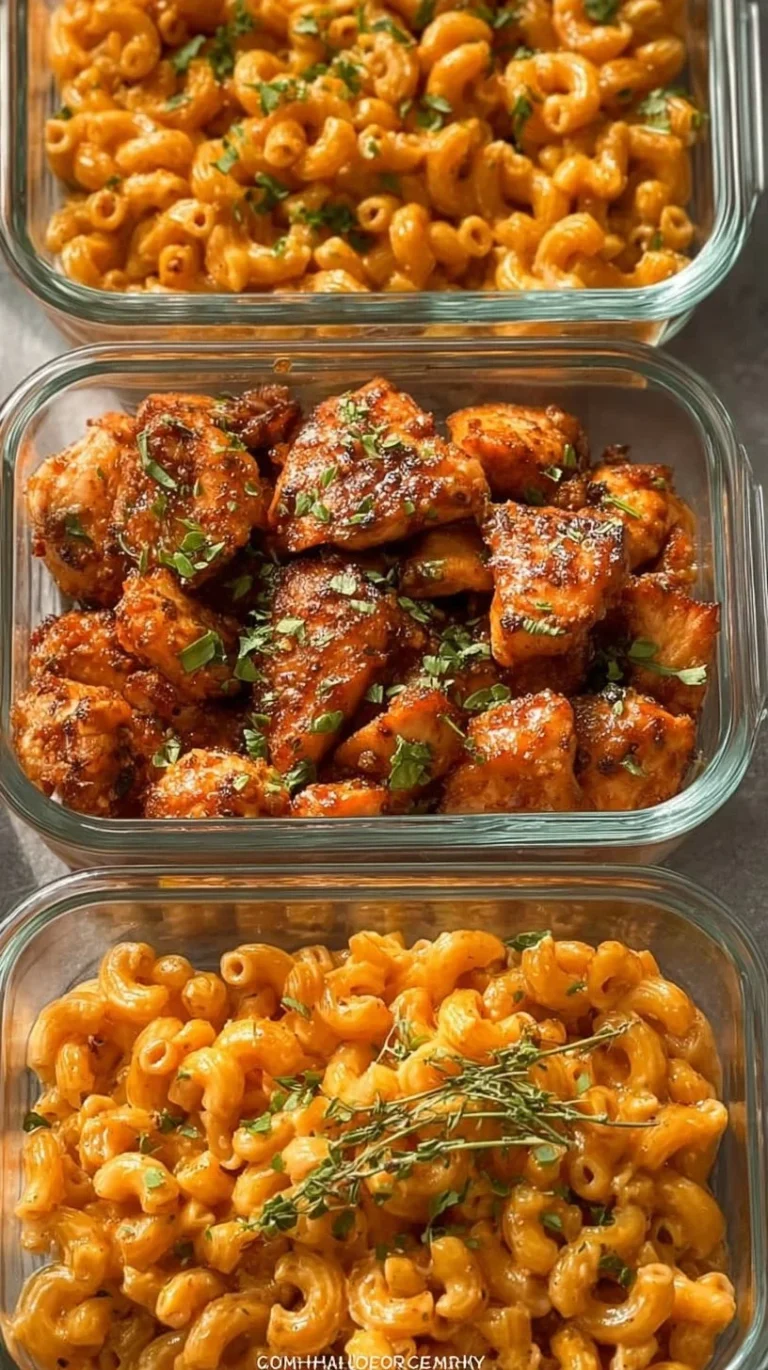
High Protein Low Calorie Sticky Lemon Pepper Chicken
Introduction
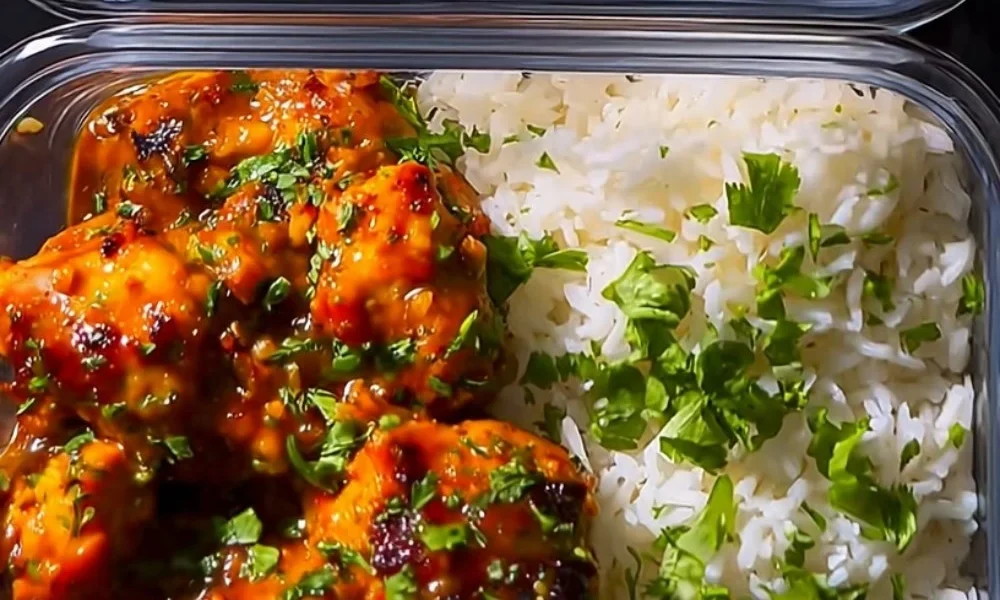
This High Protein Low Calorie Sticky Lemon Pepper Chicken is one of those recipes I turn to when I want a meal that feels bright and well-portioned, but still genuinely satisfying. It leans on simple seasonings — lemon, pepper, garlic, and a touch of honey — to build flavor without relying on heavy sauces or long cooking times. That balance makes it an easy choice for weeknights when you want dinner on the table without fuss, or for packing into lunches that stay tasty the next day. If you’re the sort of home cook who appreciates practical recipes that can sit comfortably alongside other family favorites, I also like to keep a few versatile chicken dishes in rotation, like the best BBQ chicken pizza for nights when everyone wants something a bit different.
In my kitchen this dish fills a useful place: it’s quick to marinate, straightforward to bake, and the lemon-pepper profile is familiar enough to please most palates while still feeling a touch lighter than many classic sticky chicken preparations. That feeling — lighter but still comforting — is what I try to aim for in everyday cooking: a meal that supports daily energy and enjoyment without complicated technique or ingredient lists.
How this recipe fits into a balanced lifestyle
Balanced eating isn’t about strict rules; it’s about choosing meals that help you feel steady and satisfied across a week. This lemon pepper chicken supports that approach in a few practical ways. First, the protein-forward nature of the recipe helps meals feel complete — lean chicken breasts provide a concentrated source of protein, which pairs well with modest portions of grains or a generous heap of vegetables. Second, the recipe’s bright lemon and pepper flavors give the impression of freshness and lift, which helps a plate feel lighter even when you’re including comforting sides.
Because it cooks quickly and stores well, this recipe is useful for meal planning. A single bake can feed a few meals — dinner, a weekday lunch, or a component for a salad or grain bowl the next day. That repeatability makes it easier to mix and match other components across the week without relying on takeout or complicated prep. It’s a practical addition to a varied routine, not a rigid pivot. If you need ideas for mixing up textures and flavors while keeping the core protein useful across meals, I sometimes borrow inspiration from other approachable chicken recipes, like my BBQ chicken pizza notes, to switch up the way I serve the same protein.
How to make High Protein Low Calorie Sticky Lemon Pepper Chicken
The overall flow of this recipe is straightforward: make the marinade, let the chicken rest in it to absorb flavor, then bake and finish with parsley. Because the flavor is simple, the most important parts are timing (enough marinating to let the lemon and pepper do their work) and a respectful bake time so the breasts stay tender. You don’t need special equipment — a bowl for the marinade, a baking dish, and an oven are enough — and a few small habits will keep the results reliable.
Simplicity matters most in two places: the marinating step and the baking stage. Give the chicken at least the suggested 30 minutes in the marinade, and if you have the time, an hour or two in the fridge will deepen the flavor. When baking, resist the urge to overbake; a few minutes can make the difference between juicy chicken and something dryer than you want. A quick rest after the oven helps the juices redistribute and keeps the texture pleasant. If you like to streamline dinner prep even more, you can prep the marinade ahead and store it in the fridge, then combine when you’re ready to marinate — a tip I use often so weekday cooking stays manageable. For ideas on how to repurpose cooked chicken into casual weeknight dishes, I’ve found it helpful to keep a note of flexible recipes like that BBQ chicken pizza which show how the same protein can be shifted from bowl to flatbread with minimal extra effort.
Ingredients
4 boneless, skinless chicken breasts, 2 tablespoons olive oil, 2 tablespoons lemon juice, 1 teaspoon lemon zest, 1 teaspoon black pepper, 1 teaspoon garlic powder, 1 tablespoon honey or a sugar substitute, Salt to taste, Chopped parsley for garnish
Each ingredient has a clear job to play:
- 4 boneless, skinless chicken breasts: This is your lean protein base. Boneless breasts cook quickly and are easy to slice for serving or packing into lunches.
- 2 tablespoons olive oil: Oil helps carry flavor and keeps the chicken from sticking to the baking dish. It also helps the marinade coat the meat and contributes a pleasant mouthfeel without heaviness.
- 2 tablespoons lemon juice: Acid brightens the overall flavor and helps tenderize slightly, which is useful for quick marinades.
- 1 teaspoon lemon zest: Zest gives pure lemon aroma without thinning the marinade. It’s the part that feels fresh and aromatic.
- 1 teaspoon black pepper: Gives the signature peppery note; it’s central to the dish’s personality and pairs naturally with lemon.
- 1 teaspoon garlic powder: Garlic adds underlying savory depth without introducing heavy flavors that compete with the lemon.
- 1 tablespoon honey or a sugar substitute: A small amount of sweetness balances the acid and pepper, producing the “sticky” quality when baked. It’s intentionally modest — just enough to glaze and round flavors.
- Salt to taste: Salt brings the whole dish together. Seasoning to taste is a simple way to respect ingredient quality.
- Chopped parsley for garnish: Fresh herb at the end brightens the plate and adds a color contrast that feels fresh rather than heavy.
The combination of these ingredients shows how balance comes from proportion and contrast, not from omission. You’re pairing acid with a touch of sweet, a little oil for texture, and warm spice for depth — a short list, but thoughtfully chosen so the meal reads light, bright, and satisfying.
Directions
- In a bowl, mix olive oil, lemon juice, lemon zest, black pepper, garlic powder, honey, and salt., 2. Marinate the chicken in the mixture for at least 30 minutes., 3. Preheat oven to 375°F (190°C)., 4. Place chicken in a baking dish and pour remaining marinade over the top., 5. Bake for 25-30 minutes or until the chicken is cooked through., 6. Garnish with chopped parsley before serving. Enjoy your macro-friendly family meal!
What to look for as you work through these steps:
- When mixing the marinade, whisk until the honey is incorporated so it distributes evenly. A uniform coating is what creates the lightly sticky finish after baking.
- During the marinating step, if you can, turn the breasts halfway through so both sides soak up flavor. Even a short 30-minute marinate will make a noticeable difference.
- Preheating the oven ensures the chicken cooks through evenly; popping it into a hot environment helps form that gentle glaze without prolonged cooking.
- While baking, check the chicken a few minutes before the lower end of the cooking window if your breasts are on the smaller side. The goal is cooked-through but juicy; an instant-read thermometer should hit about 165°F (74°C) in the thickest part.
- Let the chicken rest 5–7 minutes after you take it out of the oven. Resting keeps the juices from immediately running out and helps slices stay moist.
- Garnish just before serving. The parsley doesn’t change the texture but refreshes each bite and gives the plate a welcoming final touch.
Keep the process intentional but uncomplicated: follow the simple steps, watch the timing, and trust the balance of the ingredients rather than adding more.
The role of preparation in keeping this dish light
Cooking methods shape how “heavy” a meal feels. Baking is a helpful technique here because it cooks through the chicken with minimal added fat and concentrates the glaze without deep frying or rich sauces. The short marinate infuses flavor without relying on thick coatings that weigh a dish down.
Technique matters: evenly shredding the zest into the marinade, avoiding over-oiling the baking dish, and timing the bake all influence the final texture. Small choices — like using a modest amount of honey and pairing it with bright lemon — let a glaze feel satisfying without being sugary or cloying. A modest oil amount helps the chicken stay tender instead of making the plate feel greasy. In other words, the method and the ingredient portions together create the sensation of lightness.
Simple ways to adjust without losing balance
If you want to personalize the recipe, think in terms of swaps that preserve the same balance of acid, savory, and a touch of sweet:
- Increase lemon zest for more aromatic brightness, or add a teaspoon of smoked paprika if you want warmth without richness.
- If you prefer a sharper garlic flavor, swap the garlic powder for a clove of finely minced fresh garlic added to the marinade; use it sparingly so it doesn’t overpower the citrus.
- For a slightly more herb-forward finish, mix half of the parsley into the marinade and reserve the rest for garnish — that will blend fresh flavor into the meat itself while keeping a bright top note.
- To reduce sweetness further, use a sugar substitute as suggested in the ingredients; the key is keeping some sweet element so the glaze forms and balances the lemon.
All of these are conceptual tweaks — they don’t change the structure or steps of the recipe, just subtle adjustments that let you dial up flavor preferences while keeping the plate feeling balanced.
Pairing ideas for a complete, well-rounded meal
Building a complete plate with this chicken is an opportunity to combine textures and temperatures in a way that feels satisfying without excess:
- Vegetables: Roasted broccoli, charred asparagus, or a quick sauté of green beans with lemon zest echo the citrus without adding heaviness. A crunchy shaved cabbage slaw with a light yogurt dressing adds texture and a cooling counterpoint.
- Grains: A modest portion of farro, quinoa, or brown rice provides grounding chew. Cook with low-sodium broth and a squeeze of lemon to tie flavors together.
- Salads and bowls: Slice the chicken over a bed of mixed greens, add roasted sweet potato cubes or cherry tomatoes, and finish with a drizzle of olive oil and a sprinkle of parsley for a balanced bowl.
- Light sauces: If you like a finishing sauce, a small spoonful of plain Greek yogurt mixed with lemon zest and black pepper works as a cooling complement that won’t feel heavy.
Think about contrast: the sticky exterior of the chicken, tender interior, crisp vegetables, and a bright grain or salad — when those elements are combined in moderate portions, the plate reads as satisfying and complete.
Storage, leftovers, and next-day enjoyment
This chicken stores well in the fridge for 3–4 days when kept in an airtight container. Separate any sides when possible to preserve textures (for example, keep roasted vegetables in their own container so they don’t soften from resting with the chicken). If you plan to freeze, slice the cooked chicken and store in a freezer-safe container for up to 2 months — thaw overnight in the fridge before reheating.
Reheating tips to preserve freshness:
- Reheat gently in a low oven (about 300°F / 150°C) covered with foil for 8–12 minutes depending on thickness; this warms through without drying.
- For a quicker method, reheat slices in a skillet over medium-low heat with a splash of water or stock and a lid to trap steam and retain moisture.
- If using in a salad or sandwich the next day, serve chilled or at room temperature — the bright lemon flavor stands up well and often feels even fresher after a day in the fridge.
Leftovers are versatile: slice over greens, fold into a grain bowl, or use as a topping for a simple flatbread. Keeping the chicken as the adaptable component of several meals is part of practical balance.
Common questions about lighter everyday cooking
Q: How much chicken is a reasonable portion per person?
A: For most adults, one boneless chicken breast (depending on size) is a common serving when paired with vegetables and a modest grain or starch. Portion needs vary, but focusing on a balanced plate with protein, fiber-rich vegetables, and some whole grains keeps meals satisfying.
Q: How can I avoid boredom when repeating similar meals?
A: Use small finishing techniques: different herbs, a squeeze of citrus, or a change in side textures (roasted vs. raw) can make the same protein feel new. Planning two or three ways to use cooked chicken — in salads, sandwiches, and bowls — keeps variety without extra cooking.
Q: Is lighter eating the same as restrictive eating?
A: Not at all. Lighter cooking focuses on ingredient quality, portion balance, and preparation methods that feel less heavy, while still prioritizing enjoyment. It’s about practical choices that let you eat well without fuss, not about eliminating foods or feeling deprived.
Q: How do I keep meals satisfying when reducing richer elements?
A: Emphasize texture and flavor contrasts: crisp vegetables, acid to brighten, a small amount of fat for mouthfeel, and aromatic herbs all contribute to satisfaction without needing large quantities of richer ingredients.
Final thoughts from Daniel
This High Protein Low Calorie Sticky Lemon Pepper Chicken is a practical recipe for everyday life. It’s quick enough for weeknight cooking, adaptable for meal prep and leftovers, and built so the flavors feel balanced rather than intense. Cooking it mindfully — taking a little time to marinate, watching the bake, and finishing with fresh parsley — yields food that’s comforting and light at once. Try it on a busy night, pack it for lunch, or use the leftovers to refresh a simple bowl later in the week. The idea is to keep cooking approachable and flexible so good food fits into your routine.
Cook with attention but without pressure. A few thoughtful choices — modest honey for glaze, fresh lemon zest, timely resting — make an everyday meal feel satisfying and well-made. Give it a go, and adjust little things to your taste; balance is flexible and friendly, not rigid. — Daniel Brooks
Conclusion
If you want a lemon-forward glossy glaze example to compare techniques, the sticky honey lemon chicken recipe on Gimme Some Oven is a helpful reference for how small amounts of sweet and acid create that desirable finish. For a different take on lemon-pepper flavor and bite-sized serving ideas, see the playful approach in Lemon Pepper Chicken Bites from Emily Bites.

High Protein Low Calorie Sticky Lemon Pepper Chicken
Ingredients
Method
- In a bowl, mix olive oil, lemon juice, lemon zest, black pepper, garlic powder, honey, and salt.
- Marinate the chicken in the mixture for at least 30 minutes, preferably longer.
- Preheat oven to 375°F (190°C).
- Place chicken in a baking dish and pour remaining marinade over the top.
- Bake for 25-30 minutes or until the chicken is cooked through.
- Garnish with chopped parsley before serving.