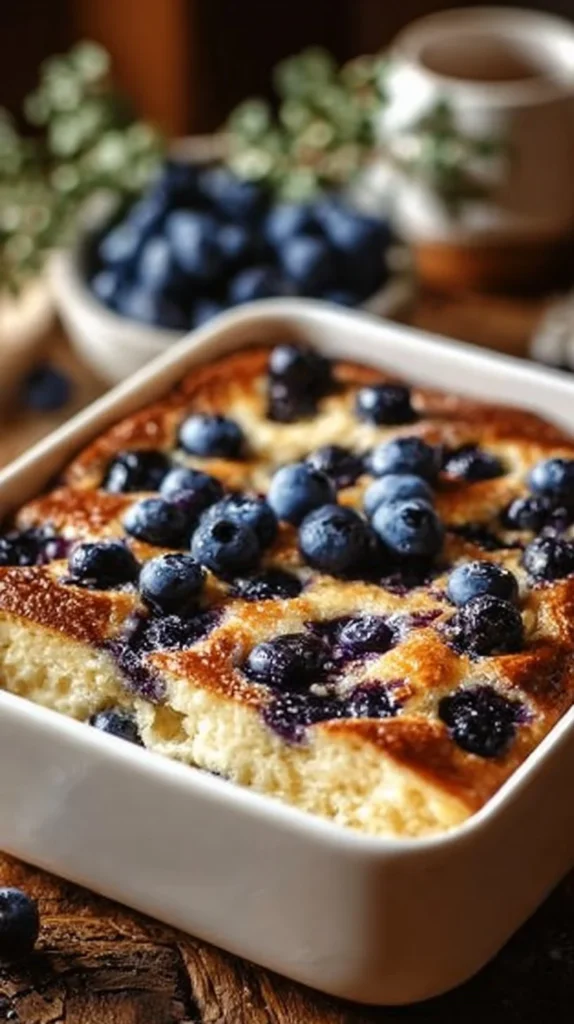
High-Protein Lemon Blueberry Breakfast Bake
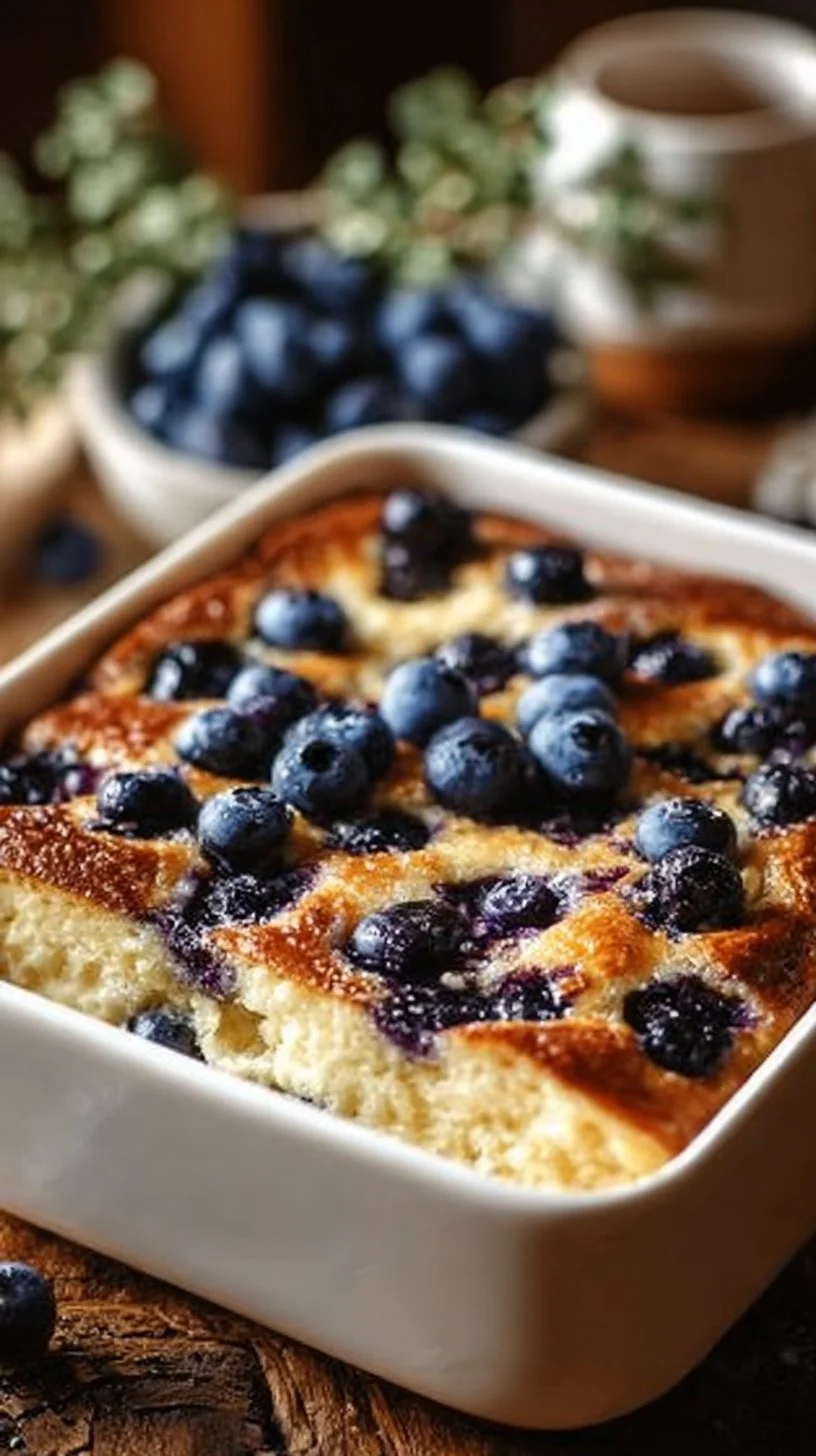
If you’re looking for a breakfast that feels both wholesome and a little bit special, this High-Protein Lemon Blueberry Breakfast Bake is a gentle place to start. It’s designed for people who want something nourishing without a lot of fuss — whether you’re new to baking, getting back into the kitchen after a pause, or simply want a reliable recipe that won’t punish small mistakes. I’m Carla Carter, founder and recipe developer at RecipesCabin, and I’ll walk beside you through this one so you can feel calm and confident as you go.
This bake is approachable because it uses familiar, easy-to-find ingredients and a simple process that leads to a satisfying, slightly tangy, and fruity breakfast. If you enjoyed my take on the blueberry cottage cheese breakfast bake, you’ll recognize the same friendly logic here — making protein-rich mornings feel manageable and delicious.
Why this recipe is easy to get right
There are a few reasons this recipe is forgiving. First, the ingredients are hearty and flexible: oats and cottage cheese create a forgiving base that tolerates small variations in stirring or timing. The eggs and baking powder give structure, but they’re not fussy like a soufflé. The lemon and blueberries add bright, straightforward flavor without needing elaborate technique.
Where the recipe allows flexibility: you don’t need to measure with lab-like precision — a gentle level scoop for the oats or a slightly heaped tablespoon of zest won’t ruin things. If your blueberries are frozen, they’ll work fine; they might release more juice but the oats handle that. If you like, peek at my note about adapting cottage cheese bakes when you try other recipes like baked cottage cheese eggs to see the same forgiving principles in action.
The recipe is suitable for all skill levels because it focuses on simple, essential actions: mix, fold, pour, bake. If you target a few clear checkpoints (which I’ll point out below), you’ll get a warm, golden breakfast that’s both reliable and comforting.
How to make High-Protein Lemon Blueberry Breakfast Bake
The overall flow is short and clear: gather ingredients, mix everything, fold in the blueberries, pour into a dish, and bake. Start by preheating so the oven is ready when your dish goes in — this helps with even baking. When combining the cottage cheese and eggs, you’re creating the protein-rich backbone that sets the texture; mix until it’s cohesive but don’t overwork it. Folding in the blueberries keeps them whole so you get bright pops of fruit instead of a uniform purple color.
Beginners should slow down during two moments: zesting and folding. Zesting is small but it distributes lemon flavor pleasantly — do a light pass with a microplane and avoid the bitter white pith. Folding is gentle; use a spatula and sweep from the bottom, bringing blueberries up into the batter rather than stirring vigorously. When pouring into the dish, spread gently so the surface is even; this helps the bake rise and brown uniformly.
Finally, baking time is short, so keep the visual cues in mind: a golden top and a gentle spring when you touch it indicate doneness. Allow it to sit for a few minutes after it comes out so it can set and slice more cleanly.
Ingredients
1 cup cottage cheese, 1 cup rolled oats, 1/2 cup blueberries, 1/4 cup honey or maple syrup, 2 large eggs, 1 lemon (zested and juiced), 1 teaspoon baking powder, 1/2 teaspoon vanilla extract, Pinch of salt
Each ingredient here has a clear role and none of them are intimidating.
- Cottage cheese: adds creaminess and a punch of protein. It’s a forgiving dairy — even if it’s a little lumpy, it blends into the batter as it bakes.
- Rolled oats: give structure and a pleasant chew. They soak up moisture during baking and become tender, not mushy.
- Blueberries: the bright, juicy points of flavor. Fresh or frozen both work; frozen may release a little more juice, which is fine.
- Honey or maple syrup: provides a natural sweetness and helps the top brown lightly.
- Eggs: bind the ingredients together and help the bake rise just enough to be tender and sliceable.
- Lemon (zest + juice): offers freshness and lifts the whole dish — the zest contains fragrant oils, and the juice adds brightness.
- Baking powder: a mild leavening agent that helps the bake become light rather than dense.
- Vanilla extract: rounds and softens the citrus notes so everything tastes cohesive.
- Pinch of salt: sharpens flavors and balances the sweetness.
If you’ve tried a high-protein veggie bake with cottage cheese, you’ll see the same building-block approach — simple ingredients that combine to create texture and flavor without complicated technique.
Directions
- Preheat the oven to 350°F (175°C) and grease a baking dish., 2. In a large bowl, mix together the cottage cheese, rolled oats, honey or maple syrup, eggs, lemon zest, lemon juice, baking powder, vanilla extract, and salt., 3. Gently fold in the blueberries., 4. Pour the mixture into the prepared baking dish and spread it evenly., 5. Bake for 25-30 minutes or until the top is golden and firm to the touch., 6. Allow to cool slightly before slicing and serve warm.
Supportive guidance around these steps:
Step 1 (Preheat and grease): Preheating is a small thing that makes a big difference — pop the oven on early so it reaches 350°F before the dish goes in. Greasing the dish lightly keeps the bake from sticking; a thin smear of butter or a quick spray of oil works. Visually, your dish should have a light sheen, not pools of oil.
Step 2 (Mixing): When you mix the cottage cheese with the oats and eggs, you’re creating a batter that looks a little rustic — it won’t be a perfectly smooth cake batter. Expect a grainy, creamy texture that’s cohesive. If the batter seems a touch loose, that’s okay; oats absorb moisture during baking. If it looks overly dry, a small splash of milk or water (just a teaspoon or two) can help, but that’s optional.
Step 3 (Folding in blueberries): Folding keeps blueberries intact. Use a rubber spatula and move around the bowl slowly. The batter should show blue streaks rather than turning completely purple. If you see a few streaks, that’s a good sign the fruits are distributing evenly.
Step 4 (Pour and spread): Pour into the prepared dish and gently level with the spatula. The surface should be even; little peaks or uneven spots are fine and won’t ruin the bake. Smoothness simply helps even browning.
Step 5 (Bake 25–30 minutes): Look for a golden top and a gentle spring when you press the center. If a toothpick comes out with a few moist crumbs, that’s perfect — you don’t want it completely dry. Oven temperatures vary, so start checking at 22–23 minutes if your oven runs hot, or allow the full 30 minutes if you prefer firmer texture.
Step 6 (Cool and serve): Allowing it to rest for 5–10 minutes makes slicing cleaner and the texture settle. Serve warm for that fresh-baked comfort; leftovers are great chilled or reheated.
If something looks different than these descriptions — a slightly deeper brown, a few juicy blueberry pockets, or a slightly wet center — none of those are disaster. They’re clues you can adjust next time (a minute more or less, a slightly shallower dish) without starting over.
Key techniques you’ll practice in this recipe
This recipe is a gentle way to practice a few fundamental kitchen skills that pay off in many other dishes:
- Mixing to combine: Learning to mix until ingredients are cohesive, not overworked, helps in batters, fillings, and quick breads.
- Folding fruit into batter: This keeps delicate ingredients from breaking apart — useful for berries in cakes or chunks in muffins.
- Oven timing and visual cues: Reading golden color and firmness teaches you to trust sight and touch over the clock alone.
- Zesting citrus: A small technique with a big flavor payoff for sauces, dressings, and baked goods.
These skills apply elsewhere — for example, the folding technique is handy when making muffins, and the mixing approach works for other cottage cheese bakes or protein-based breakfasts.
Common mistakes and how to avoid them
Even simple recipes have common hiccups. Here are a few you might see and how to handle them gently.
Mistake: Over-stirring and breaking the blueberries. Fix: Fold gently with a spatula and stop when blueberries are mostly distributed. If some burst, that’s okay — the flavor still shines.
Mistake: Baking too long so the top becomes too brown or dry. Fix: Check at 22–25 minutes and use the spring test: the center should bounce back slightly. If it’s browning too fast, loosely tent with foil for the last few minutes.
Mistake: The center is underbaked while the edges look done. Fix: This can happen with small or large baking dishes. If the center is too soft, bake 3–5 minutes longer and test again. Using a dish with similar depth to what you planned helps replicate time.
Mistake: Batter seems runny. Fix: Rolled oats thicken as they bake, so a slightly loose batter is acceptable. If it seems extremely thin, give it 5–10 minutes to rest before baking to let oats hydrate.
Mistake: Not zesting properly and getting bitter pith. Fix: Use a microplane and take only the thin colored layer — the fragrant oils are there.
If something goes off track, you rarely need to start over. Adjust time, tent with foil, or accept a slightly different texture — the dish will still be tasty and satisfying.
How to adjust confidently without changing the recipe
You asked how to tweak things without altering the core recipe — here are concepts rather than specific substitutions so you can remain within the recipe’s parameters.
Portion scaling: If you want more servings, double the ingredient list and use a larger baking dish. Baking time may increase slightly; check visually and by touch. For fewer portions, halve the ingredients and use a smaller dish, reducing bake time.
Flavor preferences: To emphasize lemon, gently increase the amount of zest while keeping juice the same so tartness stays balanced. For more sweetness, choose maple syrup instead of honey or use the sweeter end of the honey jar — just remember the specified 1/4 cup remains the guideline.
Texture tweaks (conceptual): If you prefer a firmer bake, allow it to bake a few extra minutes until the center is less jiggly. For a softer, more custardy result, remove it right as the center shows a moist crumb.
These adjustments let you personalize results while keeping the original ingredient list and directions intact.
Serving, storage, and reheating made simple
Serving: This bake is lovely warm straight from the oven, perhaps with a light drizzle of extra honey or a spoonful of yogurt. It also works well sliced and served with a small pat of butter or a scattering of extra fresh blueberries on top.
Storage: Let cool completely, then store in an airtight container in the refrigerator for up to 4 days. If you plan to freeze, slice into portions and wrap tightly — frozen portions will keep for about 1–2 months.
Reheating: To retain texture, reheat gently. Microwave single slices for 20–30 seconds, checking to avoid overheating. Or warm in a 325°F oven for 8–10 minutes covered with foil to prevent the top from drying. A few seconds extra is okay; aim for warm, not scorching.
Questions new cooks often ask about this recipe
Timing concerns: How will I know when it’s done? Look for a golden top and a center that springs back slightly. A toothpick with a few moist crumbs is fine — you don’t need it bone dry.
Equipment questions: Do I need special pans? No — a simple loaf pan or an 8×8 baking dish works. Grease lightly and you’ll be fine.
Is it normal if the batter looks lumpy? Yes. Cottage cheese and oats create a rustic batter; lumps mostly disappear during baking.
What if my blueberries sank? Slight sinking is normal. To help them stay more suspended next time, toss them lightly in a tablespoon of oats before folding in.
Can I use frozen blueberries? Absolutely. Use them straight from the freezer — expect a little extra moisture but the oats handle it.
These are expected moments, not failures. Each baking attempt teaches you something useful.
Final encouragement from Carla
I want to leave you with a simple reminder: cooking is a practice, not a test. This High-Protein Lemon Blueberry Breakfast Bake rewards small, steady attention and encourages experimentation within a comfortable framework. If your first try isn’t picture-perfect, that’s okay — the flavors will still be bright, the protein will be there to keep you satisfied, and each attempt will feel easier.
Keep going, enjoy the process, and remember that progress matters more than perfection. When you feel ready, explore similar recipes and techniques that build on what you’ve learned — there’s a quiet confidence that comes from mastering dependable, tasty breakfasts.
Conclusion
If you’d like a slightly different take on lemon blueberry baked breakfasts, I find inspiration in this Lemon Blueberry Oatmeal Bake (Protein Packed + Easy!) and this twist on portable snacks with Quick & Easy Lemon Blueberry Protein Bars – The Gold Lining Girl.
High-Protein Lemon Blueberry Breakfast Bake
Ingredients
Method
- Preheat the oven to 350°F (175°C) and grease a baking dish.
- In a large bowl, mix together the cottage cheese, rolled oats, honey or maple syrup, eggs, lemon zest, lemon juice, baking powder, vanilla extract, and salt.
- Gently fold in the blueberries.
- Pour the mixture into the prepared baking dish and spread it evenly.
- Bake for 25-30 minutes or until the top is golden and firm to the touch.
- Allow to cool slightly before slicing and serve warm.