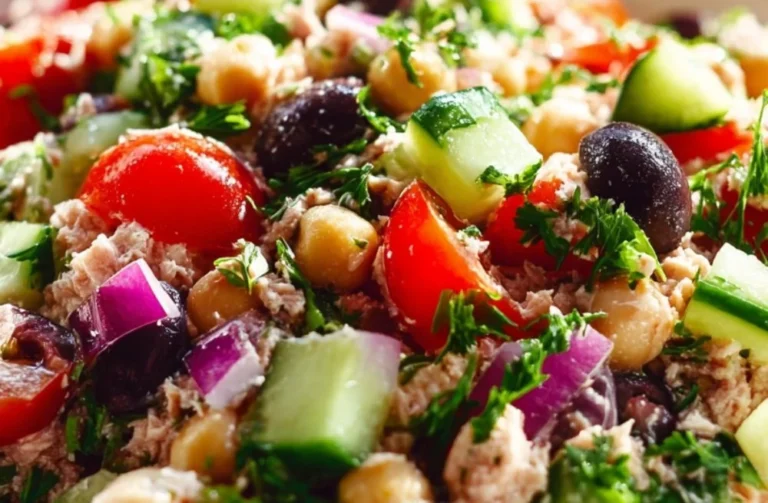
High-Protein Veggie Bake with Cottage Cheese

Introduction
This High-Protein Veggie Bake with Cottage Cheese is one of those recipes I reach for when I want something nourishing, simple, and reassuringly foolproof. It’s for people who want a filling, protein-packed meal without fuss: busy families, folks trying to add more vegetables to their plates, and anyone who wants a gentle reintroduction to cooking after a long break.
If you’re nervous about baking something that might “go wrong,” this is a lovely place to regain confidence. The ingredients are familiar and easy to prepare, and the dish tells you what it needs as it cooks — you’ll see, smell, and feel when it’s done. If you want a similar idea focused on cottage-cheese-based bakes to practice before or after this one, I find my notes on baked cottage cheese eggs helpful for comparison.
This introduction is your gentle invitation: you don’t have to be an expert. I’ll walk you through what’s happening and why, so you can succeed on the first try.
Why this recipe is easy to get right
This veggie bake is forgiving for a few reasons. First, the cottage cheese and eggs create a cushion that holds everything together — that means if a vegetable piece is a little larger or smaller than the recipe suggests, the mixture still sets into a cohesive bake. The moisture balance is naturally forgiving because cottage cheese adds creaminess and eggs provide structure.
Second, the bake tolerates timing flexibility. If your oven is a bit hotter or cooler, visual cues (color, puffing, set center) guide you better than the clock. The individual ingredients don’t require perfect precision — a little extra pepper or one less cherry tomato won’t ruin the dish.
Finally, this recipe is modular: you’re practicing simple techniques (mixing, whisking, baking) that translate to many other dishes. Beginners can relax: the texture is rustic, not fussy, and small imperfections — a slightly browned edge or a center that isn’t glassy — are normal and part of home cooking.
How to make High-Protein Veggie Bake with Cottage Cheese
Think of the process as three clear stages: prepare, combine, bake.
- Prepare: Wash and chop your vegetables. Preheat the oven so it reaches 375°F (190°C) before the bake goes in — a properly heated oven gives the dish a nice rise and even browning.
- Combine: You’ll mix cottage cheese with the chopped vegetables, then whisk eggs and seasonings separately. Pouring the egg mixture over the veg mixture is the moment everything comes together. That liquid binds and distributes flavor.
- Bake: Spread the mixture evenly in the prepared dish, top with mozzarella, and bake until the top is golden and the center is set. Let it rest briefly after baking to make slicing neater.
Where to slow down: take your time chopping the veg into roughly similar sizes so they cook evenly. When whisking the eggs and seasonings, whisk until slightly frothy — you’re not aiming for airiness, just an even mix. When baking, watch for color and a slight spring in the center. Beginners should use the visual checkpoints rather than panicking at exact minutes.
For a sense of how other cottage-cheese-and-veg combinations behave in the oven, you might enjoy this companion idea for a lighter, fruit-forward bake: blueberry cottage cheese breakfast bake — it’s a different flavor profile but helps build confidence with cottage cheese in bakes.
Ingredients
1 cup cottage cheese, 1 cup broccoli florets, chopped, 1 cup bell pepper, diced, 1 cup zucchini, sliced, 1 cup cherry tomatoes, halved, 1/2 cup spinach, chopped, 1/2 cup red onion, finely chopped, 1/4 cup shredded mozzarella cheese, 2 eggs, 1 tablespoon olive oil, 1 teaspoon garlic powder, 1 teaspoon onion powder, 1/2 teaspoon black pepper, 1/2 teaspoon salt, 1/4 teaspoon dried oregano, Cooking spray or a small amount of additional olive oil for greasing the baking dish
Now a little explanation of what each ingredient does and why none are intimidating:
- Cottage cheese (1 cup): Adds creaminess and protein. It keeps the bake moist and contributes to the “custardy” texture as it heats and melds with the eggs.
- Broccoli (1 cup): Provides bulk, texture, and color. Chopped florets soften in the oven and add a gentle earthiness.
- Bell pepper (1 cup): Adds sweetness and bright flavor — diced small, it cooks evenly and gives a friendly crunch.
- Zucchini (1 cup): Mild and watery, zucchini blends into the mix and helps create tenderness without strong flavor.
- Cherry tomatoes (1 cup): Halved, they roast and burst slightly, adding juicy pops and acidity.
- Spinach (1/2 cup): Chopped spinach wilts into the mixture and folds into the cottage-cheese base, adding nutrients without overpowering taste.
- Red onion (1/2 cup): Finely chopped for a mild, slightly sweet onion flavor that softens while baking.
- Shredded mozzarella (1/4 cup): Melts to form a light, golden top — not too much cheese, just enough to add an inviting finish.
- Eggs (2): The binding agents. They set the dish and turn the cottage cheese into a custard-like structure.
- Olive oil (1 tablespoon): Adds a touch of richness and helps with mouthfeel; also helps carry flavors of the seasonings.
- Garlic powder, onion powder, black pepper, salt, dried oregano: These dried seasonings add depth without fuss; they distribute evenly through the egg mixture.
- Cooking spray or a little olive oil for greasing: Prevents sticking so you can remove portions cleanly.
All of these are common pantry items, and together they balance protein, vegetables, and a gentle savory seasoning. Nothing here requires unusual handling — just basic chopping, whisking, and baking.
Directions
Preheat your oven to 375°F (190°C)., Lightly grease a baking dish with cooking spray or a small amount of olive oil., In a large mixing bowl, combine the cottage cheese, broccoli, bell pepper, zucchini, cherry tomatoes, spinach, and red onion., In a separate bowl, whisk together the eggs, olive oil, garlic powder, onion powder, black pepper, salt, and dried oregano., Pour the egg mixture over the vegetable mixture and stir until everything is evenly coated., Transfer the mixture into the prepared baking dish, spreading it out evenly., Sprinkle the shredded mozzarella cheese evenly over the top., Place the dish in the preheated oven and bake for 30-35 minutes or until the top is golden brown and the center is set., Remove from the oven and let it cool slightly before serving.
Supportive guidance for these steps:
- Preheat: Wait until your oven reaches the set temperature. If your oven runs cold or hot, an inexpensive oven thermometer is a good companion; otherwise, trust color and feel.
- Greasing the dish: A light spray or brushed oil is enough. Too much oil pools; too little may stick. If you’re unsure, use a 9×9 or similar-sized dish and wipe the oil evenly with a paper towel.
- Combining veggies and cottage cheese: Stir until ingredients look evenly distributed — you should see bright flecks of vegetables throughout the cottage cheese. It will be slightly lumpy from the cottage cheese; that’s normal.
- Whisking the egg mixture: Whisk until the yolks and whites are fully combined and the seasonings are blended. You should have a pale yellow mixture with a few bubbles on top.
- Pouring and stirring: When you pour the egg mix over the vegetables, stir gently so every piece has contact with the eggs. The mixture should be moist but not soupy.
- Spreading in the dish: Level it so the bake cooks evenly. If one side is thicker, that area will take longer to set.
- Baking: Look for a golden-brown top and a center that is firm to the touch. A toothpick inserted near the center should come out mostly clean — a little moistness is fine because it will continue to set as it cools.
- Cooling: Let it rest 5–10 minutes after baking. That makes slicing and serving much easier.
If you open the oven and the top browns faster than the center is set, tent lightly with foil to slow browning. Small imperfections — a crack on top or slightly uneven browning — won’t affect taste.
Key techniques you’ll practice in this recipe
- Chopping vegetables to even sizes: This helps them cook uniformly and is a transferable skill for salads, stir-fries, and sautés.
- Whisking eggs and seasonings: Learning to fully combine ingredients so flavors distribute evenly is a small technique with big payoff.
- Folding and mixing: You’ll practice gently combining wet and chunky ingredients without overworking them — useful for casseroles and some baked goods.
- Visual doneness checks: Reading the bake by color and texture instead of relying only on time builds kitchen intuition.
These techniques are gentle but foundational, and mastering them gives you confidence across many home-cooked meals.
Common mistakes and how to avoid them
- Mistake: Vegetables are unevenly chopped and some pieces stay crunchy while others overcook. Fix: Aim for roughly similar-sized pieces; if you have very large pieces, halve or quarter them.
- Mistake: The center is too wet after baking. Fix: Bake until the center springs back slightly; if the top is done too quickly, tent with foil and give it more time.
- Mistake: Sticking to the pan. Fix: Make sure the dish is lightly greased and allow the bake to cool for a few minutes so it sets before scooping.
- Mistake: Over-seasoning or under-seasoning. Fix: Season the egg mixture evenly and remember you can always add a pinch of salt or pepper to individual portions after baking.
- Mistake: Rushing the cooling step. Fix: Allow at least 5 minutes; it helps the structure firm up and makes serving neater.
If something goes off track, remember you rarely have to start over. Cover the bake if it browns too fast, extend time in small increments if the center needs more setting, and slice carefully if the edges are firmer than the center.
How to adjust confidently without changing the recipe
- Portion scaling concept: To make more servings, double every ingredient and use a larger baking dish, or bake in two dishes at the same temperature. The baking time may change a bit — a larger, deeper dish may require a few extra minutes — so rely on visual doneness.
- Flavor preference adjustments: Without altering ingredients or steps, you can change finishing touches on the plate: a squeeze of lemon, a sprinkle of fresh herbs, or a drizzle of olive oil all personalize the dish after baking.
- Texture tweaks (conceptual): For a slightly firmer set, let the bake cool fully before slicing. For a creamier mouthfeel, serve warm so the cottage cheese feels silkier. These are serving choices rather than recipe changes.
Remember: this section is about understanding options, not rewriting the recipe. Small adjustments on the plate let you tailor the meal to taste.
Serving, storage, and reheating made simple
- Serving: This bake is lovely warm or at room temperature. Slice into wedges and serve with a simple green salad or crusty bread. For a balanced plate, add a fresh squeeze of lemon or a scattering of chopped herbs.
- Storage: Cool the bake to room temperature, then store in an airtight container in the refrigerator for up to 3–4 days. If you plan to freeze, portion into freezer-safe containers and use within 1–2 months.
- Reheating: Reheat single servings in the microwave for 1–2 minutes on medium heat, checking halfway so it doesn’t dry out. In the oven, reheat at 350°F (175°C) for 10–15 minutes covered lightly with foil to preserve moisture; uncover for a few minutes at the end to refresh the top.
A useful note: reheating gently keeps the texture pleasant. If refrigerated slices seem dry, a quick drizzle of olive oil or a spoonful of plain yogurt can restore creaminess.
For a contrasting cold side I often pair this bake with a crisp salad like my take on a creamy cucumber salad with a savory twist: creamy cucumber salad with bacon and cheese — it’s a nice balance of textures.
Questions new cooks often ask about this recipe
- “How do I know when it’s done?” Look for a golden top, edges pulling slightly away from the dish, and a center that is set and springs back gently when touched. A toothpick in the center should come out mostly clean.
- “Can I use low-fat cottage cheese?” Yes, you can. The texture will be slightly different — a touch less richness — but it will still work.
- “Do I need to pre-cook any vegetables?” Not necessary. Small, evenly chopped pieces will soften in the oven. If you prefer softer vegetables, you can briefly sauté them first, but that’s optional.
- “What size baking dish should I use?” A shallow 8×8 or similar square dish works well. The goal is a 1–2 inch depth so the heat cooks through evenly.
- “Is it normal for the top to crack a bit?” Yes. Cracks are fine and often happen as the egg sets — they don’t mean it’s overcooked.
- “Can I make it ahead?” Yes. Prepare the mixture and refrigerate up to a day before baking; give it a few extra minutes in the oven if it’s cold from the fridge.
These are the small, normal questions that help you feel steady in the kitchen. If something feels uncertain, slow down and check the visual cues.
Final encouragement from Carla
Cooking is a series of small, kind experiments. With familiar ingredients and steady steps, this High-Protein Veggie Bake with Cottage Cheese is a welcoming recipe to build confidence. You’ll practice useful techniques and end up with a satisfying, protein-rich meal. Don’t worry about perfect slices — focus on flavor, warmth, and the accomplishment of making something nourishing.
If one attempt doesn’t look exactly as you imagined, that’s okay — every bake teaches you something. Keep cooking, keep tasting, and remember that consistency comes from gentle repetition, not pressure.
Conclusion
If you’d like to see another variation built on the same cottage-cheese-and-egg idea for inspiration, take a look at this practical example: Cottage Cheese Egg Bake with Veggies | Toshi’s Table. For an additional perspective and ideas on how others balance veggies and cottage cheese, I also recommend this resource: Cottage Cheese & Veggie Egg Bake Packed with Protein.
You’re doing great — keep going.

High-Protein Veggie Bake with Cottage Cheese
Ingredients
Method
- Preheat your oven to 375°F (190°C).
- Lightly grease a baking dish with cooking spray or a small amount of olive oil.
- In a large mixing bowl, combine the cottage cheese, broccoli, bell pepper, zucchini, cherry tomatoes, spinach, and red onion.
- In a separate bowl, whisk together the eggs, olive oil, garlic powder, onion powder, black pepper, salt, and dried oregano.
- Pour the egg mixture over the vegetable mixture and stir until everything is evenly coated.
- Transfer the mixture into the prepared baking dish, spreading it out evenly.
- Sprinkle the shredded mozzarella cheese evenly over the top.
- Place the dish in the preheated oven and bake for 30-35 minutes or until the top is golden brown and the center is set.
- Remove from the oven and let it cool slightly before serving.