High Protein Creamy Beef Pasta Recipe for Quick Weeknight Dinners
Introduction
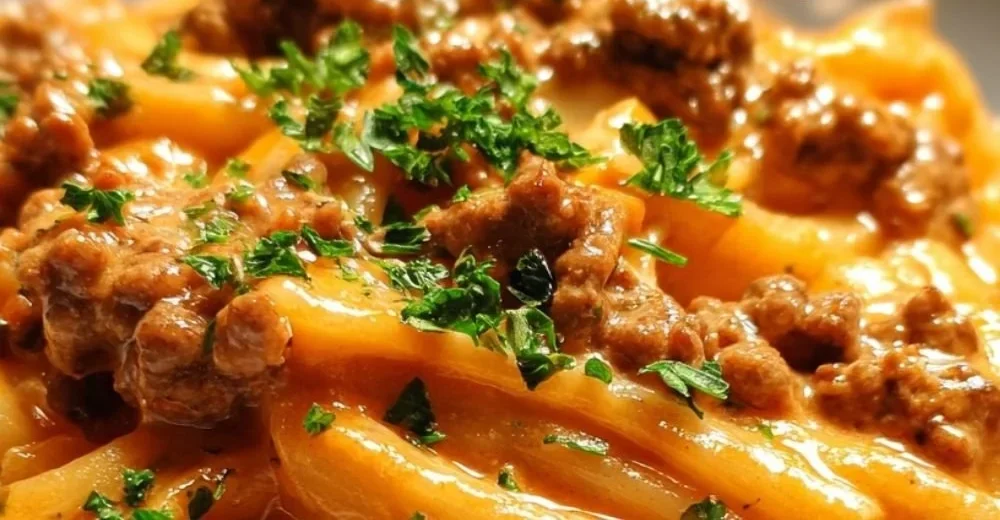
This High Protein Creamy Beef Pasta Recipe for Quick Weeknight Dinners is the kind of meal I turn to when I want something both straightforward and satisfying — the sort of dinner that feels comforting without leaving you weighed down. It pairs familiar flavors — browned beef, tangy tomatoes, a touch of creaminess from Greek yogurt and Parmesan — into a dish that comes together quickly on busy evenings. I like it because it honors simple technique over fuss: a hot skillet, a patient sauté, and a well-timed simmer. That approach keeps the flavors honest and the texture lively.
For anyone planning a rotation of reliable dinners, this recipe fits neatly alongside other approachable options; if you’re building a list of go-to weeknight meals, you might also enjoy browsing more ideas in a similar category at easy weeknight dinners. The finished plate reads familiar — pasta, beef, a light creamy sauce — but because the sauce leans on Greek yogurt and broth rather than heavy cream, it lands lighter on the palate while still feeling complete.
I’ll walk through why this recipe works, how to make it without overcomplicating things, and small, practical choices that keep the dish balanced. The goal isn’t to transform weeknight cooking into a chore; it’s to create meals that fuel the evening and leave room for whatever comes next.
How this recipe fits into a balanced lifestyle
This recipe supports balance by combining protein, carbohydrates, and a modest amount of fat in a single pan, making portioning and meal planning simpler. The lean ground beef provides sustained savory flavor and protein while the penne carries the sauce and adds familiar, satisfying texture. Using low-sodium beef broth and plain Greek yogurt keeps the sauce creamy without relying on heavier dairy, which helps the meal feel lighter on both flavor and finish.
Keeping meals feeling light isn’t about strict rules — it’s about choices. Choosing lean ground beef, a measured amount of pasta, and Greek yogurt for creaminess means you get the same comforting mouthfeel as a richer cream sauce but with fewer heaviness cues. It’s also practical: this recipe is quick enough for weeknights, easy to scale for leftovers, and it pairs well with fresh vegetables or a simple salad for added fiber and brightness. If you like collecting simple, adaptable dinner recipes, you may appreciate the variety you can find in broader easy-recipe collections like easy recipes for every night.
Think of this dish as a template that supports moderation and enjoyment. The balance here comes from combining satisfying elements in sensible amounts, not from cutting things out. That mindset makes it easier to incorporate a range of foods across the week without feeling constrained.
How to make High Protein Creamy Beef Pasta Recipe for Quick Weeknight Dinners
The overall flow is intentionally straightforward: cook the pasta, brown the beef with aromatics, create a light sauce with tomatoes and broth, fold in yogurt and Parmesan for creaminess, then combine with the pasta. Simplicity matters most in timing and temperature: cook the pasta al dente so it holds up to tossing in the sauce, and let the beef mixture simmer gently so the flavors meld without curdling the yogurt.
Approach this recipe without overthinking. Read the ingredient list once, get your mise en place ready (onion chopped, garlic minced, pasta salted water heating), and trust the basic sequence. Multitask where it helps — while the pasta cooks, finish the sauce. Keep heat moderate when adding the yogurt so it blends smoothly. If you’re planning this as a repeat meal, the method scales nicely: double the sauce components for a crowd, or halve for two — the technique remains the same.
If you like browsing recipes with similar convenience or variations, a collection of dessert ideas or treats can be helpful for planning the rest of a menu; consider exploring other categories at dessert recipes for simple after-dinner treats when thinking through a full week of meals.
Ingredients
8 oz penne pasta, 1 lb lean ground beef, 1 medium onion, chopped, 2 cloves garlic, minced, 1 can (15 oz) diced tomatoes (with juices), 1 cup low-sodium beef broth, 1/2 cup plain Greek yogurt, 1/4 cup grated Parmesan cheese, 1 tbsp Italian seasoning, Salt and pepper to taste, Fresh basil or parsley for garnish, Olive oil (for cooking)
Each ingredient here plays a clear role. The penne is a sturdy pasta shape that holds sauce in its tubes, offering bite and a satisfying chew. Lean ground beef brings savory depth and protein without excessive fat; it also browns well, creating flavor through caramelization. Onion and garlic are foundational aromatics that add sweetness and complexity. Diced tomatoes with juices give the sauce acidity and body, while low-sodium beef broth extends the sauce without over-salting.
Plain Greek yogurt is the lighter creamy element: it provides richness and a slightly tangy finish that brightens the dish compared with heavier creams. Parmesan adds umami and a salty, nutty finish that helps the sauce feel complete with a relatively small amount. Italian seasoning gives a simple, herbaceous backbone so you don’t need a long list of fresh herbs. Salt and pepper are the last, essential tuning. Fresh basil or parsley at the end adds a fresh, green note that lifts the entire plate. Olive oil is the cooking fat that begins the flavor-building process without overwhelming.
Choosing these ingredients mindfully matters because the combination — rather than restriction — is what creates balance. Small, quality choices (leaner protein, plain yogurt, low-sodium broth) let you enjoy a creamy, satisfying dish while keeping each portion feeling light and composed.
Directions
Cook the penne pasta according to package instructions. Drain and set aside., In a large skillet, heat olive oil over medium heat. Add the onion and garlic, sauté until fragrant. Add the ground beef and cook until browned. Stir in diced tomatoes, beef broth, Greek yogurt, Parmesan cheese, Italian seasoning, salt, and pepper. Simmer for a few minutes., Add the cooked pasta to the skillet with the beef mixture. Toss until well combined., Serve the creamy beef pasta garnished with fresh basil or parsley.
Those are the exact steps; here’s how to read them while you cook and what to look for. First, salt the pasta water generously — it’s the primary seasoning for the pasta itself. Cook the penne to just past al dente if you plan to reheat; otherwise aim for al dente so it keeps shape when tossed in the sauce. Drain and set aside briefly while you finish the sauce.
When heating olive oil and sautéing onion and garlic, watch for translucence in the onion and a fragrant, not browned, garlic — that’s the sweet, savory base. Browning the ground beef well is worth a little extra time. Let it develop color; those browned bits are flavor. Once you add the diced tomatoes and broth, let the mixture simmer to reduce slightly and concentrate flavor. When introducing Greek yogurt, remove the skillet from very high heat and stir it in gently — moderate heat prevents splitting and keeps the sauce smooth. Parmesan melds in at the end to add a silky finish.
When combining pasta and sauce, do it off high heat and toss gently to coat each piece of penne. The visual cue is a glossy, lightly sauced pasta rather than a thick, claggy coating. Finish with fresh basil or parsley — the green herb brightens aroma and cuts through any lingering richness.
If the sauce looks thin, simmer a minute longer; if it seems thick, add a splash of reserved pasta water or a little more broth. Taste and adjust salt and pepper at the end; because Parmesan and broth vary, seasoning at the finish is the most reliable approach.
The role of preparation in keeping this dish light
Technique is as important as ingredients when you want a lighter-feeling dish. Browning the beef properly concentrates flavor so you can use fewer heavy additives. Simmering to reduce the tomato and broth mixture allows the sauce to cling to the pasta without needing a large amount of cream. Gentle heat when adding yogurt preserves its texture and tang, giving the sensation of creaminess without the density of heavy cream.
Small preparation choices — draining excess fat if the beef renders a lot, not overcooking pasta, finishing with fresh herbs — all contribute to a sense of freshness. These steps change the mouthfeel and perceived heaviness more than calorie counts do; a properly balanced sauce feels lively and satisfying even in moderate portions. Patience at key moments (browning, a short simmer, careful blending of yogurt) pays off in a dish that tastes full-bodied without feeling overdone.
Simple ways to adjust without losing balance
You can personalize this recipe while keeping its core balance intact. Conceptually, consider swapping different pasta shapes for texture, or use a mix of fresh and dried herbs for brightness. Increase the vegetable content by stirring in baby spinach or quick-sautéed zucchini at the end; that adds volume and color without changing the fundamental method. If you prefer a touch more tang, a squeeze of lemon before serving brightens the yogurt’s flavor.
For heartier meals, pair with a small side of roasted vegetables or a crisp salad rather than adding more cheese or pasta. If feeding a crowd, stretch the cooked beef with extra tomatoes and broth to maintain the ratio of sauce to pasta. The goal is to adjust flavor and texture — more herbs, more vegetables, or a different pasta shape — rather than altering the core ingredient list or steps.
These are conceptual tweaks that preserve the recipe’s intention: balanced, flavorful, and practical. They let you adapt to what you have on hand or the preferences of your household without losing the dish’s approachable character.
Pairing ideas for a complete, well-rounded meal
To round this plate into a complete meal without overwhelming it, aim for contrast in texture and a fresh counterpoint to the creamy pasta. A crisp green salad with a lemony vinaigrette is an easy, bright partner. Roasted broccoli or a tray of mixed roasted vegetables (carrots, cauliflower, bell peppers) offers a roasted, slightly caramelized note that complements the savory beef.
For crunch, serve slices of toasted whole-grain bread or a light garlic bread brushed with olive oil instead of butter — it gives that familiar comfort without adding heaviness. If you want to add something chilled, a cucumber and tomato salad dressed simply with olive oil, vinegar, salt, and pepper reinforces the tomato theme and keeps the plate feeling fresh.
Think about building a plate with one warm element (the pasta), one green or vegetable element for fiber, and one small, textural contrast like toasted nuts in a salad or crusty bread. That balance keeps the meal satisfying and keeps portions moderate.
Storage, leftovers, and next-day enjoyment
This dish stores well and makes an easy next-day lunch or reheated dinner. Cool the pasta to room temperature within an hour, then transfer to an airtight container and refrigerate for up to 3–4 days. If you expect to store it longer, freeze in a meal-sized portion for up to 2 months; thaw overnight in the fridge before reheating.
When reheating, do so gently to preserve texture. Rewarm on the stovetop over low heat with a splash of beef broth or a little water to loosen the sauce and bring back creaminess; stirring frequently helps the yogurt reintegrate. Microwaving is fine — cover loosely and add a tablespoon of liquid if needed — but use short bursts of heat to avoid separating the dairy.
Leftovers make good packing for lunches with a side salad or quick-steamed vegetables. The flavors often deepen after sitting, so a short reheating with a fresh herb garnish helps revive the original brightness.
Common questions about lighter everyday cooking
How much pasta per person? For adults, 2 to 3 ounces (about 56–85 g) of dry pasta per person is a practical guideline when the dish includes protein and vegetables. This recipe’s 8 ounces of penne is a comfortable amount for 3–4 people, depending on appetite and sides.
Can I swap the beef? Conceptually, yes — ground turkey or plant-based crumbles can work in the same method, though cooking times and browning behavior differ. Keep the same approach: brown the protein, build the sauce, fold in yogurt off high heat.
How do I avoid a heavy sauce? Use leaner proteins, modest amounts of cheese, and a lower-fat creamy element like Greek yogurt. Control the final sauciness by using broth and tomato juices to create body rather than relying on thick cream.
How often can I repeat meals without boredom? Vary the herbs, switch the pasta shape, or add different vegetables to keep the core method fresh. Small changes make a big difference in perception without requiring new recipes each night.
Final thoughts from Daniel
This High Protein Creamy Beef Pasta works because it respects the mechanics of good weeknight cooking: clear steps, dependable ingredients, and a few intentional choices that keep the result feeling lighter without sacrificing comfort. Cooking intuitively — browning well, simmering gently, finishing with herbs — is the real key. Balance here is flexible: you can nudge it toward heartier or brighter with simple, mindful tweaks.
If you give this a regular spot in your rotation, you’ll find it’s easy to adapt and pair with whatever fits your week. The recipe rewards modest imagination: add a veg, change a herb, or serve alongside a crisp salad. It’s a practical, flavor-forward option designed to make weekday evenings run a little smoother and more enjoyable.
Conclusion
If you’d like to see another take on a similar creamy beef pasta, this version from High Protein Creamy Beef Pasta – Skinny Spatula offers a comparable approach with its own tweaks, and for a one-pan bake variation you might find useful, check out the One Pan High Protein Creamy Beef Pasta Bake Recipe – Fresh Fit.