Italian Lettuce Wraps
Introduction
This Italian Lettuce Wraps recipe is one of those straightforward, reliable meals I turn to when I want something that feels lighter without sacrificing the comfort of familiar flavors. It works for everyday meals because it strips the idea of an Italian sub down to the most satisfying elements — savory cured meats, melty cheese, and a crisp vehicle that keeps every bite fresh. There’s no heavy bread to bog things down, but you still get the textures and salt-fat balance that make a sandwich feel complete.
This dish is particularly good for weeknight dinners, quick lunches, or when you’re making a casual spread for friends. It’s fast to assemble, requires minimal cleanup, and holds together well when plated neatly. Best of all, it’s forgiving: the components are bold enough that small variations in slicing or wrapping won’t derail the experience. For anyone who appreciates meals that are intentionally light but still comforting, these wraps fit comfortably into the weekly rotation.
How this recipe fits into a balanced lifestyle
One of the reasons I like this recipe is how naturally it supports balance — not through restriction, but through mindful choices. The lettuce replaces bread to reduce density and heaviness, while the pepperoni, salami, and smoked Gouda deliver the savory, rich notes you expect from an Italian-style snack. That contrast is what keeps each bite satisfying: the fats and salts provide pleasure, the lettuce provides volume and crunch, and the optional mustard or mayo gives a whisper of tang or creaminess without overwhelming.
Balance here means portion control, ingredient quality, and cooking (or in this case, assembling) methods that favor freshness. You’re not removing joy from the meal; you’re rearranging it so it feels lighter on the plate. That makes these wraps easy to slot into a varied weekly routine — they’re different from roast dinners or heavy pasta nights, but they complement those meals rather than compete with them. Use them as a quick lunch between busy days, a light dinner when you want to unwind, or an easy component in a larger spread alongside salads and roasted vegetables.
How to make Italian Lettuce Wraps
Think of the cooking flow as assembly rather than a long cook: chill and crisp the lettuce, slice the cheese and meats to a comfortable thickness, layer thoughtfully, and roll. Simplicity matters most in a few places: keep the lettuce cold for maximum crunch, slice the Gouda thick enough to offer a creamy counterpoint to the salty meats, and don’t over-sauce. These small, intentional choices make the difference between a wrap that falls flat and one that feels deliberate.
Approach the recipe without overthinking it. Set up an assembly station with the lettuce leaves on one side, meats and cheese sliced and fanned out on a board, and the mustard or mayo in a small dish for easy dolloping. Work in batches if you’re making several so each wrap is fresh and crisp. The goal is a bite that combines textural contrast and a clean finish — no soggy leaves, no overpowering condiments, just balanced components working together.
Ingredients
Crunchy iceberg lettuce, Pepperoni slices, Salami slices, Smoked Gouda cheese, Optional: mustard or mayo for flavor
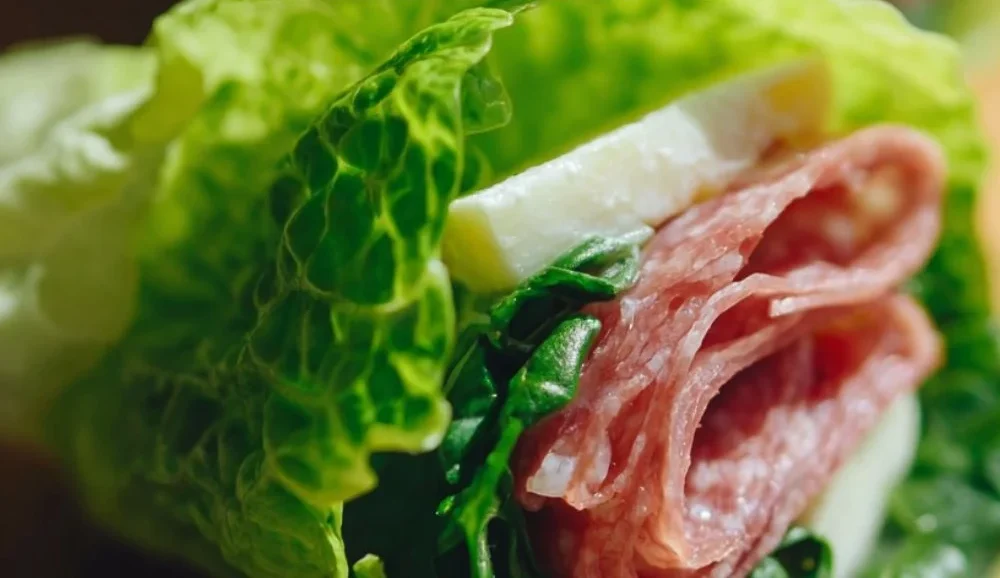
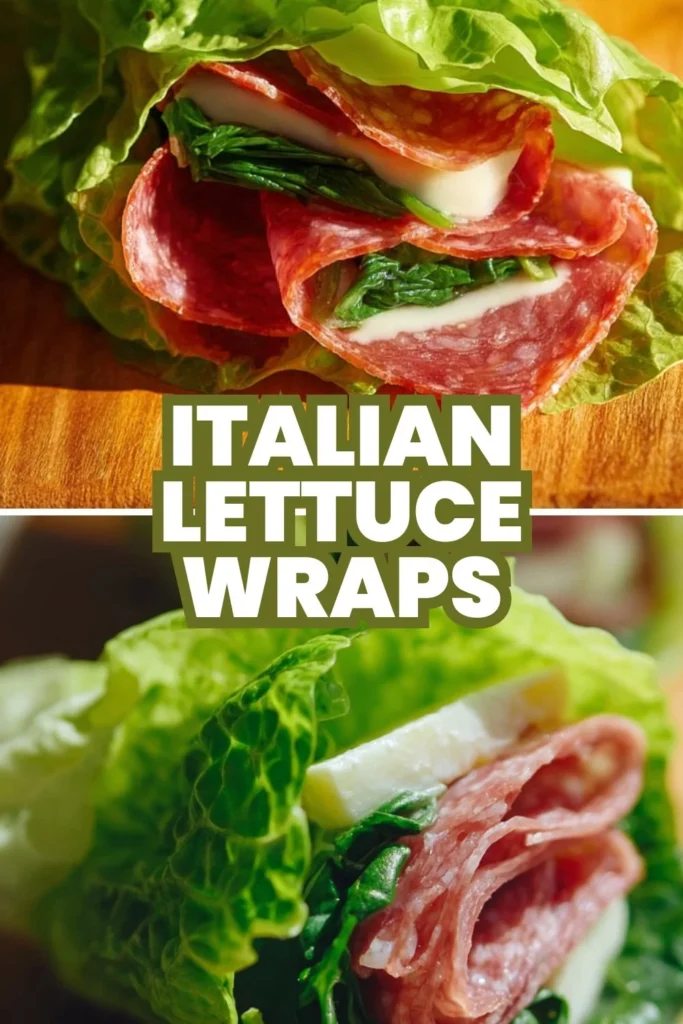
Each ingredient plays a clear role. The crunchy iceberg lettuce is the structural element, offering a neutral, cooling backdrop and a satisfying snap that keeps the wraps feeling fresh. Pepperoni and salami bring the savory, spiced, and salty notes that make the experience unmistakably “Italian-sub-inspired.” Smoked Gouda contributes a creamy, slightly sweet, smoky depth that rounds out the sharper cured meats. The optional mustard or mayo is about accent: a little acidity or cream softens the edges and ties everything together.
Choosing simple, mindful ingredients matters because you’re relying on a few elements to deliver an entire flavor profile. Quality here beats quantity. With intact textures and thoughtful portions, the combination achieves balance through complementarity — the lettuce lightens, the cured meats satisfy the craving for savory fat, and the cheese adds satisfying richness. No single component needs to be minimized; they just need to be used in harmony.
Directions
- Take a large leaf of iceberg lettuce and lay it flat., 2. Place thick slices of pepperoni, salami, and smoked Gouda in the center of the lettuce leaf., 3. Optionally, add mustard or mayo on top., 4. Carefully wrap the lettuce around the fillings., 5. Secure with a toothpick if needed, and enjoy your low carb lunch!
Around those steps, a few practical cues make assembly easier and the result more reliable. Use the largest, whole outer leaves of the head of iceberg — they’re broad enough to hold the fillings and have a sturdy midrib that helps the wrap keep its shape. If a leaf is veiny or small, overlap two to form a more stable base. Place your fillings off-center toward the fold you’ll use to roll, which prevents loose edges and creates a tight roll.
When placing the meats and cheese, aim for even coverage rather than stacking everything in a single clump; this promotes balance in every bite. If you add a smear of mustard or mayo, less is more — a thin swipe keeps the lettuce from getting soggy and allows the flavors of the meats and cheese to shine. Rolling should be gentle but purposeful: fold the bottom up, then roll the sides in and continue until sealed. A toothpick helps when you’re serving multiple wraps or packing them to go.
As you work, check for a crisp edge on the lettuce and a slight bend to the cheese — too-sliced cheese can slip out, and overfilled wraps become unwieldy. These are small signs that tell you the assembly is coming together properly.
The role of preparation in keeping this dish light
Preparation here is less about cooking technique and more about small handling choices that influence texture and perception. Chilling the lettuce before assembling preserves the crisp snap that convinces your brain this is a fresh, light meal. Slicing the Gouda to a medium thickness prevents it from melting into a heavy smear while still offering a creamy bite. Even the way you arrange the cured meats — slightly fanned rather than stacked — changes mouthfeel and perception of density.
Technique matters because it determines whether the meal will feel airy and clean or heavy and clumsy. Quick chilling, neat slicing, minimal sauce, and a confident roll are the sorts of techniques that let each ingredient do its job without weighing down the overall plate. In short, lightness is often the result of thoughtful prep rather than the elimination of enjoyable components. When you place care into how you prepare and assemble, you keep the meal satisfying and balanced.
Simple ways to adjust without losing balance
If you want to personalize these wraps, there are gentle tweaks that respect the spirit of the recipe without changing its structure. Swap the iceberg for butter lettuce if you prefer a more tender leaf — it will be softer but still light. Add a few fresh basil leaves or arugula for a peppery edge, or a thin ring of red onion for brightness. If you like a little more acidity, a few drops of red wine vinegar or a paper-thin slice of tomato will lift the profile.
Flavor-forward adjustments that keep the dish light include using a mustard with grain for texture, or a light drizzle of olive oil and lemon instead of mayo for a Mediterranean lift. If you want a warm element, briefly searing the salami in a hot pan for 20–30 seconds per side can release aromatics without making the wrap heavy. These are conceptual tweaks — they don’t change the core ingredients or steps, but they help the wraps feel tailored to your preferences while maintaining balance.
Pairing ideas for a complete, well-rounded meal
To make a full plate without excess, pair the wraps with sides that emphasize freshness and contrast. A simple green salad dressed in lemon and olive oil mirrors the wraps’ lightness and adds variety. Roasted or grilled vegetables — think asparagus, bell peppers, or zucchini — lend a warm texture that complements the cold wraps. A small cup of a legume-based salad (white beans with herbs and garlic) adds a bit more substance if you need extended staying power.
For texture contrast, consider a handful of marinated olives or a cucumber and tomato salad. If you’re serving a group, a small board of pickled vegetables and whole-grain crackers creates options without tipping the meal into heaviness. The idea is to build a plate where each component is intentional: something crisp, something bright, something warm, and a modest protein element — rather than loading up on multiple heavy sides.
Storage, leftovers, and next-day enjoyment
These wraps are best eaten fresh, when the lettuce is at its crispiest. If you need to store leftovers, separate the lettuce from the fillings and keep them in airtight containers. Place the meats and cheese on a flat container and keep the lettuce leaves wrapped loosely in paper towels inside a plastic bag or container in the fridge; the paper towel helps absorb excess moisture and preserve crunch. Stored this way, components will last a day or two.
If you’ve already assembled the wraps and they soften, re-separating and refreshing the leaves is an easy fix: transfer fillings to a cold plate and use new or chilled lettuce leaves for reassembly. Reheating isn’t generally necessary unless you briefly seared a component — in that case, warm the meat in a skillet for a few seconds and reassemble. For packed lunches, keep condiments in a small separate container to prevent sogginess until you’re ready to eat.
Common questions about lighter everyday cooking
How do you balance portion sizes without feeling deprived? Focus on satisfying combinations — here, a little cured meat and cheese go a long way when combined with crisp lettuce. The key is to pair concentrated flavors with light-volume elements so you feel full without overeating. How do you keep repeat meals interesting? Rotate small accents — a different cheese, an herb, or a quick char on the salami — rather than overhauling the whole dish.
What about meal planning and batch prep? Pre-slice meats and cheese, and store leaves properly, then assemble when needed. That keeps presentation fresh and avoids soggy outcomes. And how do lighter meals feel satisfying for the whole family? Serve them alongside one or two heartier options — roasted potatoes or a grain salad — so everyone can build their plate to the level of satiety they prefer. The point is flexibility: light meals should adapt to appetite and occasion, not force a single approach.
Final thoughts from Daniel
These Italian Lettuce Wraps are a practical, flavor-forward way to enjoy familiar tastes while keeping the overall meal feeling lighter and more refreshing. They illustrate my approach to everyday cooking: focus on quality ingredients, make simple, deliberate choices in preparation, and let balance come from combination rather than restriction. Keep the process easy, respect textures, and don’t be afraid to adapt small details to suit your palate.
If a recipe helps you eat with less thinking and more enjoyment, it earns a spot in rotation. Try them on a busy weeknight, bring them to a casual lunch, or assemble a few for a relaxed snack. They’re forgiving, quick, and satisfying — and that’s exactly what I look for in meals that are meant to be part of everyday life.
Conclusion
If you want a version that emphasizes keto-friendly swaps and assembly tips, this Easy Keto Italian Lettuce Wrap recipe has practical variations worth skimming. For inspiration on adding an aioli or a tangy pepperoncini element, see the take on an Italian sub with a pepperoncini aioli at Italian Sub Lettuce Wraps with Pepperoncini Aioli. And for another simple, approachable keto-style “sub” lettuce wrap perspective, check out the straightforward recipe at Keto Italian “Sub” w/ Lettuce Wrap.
Italian Lettuce Wraps
Ingredients
Method
- Take a large leaf of iceberg lettuce and lay it flat.
- Place thick slices of pepperoni, salami, and smoked Gouda in the center of the lettuce leaf.
- Optionally, add mustard or mayo on top.
- Carefully wrap the lettuce around the fillings.
- Secure with a toothpick if needed, and enjoy your low carb lunch!