Greek Lemon Chicken and Orzo
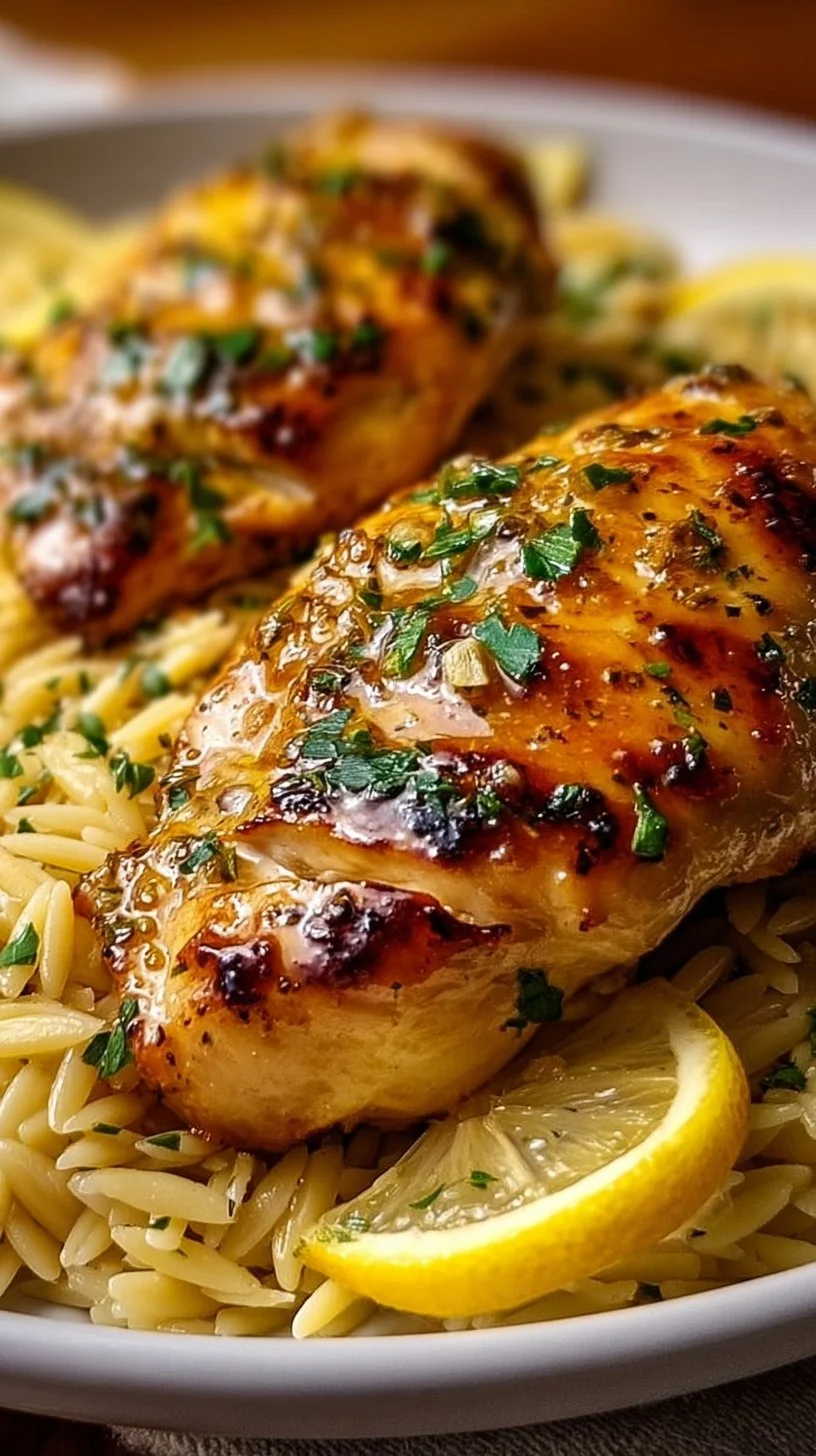
This Greek Lemon Chicken and Orzo is the kind of everyday dinner that feels thoughtfully balanced without any fuss. It brings together bright citrus, tender chicken, creamy orzo, and a little salty feta to create a meal that settles you in without weighing you down. It’s straightforward enough for weeknights, flexible enough to pack for lunches, and friendly to repeat cooking when you want something dependable in rotation. If you like the idea of a quick skillet dinner that centers grains and protein, you might also enjoy this one-pan chicken sausage and orzo as another way to use orzo in a single pan.
As someone who cooks for regular life, I appreciate recipes that deliver flavor through simple techniques and honest ingredients. This dish fits: it’s about searing, simmering, and finishing with fresh lemon and herbs so you get both comfort and lift in every bite.
How this recipe fits into a balanced lifestyle
This recipe supports balance by combining protein, a grain, healthy fat, and fresh elements so a single plate feels complete. Rather than treating “light” as empty or austere, the approach here is about portion sense and ingredient quality — use a modest amount of cream and a little feta for richness, while relying on lemon, parsley, and broth to keep things fresh. That kind of balance makes the meal satisfying and sustainable across a busy week.
It’s practical: the technique is familiar (sear, simmer, finish), so it’s easy to execute without stress. It also slots into a varied weekly routine — pair it with a leafy salad one night, use leftovers over roasted vegetables for lunch the next day, or stretch the chicken into wraps. The point is not restriction; it’s about making choices that keep food enjoyable and consistent with everyday energy needs.
How to make Greek Lemon Chicken and Orzo
At its heart, the cooking flow is simple: season and sear the chicken, simmer the orzo in flavorful broth in the same pan, finish with cream and lemon, and return the sliced chicken to the pan to meld everything together. Where simplicity matters most is in managing heat and timing — a steady medium heat for a good sear, and a simmer for the orzo so it cooks evenly without clumping.
Think of the recipe as three clear stages:
- Build flavor at the start by seasoning and getting a golden crust on the chicken.
- Use the fond (those browned bits left in the pan) as a base for simmering the orzo in broth so the grain absorbs more savory depth.
- Finish with gentle heat to enrich the dish with cream and lemon, then fold in herbs and feta for freshness and contrast.
Don’t overthink it: a reliable thermometer for the chicken (targeted internal temp is given in the directions) and a quick taste for seasoning when the orzo is done will keep you on track. For other creamy, one-pan comfort ideas that use a similar rhythm, you can refer to this creamy chicken and rice to see how minimal steps yield comforting results.

Ingredients
4 boneless skinless chicken breasts, 1 tablespoon olive oil, 1 teaspoon dried oregano, 1 teaspoon garlic powder, 1 teaspoon onion powder, 1 teaspoon salt, 1/2 teaspoon black pepper, 1 tablespoon fresh lemon juice, 1 tablespoon lemon zest, 3 cups chicken broth, 1 cup orzo pasta, 1/4 cup chopped fresh parsley, 1/4 cup crumbled feta cheese, 1/2 cup heavy cream
Each ingredient has a clear role in the finished dish:
- 4 boneless skinless chicken breasts: The main protein — lean and versatile. Keeping the breasts skinless helps the dish feel lighter and keeps cooking straightforward.
- 1 tablespoon olive oil: For searing. Olive oil gives a gentle, flavorful browning without overwhelming the pan.
- 1 teaspoon dried oregano: An herb that nods to Greek flavors and pairs naturally with lemon and olive oil.
- 1 teaspoon garlic powder & 1 teaspoon onion powder: Simple, pantry-friendly aromatics that boost savory depth without extra prep.
- 1 teaspoon salt & 1/2 teaspoon black pepper: Foundational seasoning — small measures applied thoughtfully are how everyday cooking becomes reliably tasty.
- 1 tablespoon fresh lemon juice & 1 tablespoon lemon zest: Two forms of lemon deliver both acidity and fragrant citrus oils; zest brightens while juice balances richness.
- 3 cups chicken broth: The cooking liquid for the orzo that infuses the grain with flavor — using broth instead of water keeps the base savory so you need less added fat for richness.
- 1 cup orzo pasta: A small, rice-shaped pasta that cooks quickly and picks up sauce well — it’s a satisfying base that doesn’t feel heavy when portioned appropriately.
- 1/4 cup chopped fresh parsley: Fresh herbs add lift and color at the end, making each bite feel lighter.
- 1/4 cup crumbled feta cheese: Salty, tangy finishing cheese that gives contrast and umami; used sparingly, it punches up flavor without dominating.
- 1/2 cup heavy cream: A modest amount adds silkiness to the orzo, making the mouthfeel comforting without turning the whole dish rich. It’s about texture, not excess.
Mindful ingredient choices matter because balance often comes from how components work together: a little cream plus lemon and herbs equals a satisfying texture and brightness, so you don’t need heavier sauces or extra sides to feel fulfilled.
Directions
Heat a large skillet over medium heat. , Add the olive oil to the skillet and swirl to coat the bottom. , Season both sides of the chicken breasts with the oregano, garlic powder, onion powder, salt, and black pepper. , Place the seasoned chicken breasts in the skillet and cook for about 6-7 minutes per side, or until the chicken reaches an internal temperature of 165°F (74°C). , Remove the chicken breasts from the skillet and set them aside on a plate. , In the same skillet, add the chicken broth and bring it to a simmer. , Add the orzo pasta to the simmering broth and cook according to the package instructions, usually about 8-10 minutes, stirring occasionally. , While the orzo is cooking, finely chop the fresh parsley. , Once the orzo is cooked, reduce the heat to low and stir in the heavy cream. , Add the lemon juice and lemon zest to the orzo mixture, stirring to combine. , Slice the cooked chicken breasts into thin strips. , Add the sliced chicken back to the skillet, stirring to mix with the orzo. , Sprinkle the chopped parsley and crumbled feta cheese over the top of the chicken and orzo. , Serve immediately, garnishing with extra parsley and feta if desired.
Supportive guidance around those steps:
- Searing the chicken: Look for even golden-brown color before flipping. That crust is not just for looks — it creates flavor in the pan that becomes the base for the orzo. Don’t rush the sear by crowding the pan; work in batches if necessary.
- Cooking the orzo: After adding the broth, keep the heat at a simmer so the orzo cooks evenly. Stir occasionally to prevent sticking, and check for tenderness near the low end of the package time — orzo can go from al dente to soft quickly.
- Finishing with cream and lemon: Reduce the heat before adding the cream to prevent splitting. The lemon juice and zest should brighten the mixture; taste and adjust so the citrus complements rather than overwhelms.
- Reuniting chicken and orzo: Slice the chicken thinly so it warms through quickly when it returns to the skillet. When stirring the chicken in, you’re aiming for the pieces to be coated and warmed, not broken apart.
- Final check: A quick taste for salt, acid, and herb balance will tell you if the dish is ready. Add a pinch of salt or more lemon if it needs a lift; the feta adds salt, so factor that in before adding more.
The role of preparation in keeping this dish light
Technique matters here as much as ingredients. A good sear develops flavor without adding heavy sauces, and simmering grains in broth means the orzo absorbs savory notes so you need less fat for richness. Finishing with a measured amount of cream creates silkiness without making the whole dish overly dense.
Small choices change how “heavy” a meal feels: slicing the chicken thin helps distribute protein across the plate so smaller portions feel more satisfying, and adding bright components — lemon zest, lemon juice, and parsley — cuts through richness and keeps each bite lively. These are practical moves that make a meal feel lighter while preserving comfort.
Simple ways to adjust without losing balance
You can personalize this dish without changing its core:
- More herbs: Increase parsley or add dill for a fresher finish. Herbs add volume and brightness with virtually no calories.
- Make it lighter: Reduce the heavy cream slightly and use an extra splash of broth or a touch more lemon to preserve texture and lift.
- Add vegetables: Stir in baby spinach or chopped zucchini toward the end of the orzo cooking time for color, fiber, and a green note.
- For more tang: Increase the lemon zest (not just juice) — zest amplifies citrus aroma without adding more acidity.
- For more richness: Keep the cream amount but use a higher-quality olive oil when searing for flavor nuance rather than fat alone.
These are conceptual tweaks only; the ingredient list and steps stay the same. The idea is to adjust balance by swapping emphasis (herbs, lemon, veg) rather than overloading any single element.
Pairing ideas for a complete, well-rounded meal
Think texture and temperature contrast: a crisp salad or roasted vegetables are natural partners.
- A simple cucumber and tomato salad with red onion, a drizzle of olive oil, and a pinch of oregano adds crunch and acidity.
- Roasted asparagus or green beans provide a satisfying snap and a toasty flavor counterpoint to the creamy orzo.
- For a heartier plate, a platter of charred peppers and eggplant will complement the lemony profile and can be served warm or at room temperature.
If you want inspiration for different one-pot preparations that could sit alongside or in rotation with this recipe, check out this savory Cajun chicken alfredo orzo which shows another way to play with spices and textures while keeping the weeknight workflow simple.
Storage, leftovers, and next-day enjoyment
This dish stores well because the components hold their texture when refrigerated. Cool it to room temperature within two hours, transfer to an airtight container, and keep in the fridge for up to 3–4 days. If you expect to have leftovers for more than that, freeze in portions without the fresh parsley and add it when reheating.
Reheating tips:
- Stovetop: Warm gently in a skillet over low heat with a splash of broth or water to loosen the orzo and prevent dryness.
- Microwave: Heat in short bursts, stirring between intervals, and add a teaspoon of liquid if it seems dry.
- Avoid overcooking: The big risk with leftovers is drying out the chicken or making the orzo gummy. Low, gentle heat and a little liquid are your friends.
Leftovers also adapt well into new meals: fold the chicken and orzo into warm greens, use as a filling for whole-grain pita with extra parsley, or serve chilled as a room-temperature grain salad with a squeeze more lemon.
Common questions about lighter everyday cooking
Q: How much chicken per person is reasonable here?
A: One chicken breast per two people can be enough when served with orzo and sides; portioning depends on appetite and what else is on the plate. Think in terms of balance rather than strict rules.
Q: How can I avoid the orzo getting mushy?
A: Keep the simmer gentle and follow package times, checking early. Stir occasionally and drain promptly if it finishes before the broth is fully absorbed.
Q: Can I skip the cream and still have a satisfying texture?
A: Yes — you can reduce or omit the cream and use a little extra broth plus a finishing drizzle of olive oil; lemon zest and parsley will keep it bright and satisfying.
Q: How do I keep repeat meals interesting?
A: Small tweaks — different herbs, a sprinkle of toasted nuts, or swapping feta for another cheese — can refresh the dish without changing the core method.
Final thoughts from Daniel
Cooking this Greek Lemon Chicken and Orzo is a reminder that simple mechanics and thoughtful ingredients can produce a meal that feels both comforting and light. Let the lemon and herbs do the lifting, rely on a steady sear for flavor, and use modest amounts of richer elements to create texture without excess. Make it part of your rotation — it’s the kind of recipe that pays back effort with reliable pleasure.
Cook with a calm mindset: taste as you go, adjust small details, and focus on balance rather than perfection. When meals feel both nourishing and enjoyable, they naturally become the ones you return to again and again.
Conclusion
For a soup-forward take with similar flavors, see this comforting Greek Lemon Chicken & Orzo Soup which leans into broth and lemon. If you’re curious about a baked twist that riffs on the same flavor profile, try this casserole variation on Greek Lemon Chicken and Orzo Casserole. And for another one-skillet interpretation that swaps pasta for rice and plays with bold seasonings, take a look at this One Skillet Greek Lemon Chicken and Rice to spark ideas for your next weeknight.
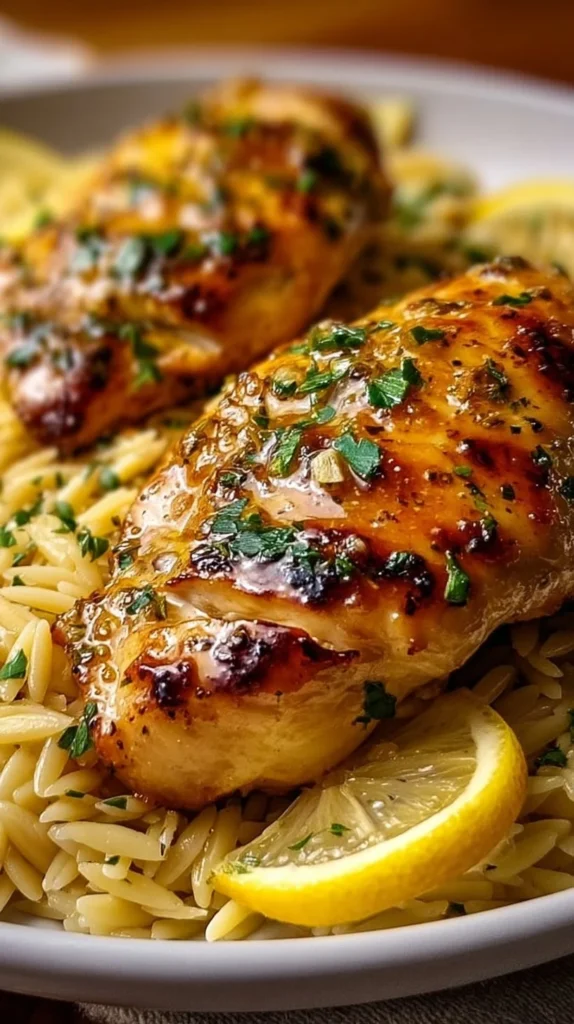
Greek Lemon Chicken and Orzo
Ingredients
Method
- Heat a large skillet over medium heat.
- Add the olive oil to the skillet and swirl to coat the bottom.
- Season both sides of the chicken breasts with oregano, garlic powder, onion powder, salt, and black pepper.
- Place the seasoned chicken breasts in the skillet and cook for about 6-7 minutes per side, or until the chicken reaches an internal temperature of 165°F (74°C).
- Remove the chicken breasts from the skillet and set them aside on a plate.
- In the same skillet, add the chicken broth and bring it to a simmer.
- Add the orzo pasta to the simmering broth and cook according to the package instructions, usually about 8-10 minutes, stirring occasionally.
- Once the orzo is cooked, reduce the heat to low and stir in the heavy cream.
- Add the lemon juice and lemon zest to the orzo mixture, stirring to combine.
- Slice the cooked chicken breasts into thin strips.
- Add the sliced chicken back to the skillet, stirring to mix with the orzo.
- Sprinkle the chopped parsley and crumbled feta cheese over the top.
- Serve immediately, garnishing with extra parsley and feta if desired.