Creamy Vegan Sun-Dried Tomato Pasta
Introduction
Hello — I’m Carla Carter, founder and recipe developer at RecipesCabin. I created this Creamy Vegan Sun-Dried Tomato Pasta for home cooks who want something comforting, flavorful, and reliably simple. If you’re new to plant-based cooking, returning after a few kitchen mishaps, or just looking for a dependable weeknight meal, this is for you. The recipe uses familiar ingredients and straightforward techniques, so you can focus on learning the rhythm of a recipe without feeling overwhelmed.
What makes this dish friendly is how forgiving it is: it doesn’t require exact measurements beyond the basics, and the sauce is blended rather than emulsified on the stove, which makes texture control much easier. I’ll walk you through what to expect at every stage, what to watch for, and how to correct common little detours. Think of me as standing beside you at the stove, guiding you through each step so you can finish with a plate you’re proud of.
Why this recipe is easy to get right
This recipe is forgiving in several ways. First, the creamy base is made in a blender from soaked or raw cashews and water — that means the sauce can be smoothed out visually and texturally by blending longer if needed. Blending is a forgiving technique: if the sauce looks grainy at first, a few extra seconds and a quick scrape of the pitcher usually finishes it. Second, the sun-dried tomatoes provide a strong, concentrated flavor, so a little goes a long way. That helps hide small seasoning missteps.
The pasta stage is straightforward: follow package cooking times and drain — no tricky timing like al dente pasta finished in a simmering sauce is required here. Finally, the recipe is tolerant of small timing issues. If your sauce needs a moment to warm through or your pasta is done before the sauce, it’s easy to combine them and give a gentle toss to marry everything together. In short: this recipe is built to teach you texture, seasoning, and simple stove-to-table timing without the pressure.
How to make Creamy Vegan Sun-Dried Tomato Pasta
Overall process: cook your pasta, blend the sauce, heat the sauce gently, combine pasta and sauce, then serve. That’s it — simple sequence, clear checkpoints.
What happens first: bring a pot of water to a rolling boil, salt it, and cook the pasta according to the package. This cooks the carbohydrate base and gives you time to blend the sauce. Look for pasta that’s tender but still has a little bite (package time is a good guide). Drain and set aside.
Next: blend cashews, water, sun-dried tomatoes, garlic, salt, and pepper until smooth. You’re creating a velvety, creamy sauce without dairy. If the sauce looks too thick after blending, a splash more water can help — don’t overthink it; you want a scoopable, silky consistency.
Then: heat the sauce in a large pan over medium heat. You’re not trying to boil it hard — just warm it through so the flavors open up and any raw garlic mellows slightly. A few stirs and a gentle simmer are all you need.
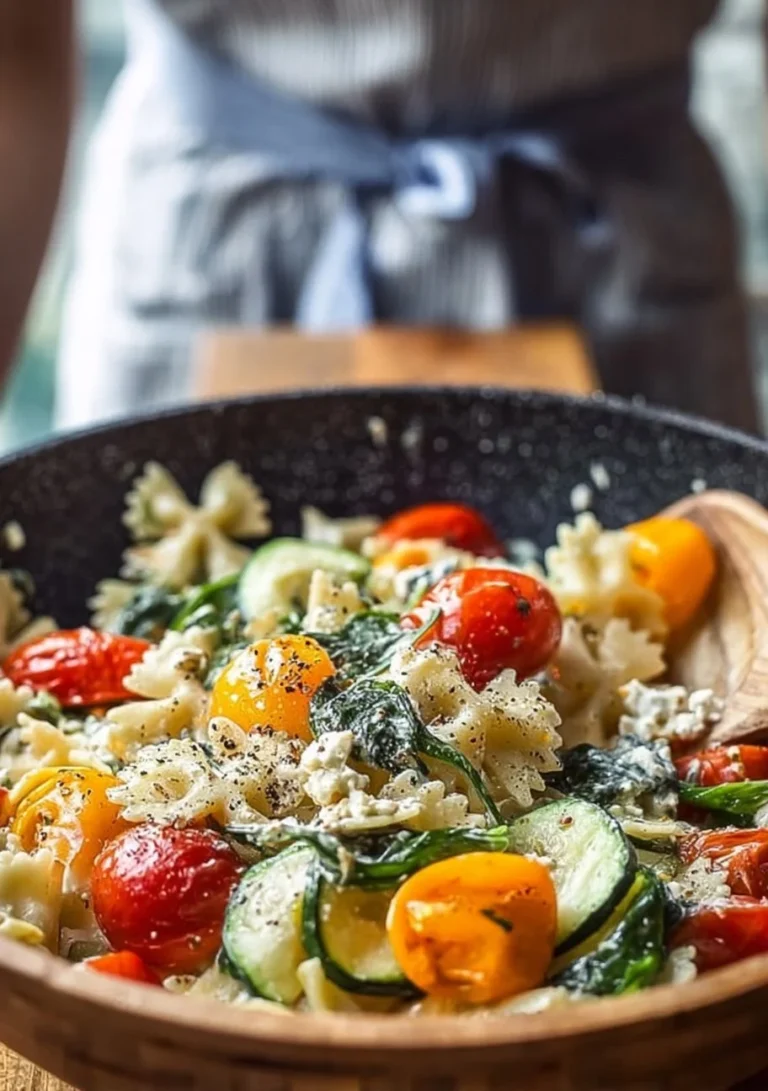
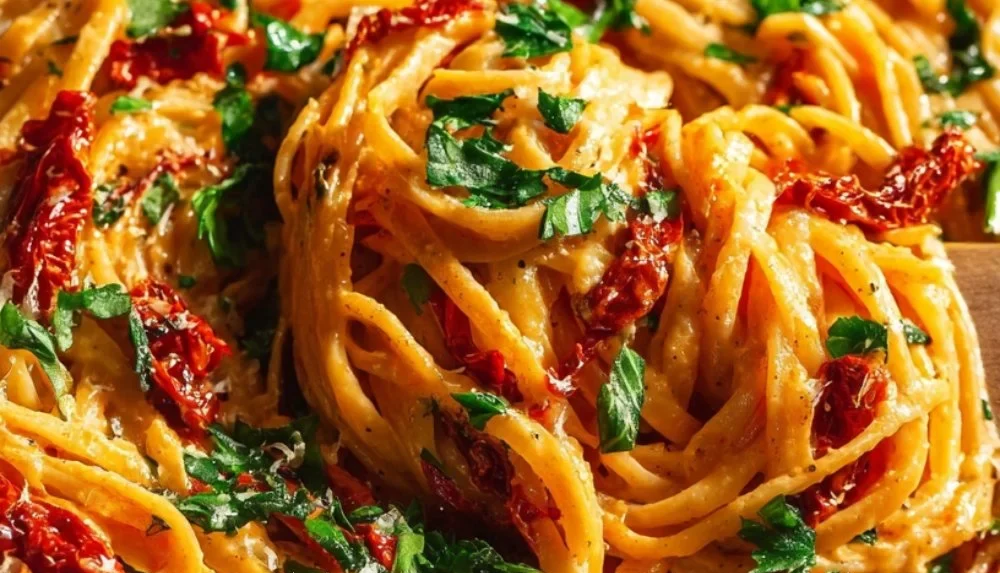
Finally: add the cooked pasta and toss. The sauce should coat each strand or shape. Taste, adjust salt and pepper if you need to, and serve with fresh basil and optional garnishes. Beginners should slow down at the blending and final seasoning steps — that’s where texture and taste are decided.
Ingredients
8 oz pasta of choice, 1 cup raw cashews, 1 cup water, 1 cup sun-dried tomatoes (packed in oil, drained), 2 cloves garlic, Salt and pepper to taste, Fresh basil for garnish, Vegan parmesan for garnish (optional), Red pepper flakes for garnish (optional)
- 8 oz pasta of choice: This is your base. Any shape works — long noodles like spaghetti or fettuccine and short shapes like penne or fusilli will all hold the creamy sauce. Pasta cooks quickly and is familiar, which keeps the recipe approachable.
- 1 cup raw cashews: Cashews are the secret to the creaminess. When blended with water they become a rich, dairy-free cream that feels indulgent without being heavy. Raw cashews are easy to find and blend smoothly.
- 1 cup water: This loosens the cashew cream to a sauce consistency. It’s neutral, so the sun-dried tomatoes and garlic get center stage.
- 1 cup sun-dried tomatoes (packed in oil, drained): These bring a deep, tangy tomato flavor that’s concentrated and bright. Because they’re packed in oil, they’re soft and fragrant, which helps the blender create a smooth sauce.
- 2 cloves garlic: Garlic brings warmth and savory depth. When blended and then heated, it mellows and becomes part of the sauce backbone.
- Salt and pepper to taste: Simple seasoning that brings the flavors together. Salt enhances the tomatoes and cashews; pepper adds a gentle peppery note.
- Fresh basil for garnish: Adds a fresh, aromatic finish that brightens the dish when scattered on top.
- Vegan parmesan for garnish (optional): A savory, cheesy note without dairy. Optional, but a nice finishing touch.
- Red pepper flakes for garnish (optional): For a bit of heat if you’d like a spicy kick. Optional and adjustable.
None of these ingredients are intimidating. Many are pantry staples or easy to find, and together they create a balanced sauce that’s creamy, tangy, and satisfying.
Directions
- Cook the pasta according to package instructions. Drain and set aside., 2. In a blender, combine cashews, water, sun-dried tomatoes, garlic, salt, and pepper. Blend until smooth and creamy., 3. In a large pan over medium heat, pour the sauce and heat through., 4. Add the cooked pasta to the sauce and toss to combine., 5. Serve immediately, garnished with fresh basil, vegan parmesan, and red pepper flakes if desired.
Supportive guidance around the steps:
Step 1 — Cook the pasta: Watch the water as it boils; a steady rolling boil cooks pasta evenly. Add a generous pinch of salt once the water boils — you’ll taste the difference. Check pasta a minute or two before the lower end of the package time: it should be tender when bitten but still slightly firm in the center (if you’re nervous, drain a small piece and taste). Drain the pasta and set it aside briefly while you warm the sauce. If the pasta sits a little longer, toss it with a teaspoon of oil to prevent sticking.
Step 2 — Blend the sauce: Add all listed sauce ingredients to the blender. Start on low and build up speed, stopping to scrape down the sides if needed. You’re looking for a glossy, smooth texture — think of heavy cream or a thick milkshake. If the mixture clings to the blender walls and is hard to move, add a splash more water and blend again. If your blender struggles, pulse and then run on high for a longer stretch; patience here solves most problems.
Step 3 — Heat the sauce: Use a large pan so there’s room to toss the pasta later. Medium heat is enough — you want steam and gentle bubbling at the edges, not a rolling boil. Stir occasionally. This brief warming opens up the sun-dried tomato flavor and takes the raw edge from the garlic. If the sauce separates or seems too thin, a minute or two of gentle heat and stirring will bring it back together.
Step 4 — Combine pasta and sauce: Add the drained pasta to the pan and fold it into the sauce with tongs or a sturdy spoon. The goal is even coating. If it feels too thick, a splash of the pasta cooking water (if you saved some) or an extra tablespoon of water will loosen it. If it’s too loose, cook a bit more, stirring, until it clings to the pasta.
Step 5 — Serve and garnish: Serve immediately so the sauce stays glossy and the basil is bright. Sprinkle fresh basil, optional vegan parmesan, and red pepper flakes to taste. Small imperfections — a sauce slightly thinner than you expected or a few pasta strands clumping — won’t affect the overall deliciousness. Adjusting seasoning right at the end is a normal and helpful step.
Key techniques you’ll practice in this recipe
- Boiling pasta to the right texture: This is a foundational kitchen skill. You’ll learn to judge doneness by sight and taste rather than timing alone.
- Blending for texture: Learning how long to blend and when to add a bit more liquid teaches you control over sauce consistency — a transferable skill for soups, smoothies, and other dairy-free sauces.
- Gentle heating: Warming a sauce without breaking it is a small-handed tool that translates to many recipes; watch for gentle steaming rather than aggressive boiling.
- Tossing pasta and sauce: Learning to combine ingredients so the sauce evenly coats pasta is useful for nearly all pasta dishes and one-pot meals.
Each of these techniques is low pressure and high return: practicing them here will boost your confidence with other recipes.
Common mistakes and how to avoid them
- Mistake: Pasta sticking together after draining. Fix: Toss the drained pasta with a small splash of oil or a little sauce immediately; or combine in the warm pan quickly. This avoids clumping and creates a smoother final dish.
- Mistake: Grainy or lumpy sauce from under-blended cashews. Fix: Blend longer and scrape the blender sides. If you don’t have a powerful blender, soak the cashews in hot water for 15–20 minutes first to soften them (this isn’t a change to the recipe but a technique you can use).
- Mistake: Sauce too thin or too thick. Fix: Thin sauce with a tablespoon or two of water or reserved pasta water; thicken by simmering gently while stirring. Small changes here make a big difference, so add liquids slowly.
- Mistake: Overheating the sauce (causing separation). Fix: Keep heat to medium and stir; if separation happens, whisk briefly off the heat and a splash of water can help bring it back.
- Mistake: Bland final flavor. Fix: Taste before serving and add salt or pepper carefully; a squeeze of lemon or a pinch of red pepper flakes (optional) can brighten a flat sauce.
If something goes off track — for example, the sauce looks grainy — remember that blending longer or warming gently usually rescues texture. You don’t need to start over.
How to adjust confidently without changing the recipe
- Portion scaling: To serve more people, scale the ingredients proportionally. A simple approach is to double everything for a family of four. Keep an eye on blender capacity; if doubling, blend in two batches for best texture.
- Flavor preference adjustments: If you like more tang, add an extra half cup of sun-dried tomatoes (but be cautious — they’re strong). Prefer garlic forward? Add another clove or press it through the blender a touch more. For heat, use a pinch more red pepper flakes when serving.
- Texture tweaks: If you want a looser sauce for a silky finish, add 1–2 tablespoons more water after blending. For a thicker, more clingy sauce that sticks to pasta, blend a touch less water or let the warmed sauce reduce slightly in the pan.
These are concepts rather than new steps: small adjustments at the blending and finishing stages let you control outcome without changing the recipe itself.
Serving, storage, and reheating made simple
Serving: This pasta is best hot and fresh, garnished with torn fresh basil and optional vegan parmesan and red pepper flakes. A simple side salad or steamed greens pairs nicely if you want a complete meal.
Storage: Cool leftovers to room temperature within an hour, then transfer to an airtight container and refrigerate for up to 3–4 days. The sauce and pasta will continue to absorb flavors, so seasoning might mellow over time.
Reheating: The key is gentle warmth. Reheat on the stove over low heat with a splash of water or plant milk to loosen the sauce, stirring frequently until warmed through. Microwaves work too — heat in short intervals, stirring between bursts, and add a teaspoon or two of water to restore creaminess. Avoid very high heat, which can dry the pasta or cause the sauce to separate.
Questions new cooks often ask about this recipe
- Timing concerns: How long will this take? Plan for 20–30 minutes total once you’re set up. Boiling the pasta and blending are the two main time pieces. If you need extra prep time, you can blend the sauce ahead and refrigerate for a few hours.
- Equipment questions: Do I need a high-speed blender? A decent blender is helpful but not mandatory. If your blender is less powerful, soak cashews briefly in hot water to soften, blend in batches, and be patient with scraping and re-blending.
- Is it normal if the sauce looks grainy at first? Yes — that usually means it needs a bit more blending or a touch more liquid. Small texture issues are easily fixed by blending longer or adding water gradually.
- What if my pasta finishes before the sauce? No problem. Drain it, toss lightly with oil to prevent sticking, and keep it warm. The sauce can be heated and combined when ready.
- Can I make this nut-free? This recipe uses cashews for creaminess, so for a nut-free version you’d need a different creamy base — that’s a departure from the recipe, so I suggest trying this version first to learn the technique before experimenting.
Final encouragement from Carla
You don’t need perfect tools or years of experience to make this Creamy Vegan Sun-Dried Tomato Pasta taste wonderful. Small adjustments — a little more water, another shake of salt, a few extra seconds of blending — are normal and expected. Cooking is a practice; each time you make the recipe you’ll notice little improvements. If something goes slightly differently than planned, it’s rarely a disaster — more often it’s a learning moment that helps the next attempt go even better.
Enjoy the process. Taste as you go. And remember that a simple, home-cooked meal that nourishes you and others is always a success, regardless of tiny imperfections.
Conclusion
If you’d like another take on a creamy, sun-dried tomato pasta to compare techniques, I find the version at Vegan Creamy Sun Dried Tomato Pasta – Jackfruitful Kitchen helpful for ideas. For a similarly rich plant-based sauce with slightly different flavors, see Creamy Vegan Marry Me Pasta | It Doesn’t Taste Like Chicken. And for one more perspective on texture and presentation, check Vegan Creamy Sundried Tomato Pasta – Naturallie Plant-Based.
Creamy Vegan Sun-Dried Tomato Pasta
Ingredients
Method
- Cook the pasta according to package instructions. Drain and set aside.
- In a blender, combine cashews, water, sun-dried tomatoes, garlic, salt, and pepper. Blend until smooth and creamy.
- In a large pan over medium heat, pour the sauce and heat through.
- Add the cooked pasta to the sauce and toss to combine.
- Serve immediately, garnished with fresh basil, vegan parmesan, and red pepper flakes if desired.