Cinnamon Roll French Toast Roll-Ups
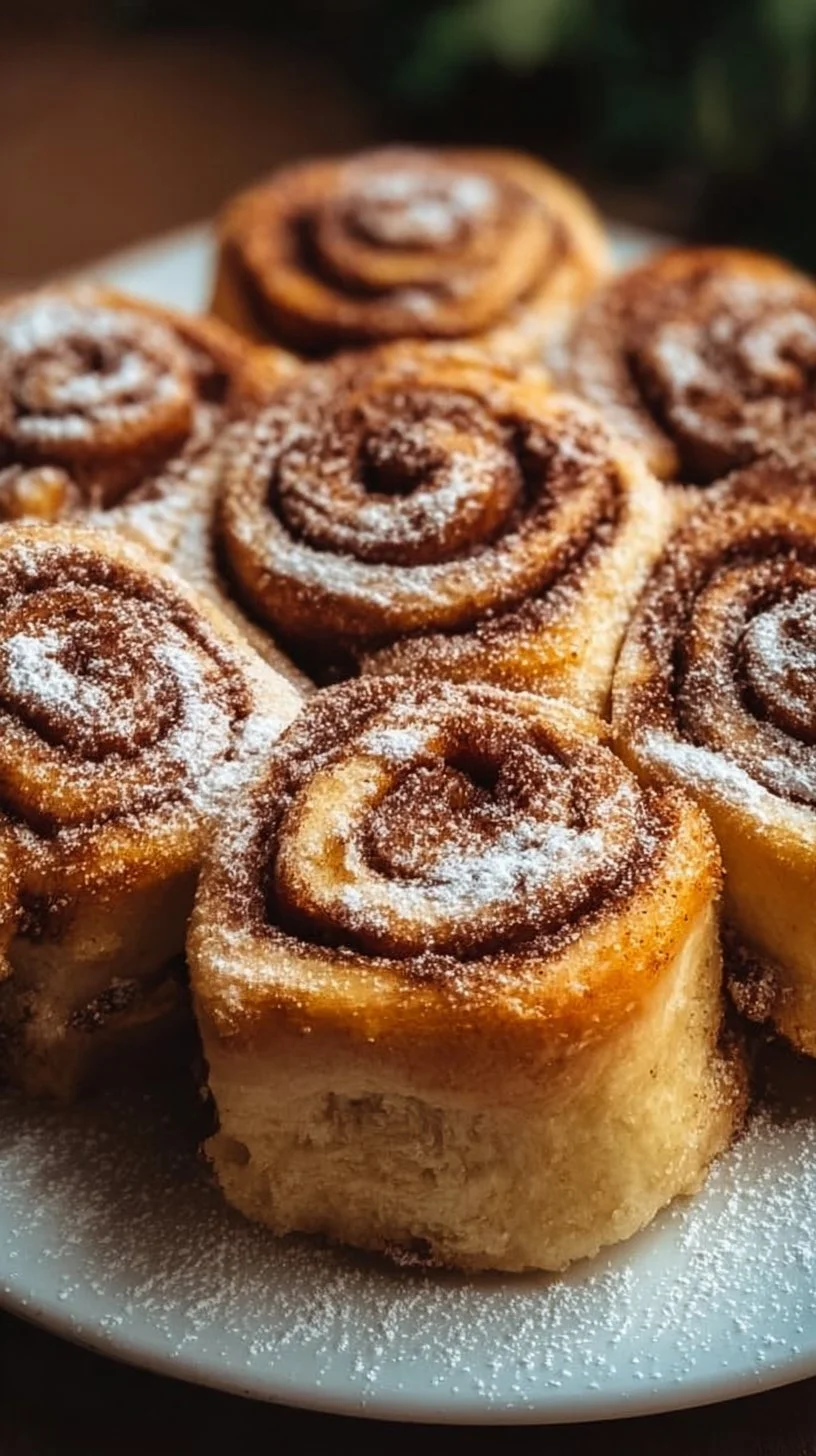
Cinnamon Roll French Toast Roll-Ups are one of those recipes that feel like a small celebration but are simple enough for an everyday morning. They borrow the comforting flavors of a classic cinnamon roll—soft dough, warm cinnamon, a touch of sweetness—and pair them with the quick, hands-on method of French toast. The result is a bite-sized, crispy-edged breakfast that reads indulgent without being cumbersome to make.
What I like about this recipe is how it balances familiarity and ease. The rolls are flattened, filled with a cinnamon-sugar note, dipped in a simple egg wash, and quickly pan-fried until golden. That combination delivers texture (a little crisp outside, soft inside) and flavor in a portion-controlled way. Because each roll is rolled up and cooked individually, it’s straightforward to stop when you’ve had enough or make extra for sharing.
This dish is a nice fit for weekend breakfasts, a casual brunch, or a weekday treat when you want something a little special without much fuss. You can pull it together in under 30 minutes start to finish, and it layers well with lighter accompaniments to keep the meal balanced and satisfying.
How this recipe fits into a balanced lifestyle
This recipe supports a balanced approach to eating by focusing on mindful portions, ingredient clarity, and straightforward technique. Instead of serving one large, overly rich pastry, these roll-ups are portioned so you can enjoy the cinnamon roll experience in a smaller package—satisfying the craving for sweetness and comfort without having to commit to a heavy plate.
The lighter feel comes from a few practical qualities: quick pan-cooking instead of deep frying, using just a modest egg-and-milk coating that adds richness without drowning the roll, and finishing with a drizzle of maple syrup rather than a heavy glaze. It’s not about restriction; it’s about choosing a method that provides the textures and flavors we love while keeping the overall plate balanced.
In a weekly routine, this recipe can sit alongside fruit, yogurt, or a small green salad for contrast. It’s versatile enough to serve as a weekend treat, a make-ahead breakfast for busy mornings, or a shareable brunch item that pairs well with coffee or tea. That flexibility is what makes it practical for regular rotation: familiar, comforting flavors delivered in a way that’s easy to control.
How to make Cinnamon Roll French Toast Roll-Ups
The overall flow of this recipe is straightforward: flatten, fill with a cinnamon-sugar layer, roll, dip, and pan-fry. Simplicity matters most in the preparation: take a few moments with the rolling pin to get an even surface, mix the egg wash thoroughly so it coats consistently, and maintain a medium heat on the pan so the rolls brown without burning.
Think of it as an assembly line. Set up your station with flattened rolls, your cinnamon-sugar mixture, the egg wash, and the hot skillet. Work through the steps without overthinking each motion—flatten with a light hand, sprinkle evenly, roll tightly enough to stay together, then dip and cook. The technique is forgiving: if one roll needs a bit more time on a side, rotate it; if the egg wash pools, gently shake off the excess before it hits the pan.
The goal is to create even browning and a pleasing contrast between crisp exterior and soft interior. If you keep the heat steady and the assembly moving, the dish comes together reliably and quickly.
Ingredients
6 cinnamon rolls, 2 large eggs, 1/4 cup milk, 1 teaspoon vanilla extract, 1 tablespoon ground cinnamon, 1/4 cup sugar, Butter or oil for cooking, Maple syrup for serving
Each ingredient here has a clear role in building flavor and texture:
6 cinnamon rolls: They’re the foundation—sweet, yeasted dough with built-in swirls of cinnamon. Using premade cinnamon rolls keeps the recipe quick and approachable. Their soft texture responds nicely to flattening and rolling.
2 large eggs: Eggs create the French-toast-style coating. They add structure and a slight custardy richness that becomes golden when cooked, helping the roll-ups develop a light crust.
1/4 cup milk: The milk stretches the egg mixture so it coats more evenly and gives the interior a tender, subtly creamy texture without making the dish heavy.
1 teaspoon vanilla extract: Vanilla adds warmth and depth to the egg wash, connecting the dairy notes to the cinnamon and sugar for a more unified, bakery-like flavor.
1 tablespoon ground cinnamon: Cinnamon is the aromatic anchor. Sprinkled inside, it deepens the rolls’ existing flavor and keeps every bite distinctly spiced.
1/4 cup sugar: Sugar in the filling melts slightly during cooking, giving the interior a soft, sweet center. It’s also a straightforward way to balance the egg wash.
Butter or oil for cooking: A little fat in the pan promotes browning and adds flavor. Butter gives a classic, slightly nutty note; a neutral oil keeps things simple and can tolerate higher heat without burning.
Maple syrup for serving: A drizzle of maple syrup provides a bright, familiar sweetness that ties the whole dish together. It’s optional but feels traditional and satisfying.
These are simple, mindful choices. The recipe isn’t about removing pleasure; it’s about combining ingredients in a way that feels balanced—enough sweetness and richness to satisfy, without excess.
Directions
- Preheat your skillet or griddle over medium heat and add a little butter or oil.
- Flatten each cinnamon roll with a rolling pin.
- In a small bowl, mix sugar and cinnamon together. Sprinkle it over the flattened cinnamon roll.
- Roll each cinnamon roll up tightly.
- In another bowl, whisk together eggs, milk, and vanilla.
- Dip each rolled-up cinnamon roll into the egg mixture, ensuring it’s well coated.
- Place the roll-ups on the skillet and cook until golden brown on all sides, about 2-3 minutes per side.
- Serve warm with maple syrup.
Supportive guidance around the steps:
Step 1: When preheating the skillet, medium heat is the sweet spot. If the pan is too hot, the exterior will brown before the interior warms through; too cool, and you won’t get that pleasant crisp. Add enough butter or oil to coat the surface lightly—enough to promote even browning but not so much that the rolls sit in a pool of fat.
Step 2: Flattening the rolls should be firm but gentle. You’re making them thin enough to roll nicely, not paper-thin. A few even presses with a rolling pin will loosen the dough structure and allow the cinnamon-sugar to stick.
Step 3: Mixing sugar and cinnamon is straightforward. Sprinkle evenly so each roll has a consistent sweet-spicy line that melts into the dough. The quantity listed keeps the filling pleasantly sweet without overpowering.
Step 4: Rolling tightly helps the roll-ups hold their shape during dipping and cooking. If a seam is loose, tuck it under the roll’s bottom so it rests against the pan. That prevents unrolling while frying.
Steps 5–6: Whisk the eggs, milk, and vanilla until smooth. When dipping, let excess drip back into the bowl—too much wash can make the roll soggy or cause the pan to sputter. A quick two-sided dip is enough to coat.
Step 7: Cook patiently. The listed 2–3 minutes per side is a guideline; use color as your cue. You want a golden, evenly browned surface. Rotate the rolls to get even contact with the pan; if the pan is large, cook in batches so pieces don’t crowd and steam.
Step 8: Serve immediately with a light drizzle of maple syrup. If you prefer, set syrup on the side so each person can control sweetness.
These notes are meant to keep the process calm and predictable—small adjustments to heat or time can make a big difference in texture, and watching for color and feel is your best guide.
The role of preparation in keeping this dish light
Preparation choices here directly influence how “heavy” the finished dish feels. Quick pan-cooking encourages a thin, crisp crust rather than a dense, oil-saturated exterior, which keeps each bite lively. The egg-and-milk wash provides enough richness without soaking the dough in fat or batter.
Technique matters: flattening to a consistent thickness ensures even cooking, and rolling tightly prevents soggy centers. Using moderate heat lets moisture evaporate appropriately, so you end up with contrasting textures—lightly crisp outside and still-tender inside—rather than a uniformly dense mouthfeel.
Portion control is another preparation tool. Making individual roll-ups means you can choose to stop at one or two for a lighter plate, or serve a few with complementary sides for a fuller meal. The way you arrange your cooking station—mise en place for a quick assembly line—also helps keep the process efficient and prevents overworking the dough, which can make the rolls tough.
Simple ways to adjust without losing balance
It’s easy to tailor the recipe while keeping the same balanced spirit:
For more cinnamon depth, increase the cinnamon in the sugar mix slightly, but keep total sugar similar to avoid over-sweetening.
To add a bright contrast, serve with fresh fruit like sliced apples or berries; their acidity cuts through the sweetness and adds freshness.
If you want a touch more richness, finish with a thin cream cheese drizzle (lightly thinned with milk), but use sparingly so it complements rather than overwhelms.
For a nuttier texture, sprinkle a small handful of chopped toasted pecans on top just before serving—this adds crunch and a roasted note without changing the core recipe.
These adjustments are conceptual: they don’t change the listed ingredients or steps, but they let you nudge the flavor profile toward what you prefer while keeping portions and overall balance in mind.
Pairing ideas for a complete, well-rounded meal
A successful plate balances textures, temperatures, and flavors. Here are light, complementary pairings:
Fresh fruit: Sliced apples, berries, or orange segments bring acidity and freshness to cut the sweetness and add fiber.
Yogurt: A small bowl of plain or lightly sweetened Greek yogurt adds creaminess and a protein boost, pairing well with maple syrup on the roll-ups.
Greens: A simple side salad with lemon vinaigrette can be surprisingly nice with sweet breakfast items, offering a savory contrast that brightens the meal.
Nuts and seeds: A tablespoon of toasted almonds or chia sprinkled over yogurt provides crunch and satiety without heaviness.
Beverage: Coffee, black tea, or a simple sparkling water with lemon keeps the beverage side light and refreshing.
Aim to balance sweetness with freshness or protein so each bite feels purposeful and satisfying.
Storage, leftovers, and next-day enjoyment
These roll-ups hold up fairly well for a day or two when stored properly. Cool them completely on a wire rack to avoid trapping steam, then place in an airtight container in the refrigerator for up to 48 hours.
For reheating, use a low oven (about 300–325°F / 150–160°C) for 8–10 minutes to re-crisp the exterior and warm the center without drying it out. A toaster oven works well for a single portion. Microwaving is quicker but can make the exterior soft; if you use a microwave, warm briefly and then pop each roll into a hot, lightly greased skillet for 30–60 seconds per side to regain some crispness.
If you want to freeze extras, flash-freeze the cooked roll-ups on a tray until firm, then transfer to a freezer-safe bag for up to one month. Reheat from frozen in a low oven until warmed through.
Common questions about lighter everyday cooking
Q: How many roll-ups make a reasonable portion?
A: Two to three roll-ups with a side of fruit or yogurt is a balanced breakfast for many people. The individual portions let you adjust easily—small, mindful servings often satisfy a craving without leaving you overly full.
Q: Can I make these ahead for weekday mornings?
A: Yes. Cook them the night before and reheat in a toaster oven or low oven for a few minutes. This preserves texture better than microwaving alone.
Q: How do I keep things from becoming overly sweet?
A: Control sweetness by using small amounts of maple syrup at the table and pairing the rolls with unsweetened or mildly sweet sides like plain yogurt or fresh fruit.
Q: How do I avoid a soggy interior?
A: Flatten rolls evenly and roll tightly. Use a moderate heat so moisture has a chance to evaporate as the exterior browns. Don’t over-soak in the egg mixture—let excess drip off.
Q: How do I repeat this recipe without boredom?
A: Change the accompaniments—switch seasonal fruit, try different nuts, or pair with a flavored yogurt. Small swaps keep the core recipe exciting without overcomplicating things.
Final thoughts from Daniel
Cooking intuitively is one of the simplest ways to make meals feel both light and satisfying. These Cinnamon Roll French Toast Roll-Ups embody that idea: they’re straightforward to assemble, forgiving in technique, and deliver the comfort of a sweet pastry in a portion-conscious form. When you focus on a few mindful choices—moderate heat, even flattening, and fresh, bright sides—you get a meal that feels both grounded and a little celebratory.
Keep the process simple: set up your station, move through the steps with calm attention, and trust your senses (color, texture, and aroma) to guide finishing times. This recipe is a small ritual that rewards a little time and attention, and because it’s easy to scale and pair, it earns a regular spot in a balanced routine.
— Daniel Brooks
Conclusion
If you enjoy seeing different takes on roll-up-style breakfasts, you might appreciate how other cooks approach similar recipes; for example, this version on Sugar Apron offers a clear visual and step-by-step guide that complements the technique here: Cinnamon French Toast Roll Ups – Sugar Apron. For a brunch-focused take with serving suggestions, this recipe write-up shares helpful ideas: Cinnamon Roll French Toast Roll Ups – perfect breakfast or brunch. If you want a slightly different presentation or cooking notes, this collection provides another practical variation: Cinnamon French Toast Roll Ups – I Heart Recipes. And for seasonal or holiday-style serving inspiration, this post offers a warm, homey perspective: Cinnamon Roll French Toast Roll-Ups – Life with Janet.
Cinnamon Roll French Toast Roll-Ups
Ingredients
Method
- Preheat your skillet or griddle over medium heat and add a little butter or oil.
- Flatten each cinnamon roll with a rolling pin.
- In a small bowl, mix sugar and cinnamon together. Sprinkle it over the flattened cinnamon roll.
- Roll each cinnamon roll up tightly.
- In another bowl, whisk together eggs, milk, and vanilla.
- Dip each rolled-up cinnamon roll into the egg mixture, ensuring it's well coated.
- Place the roll-ups on the skillet and cook until golden brown on all sides, about 2-3 minutes per side.
- Serve warm with maple syrup.