Cottage Cheese Chicken Parmesan Bowl
Introduction
Hello, I’m Carla Carter, founder and recipe developer of RecipesCabin. This Cottage Cheese Chicken Parmesan Bowl is for anyone who wants a satisfying, protein-rich meal without fuss. It’s especially friendly to people who feel nervous in the kitchen, are short on time, or want a straightforward way to eat well. The recipe uses familiar ingredients and a clear, forgiving process, so you can feel confident from the moment you start.
If you enjoy one-pan dinners that leave room for small experiments, you might also like my take on BBQ chicken pizza, which shares that same relaxed spirit of cooking. Think of this bowl as an approachable way to practice simple techniques—searing, layering, and baking—without needing special tools or complicated timing.
This recipe is designed to teach you small, repeatable wins. I’ll walk you through what to expect, what to watch for, and how to fix little stumbles so you feel capable and calm at every stage.
Why this recipe is easy to get right
There are a few reasons this Cottage Cheese Chicken Parmesan Bowl is forgiving. First, chicken breasts—pounded or sliced—give you even thickness, which makes cooking predictable. Using tomato sauce (instead of a more involved ragù) and dollops of cottage cheese means textures layer naturally: a warm, saucy base topped with creamy cottage cheese and melty shredded cheese.
Flexibility is built in: if your chicken pieces are a touch thicker or thinner, the sear and bake steps still work; you’ll simply watch for doneness rather than follow the clock rigidly. The recipe doesn’t rely on precise measurements in the narrative here, so you can adapt to the size of the chicken you have. The cheese and seasonings also mask small variations in salt or spice, so tiny errors won’t ruin the meal.
If you like experimenting with toppings or want a meat-forward bowl on a weeknight, take a look at this other relaxed recipe for inspiration: my BBQ chicken pizza post. It’s all about making good food with low stress.
How to make Cottage Cheese Chicken Parmesan Bowl
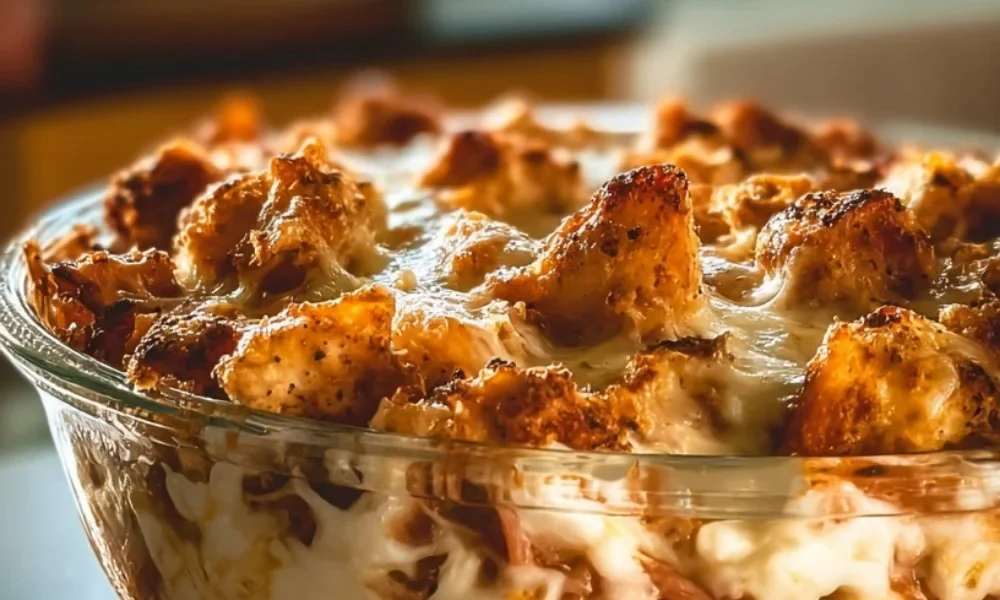
Overall, the process moves in three clear phases: prepare and season, sear to build flavor, then bake to finish and melt the cheese. First, preheat the oven and ready a baking dish so everything flows smoothly when the chicken comes out of the pan. Next, season the chicken and sear it briefly in a hot skillet; this step creates a lightly browned surface that adds flavor and a comforting smell in your kitchen. Finally, assemble in the baking dish—sauce, cottage cheese, shredded and grated cheese—and bake until the chicken is cooked through and the cheese is bubbly.
At each stage, focus on one sensory cue: when searing, watch for a golden-brown color and a gentle sizzle; when baking, listen for bubbling cheese and check that the chicken feels firm but not rock-hard. Beginners should slow down during the searing step: using moderate-high heat, give the chicken space in the pan so it browns instead of steaming. If you need a visual reference for relaxed chicken recipes that still feel special, see my friendly guide to simple chicken dishes here: a relaxed chicken dinner idea.
If something looks uneven—cheese melting faster on some pieces—that’s okay. Let the dish rest after baking so temperatures even out, and trust that flavor will be there even if the top isn’t perfectly golden.
Ingredients
- Chicken breasts, pounded or sliced for even cooking
- Salt and pepper
- Olive oil
- Tomato sauce or marinara
- Cottage cheese
- Shredded mozzarella
- Grated parmesan
- Italian seasoning or dried basil
- Garlic powder or minced garlic
- Optional: fresh parsley or basil for garnish
Every ingredient here has a simple job and none are meant to intimidate.
- Chicken breasts, pounded or sliced for even cooking: Flattening or slicing evens out thickness so pieces finish at the same time. This prevents overcooking one part while another piece is still underdone.
- Salt and pepper: The basics that bring out natural flavors. A little goes a long way; season both sides of the chicken lightly.
- Olive oil: For searing. It helps the chicken develop a pleasing brown color and prevents sticking.
- Tomato sauce or marinara: Provides moisture, acidity, and the classic Parmesan pairing. It keeps the chicken juicy while baking.
- Cottage cheese: Adds creamy texture and extra protein. Dolloped on top, it warms into soft pockets of richness rather than spreading thin.
- Shredded mozzarella: Melts into that stretchy, comforting layer we expect in Parmesan-style dishes.
- Grated parmesan: A salty, nutty finish that complements the cottage cheese and mozzarella.
- Italian seasoning or dried basil: A simple herb blend to add familiar Italian flavors without extra prep.
- Garlic powder or minced garlic: Adds a warm, savory note that pairs well with tomato and cheese.
- Optional: fresh parsley or basil for garnish: Brightens the finished bowl and makes the plate feel cared for.
These ingredients work together by balancing acid, creaminess, and melt. None are complex to source or prepare, which keeps the whole process approachable.
For an extra bit of reassurance, you can review another friendly recipe concept I’ve written about to see how simple swaps can still lead to great results: an easy chicken-centered recipe.
Directions
- Preheat the oven and prepare a baking dish.
- Season chicken with salt, pepper, and garlic.
- Sear the chicken in a hot skillet with olive oil until lightly browned.
- Place chicken in the baking dish and spoon tomato sauce over each piece.
- Dollop cottage cheese on top of the sauce.
- Sprinkle shredded mozzarella and grated parmesan over each chicken piece.
- Bake until the chicken is cooked through and the cheese is melted.
- Broil briefly for a golden top, if desired.
- Let rest a few minutes, then garnish and serve.
Supportive guidance around the steps:
- Step 1: Preheat and prepare. Preheating gives your oven time to reach an even temperature so the chicken cooks consistently. Choose a baking dish large enough for pieces to sit in a single layer.
- Step 2: Seasoning is simple—sprinkle salt, pepper, and garlic on both sides. Don’t worry about measuring precisely; a light, even dusting covers the chicken without overwhelming it.
- Step 3: When you sear, heat your skillet until it’s hot but not smoking. Add a splash of olive oil, place the chicken down, and lift a corner after 2–3 minutes to check for a golden surface. If it resists release, leave it a little longer—food will naturally let go once it’s browned.
- Step 4–6: Layering is forgiving. Spoon a tablespoon or two of tomato sauce over each piece to keep things moist, add a few dollops of cottage cheese, and finish with your shredded and grated cheeses. It’s okay if the dollops are uneven; melting will help even it out.
- Step 7: Bake until the chicken reaches a safe internal temperature or feels firm to the touch. If you don’t have a thermometer, a visual cue is juices running clear and no pink in the thickest part.
- Step 8: Broil briefly for color. Watch closely—broilers work fast. A minute or two is often plenty.
- Step 9: Resting lets juices redistribute. Five minutes is enough; the dish will be easier to handle and taste better.
If the cheese browns unevenly, shift the dish in the oven or use the broiler for a short burst on the spots that need color. Small imperfections are part of cooking and don’t change the deliciousness.
Key techniques you’ll practice in this recipe
This recipe teaches a few core kitchen skills that pay off in many other dishes:
- Searing: Browning builds flavor through caramelization. You’ll learn the visual cue—golden color and an easy release from the pan—that shows when to move on.
- Layering flavors: Learning to layer sauce, cheese, and seasoning helps you build balanced dishes without complex steps.
- Baking to finish: Using the oven to gently bring everything together ensures even cooking and melting. It’s a reliable technique for many proteins and casseroles.
- Resting meat: Letting the chicken rest for a few minutes keeps it juicy. This small patience habit improves texture every time.
Practicing these will make you comfortable with many weeknight meals. If you want to see how similar techniques work with different toppings, my relaxed take on chicken recipes is a helpful comparison: a simple chicken meal idea.
Common mistakes and how to avoid them
- Mistake: Cooking chicken straight from the oven without searing. Why it matters: you miss that golden flavor. Fix: Heat the pan properly and give the chicken a little color before baking.
- Mistake: Crowding the skillet when searing. Why it matters: pieces steam rather than brown. Fix: Cook in batches or use a larger pan so each piece has room.
- Mistake: Over-broiling for a long time. Why it matters: cheese can burn quickly under high heat. Fix: Broil only a short time, watching closely, and remove once you see even golden spots.
- Mistake: Skipping the rest. Why it matters: juices run out when you cut too soon. Fix: Let the dish sit for a few minutes before serving.
- If a piece seems underdone after baking, return it to the oven for a few more minutes instead of starting over. A cover with foil can help heat it through without over-browning the cheese.
Small mishaps happen; the important thing is to adjust gently and keep tasting as you go.
How to adjust confidently without changing the recipe
You can scale portions by using more or fewer chicken breasts while keeping the same process—sear, layer, bake. If you double the amount, use a larger baking dish and allow a little extra baking time; watch for the same doneness cues rather than relying solely on minutes.
For flavor preferences, think conceptually: prefer more herbs? Sprinkle a little extra dried basil or Italian seasoning on top before baking. Want it tangier? A touch more tomato sauce does the job. Looking for a creamier finish? Use a bit more cottage cheese in small dollops so it warms through.
Texture tweaks work the same way: thicker chicken needs a slightly longer bake, and thinner pieces will cook faster but still benefit from searing. These adjustments preserve the original method and allow you to tune the dish to your household without altering the ingredient list or steps.
Serving, storage, and reheating made simple
Serve this bowl warm, garnished with fresh parsley or basil if you like a bright finish. It pairs well with a simple green salad or steamed vegetables for a balanced plate.
To store leftovers, cool the dish to room temperature (within two hours of cooking), then transfer to an airtight container and refrigerate for up to 3–4 days. If you prefer portioned meals, divide into individual containers so reheating is faster and even.
Reheating: gently reheat in the oven at 325°F (160°C) for 10–15 minutes covered with foil to retain moisture, then uncover for a few minutes to refresh the top. If using a microwave, reheat in short bursts, stirring or checking between intervals to avoid overcooking. A quick oven finish under the broiler for 30–60 seconds can revive the melted cheese’s appearance—watch closely so it doesn’t burn.
Questions new cooks often ask about this recipe
Is searing absolutely necessary? Searing isn’t mandatory, but it helps build flavor and a pleasant texture. If you skip it, the dish will still be tasty—just possibly with less depth of flavor.
How do I know the chicken is cooked through? A meat thermometer reading 165°F (74°C) in the thickest part is the surest method. If you don’t have one, check that juices run clear and there’s no pink at the center.
What if my cottage cheese separates or looks watery? Stirring briefly before dolloping can even the texture. Small amounts of whey are normal; they warm into the sauce and won’t harm the dish.
Can I make this ahead? You can sear and assemble the dish, then refrigerate before baking. When ready to eat, bring it to room temperature for a short time and then bake until cooked through. This saves time without changing the essential steps.
Why did my cheese brown too fast? Broilers and high oven temperatures brown quickly. If that happens, tent foil over the dish and finish in the oven until the chicken reaches doneness.
Final encouragement from Carla
Cooking is as much about learning small reliable habits as it is about following a list. With this Cottage Cheese Chicken Parmesan Bowl you’ll practice tiny wins—searing for color, layering for balanced flavor, and resting for juicier meat. If things don’t look perfect the first time, that’s normal; flavor often carries imperfections. Keep going, trust your senses, and enjoy the process.
You’re building confidence with each meal, and that progress matters far more than chasing flawless results.
Conclusion
For more ideas that use cottage cheese in hearty, protein-forward dishes, check out High Protein Chicken Parmesan (with Cottage Cheese) – Hungry Happens, which explores similar flavor combinations in a slightly different format. If you’d like another bowl-style, cottage cheese-forward idea, have a look at High Protein Cottage Cheese Pizza Bowl – Amee’s Savory Dish for inspiration on how cottage cheese can stand in for ricotta or other creamy cheeses. And for a breakdown of protein-focused chicken bowls that match the spirit of this recipe, see Cottage Cheese Chicken Parm Bowl (46 Grams of Protein!) – Fit Healthy Macros.

Cottage Cheese Chicken Parmesan Bowl
Ingredients
Method
- Preheat the oven to 400°F (200°C) and prepare a baking dish.
- Season chicken with salt, pepper, and garlic on both sides.
- Heat olive oil in a hot skillet over medium-high heat.
- Sear the chicken until lightly browned, about 2-3 minutes per side.
- Place the seared chicken in the baking dish and spoon tomato sauce over each piece.
- Dollop cottage cheese on top of the sauce.
- Sprinkle shredded mozzarella and grated parmesan over each chicken piece.
- Bake in the preheated oven until the chicken is cooked through (165°F), about 20 minutes.
- Broil briefly for a golden top, if desired.
- Let the dish rest for a few minutes before serving.
- Garnish with fresh parsley or basil if using.