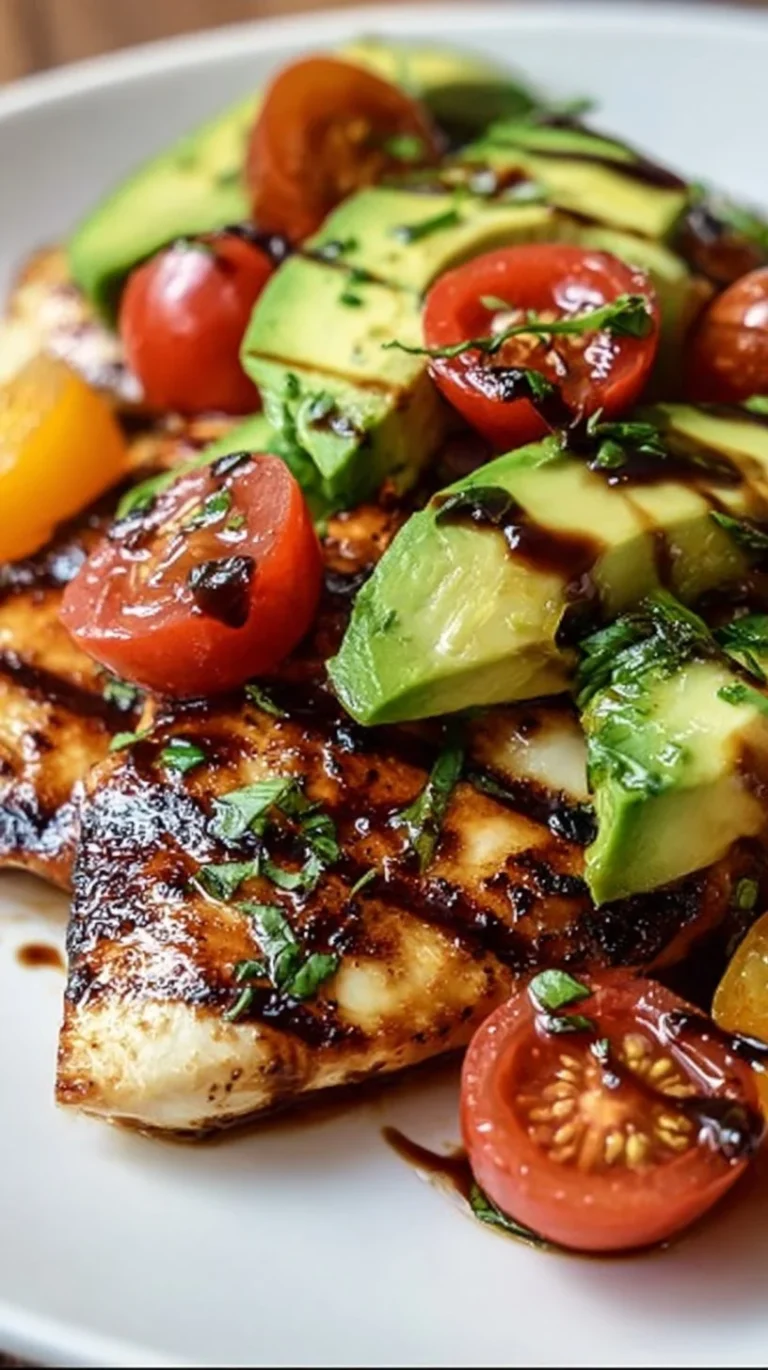
Easy Low Carb Chicken Casserole

Introduction
I love recipes that are straightforward, faithful to familiar flavors, and easy to make on a weeknight without feeling weighed down. This Easy Low Carb Chicken Casserole does exactly that: it brings together simple, satisfying ingredients into a warm, cheesy bake that feels comforting but not overly heavy. It’s the kind of dish that works whether you’re feeding a family after work, packing portions for lunch the next day, or making a batch to rotate through the week.
If you’re in the habit of alternating protein-forward casseroles with brighter, quicker meals, this is a useful recipe to keep on rotation. For another bold, protein-rich option that leans into vibrant flavors, I often reach for a low-carb steak fajita bowl as a contrast to cheesier, oven-baked fare—try a low-carb steak fajita bowl when you want something that’s quick and crisp in texture. The chicken casserole fills the cozy, stick-to-your-ribs role in a week of meals without being complicated or fussy.
How this recipe fits into a balanced lifestyle
This casserole supports balance by emphasizing portion-focused satisfaction, ingredient quality, and straightforward technique. It doesn’t pretend to be a “miracle” food; instead, it pairs lean protein with a modest amount of cheese and vegetables so you get comforting mouthfeel, a pleasing protein hit, and some fiber from the added veg. That balance is what keeps meals feeling lighter — not elimination, but thoughtful combinations.
Because it’s carb-conscious without being austere, it’s a good fit for people who prefer to reduce starchy sides sometimes, or for households where varied plates are standard. If you’re planning dinners for the week, one night can be this rich, cozy casserole, another might be a lighter soup such as an anti-inflammatory turmeric chicken soup, and another a bright salad bowl — variety like that keeps eating enjoyable and sustainable.
How to make Easy Low Carb Chicken Casserole
At its core, the cooking flow is: prepare the chicken and vegetables, mix with creamier elements and seasoning, assemble into a baking dish, then bake until bubbly and set. Simplicity matters most in two places: shredding or dicing the chicken so every bite has protein, and not overbaking so the texture stays creamy rather than dry.
Approach the recipe without overthinking it. Use cooked chicken — rotisserie, leftover roasted chicken, or quickly poached breasts — then focus on seasoning and layering. If you want to streamline prep, do a quick pan-sauté of the vegetables to soften them and concentrate flavor before they go into the casserole. The goal is a cohesive mixture that holds together when scooped, with some contrast from a browned top or lightly crisped topping if you like that.
If you’re new to casseroles, think of this as assembling components rather than following an exact science: protein + binder (creamy dairy or egg) + vegetables + seasoning + cheese. That framework will keep the result satisfying and pleasantly balanced.
Ingredients
This section talks about why each component matters rather than listing exact amounts. Each ingredient contributes to flavor, texture, or the way the dish holds together.
- Cooked Chicken: The backbone of the casserole. Using shredded or diced cooked chicken makes the dish quick and reliable; the protein offers chew and satiety without heaviness. Dark meat adds richness, white meat keeps things leaner — both work.
- Creamy Binder (cream cheese, sour cream, or a light béchamel): The binder gives a silky mouthfeel that makes the casserole feel comforting. Choosing a mix with some tang — like sour cream — brightens the overall profile and keeps the cheese from feeling cloying.
- Cheddar or Melting Cheese: Cheese provides flavor depth, salt, and that desirable gooey texture. A flavorful sharp cheddar goes a long way, so you don’t need a lot. Mixing a small amount of a milder melting cheese can improve stretch and coverage.
- Vegetables (broccoli, cauliflower, spinach, or similar): Veggies introduce texture and freshness. Broccoli or cauliflower are common here because they roast well and provide a neutral backbone; leafy greens wilt down and add color and nutrients without bulk.
- Aromatics and Seasonings (garlic powder, onion powder, salt, pepper, herbs): Small amounts of seasoning create a layered, savory profile. A little garlic and onion powder is unobtrusive but effective; fresh herbs added at the end can lift the whole casserole.
- Optional Binders or Thickeners (eggs, almond flour, or crushed pork rinds for crunch): These help the casserole set and provide a little structure. Eggs are a simple, natural binder. Low-carb recipes often choose almond flour or pork rinds for a light coating or topping — they keep carbs down while adding texture.
- Toppings (extra cheese, panko alternative, or fresh herbs): A toasted, slightly browned top adds contrast to the creamy interior. Using a modest sprinkle keeps the top appealing without turning the dish heavy.
Mindful ingredient choices here — favoring whole or minimally processed items and balancing richness with brightness — are what make the casserole feel lighter while still being satisfying.
Directions
Below I give supportive guidance around typical steps so you feel confident while you cook. These notes are meant to sit alongside your recipe steps and help you recognize when things are right.
- Preparing the chicken: If you’re starting with raw chicken, poach gently (simmer in seasoned water until just done) or use a quick roast. Overcooked chicken becomes dry in a casserole. If using rotisserie or leftover chicken, shred it into bite-sized pieces so each scoop has a good protein-to-other-ingredient ratio.
- Softening the vegetables: Lightly sautéing or steaming denser vegetables like broccoli or cauliflower before they go into the dish prevents a raw, crunchy pocket in the finished bake. Aim for tender-crisp so they still have bite after baking.
- Building the creamy base: When combining cream cheese, sour cream, or similar binders with seasonings, mix until smooth before folding in chicken and veggies. This ensures even distribution and avoids pockets of concentrated flavor.
- Assembling and topping: Spread the mixture into your baking dish at an even depth so it bakes uniformly. If you like a textured top, sprinkle a thin layer of extra cheese or a low-carb crisp before baking. Too much topping can dominate the dish, so keep it proportional.
- Baking and checking doneness: Bake until the edges bubble and the center is set — a gentle jiggle is okay, but it shouldn’t be soupy. A golden-brown top is a reliable visual cue that the casserole is ready; if the center still seems loose, give it 5–10 more minutes and check again.
- Resting before serving: Let the casserole sit for 5–10 minutes after it comes out of the oven. That rest time helps it firm up and makes serving cleaner, while allowing flavors to settle.
Watch for these signs as the dish comes together: cohesive texture (not watery), balanced seasoning (not overwhelmingly salty), and a pleasant contrast between creamy interior and slightly roasted top.
The role of preparation in keeping this dish light
Technique matters. A few small choices during prep change the final feel of the casserole more than any single ingredient.
- Don’t overcook the chicken: Moist, properly cooked chicken keeps the casserole juicy without needing a lot of extra cream or cheese. That’s a direct path to a lighter final dish.
- Par-cook the vegetables: Briefly cooking vegetables reduces the need for longer bake times and prevents wateriness, which would otherwise dilute flavors and force you to add thickeners.
- Mix gently and evenly: Smooth distribution of binder and seasoning means you can rely on less fat for flavor. When ingredients are well-integrated, every bite tastes balanced.
- Mind the bake time and temperature: A higher oven temperature for a shorter time can encourage a lightly browned top without prolonged drying of the interior. Alternatively, a lower temperature for a slightly longer time yields a uniformly creamy center.
- Rest before serving: Allowing the casserole to set reduces the urge to add extra sauce or toppings to cover texture issues.
These techniques keep the dish feeling fresh rather than dense, and they help the flavors stand out without needing heavy additions.
Simple ways to adjust without losing balance
If you want to personalize the casserole, consider small, flavor-forward tweaks that preserve balance.
- Boost vegetables: Add more non-starchy veggies (spinach, roasted peppers, mushrooms) to increase fiber and volume without adding heaviness.
- Swap dairy wisely: Replace part of the creaminess with plain Greek yogurt for tang and protein, but don’t swap all the cream because the texture will change noticeably.
- Add bright notes: Fold in a tablespoon of lemon zest or a splash of apple cider vinegar to lift flavors without extra calories.
- Add spice, not fat: Introduce smoked paprika, red pepper flakes, or a touch of Dijon mustard to add depth so you use less cheese and still feel satisfied.
- Make it a skillet version: If you prefer, assemble and finish under the broiler in a cast-iron skillet for a rustic feel and crisp edges — same components, slightly different texture.
These small adaptations preserve the core identity of the casserole while letting you match taste preferences or occasion needs. Remember: no need to alter core ingredients — change proportion and technique instead.
Pairing ideas for a complete, well-rounded meal
This casserole is hearty on its own, but pairing it thoughtfully rounds out the plate.
- Green vegetable: A simple sautéed green — like garlicky spinach or quickly steamed green beans with lemon — adds freshness and contrast.
- Crisp salad: A bright salad with peppery arugula, toasted nuts, and a light vinaigrette balances richness and introduces crunchy texture.
- Light grain or substitute: If you want some grains, serve a modest portion of quinoa or farro on the side. For a lower-carb plate, roasted spaghetti squash or a crisp cucumber salad works well.
- Acidic condiment: A small spoonful of tangy pickle relish or a zesty salsa on the side can cut through the creaminess and refresh the palate.
If you’re looking for other easy main-course ideas to alternate with this casserole, a flavor-packed option like the Bang Bang Chicken Bowl pairs the bright and spicy with light sides for contrast. For general weeknight inspiration, I also keep an easy recipes collection bookmarked to rotate different textures and cooking methods across the week.
Storage, leftovers, and next-day enjoyment
This casserole stores and reheats well if you follow a few simple rules.
- Cooling: Let it cool at room temperature no more than an hour, then refrigerate in an airtight container or cover the baking dish tightly. This preserves texture and flavor.
- Refrigerator life: It will generally keep for 3–4 days. Portions are handy for lunches, just be mindful that vegetables will soften further over time.
- Freezing: You can freeze portions for up to 2–3 months. Freeze in single-serve containers to make thawing and reheating easier. Thaw overnight in the refrigerator before reheating.
- Reheating: Reheat gently to avoid drying out. Use a 350°F (175°C) oven until warmed through, or reheat individual portions in the microwave in brief bursts, stirring or covering to retain moisture. A quick 5-minute broil at the end brings back some top texture if desired.
- Refreshing leftovers: If the casserole seems a bit dry after refrigeration, stir in a spoonful of Greek yogurt or a splash of stock before reheating to restore creaminess. Fresh herbs or a squeeze of lemon immediately before serving brightens the flavors.
These steps help the casserole maintain a pleasing texture and flavor even after a few days in the fridge.
Common questions about lighter everyday cooking
Q: How do I keep portions balanced without feeling deprived?
A: Pair a modest scoop of casserole with generous vegetables and a simple side salad. That combination gives you satisfaction from the casserole’s richness while keeping the plate lively and nutrient-diverse.
Q: How do I plan so I don’t get bored of repeating meals?
A: Rotate accompaniments and vary small elements — swap in different vegetables, change the topping, or serve the casserole with contrasting salsas and dressings. These minor shifts make a familiar main feel fresh.
Q: Can I make a lower-fat version that still tastes good?
A: Yes — reduce the cheese slightly and boost flavor with herbs, spices, and acid (lemon or vinegar). Adding more vegetables increases volume so you feel more satisfied with less fat.
Q: Is batch-cooking this a good strategy?
A: Absolutely. Make a full casserole for a few nights of meals or freeze portions for busy weeks. It’s efficient and keeps weeknight cooking simple without resorting to overly processed convenience foods.
Q: How do I adapt the dish for guests without losing balance?
A: Keep the base the same and offer a few composed sides: a bright salad, a roasted vegetable, and a crunchy element like nuts or seeds. Guests appreciate variety, and small sides let everyone tailor portions.
Final thoughts from Daniel
This Easy Low Carb Chicken Casserole earns a regular spot in my rotation because it’s practical, forgiving, and genuinely satisfying without excess. It’s a reminder that lighter meals aren’t about cutting joy — they’re about smart combinations, good technique, and flavors that feel complete. Cook intuitively: taste as you go, tweak seasonings lightly, and let the rest be simple. Meals that fit comfortably into daily life are the most valuable ones.
Conclusion
If you want a different take or another version to compare, you can look at an alternative recipe for Low Carb Chicken Casserole that emphasizes a creamy, comforting bake at Low Carb Chicken Casserole. For additional ideas and variations that keep things easy and homey, this version offers another practical approach at Low Carb Chicken Casserole – Easy Dinner | The Foodie Affair.

Easy Low Carb Chicken Casserole
Ingredients
Method
- Prepare the cooked chicken by shredding or dicing into bite-sized pieces.
- Lightly sauté or steam the vegetables until tender-crisp.
- In a bowl, mix cream cheese, seasonings, and binders until smooth.
- Fold in the chicken and soft vegetables until evenly combined.
- Spread the mixture into a baking dish evenly.
- Sprinkle desired toppings over the mixture.
- Bake in a preheated oven at 350°F (175°C) for 25-30 minutes until bubbly.
- Let it rest for 5-10 minutes before serving.