Easy High Protein Meal Prep for the Week
Introduction
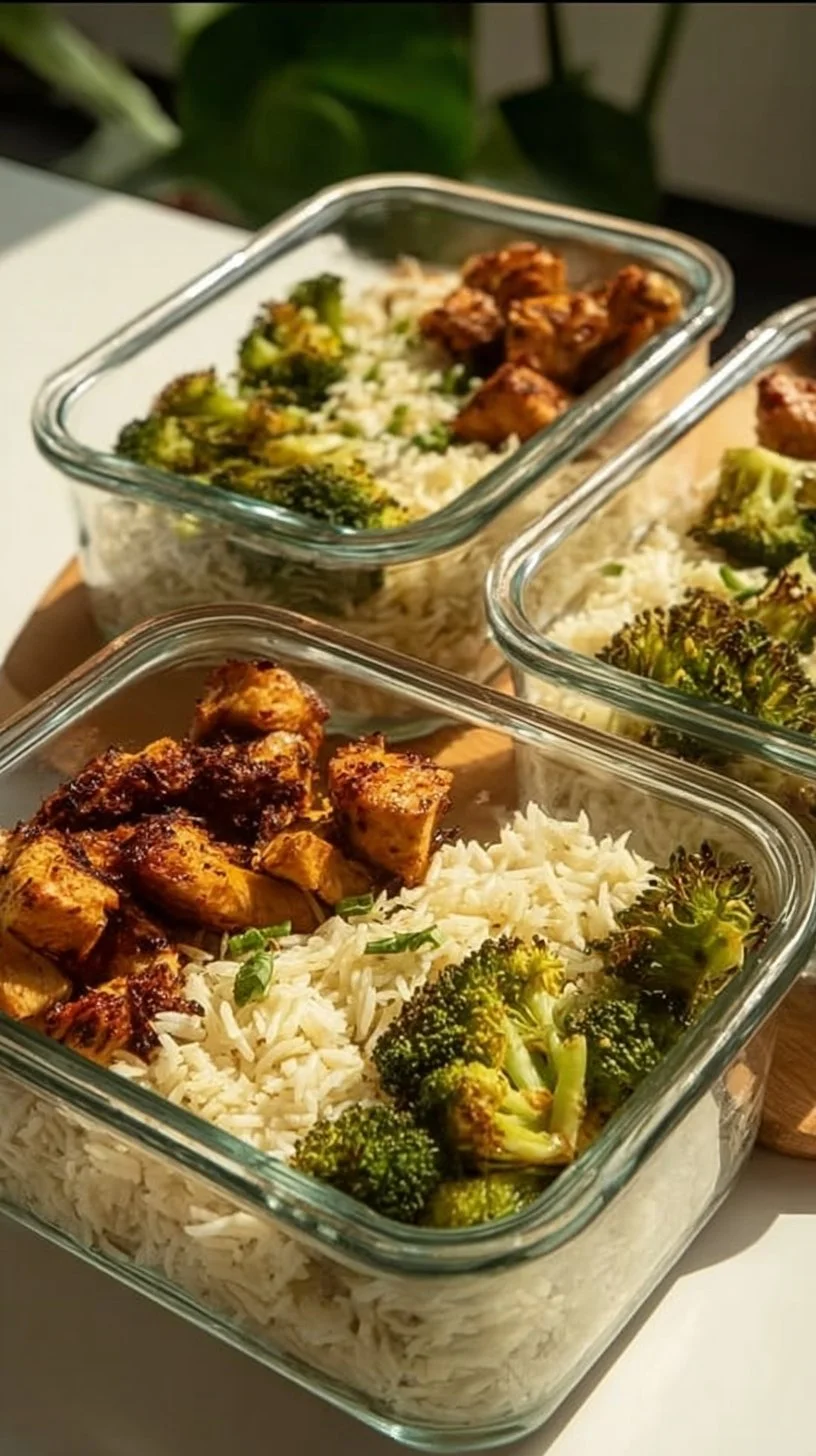
This Easy High Protein Meal Prep for the Week is one of those practical recipes I reach for when I want meals that feel both satisfying and light — the kind you can rely on during a busy stretch without waking up the next day feeling bogged down. It’s built around straightforward protein sources, simple vegetables, and a few pantry-friendly seasonings, all combined in ways that preserve texture and brightness through several days of eating. When I say “meal prep,” I mean thoughtful repetition, not rigid monotony: small swaps and fresh garnishes keep each portion feeling new.
If you enjoy meals that highlight dairy-forward proteins and uncomplicated bowls, you might also like a similar approach I use in a simple cottage cheese meal, which follows the same spirit of balance and ease. This recipe fits best for weekday lunches, easy dinners after work, and for anyone who prefers cooking once and eating well all week.
How this recipe fits into a balanced lifestyle
This dish supports moderation and enjoyment by focusing on portion balance rather than eliminating anything. It centers protein as a satisfying anchor, pairs it with vegetables for volume and freshness, and includes a modest amount of carbohydrate and fat so each plate is nourishing and energizing. The result feels lighter because there’s attention to texture — seared or roasted vegetables instead of long-simmered stews, a crisp element like raw greens or pickles, and proteins prepared simply so they don’t feel heavy.
Because it’s straightforward, the recipe slots naturally into a varied weekly routine. Make a batch on Sunday, eat it for lunches with a chopped salad on the side, then switch to a warmed-up version for dinner with a different condiment or an added fresh herb to avoid meal fatigue. For another example of a balanced, refillable approach that keeps things interesting, I often refer to ideas like these spinach cottage cheese flagels — same principle, different form.
How to make Easy High Protein Meal Prep for the Week
Think of the cooking flow as three short, overlapping tasks: prepare the proteins, cook the vegetables or grains, and assemble. Start with the protein because it often takes the longest — a quick roast or pan-sear, or even a batch-poached or baked option that you can cool and portion. While the protein rests, use the same oven or pan to roast vegetables or finish grains; the leftover fond from the protein makes a small pan sauce or dressing that pulls everything together.
Simplicity matters most where time and texture are concerned. Don’t overcomplicate with too many sauces or steps. Season simply and rely on finishing touches — fresh lemon, toasted seeds, or chopped herbs — to brighten flavors. If you’re short on time, use items that can be cooked simultaneously (sheet-pan meals are great) or grab pre-cooked grains and steamed greens and use them as the base for quick assembly. For a breakfast-for-lunch twist, I sometimes pair this method with batch-cooked items like protein waffles as a component one morning — it keeps repetition enjoyable.
Ingredients
Because this recipe is meant to be flexible, the ingredient roles are what matter more than exact items: a primary high-quality protein, a set of vegetables for volume and contrast, a whole grain or starchy vegetable for sustained energy, and a little healthy fat for satiety and flavor. Here’s how each category contributes:
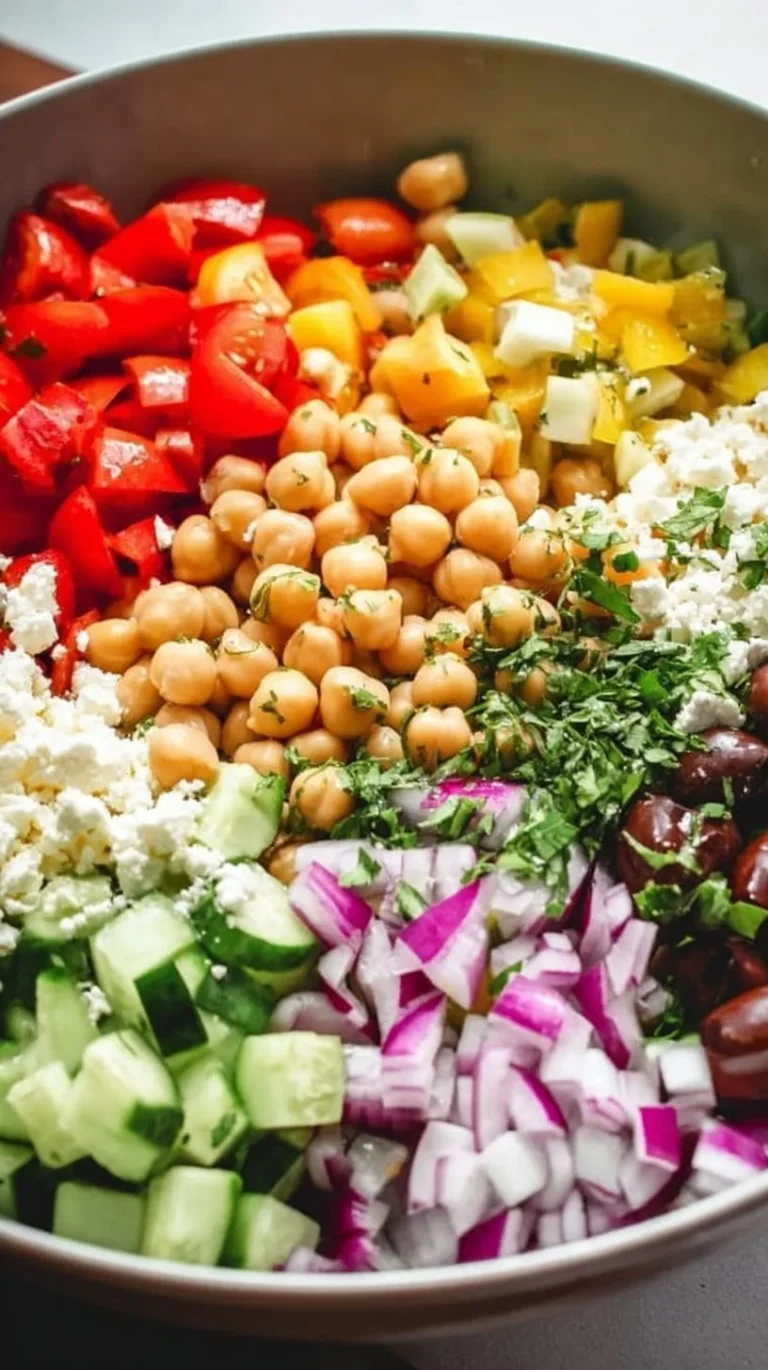
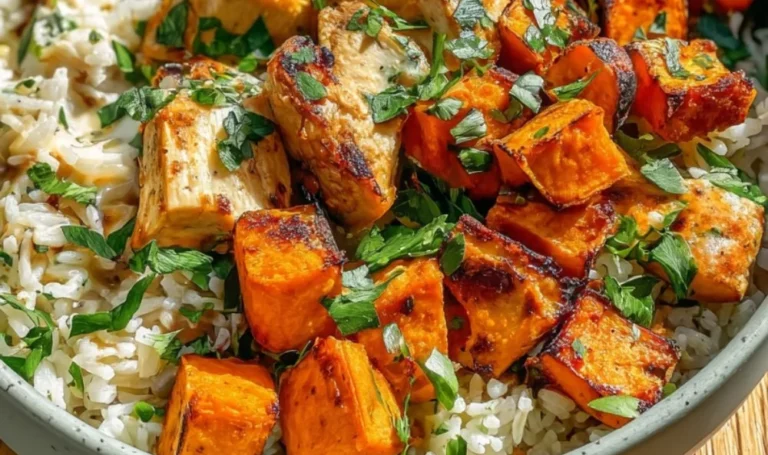
- Protein: This is the main structure of the meal. Lean proteins (chicken breast, turkey, firm tofu, legumes, or cottage cheese) provide the satisfying chew and keep portions feeling substantial without weighing the dish down. The way you cook the protein — quick sear, roast, or gentle braise — determines whether it’s tender and moist or crisp and savory.
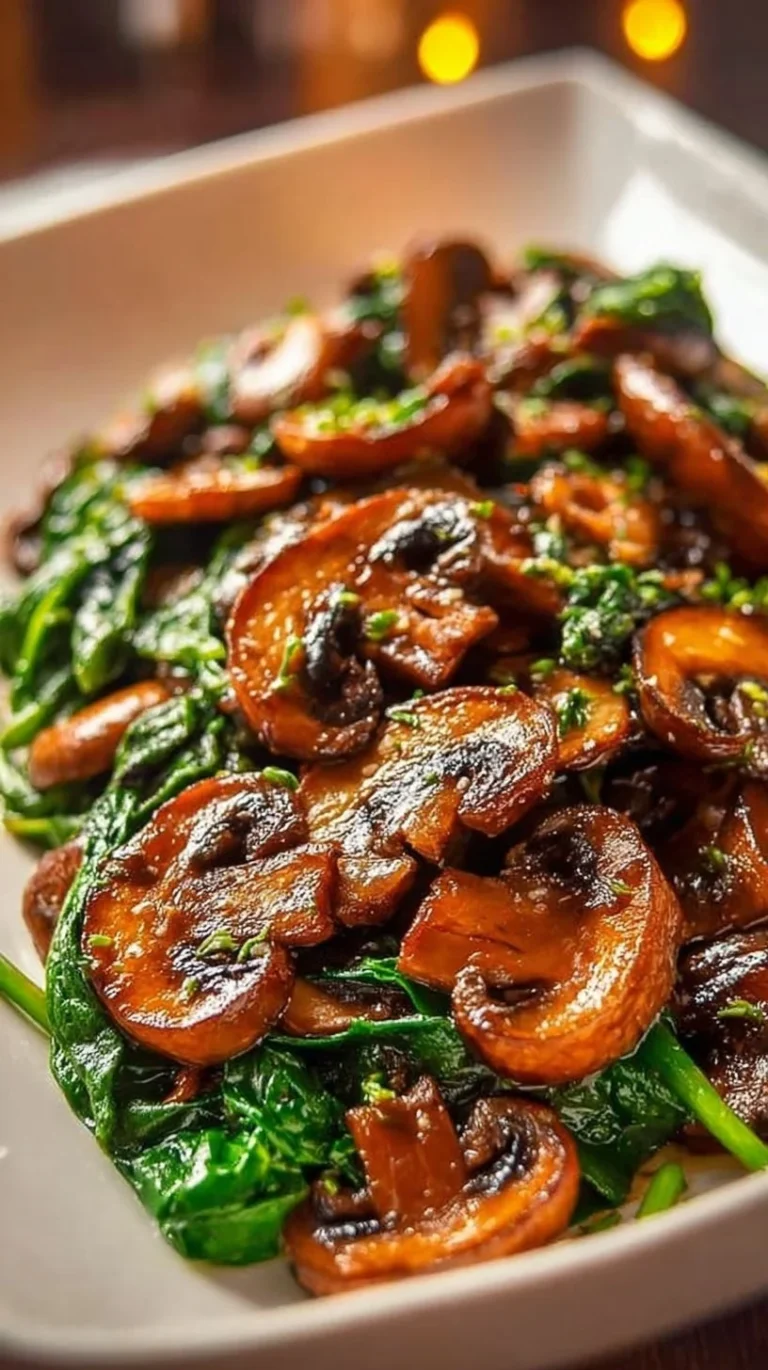
- Vegetables: They add bulk, color, and freshness. Roasted root vegetables give a caramelized sweetness, while quick-sautéed greens or raw slaws keep a bright counterpoint. The contrast in temperature and texture between roasted and fresh vegetables helps the meal feel lighter.
- Whole grains or starches: Brown rice, farro, quinoa, sweet potato, or even a modest portion of noodles supplies energy and rounds out the plate. Choose smaller portions and bulk with vegetables to keep the overall feel balanced.
- Healthy fats: A drizzle of olive oil, a handful of nuts or seeds, or a little mashed avocado adds mouthfeel and helps flavors bloom without excess richness. You don’t need much; a little goes a long way.
- Herbs and acid: Fresh herbs, citrus, or vinegar are essential finishing elements that lift the whole meal, making it taste fresher and less heavy.
Mindful ingredient choices matter because they influence how full you feel and how enjoyable repeated servings are across the week. Balance is achieved through combination — protein plus fiber plus a touch of fat — not restriction.
Directions
Rather than rewriting steps, I’ll focus on supportive guidance that helps these directions come out well every time. As you proceed:
- Prepare proteins first, but don’t rush the resting step. Resting lets juices redistribute and keeps texture pleasant; slicing too soon can make proteins seem dry.
- Watch color rather than time alone. A good sear or roast should show clear browning — that’s flavor — but avoid charring, which can taste bitter.
- When roasting vegetables, toss them in a small amount of oil and space them so they can brown. If they steam because they’re crowded, they’ll be softer and less interesting.
- For grains, rinse if called for (quinoa especially benefits), and don’t overcook; al dente grains hold up better for reheating and avoid becoming mushy in containers.
- If the recipe includes a sauce or dressing, keep part of it separate to add just before eating if you want freshness; that small step preserves texture across meals.
- Assemble with balance in mind: a base of grains or greens, a portion of protein roughly the size of your palm, a generous helping of vegetables, and a small finishing fat or crunchy element.
As you cook, signs that the dish is coming together properly include bright, glossy vegetables (not soggy), proteins with an even, appealing crust, and a final plate that looks colorful and varied rather than one flat tone.
The role of preparation in keeping this dish light
Technique is as important as ingredient choice for preserving a lighter final dish. Quick, high-heat methods like roasting and searing concentrate flavor without requiring heavy sauces. Steaming or blanching vegetables preserves color and snap, while slow, low-heat cooking can make dishes feel heartier — which is fine sometimes, but less so if you want a weekly rotation that feels fresh.
Portion control in the prep stage also helps: packing more vegetables into each container increases volume for fewer calories, but that’s not the same as restriction — it’s about smart balance. Cooling food properly before sealing containers preserves texture. Even how you cut ingredients matters: bite-sized pieces are more satisfying and feel less monotonous than large, uniform chunks.
Small choices — using citrus instead of a heavy cream sauce, toasting seeds for crunch instead of frying, or finishing with fresh herbs — make an outsized difference in perceived heaviness without sacrificing flavor.
Simple ways to adjust without losing balance
There’s room for personalization that keeps the spirit of the recipe intact:
- Swap proteins: If you want more plant-forward meals, increase beans or lentils alongside a smaller portion of animal protein. If you want leaner texture, choose white fish or chicken breast.
- Shift grains: Use barley or farro for chew, or sweet potato for a gluten-free option. Keep portions modest and bulk with greens.
- Amp the flavor: Add spices to the cooking oil or a quick vinaigrette for brightness. A teaspoon of mustard in a dressing or a sprinkle of smoked paprika on roasted veggies can change profiles without adding heaviness.
- Change the finishing touches: A squeeze of lemon, a scattering of chopped parsley, or a spoon of yogurt can refresh leftovers at the table.
- Make it more portable: Layer components in mason jars or containers with the dressing on the side to avoid sogginess.
All these tweaks keep the underlying balance — protein, vegetables, modest grain, a little fat — while letting you tailor to mood and schedule. Remember, the goal is flavor-forward adjustments, not replacing categories that keep the meal satisfying.
Pairing ideas for a complete, well-rounded meal
To build a full plate without excess, combine complementary textures and flavors:
- Light sides: A crisp green salad with a lemon vinaigrette, a simple cucumber and tomato salad, or raw shaved fennel offer freshness.
- Warm sides: Roasted Brussels sprouts or a small serving of herbed sweet potato wedges provide warmth and comfort without heaviness.
- Crunch: Toasted seeds, chopped toasted nuts, or a few baked pita chips add that satisfying crunch many plates miss.
- Creamy element: A dollop of plain yogurt mixed with lemon and herbs or a spoon of hummus keeps things rich in a restrained way.
- Beverage: A sparkling water with a slice of citrus or a cup of light herbal tea complements the meal without adding calories.
Aiming for one cooked element, one fresh element, and one small finishing textural addition keeps the meal interesting and complete.
Storage, leftovers, and next-day enjoyment
This kind of meal prep holds up well if stored and reheated thoughtfully. Use airtight containers and cool food to room temperature before sealing to prevent condensation. Keep dressings and delicate garnishes separate until serving to maintain texture.
Reheating tips:
- Microwave with a loose cover and a splash of water or broth if the dish seems dry; this helps restore moisture.
- For roasted vegetables and proteins, reheat briefly in a hot skillet to regain a bit of crispness — a quick toss over medium-high heat revives texture better than microwaving alone.
- Fresh components like raw greens or avocado are best added after reheating; they retain their snap and color that way.
Generally, consume prepared meals within 3 to 4 days for best quality. Freeze only components that are freezer-friendly (cooked grains, roasted root vegetables, and some proteins freeze well); defrost overnight in the fridge and reheat gently.
Common questions about lighter everyday cooking
How do you keep portions satisfying without overeating?
- Focus on volume: plenty of vegetables plus a solid protein portion will fill you up. Use a modest amount of carbohydrate and a small finishing fat to provide satisfaction.
What’s the best way to avoid boredom from repeating meals?
- Change one element at a time: swap a dressing, add a different herb, or vary the roasted vegetable. Small shifts preserve convenience while keeping interest.
How do you plan for leftovers but avoid soggy meals?
- Store dressings separately, cool components before sealing containers, and keep crunchy toppings aside until serving.
Can lighter meals still be comforting?
- Absolutely. Comfort comes from flavor and texture as much as richness. Browning, roasting, a touch of acid, and a satisfying crunch all contribute to comfort without heaviness.
Final thoughts from Daniel
Cooking intuitively means using this recipe as a framework rather than a rule. Let the balance of protein, vegetables, modest grains, and a little fat guide your choices, and be open to small swaps that keep meals enjoyable all week. Over time you’ll develop a rotation of go-to components that are quick to prep and reliable in flavor — that’s when meal prep becomes less of a chore and more of a supportive habit. This Easy High Protein Meal Prep is exactly the type of recipe worth repeating: practical, flavor-forward, and flexible enough to fit different days and moods.
Conclusion
If you want more ideas that follow the same practical, protein-forward approach, I recommend browsing EatingWell’s collection of high-protein meal prep ideas for additional inspiration and variations.