Avocado Mango Salad
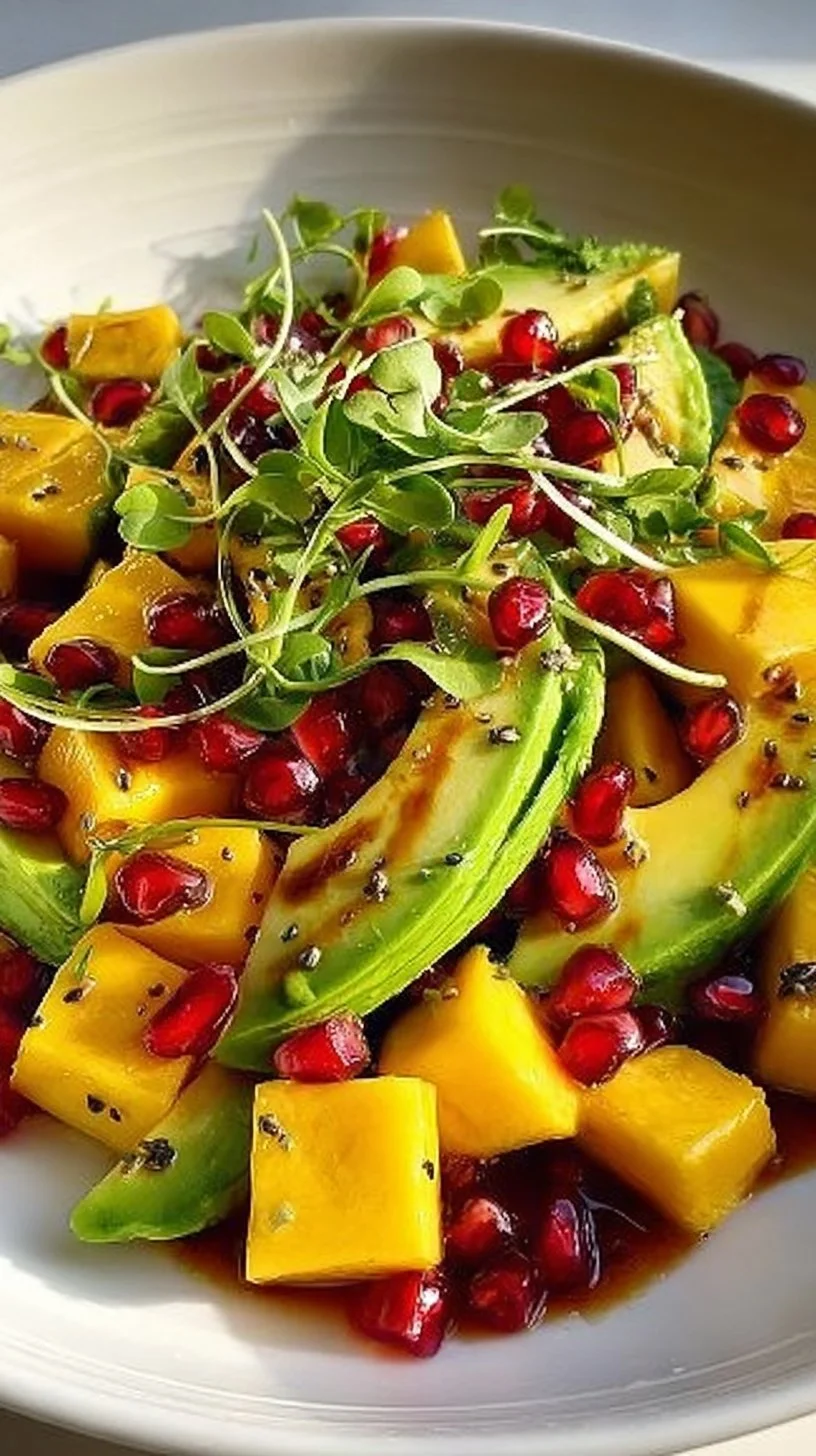
Hi, I’m Carla Carter, Founder & Recipe Developer of RecipesCabin. This Avocado Mango Salad is for anyone who wants a fresh, bright dish without fuss — whether you’re new to the kitchen, returning after a long break, or just want an easy success. It’s approachable because the steps are simple, the ingredients are few and familiar, and the results are instantly rewarding. If you’ve ever felt nervous about cutting avocados or worried a salad might end up soggy or bland, this recipe is a calm place to build confidence.
This salad is also a great gateway into other fresh, simple plates I love developing for busy home cooks. If you enjoy this kind of no-fuss freshness, you might also like my chickpea feta avocado salad for a heartier vegetarian option; it uses many of the same ideas and textures to good effect: chickpea feta avocado salad.
Why this recipe is easy to get right
This recipe is forgiving in three big ways. First, the components are forgiving: ripe mango and avocado don’t require precise cooking times — you judge ripeness by touch and look. Second, the dressing is simple — one tablespoon each of olive oil and lime juice — which means there’s no complicated emulsion to break or over-seasoning to worry about. Third, the salad is mixed by hand and served immediately, so small inconsistencies in dice size or dressing distribution won’t ruin the dish.
There’s flexibility where you need it. If your onion slices are a touch thicker, the bite will be slightly stronger but still pleasant. If your avocado cubes are not perfectly uniform, they’ll still blend nicely with mango and cilantro. And if you need to leave the salad in the fridge for a short time, it will hold up well for an hour or two. Because this recipe is low-pressure, it’s excellent for building skills you’ll use in other dishes, like the bright balance of acid and oil found in a buffalo tuna salad-style dressing: buffalo tuna salad.
How to make Avocado Mango Salad
At a glance the process moves in three stages: prepare the fruit and aromatics, whisk the simple dressing, and gently combine. What happens first is selecting and preparing your produce. Look for an avocado that yields slightly to gentle pressure and a mango that smells sweet at the stem. Next, you’ll cut and dice the avocado and mango, slice the red onion, and chop the cilantro — these are the tangible steps where your knife skills come into play. Last, you’ll whisk oil and lime, dress the salad, and toss gently to combine.
Where to focus: take your time with the avocado pit and the mango cheeks — these are moments where a steady hand matters more than speed. When you dice the avocado, keep the movements gentle so you don’t mash it; when dicing the mango, feel for the pit and cut along the flatter sides to avoid it. When you combine everything, use a gentle folding motion with a spoon or spatula so the avocado keeps its shape and the mango releases a little sweet juice to marry with the lime.
Beginners should slow down at two checkpoints: removing the avocado pit and cutting the mango cheeks. These are the moments where a calm approach keeps things safe and tidy. If you’re unsure about knife choice, a medium chef’s knife works well for both fruits, and a spoon is perfectly fine for removing the avocado flesh.
If you enjoy layering simple fresh flavors like these, you might find the technique useful for handheld options too — the same combo of avocado, bright acid, and soft fruit can be a lovely filling for a wrap such as my chicken avocado wrap: chicken avocado wrap.
Ingredients
1 avocado, diced, 1 mango, diced, 1 tablespoon olive oil, 1 tablespoon lime juice, 1/4 cup red onion, thinly sliced, 1/4 cup cilantro, chopped, 1/4 teaspoon salt, 1/4 teaspoon black pepper
Let’s look at what each ingredient is doing and why none of them are complicated.
- 1 avocado, diced — The avocado brings creaminess and a soft, buttery mouthfeel that contrasts beautifully with the mango’s brightness. Its mild flavor lets the lime and cilantro shine, and its texture acts like a gentle binder for the salad.
- 1 mango, diced — Mango adds natural sweetness and a juicy pop. When it’s ripe, it’s fragrant and yields slightly when pressed. That juice mingles with the lime to create a light, fruity dressing in combination with the olive oil.
- 1 tablespoon olive oil — A touch of olive oil gives the salad a satin finish, helping the lime and salt cling to the fruit and herbs. It rounds out the acidity and keeps the flavors from feeling too sharp.
- 1 tablespoon lime juice — Lime is the brightener. It lifts the avocado and mango, preventing them from tasting flat and helping the cilantro and onion feel fresher. Lime also slows the browning of avocado for a short time.
- 1/4 cup red onion, thinly sliced — Red onion brings a crisp, clean bite. Slicing it thin keeps the onion from overwhelming the delicate fruits while adding contrast in both color and texture.
- 1/4 cup cilantro, chopped — Cilantro adds a citrusy, herbaceous note that pairs especially well with lime and mango. Chop it small so it distributes evenly and you get small bursts rather than a single large sprig.
- 1/4 teaspoon salt — Salt is a flavor amplifier. It helps balance the sweetness of mango and the creaminess of avocado, making all the ingredients sing.
- 1/4 teaspoon black pepper — A touch of black pepper adds a subtle warmth and mild heat that keeps the salad from feeling one-note.
None of these ingredients are intimidating — they’re common, fresh, and forgiving. Together they create a balance of textures and flavors: creamy, juicy, bright, and slightly crunchy.
For another salad where simple fresh ingredients come together beautifully with mild creamy elements, check out this creamy cucumber salad with bacon and cheese that demonstrates the same balance of textures: creamy cucumber salad with bacon and cheese.
Directions
To begin, start by cutting the avocado in half lengthwise. Use a sharp knife to gently twist the two halves apart, then remove the pit with a spoon or knife. Scoop the flesh from each half using a spoon, and place it on a cutting board., Next, dice the avocado into small cubes by making several vertical and horizontal cuts through the flesh. Set the diced avocado aside in a medium-sized mixing bowl., Now, take the mango and peel it using a vegetable peeler or knife. After peeling, carefully cut the mango into slices along each side of the pit, then dice the mango into small cubes. Add the diced mango to the mixing bowl with the avocado., Slice the red onion into thin rings or half-rings, making sure to keep the slices consistent in thickness. Add the thinly sliced red onion to the bowl with the avocado and mango., Chop the cilantro finely, ensuring the pieces are small enough to blend well with the other ingredients. Add the chopped cilantro to the bowl., In a separate small bowl or cup, combine one tablespoon of olive oil and one tablespoon of lime juice. Stir them together to blend the ingredients. Pour this mixture over the diced avocado, mango, red onion, and cilantro in the larger bowl., Sprinkle the salt and black pepper over the salad. Gently toss all the ingredients together with a spoon or spatula, making sure the avocado, mango, and other ingredients are evenly coated with the lime-oil dressing., Once everything is mixed together, give the salad a final gentle toss to ensure all the flavors are well combined. The salad is now ready to be served immediately or chilled for a short time before serving.
Supportive guidance around the steps:
- Visual cues: When you scoop the avocado, the flesh should be a pale green to light yellow without dark streaks. A good mango will be golden-orange inside and slightly soft but not mushy. The dressing should look glossy and lightly coat the fruit rather than pool at the bottom.
- Texture and timing: Dice both avocado and mango into roughly similar sizes so each bite is balanced. After tossing, serve immediately for the brightest texture; if you need to chill it, 15–30 minutes is fine.
- Reassurance: If some avocado pieces break a bit, that’s okay. Those softer bits add creaminess and help the dressing adhere. If your mango is firmer than expected, it will still provide sweetness and structure.
Key techniques you’ll practice in this recipe
This recipe practices a few foundational kitchen skills that are useful across many recipes:
- Safely halving and pitting an avocado — a gentle twist and a clean scoop are all you need. Learning to do this with calm attention prevents accidents and keeps the avocado intact.
- Cutting around a pit — with mango and avocado, you learn to identify where the pit sits and cut along the flatter sides. This skill helps with other stone fruits too.
- Gentle folding/tossing — knowing how to combine delicate ingredients without crushing them is essential for salads, salsas, and fruit-based dishes.
- Simple dressing blending — whisking oil and acid together quickly teaches you balance: a little acid brightens, a little fat smooths.
Each of these techniques is repeatable and forgiving, and they translate to many other recipes where freshness and texture matter.
Common mistakes and how to avoid them
- Mistake: Using an overripe avocado that mushes when cut. Avoidance: Use a slightly soft avocado that gives to gentle pressure but isn’t squishy. If you only have a very ripe avocado, handle it gently and use larger chunks to avoid a puree.
- Mistake: Cutting too close to the mango pit and losing much of the flesh. Avoidance: Cut along the two broad cheeks away from the pit; then trim remaining flesh around the pit if needed.
- Mistake: Over-slicing onion so it overwhelms the salad. Avoidance: Keep slices thin and, if the onion’s flavor is very sharp, soak slices in cold water for a few minutes before adding — then drain and pat dry.
- Mistake: Over-tossing and turning the salad into a mush. Avoidance: Use a gentle folding motion and stop when ingredients are evenly coated.
- Recovery tips: If the salad tastes under-salted, sprinkle a little more salt in small increments and taste. If the lime is not bright enough, add a few more drops — acidity is easy to add but hard to remove, so add slowly.
If something goes off track (for example, the mango is too firm), accept the texture difference and adjust serving expectations — it will still be lovely.
How to adjust confidently without changing the recipe
Scaling portions: To make more or less, think proportionally. The ratio here is small and simple — one avocado and one mango serve about two as a side. For larger groups, double or triple the quantities while keeping the oil and lime balanced; the key is maintaining that 1:1 oil-to-lime feel.
Flavor preferences: Without adjusting the listed ingredients, you can be mindful about how you cut or distribute them. Chop cilantro finer for more even herb flavor, or slice onions thinner if you prefer milder bites. These are textural and distribution choices, not ingredient changes, but they help you tailor the eating experience.
Texture tweaks conceptually: If you want a firmer bite, leave mango or onion slightly larger; if you prefer creaminess, make slightly larger avocado pieces that soften faster when mixed. These are conceptual tweaks — they don’t change the recipe ingredients or steps, they just help you control mouthfeel.
Serving, storage, and reheating made simple
Serving: This salad is best served fresh at room temperature or lightly chilled. Offer it as a bright side with grilled fish, tacos, or on top of toasted bread as a casual toast. The colors make it attractive on the plate and the balance of sweet and bright pairs with many main dishes.
Storage: Store leftovers in an airtight container in the refrigerator and try to eat within 24 hours. The avocado will begin to darken over time; if you plan to store, press a piece of plastic wrap directly onto the salad surface to limit exposure to air. It’s normal for the texture to soften slightly after refrigeration.
Reheating: This salad is not meant to be reheated. If you want warm elements, serve warm protein on the side or under the salad, rather than heating the mixed salad itself. Keeping the fruit cool preserves the texture and flavor.
Questions new cooks often ask about this recipe
- How ripe should the mango and avocado be? Ripe avocado yields slightly to gentle pressure; ripe mango smells sweet near the stem and gives a little when pressed. If they’re too firm, they won’t mash easily; if they’re too soft, they’ll be difficult to dice neatly.
- What knife should I use? A medium chef’s knife or santoku is fine. Use what feels stable in your hand and always cut on a stable board.
- Is it normal for avocado to brown? Yes. A little browning is normal after cutting. Lime juice slows the process, and serving soon after mixing keeps color bright.
- What if my onion is too strong? Slice it thin, or briefly soak in cold water to mellow sharpness, then drain well before adding.
- Can I prep ahead? You can prepare the onion and cilantro ahead of time, but dice the avocado and mango near serving time for best texture.
- Equipment question: Do I need special bowls? No — a medium mixing bowl and a small bowl for the dressing are all you need.
If you ever feel uncertain, pause, breathe, and remember that small imperfections are part of homemade food and don’t mean failure.
Final encouragement from Carla
Cooking small, bright salads like this is a gentle, satisfying way to build confidence in the kitchen. You’re practicing safe knife work, an eye for ripeness, and a feel for balance — skills that grow quickly with repetition. Every time you follow a recipe you learn something new, and that learning is the real success. Keep trying, keep tasting, and give yourself permission to make imperfect food that still feeds and delights.
Conclusion
If you’d like more variations or inspiration for mango-avocado combinations, the 15 Minute Mango Avocado Salad – Urban Farmie offers a quick take on similar flavors. For a richer, spicier approach that still honors the same core pairing, see The Best Mango Avocado Salad (Healthy & Nourishing). And for another simple, well-balanced avocado-mango side, take a look at the Avocado-Mango Salad – Sidewalk Shoes.
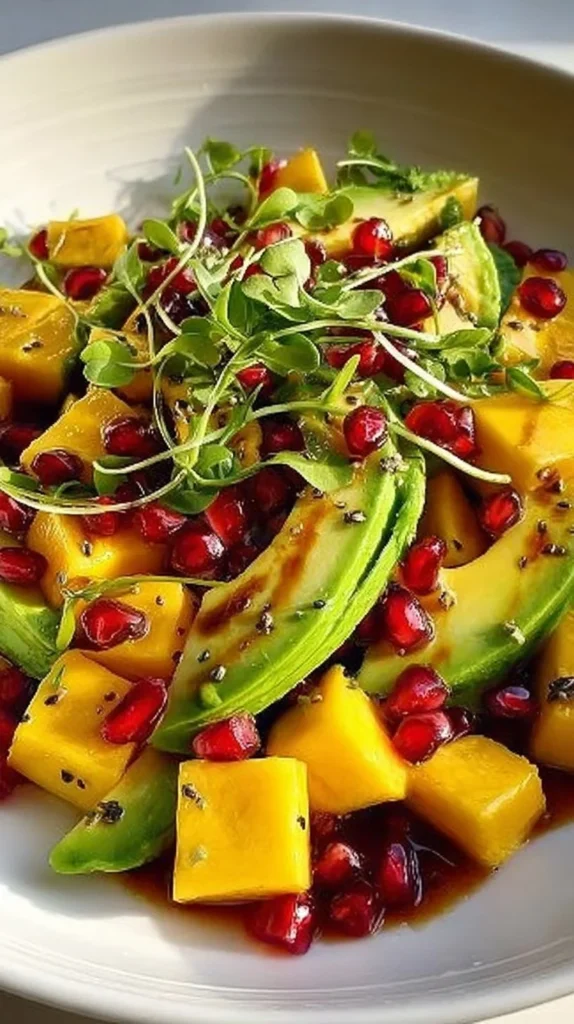
Avocado Mango Salad
Ingredients
Method
- Cut the avocado in half lengthwise and remove the pit with a spoon or knife. Scoop the flesh into a bowl and dice into small cubes.
- Peel the mango and cut the flesh away from the pit. Dice the mango into small cubes and add to the bowl with the diced avocado.
- Thinly slice the red onion and chop the cilantro finely. Add both to the bowl.
- In a separate bowl, whisk together the olive oil and lime juice.
- Pour the dressing over the avocado, mango, red onion, and cilantro in the large bowl.
- Sprinkle with salt and black pepper, then gently toss to combine, being careful not to mash the avocado.
- Serve the salad immediately at room temperature or chilled for a short time.