Baked Blueberry Cottage Cheese Bowls
Introduction
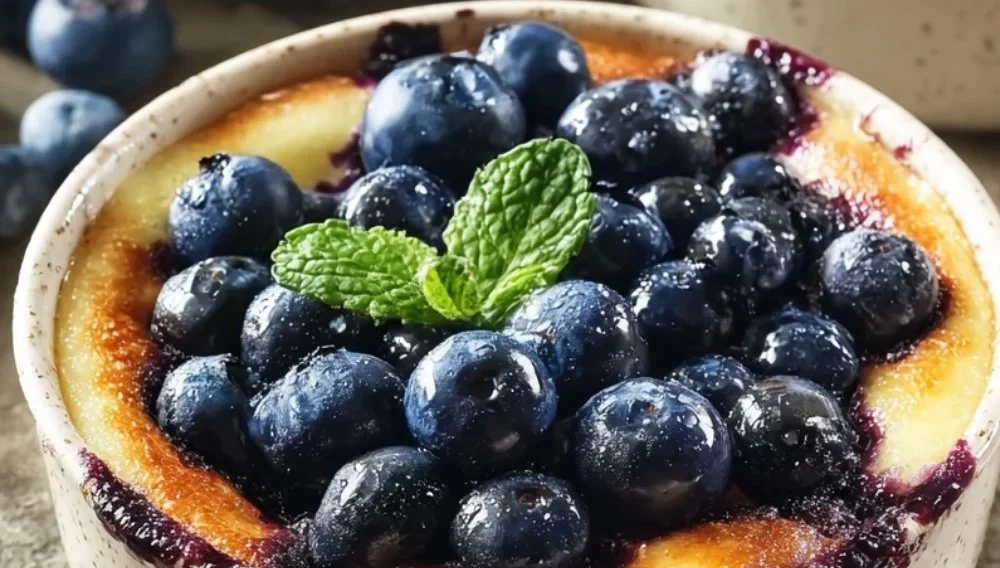
This Baked Blueberry Cottage Cheese Bowls recipe is one of those dependable recipes I turn to when I want something that feels both fresh and comfortably familiar. It arrives at the table as a warm, slightly custardy bowl with juicy pockets of baked blueberry and the reassuring body of oats and cottage cheese. It works especially well for mornings when you want a hands-off oven bake, for simple weekend brunches, or for midweek breakfasts you can make ahead and reheat. Because it leans on whole ingredients and a straightforward method, it’s satisfying without being heavy — the texture is light and custardy rather than dense, which is exactly the kind of balance I aim for in everyday cooking.
If you like recipes that let you set things up quickly and trust the oven to do the rest, this one fits right in. It also pairs easily with other simple staples; for example, I sometimes alternate this with other cottage-cheese-forward dishes like the baked cottage cheese eggs that I wrote about here: protein-packed baked cottage cheese eggs. That interplay between convenience and texture is what keeps this on rotation in my kitchen.
How this recipe fits into a balanced lifestyle
This dish supports moderation and enjoyment by focusing on portion control, ingredient quality, and the sensory aspects of eating — texture, warmth, and a bit of natural sweetness. It doesn’t demand strict rules or ingredients you won’t find at a local grocery; instead it uses cottage cheese, oats, banana, and blueberries — simple, whole foods that provide a mix of protein, fiber, and fruit-forward flavor. The outcome is a bowl that feels lighter because the protein from the cottage cheese and eggs gives structure and satiety, while the oats and banana supply slow-release carbohydrate and natural sweetness.
When I talk about “lighter,” I mean the balance of components on the plate and how the dish sits in the stomach, not a restriction. The baked texture is key: baking transforms the batter into a tender custard-like interior with a golden top, which reads comfortingly familiar without the dense heaviness you might get from heavy cream or a lot of added fat. It’s easy to imagine this alongside a week of varied meals — paired with fresh fruit or a green salad for lunch, enjoyed as a leisurely weekend breakfast, or made in multiples for grab-and-go reheats. That flexibility is what makes it practical for everyday life.
How to make Baked Blueberry Cottage Cheese Bowls
At its heart, the flow of this recipe is intentionally simple: blend, pour, top, bake, and rest. The blender step is where texture is decided — you want the oats fully incorporated so the finished bowl is smooth and custardy rather than lumpy. From there, portioning into oven-safe bowls and topping with berries is straightforward. The oven does most of the work, and the 10-minute cooling period after baking is crucial for the right set and mouthfeel.
Simplicity matters most when you’re at the blender. Don’t overthink the mix-ins or try to multitask too much while blending; one focused pass will give you an even batter. If you’re making several batches, line up your bowls and blueberries first so the process moves quickly from blender to oven. For a point of reference on related blueberry techniques and flavor pairings, I often look to simple pancake recipes when I think about how blueberries behave when cooked — here’s a useful comparison with blueberry maple pancakes: blueberry maple pancakes.
Ingredients
360 g cottage cheese (1½ cups, full fat recommended), 4 large eggs (brought to room temperature 30 minutes before blending), 90 g old fashioned rolled oats (1 cup, not quick oats), 1 ripe banana (the spottier the better), 80 ml maple syrup (⅓ cup), 1 tsp baking soda, 150 g fresh blueberries (1 cup, frozen works too)
Each ingredient plays a clear role in the finished bowls. Cottage cheese is the protein-rich base that, when blended, creates a creamy, custardy body without needing heavy dairy like cream. The eggs provide structure and help the bake set into a sliceable, spoonable texture. Old-fashioned rolled oats act as the bulk and give body and fiber; they absorb moisture and become tender, but they must be fully blended so they don’t leave toothsome bits in the custard. The banana brings natural sweetness and a little fat-free richness that rounds out the mouthfeel, while maple syrup emphasizes the warm, caramel-like notes that pair beautifully with blueberries. Baking soda is a gentle lift agent — not to create a cake, but to give a slight rise and a tender top. Blueberries are the bright counterpoint, adding juicy acidity and texture.
Keeping the ingredient list straightforward is a mindful choice: it limits decision fatigue and lets each element contribute something meaningful. If you want a slightly different savory-sweet balance, I sometimes lean on recipes that add a touch of greens or herbs in other bakes, such as the spinach and cottage cheese flagels that offer a contrast in technique and flavor: spinach cottage cheese flagels. But for this bowl, the balance is achieved through combination — protein, whole grain, fruit, and a little natural sweetener — rather than by cutting things out.
Directions
Preheat your oven to 350°F (180°C). Generously spray four 2 cup oven safe bowls with non stick cooking spray and place them on a large baking sheet., Add the cottage cheese, eggs, oats, banana, maple syrup, and baking soda to your high speed blender. Blend for 30 to 45 seconds until completely smooth with no visible oat pieces. If the mixture seems too thick to pour easily, add a splash of milk and pulse briefly., Pour the batter evenly into your prepared bowls, filling each about two thirds full to leave room for rising. Top each bowl with blueberries, then use your finger to gently press some berries down into the batter to create pockets of jammy blueberries throughout., Bake for 35 to 40 minutes until the tops are golden brown and firm to the touch. Start checking at 35 minutes to avoid overbaking. Remove from the oven and let cool for at least 10 minutes before eating. This cooling time is crucial for achieving that perfect custardy texture.
Supportive guidance: As you follow these steps, look for a few simple signs that everything is working. After blending, tilt the blender jar — the batter should flow in a steady ribbon, not a honey-thick dollop. If it seems stubbornly thick, the directions mention adding a splash of milk; a tablespoon at a time is all you need to get a pourable consistency. When you pour into the bowls, leave room at the top as instructed; the batter will puff slightly and you don’t want overflow. Pressing some blueberries into the batter creates those jammy pockets, but don’t press every berry all the way through — a mixture of berries on top and tucked into the interior gives some pops on the surface and some inside the custard.
In the oven, watch for the tops to turn golden and to feel springy to a gentle touch. The difference between a perfectly set custard and an overbaked dry one is often a matter of a few minutes, so start checking close to the lower end of the time range. Finally, resist the urge to eat it immediately — that cooling window is what allows the structure to settle so each spoonful is custardy, not runny.
The role of preparation in keeping this dish light
Preparation choices shape whether a dish feels light or heavy as much as the ingredients do. Here, blending the cottage cheese and oats into a smooth batter avoids large floury pockets and keeps the texture refined but not dense. Baking rather than frying or heavily sautéing limits added fat and produces a gentle dry heat that creates a pleasing crust without extra oil.
Timing and temperature matter too. Baking at a moderate oven temperature ensures an even set without drying. Letting the mixture cool is also a technical step that influences perception: warm custard that’s had time to settle will feel more cohesive and satisfying, reducing the urge to add heavy accoutrements. Finally, thoughtful portioning — the recipe bowls are modest in size — aligns the sensory satisfaction of a warm baked treat with a reasonable serving that fits into a balanced day.
Simple ways to adjust without losing balance
You can personalize this recipe while keeping its spirit intact. Swap maple syrup for honey in the same quantity if you prefer its floral notes, or reduce the sweetener slightly if your banana is very ripe. Use frozen blueberries straight from the freezer — they’ll keep the batter cooler and are especially handy in winter — but don’t overdo additional sweet toppings; a sprinkle of chopped nuts or a teaspoon of toasted seeds can add welcome crunch.
For flavor-forward adjustments that stay light, think about citrus zest in the batter (a teaspoon of lemon zest pairs beautifully with blueberries) or a pinch of cardamom for warmth. If you want to boost texture without changing the recipe, garnish each bowl just before eating with a few fresh berries and a scattering of toasted oats or a teaspoon of nut butter. These tweaks keep the overall balance of protein, carbs, and fruit intact while letting you tailor the bowl to different moods or occasions. Remember: these are conceptual adjustments — the core recipe, ingredients, and steps remain exactly as written.
Pairing ideas for a complete, well-rounded meal
To make this bowl part of a fuller plate, aim for complementary textures and contrasts that don’t overwhelm. A small green salad dressed simply with lemon and olive oil can make a bright, savory foil to the sweet, baked bowl for a lunch that feels balanced. If serving for breakfast, consider a side of plain Greek yogurt with a few sliced almonds for extra protein and crunch, or a poached egg if you want something savory alongside the sweet-leaning bowl.
If you’re sharing this at a brunch, round it out with sliced citrus fruit or a small platter of sliced smoked salmon and cucumber to offer a savory option. For a simpler pleasure, a hot cup of plain brewed tea or coffee is all you need — the warmth of the drink complements the warm bowl and keeps the meal feeling restorative without excess.
Storage, leftovers, and next-day enjoyment
These bowls hold up well for a day or two in the refrigerator. Store them covered with plastic wrap or in an airtight container to prevent drying — refrigeration tightens the custard slightly, so they’re actually easier to slice or spoon the next day. For best texture, eat within 48 hours.
Reheating is straightforward: warm in a 325°F (160°C) oven for 8–10 minutes, or microwave on medium power for 30–60 seconds depending on your appliance, checking to avoid overheating. If the top has firmed up too much in the fridge, a brief sprinkle of water and a short reheating time restores a softer interior. Alternatively, these bowls are lovely chilled; if you prefer a cool breakfast, let them come to room temperature and serve with a few fresh berries.
Common questions about lighter everyday cooking
- How do I think about portions? Aim for a size that satisfies without leaving you uncomfortably full. These individual bowls are designed to be a single serving; pairing with a simple side if you want more is fine, but often the bowl alone feels complete.
- How do I keep repeating meals from getting boring? Small, thoughtful changes — a different fruit on top, a dusting of a new spice, or a crunchy garnish — refresh familiar recipes while keeping prep easy.
- Can this be prepped ahead? Yes. You can blend the batter and refrigerate it for up to a day before baking, or bake the bowls and reheat as needed. If refrigerating batter, give it a quick stir before pouring.
- How do I make lighter meals feel satisfying? Focus on texture, warmth, and a balance of protein, fiber, and a small amount of fat. Those sensory and nutrient cues help a meal feel complete without excess.
Final thoughts from Daniel
I return to this recipe because it balances ease, flavor, and a light-but-satisfying texture in a way that fits everyday life. It honors simple ingredients by treating them deliberately — blending until smooth, baking gently, and allowing the finished bowls to rest — and that care translates into an experience that feels thoughtful rather than fussy. Cooking intuitively within the framework of the recipe is where the rewards live: small adjustments to timing, topping, or pairing let you make it yours without losing the balance that makes it work.
Try making a double batch and keeping one for the next morning; I find that repetition with minor variations keeps meals interesting and stress-free. Above all, cook in a way that feels sustainable and enjoyable — that’s the practical balance I aim for in my recipes.
Conclusion
If you want to compare other takes on the same concept, there’s a close version with helpful tips on the Wholesomelicious site that I reference for technique inspiration: Baked Blueberry Cottage Cheese Breakfast Bowls – Wholesomelicious. For a slightly different high-protein perspective and serving ideas, this HealthyByFork write-up is a useful companion: Baked Blueberry Cottage Cheese Breakfast Bowls (High-Protein …).

Baked Blueberry Cottage Cheese Bowls
Ingredients
Method
- Preheat your oven to 350°F (180°C). Generously spray four 2 cup oven safe bowls with non stick cooking spray and place them on a large baking sheet.
- Add the cottage cheese, eggs, oats, banana, maple syrup, and baking soda to your high speed blender. Blend for 30 to 45 seconds until completely smooth with no visible oat pieces.
- If the mixture seems too thick to pour easily, add a splash of milk and pulse briefly.
- Pour the batter evenly into your prepared bowls, filling each about two thirds full to leave room for rising.
- Top each bowl with blueberries, then use your finger to gently press some berries down into the batter.
- Bake for 35 to 40 minutes until the tops are golden brown and firm to the touch. Start checking at 35 minutes to avoid overbaking.
- Remove from the oven and let cool for at least 10 minutes before eating.