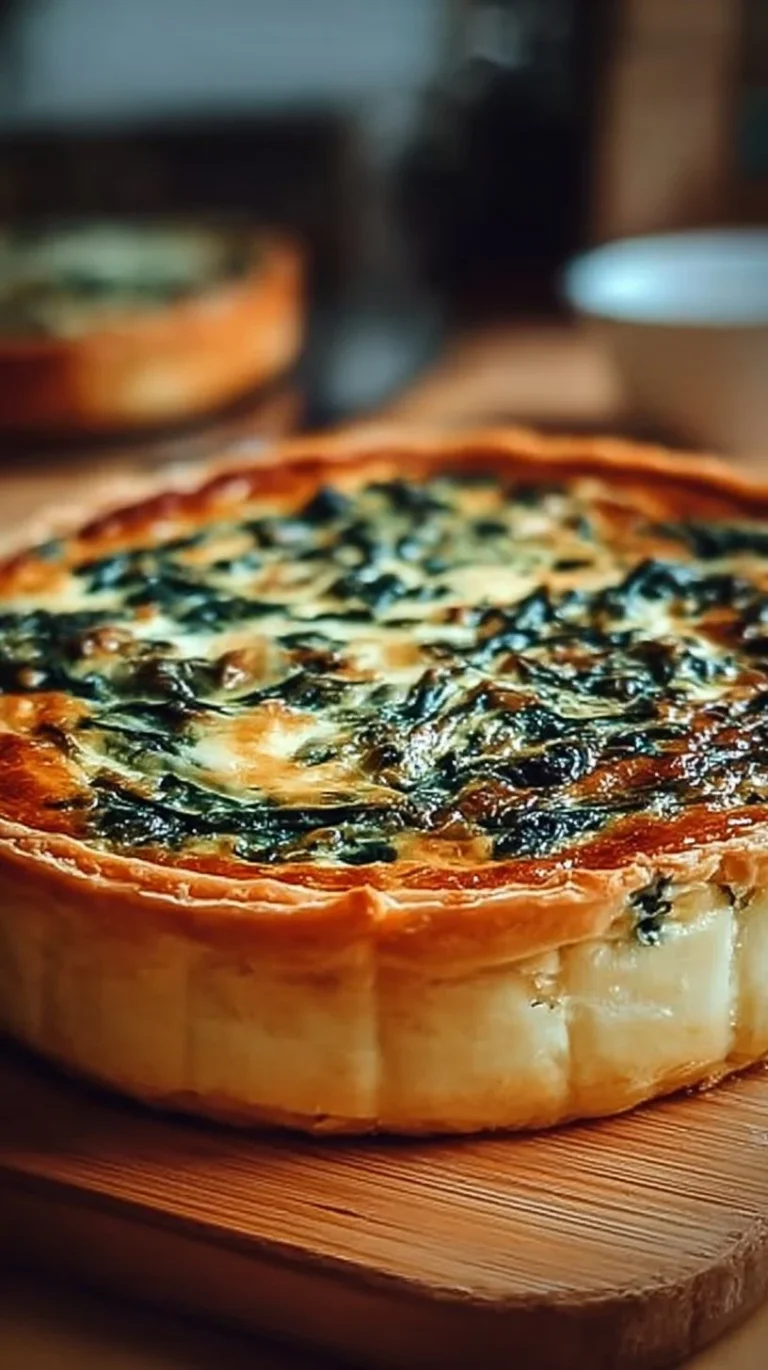
High-Protein Cottage Cheese & Turkey Sausage Breakfast Casserole

Introduction
This High-Protein Cottage Cheese & Turkey Sausage Breakfast Casserole is the kind of recipe I reach for when I want something reliable, nourishing, and uncomplicated. It’s built on familiar flavors—eggs, sausage, a bit of cheese—with cottage cheese folded in to add protein and a tender, custardy texture that keeps the dish feeling lighter than a heavy cream-based bake. It works well for a weekend brunch, a make-ahead weekday breakfast, or even a simple dinner when you want something warm and comforting without a lot of fuss.
If you like the idea of a cottage cheese-forward egg bake, you might appreciate how small shifts in technique change the result; I often compare this casserole to other high-protein egg bakes I’ve tried and saved, and I sometimes reference recipes that focus on cottage cheese as a base to understand texture differences—one of my favorite references is a baked cottage cheese eggs riff that shows how the dairy changes the mouthfeel, which you can read about here: baked cottage cheese eggs for protein-packed breakfasts. That sense of texture — tender but set — is what makes this dish feel satisfying without feeling heavy.
This is everyday food: straightforward to prep, easy to rewarm, and forgiving. It doesn’t demand precision, and it rewards simple, mindful choices so you get a breakfast (or any-meal) casserole that feels both familiar and a touch lighter than traditional versions.
How this recipe fits into a balanced lifestyle
This casserole supports a balanced approach to meals because it blends protein, vegetables, and modest amounts of dairy and fat without exaggeration. Cottage cheese brings concentrated protein and moisture without relying on heavy creams. Turkey sausage contributes savory depth and a meaty, satisfying bite while keeping the fat profile more moderate than some pork sausages. Eggs hold everything together and provide more high-quality protein and satiety.
When I talk about “lighter” here, I mean composition and feeling: the dish is built to leave room for vegetables or a bright side salad rather than dominate the plate. It’s not about restriction; it’s about designing a meal that satisfies hunger, tastes comforting, and still feels clean and energetic. In a weekly routine, this casserole can be a flexible player—slice and serve it for weekend brunch, pack slices for lunch, or pair it with grain or roasted veg for an easy dinner. Because it reheats well, it plays nicely with meal planning without becoming repetitive: a couple of small swaps to sides or herbs keep it feeling new.
How to make High-Protein Cottage Cheese & Turkey Sausage Breakfast Casserole
Think of the cooking flow as a simple assembly line. Cook and crumble the turkey sausage first so it cools slightly and doesn’t scramble the eggs when mixed. Whisk the eggs and cottage cheese together until mostly smooth; the cottage cheese will lend creaminess and help the bake set with a custard-like texture. Toss in the vegetables and cheese, transfer to a greased dish, and bake until set and lightly golden.
Simplicity matters most during the mixing stage: don’t overbeat the eggs once everything is combined—mix just enough to evenly distribute ingredients. A gentle stir keeps the final texture tender, not tough. If you like a slightly airier top, let the dish sit for a minute after baking so the custard finishes coming together and is easier to slice cleanly.
If you want to explore how different leafy greens or prep methods change the outcome, I sometimes compare the way spinach performs here with other cottage cheese–spinach combinations I’ve used; one good reference that shows similar pairings and techniques is this take on spinach and cottage cheese flagels: spinach cottage cheese flagels for easy meals. That kind of comparison helps you understand texture choices and how spinach behaves when folded into egg and dairy mixtures.
Ingredients
1 cup cottage cheese, 1 cup turkey sausage, cooked and crumbled, 6 large eggs, 1 cup spinach, chopped, 1/2 cup bell pepper, diced, 1/2 cup onion, diced, 1 cup shredded cheese (cheddar or mozzarella), Salt and pepper to taste, 1 teaspoon garlic powder, 1 teaspoon onion powder, Olive oil or cooking spray
Each ingredient plays a clear role:
- Cottage cheese: Adds concentrated protein and moisture, creating a creamy interior without heavy cream. It softens the egg custard and helps the casserole feel substantial while keeping the mouthfeel lighter.
- Turkey sausage, cooked and crumbled: Brings savory, meaty flavor and texture. Using turkey keeps the fat profile moderate and allows the spices in the sausage to carry much of the seasoning so you don’t need to add much more.
- Eggs: The structural backbone. Eggs bind the cottage cheese, veggies, and sausage into a sliceable casserole while contributing richness and protein.
- Spinach, chopped: A compact way to add color, vitamins, and a mild vegetal note. When chopped and mixed into the eggs, spinach wilts and integrates, keeping the dish bright.
- Bell pepper, diced: Adds a fresh, slightly sweet crunch when you use red or orange varieties, or a sharper note if you choose green. It contributes texture contrast.
- Onion, diced: Provides aromatic depth. Sautéing slightly before assembling (optional) softens it and mellows the bite.
- Shredded cheese (cheddar or mozzarella): Gives a melty, comforting top and pockets of richness within. Cheddar adds more tang; mozzarella keeps the finish milder.
- Salt and pepper: Basic seasoning to lift flavors without overpowering.
- Garlic powder and onion powder: Offer background savory notes that marry the cottage cheese and sausage flavors.
- Olive oil or cooking spray: Prevents sticking and ensures clean slices while contributing a subtle richness.
Mindful ingredient choices matter because balance comes from combination, not restriction. Each item here has a purpose: protein for satiety, vegetables for freshness, and modest dairy for creaminess. Together they create a dish that feels whole and satisfying.
Directions
- Preheat the oven to 350°F (175°C). Grease a baking dish with olive oil or cooking spray.,
- In a large bowl, whisk together the eggs, cottage cheese, garlic powder, onion powder, salt, and pepper.,
- Stir in the cooked turkey sausage, spinach, bell pepper, onion, and half of the shredded cheese.,
- Pour the mixture into the prepared baking dish.,
- Top with the remaining shredded cheese.,
- Bake for 25-30 minutes, or until the casserole is set and the top is lightly golden.,
- Let cool for a few minutes before slicing and serving.
Around these steps, a few supportive notes help the process feel effortless:
- Preheat and prep: Have your oven fully preheated so the casserole begins cooking evenly the moment it’s in the oven. Greasing well with oil or spray helps the edges release cleanly.
- Whisking the eggs and cottage cheese: Aim for a homogenous mixture but don’t stress over eliminating every curd; small curds of cottage cheese are fine and contribute to texture. If you prefer an ultra-smooth custard, pulse the cottage cheese briefly in a blender before adding.
- Mixing in the add-ins: Stir gently so the ingredients are distributed evenly. If the spinach is very wet, give it a quick squeeze in a towel to avoid adding excess water to the bake.
- Baking: The casserole is done when the center is set and a toothpick or knife comes out mostly clean—some slight moisture from the cottage cheese is normal, but it should not be runny. The top should be lightly golden but not overly browned.
- Resting: Letting it cool a few minutes makes slicing neater and allows the custard to finish setting, improving texture and serving appearance.
Keep the method straightforward and resist the urge to reinvent while it’s in the oven—the simple bake is the whole point.
The role of preparation in keeping this dish light
Preparation influences how heavy or light a casserole feels almost as much as the ingredients themselves. Gentle cooking techniques and proper timing keep textures bright and satisfying. For example:
- Cooking the sausage until just done and letting it cool slightly prevents it from releasing too much fat into the egg mixture, which can make the finished casserole feel greasy.
- Light sautéing or softening of the onion and bell pepper before assembly concentrates their sweetness and reduces raw bite, so they integrate into the custard rather than sit as sharp inclusions.
- Handling the eggs with a light touch—mixing until combined rather than aggressively whipping—keeps the set tender and custard-like, not rubbery or dense.
- Proper resting after baking lets the proteins finish coagulating, giving cleaner slices and a more pleasant mouthfeel.
These small technique choices create a sense of freshness and restraint that helps the casserole come across as balanced rather than heavy.
Simple ways to adjust without losing balance
If you want to personalize this casserole, you can do so conceptually without changing the listed recipe:
- Flavor-forward swaps: Change the cheese from cheddar to a sharper aged variety in small amounts, or add fresh herbs like chives or parsley for brightness. These tweaks boost flavor without adding bulk.
- Vegetables for variety: Swap or add vegetables in small quantities—sliced mushrooms, thin asparagus tips, or a handful of kale can alter texture and flavor while keeping the dish light. Cook fit-for-purpose vegetables briefly before adding.
- Spice adjustments: If your turkey sausage is mild, add a pinch of smoked paprika or a few red pepper flakes to give the casserole more depth. These are flavor moves that don’t add heaviness.
- Make it crustless or portable: For on-the-go portions, bake in a muffin tin for individual servings. Portions stay controlled but the flavor profile remains the same.
All of these changes maintain the balance of protein, produce, and moderate dairy—the idea is to keep the harmony, not overhaul it.
Pairing ideas for a complete, well-rounded meal
This casserole is satisfying on its own, but thoughtful pairings make a plate feel complete without excess:
- Fresh side salad: A simple mix of baby greens, lemon vinaigrette, and some thinly sliced cucumber offers crispness and acidity to counter the casserole’s richness.
- Roasted vegetables: Lightly roasted cherry tomatoes or asparagus spears add color and concentrated flavor without weighing the meal down.
- Grain or toast: A slice of whole-grain toast or a small serving of warm quinoa provides a grounding carbohydrate if you want something heartier.
- Fruit: A small bowl of fresh melon or citrus segments adds brightness and a refreshing contrast.
- For brunch: Add a small dish of pickled red onions or a bright chimichurri to cut through the richness and add complexity.
If you’re looking for side inspirations that pair well with egg-based mains, I often reach for simple roasted or sweet potato ideas to round the plate—see this sweet breakfast potato approach for inspiration on pairing starchy sides thoughtfully: breakfast sweet potato pairings.
Storage, leftovers, and next-day enjoyment
This casserole holds up well in the fridge and is convenient for meal prep:
- Cooling and storing: Let the casserole cool to room temperature, then cover tightly with foil or transfer slices to an airtight container. It will keep 3–4 days in the refrigerator.
- Freezing: You can freeze individual slices wrapped tightly and stored in a freezer-safe container for up to 2 months. Thaw overnight in the fridge before reheating.
- Reheating: For best texture, reheat slices in a 350°F oven for 8–12 minutes until warmed through; a toaster oven works well for single portions. Microwaving is fine for convenience—heat at 30–45 second intervals—but expect a softer top and slightly different texture.
- Freshness tips: If the casserole tightens up a bit after chilling, let it return to room temperature briefly before reheating; a splash of water or a loose cover during reheating can help restore moisture.
Leftovers make straightforward lunches or quick dinners—slice, pair with a salad, and you’ve got a balanced plate without extra cooking.
Common questions about lighter everyday cooking
Q: How big should a portion be?
A: Aim for a slice that fits comfortably on a standard dinner plate alongside a salad or vegetable—roughly 1/6 to 1/8 of the dish depending on appetite. The key is to combine it with something fresh so the plate feels balanced.
Q: Can I meal prep this for the week?
A: Yes. Bake, cool, portion, and store in the fridge. It reheats cleanly and pairs well with salads, grains, or roasted veg for variety across meals.
Q: How do I avoid a soggy casserole?
A: Control moisture in add-ins—squeeze very wet greens, and avoid adding too much liquid. Cooked sausage that’s drained and slightly cooled reduces excess fat and moisture.
Q: How do I keep from getting bored with repeats?
A: Rotate sides, change the cheese, or add a finishing herb or sauce each day—small changes make the same base feel new.
Q: Is this suitable for dinner?
A: Absolutely. It’s comforting and substantial enough for a light dinner, especially when paired with roasted vegetables and a grain or salad.
Final thoughts from Daniel
This High-Protein Cottage Cheese & Turkey Sausage Breakfast Casserole is a practical recipe that respects time and appetite. It’s straightforward to make, forgiving in technique, and versatile enough to slide into breakfasts, lunches, or dinners. The cottage cheese is the quiet hero—bringing creaminess and protein without weighing the dish down—and the turkey sausage provides the savory foundation that makes every bite feel complete.
Cook with intention, not perfection: aim for balance on the plate, choose a few simple, quality ingredients, and be willing to make small swaps that suit your tastes. Keep this casserole in rotation for those weeks when you want something that’s both satisfying and refreshingly simple.
Conclusion
If you’re interested in seeing another take on a cottage cheese-forward breakfast casserole with slightly different seasoning and textures, check out this Sausage and Egg Cottage Cheese Breakfast Casserole from The Roasted Root for ideas on variations and presentation: Sausage and egg cottage cheese breakfast casserole from The Roasted Root. For a closer look at the mechanics of a cottage cheese egg bake and how it affects texture and protein content, this high-protein cottage cheese egg bake at The Balanced Nutritionist is a thoughtful resource: high-protein cottage cheese egg bake at The Balanced Nutritionist.

High-Protein Cottage Cheese & Turkey Sausage Breakfast Casserole
Ingredients
Method
- Preheat the oven to 350°F (175°C). Grease a baking dish with olive oil or cooking spray.
- In a large bowl, whisk together the eggs, cottage cheese, garlic powder, onion powder, salt, and pepper.
- Stir in the cooked turkey sausage, spinach, bell pepper, onion, and half of the shredded cheese.
- Pour the mixture into the prepared baking dish.
- Top with the remaining shredded cheese.
- Bake for 25-30 minutes, or until the casserole is set and the top is lightly golden.
- Let cool for a few minutes before slicing and serving.