
Spinach and Feta Egg Cups
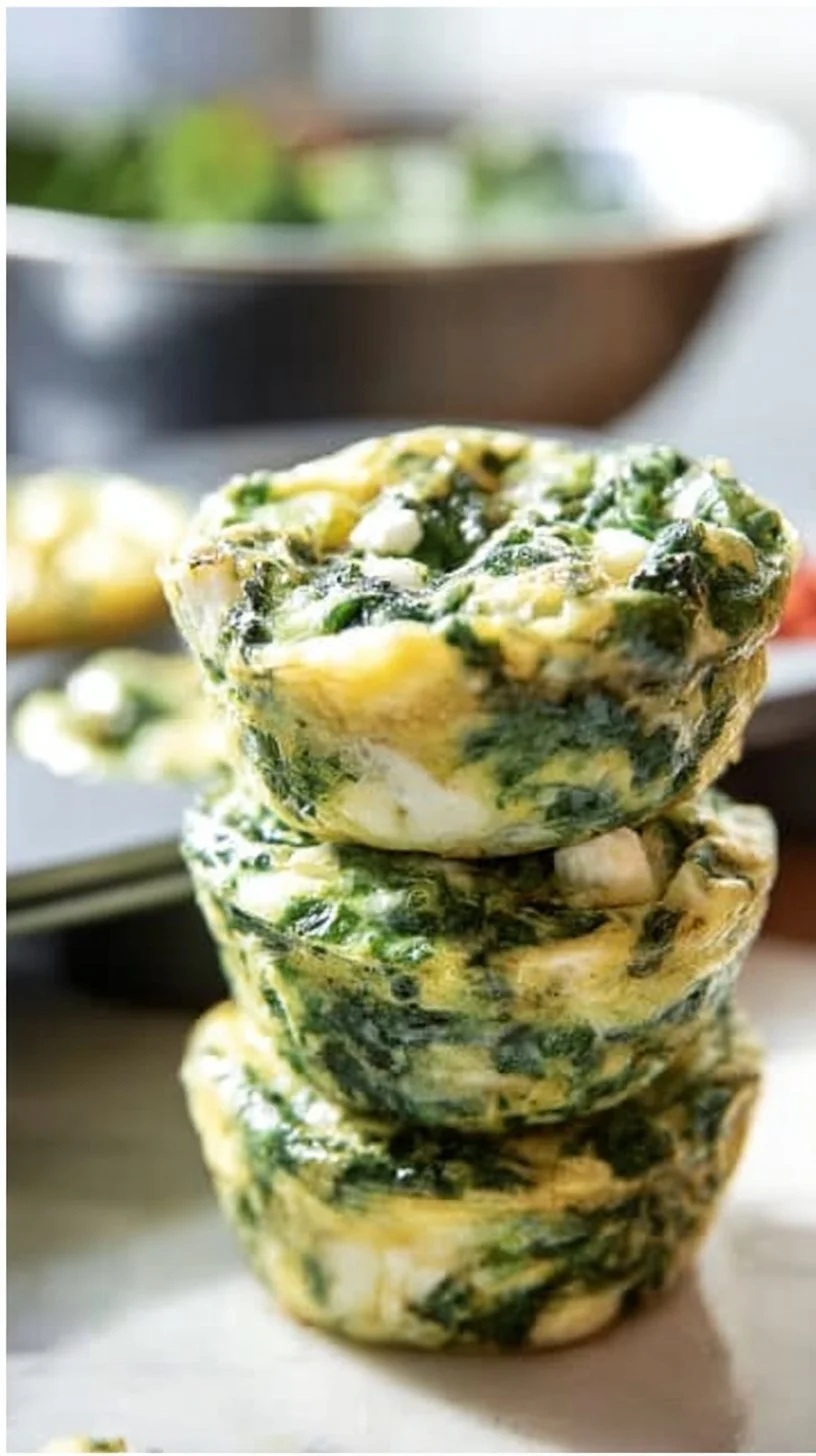
Spinach and Feta Egg Cups are one of those dependable recipes I turn to when I want something that’s quick, satisfying, and just a little bit lighter than a plate of heavy breakfast potatoes. They’re straightforward to make, easy to portion, and gentle on the palate while still offering that comforting, familiar egg-and-cheese flavor that makes mornings feel put together. Because they hold their shape and reheat well, they work as a weeknight dinner, a portable lunch, or a batch-cooked breakfast for busy days.
If you’re the kind of cook who likes a simple, versatile egg dish to anchor other meals, these cups pair nicely with dishes that have a bit more volume or texture — for example, a tray of roasted vegetables or a grain salad. For a different but complementary spinach-forward option to keep your weekly rotation interesting, you might like this creamy mushroom and spinach stuffed sweet potatoes, which uses similar ingredients in a different form.
I write about meals that balance ease and flavor. These egg cups fit that goal: minimal fuss, thoughtful ingredients, and results that feel fresh instead of heavy.
How this recipe fits into a balanced lifestyle
This recipe supports a practical approach to eating that emphasizes balance and ease over restriction. The structure here is simple: protein from eggs, bright, leafy greens for volume and flavor, and a salty tang from feta that keeps each bite interesting. Those elements add up to a plate that feels satisfying without relying on large portions or rich sauces.
When I say "lighter," I mean thoughtful portions and ingredient choices rather than leaving pleasure out. Using fresh spinach contributes bulk and a clean flavor, so you’re not trying to fill up on dense sides. Feta brings concentrated savory notes, so you need less to feel content. Baking the cups instead of frying keeps the texture clean and avoids extra fats in the pan. These considerations make the dish easy to slot into a varied weekly routine — whether it’s a relaxed weekend brunch, a hurried weekday breakfast you can grab on the go, or a light dinner paired with a salad.
Because the base is eggs and spinach, the cups are flexible: eat them as the main protein with a grain and veg on the side, or add one to a bowl for a composed lunch. That flexibility helps avoid monotony in meal planning without turning cooking into a chore.
How to make Spinach and Feta Egg Cups
Think of the cooking flow as three short acts: prep, combine, and bake. Prep means washing and roughly chopping the spinach if needed and getting your muffin tin prepared. Combine is placing spinach and feta in the cups and whisking the eggs with the seasonings. Bake is simply pouring the eggs and letting the oven do the work.
Simplicity matters most at the start: have your muffin tin ready (well-oiled or buttered), measure your feta and spices in one small bowl, and whisk the eggs in a vessel that’s easy to pour from. That prevents juggling while you fill cups. Once they’re in the oven, you can use the 20 minutes to clean up, make a quick side, or set the table.
Approach the recipe without overthinking it: the key is even distribution in the cups and not overbaking. A gentle jiggle when they come out will tell you they’re done — set enough to hold, but still tender.
Ingredients
6 lg eggs, 1 1/2 cup fresh spinach, 1/3 cup feta cheese, 1/8 tsp garlic powder, 1/8 tsp onion powder, pinch kosher salt, pinch black pepper, cooking spray or butter or oil of choice
- 6 lg eggs: Eggs are the foundation here. They provide structure, silkiness, and satiety. Whole eggs also bring a balance of fat and protein that keeps the cups feeling satisfying without heaviness.
- 1 1/2 cup fresh spinach: Fresh spinach adds moisture, volume, and a clean, slightly sweet green flavor. Because it cooks down considerably, it feels abundant in the finished cup but doesn’t weigh the dish down.
- 1/3 cup feta cheese: Feta offers a salty, tangy punch that lifts the eggs. It’s a strong-flavored cheese, so a little goes a long way toward making each bite interesting — which helps keep portions moderate without feeling like you’re missing something.
- 1/8 tsp garlic powder and 1/8 tsp onion powder: These powdered aromatics give a rounded, savory backbone without adding extra moisture or needing fresh ingredients. They’re pantry-friendly and consistent, which is useful when you want steady results.
- Pinch kosher salt and pinch black pepper: Light seasoning is enough here because the feta brings saltiness. The pinch of salt and pepper lets the other flavors sing.
- Cooking spray or butter or oil of choice: Your fat of choice is for greasing the muffin tin. It prevents sticking and adds a subtle flavor layer. Using a moderate amount keeps the cups lighter than frying while still ensuring they release cleanly.
These ingredients rely on quality and proportion rather than complexity. That’s the kind of mindfulness that keeps the dish feeling light, satisfying, and easily repeatable.
Directions
Pre-heat oven to 350 degrees. , Generously oil muffin tin., Add spinach and feta to cups in muffin tin., Whisk eggs in a measuring cup with a pour spout. Add garlic powder, onion powder, salt, and pepper., Pour egg mixture into cups until at least 3/4 way full. , Bake for 20 minutes. Remove and cool. , Store in fridge for up to 5 days or freeze for 3 months.
Supportive guidance around the steps:
- "Pre-heat oven to 350 degrees." — Give the oven time to come to temperature so the eggs set evenly. An oven that’s fully preheated will give the cups set edges and tender centers.
- "Generously oil muffin tin." — Don’t be stingy here; a good coating prevents sticking and keeps the edges perfectly shaped. If you prefer a bit of extra flavor, use a small knob of butter in each cup instead of spray.
- "Add spinach and feta to cups in muffin tin." — Distribute the spinach and feta relatively evenly so each cup gets a balance of green and salty cheese. If your spinach leaves are large, tearing them helps them fit more naturally into the cups.
- "Whisk eggs in a measuring cup with a pour spout. Add garlic powder, onion powder, salt, and pepper." — Whisk until the whites and yolks are fully combined. A measuring cup with a spout makes pouring quicker and reduces spills. Taste is subjective: because feta is salty, keep the added salt cautious.
- "Pour egg mixture into cups until at least 3/4 way full." — Filling to about three-quarters leaves room for the eggs to rise slightly without spilling over. If you see air pockets, tap the tin gently on the counter to settle the mixture.
- "Bake for 20 minutes. Remove and cool." — Start checking at 18 minutes if your oven runs hot. The cups should be set around the edges and slightly springy in the center; that slight give means they’ll stay tender after cooling.
- "Store in fridge for up to 5 days or freeze for 3 months." — Cool completely before storing to preserve texture. Freeze in a single layer on a tray, then transfer to a bag for easy reheating later.
As you move through these steps, look for even color and gentle puffing. Overcomplicating with extra ingredients or precise tricks rarely improves the result; consistent heat, even distribution of fillings, and a reliable pan are what matter.
The role of preparation in keeping this dish light
How you prepare these egg cups matters as much as the ingredients. Baking — rather than frying — keeps excess oil out of the equation and gives a clean texture that’s tender rather than greasy. Using fresh spinach instead of a heavy sautéed green or creamed filling keeps moisture in check and brightens the overall flavor.
Portion control is another preparation choice: using a standard muffin tin naturally creates modest portions that feel satisfying without being oversized. That physical limit makes it easier to build a balanced meal around the cups (for example, pairing one or two cups with a salad and whole grain).
Finally, quick, efficient prep preserves texture. Overworking the eggs or packing the cups too tightly can make them dense. Whisk just until homogeneous and distribute fillings lightly — these small technique choices have a big impact on whether the finished cups feel light and enjoyable or dense and heavy.
Simple ways to adjust without losing balance
You can personalize these egg cups without changing the core recipe. A few thoughtful swaps keep the dish flavorful and light:
- Adjust the herbs and aromatics: Add a pinch of dried oregano or a bit of fresh dill for a different herbal profile. These small swaps boost flavor without adding heaviness.
- Play with texture: Fold in finely diced red pepper or scallion for a crunchy lift. A little raw vegetable texture can make the cups more interesting per bite.
- Change the cheese approach: If you want milder cheese, use a bit less feta and add a sprinkle of grated Parmesan for nuttiness — still salty, but different. Remember to keep quantities modest to maintain balance.
If you’re exploring related egg-based dishes for variety while sticking to the same comforting ingredients, try a crustless quiche with cottage cheese and spinach; it offers a creamier texture and can be sliced for meals, which is helpful for planning. For an example of how similar ingredients play out in another format, consider this irresistibly creamy cottage cheese and spinach crustless quiche — it shows how small technique shifts change texture and presentation without losing the same balanced intent.
Remember: these are conceptual tweaks only — don’t change the ingredient list or the directions if you’re following the original recipe exactly.
Pairing ideas for a complete, well-rounded meal
When building a plate, aim for contrast: something green and crisp, something starchy if you want more heft, and a small component that adds brightness.
- A simple mixed-green salad with lemon vinaigrette lifts the meal with acidity and crunch.
- Roasted sweet potato wedges or a slice of whole-grain toast provide grounding carbs without heaviness; their textures contrast the tender egg cups.
- For a Mediterranean twist, serve with sliced cucumbers, cherry tomatoes, and a spoonful of tzatziki or plain yogurt on the side.
- If you want more protein variety, a small serving of smoked salmon or a handful of roasted chickpeas adds interest without overwhelming the dish.
Pairings are about balance: a small starch, a fresh veg, and the egg cups create a plate that feels satisfying and composed.
Storage, leftovers, and next-day enjoyment
These egg cups are reliable in the fridge and freezer. For short-term storage, cool completely, then place in an airtight container with a paper towel to absorb any residual moisture; they’ll keep up to five days. For longer storage, flash-freeze the cooled cups on a tray, then move them into a freezer bag — they’ll keep about three months.
Reheating tips:
- From the fridge: Warm individual cups in the microwave for 20–40 seconds, or 8–10 minutes in a 325°F oven for multiple cups.
- From frozen: Microwave from frozen in 60-second increments until hot. If you have time, thaw in the fridge overnight for a more even texture and reheat briefly in the oven or microwave.
Avoid overheating, which can toughen eggs. A gentle reheat preserves the tender center and keeps the feta from becoming grainy.
Common questions about lighter everyday cooking
- How many cups should I plan per person? One or two egg cups is a practical portion depending on appetite and what else is on the plate. If you’re serving alongside a salad and toast, one cup is often enough; for a heartier meal, plan two.
- How do I avoid meal fatigue with repeated recipes? Small variations in sides, herbs, and condiments keep a base recipe fresh. Rotate between a grain bowl, a leafy salad, or roasted veg to make the same egg cups feel different across the week.
- Is it realistic to meal-prep this for the week? Yes. These are designed to be made ahead and enjoyed across several days. The key is cool storage and gentle reheating to maintain texture.
- How do I keep lighter meals satisfying? Focus on protein, a bit of fat, and volume from vegetables. That combination keeps energy steady and the meal pleasurable without relying on large portions or heavy sauces.
Final thoughts from Daniel
This recipe captures the kind of cooking I aim for: practical, approachable, and flavorful. Spinach and Feta Egg Cups are modest in their components but generous in their utility — they’re easy to make, simple to store, and forgiving in the oven. They reward a calm, uncomplicated approach and fit naturally into a balanced week of meals.
Cook intuitively: experiment with small tweaks, pair them with different sides, and use them as a base for more composed plates. Balance is flexible — the goal is steady enjoyment and nourishment, not perfection.
Daniel Brooks
Conclusion
If you want a meal-prep perspective on a similar recipe, see this Meal Prep Spinach Feta Egg Cups – Nourished by Nic for tips on batching and freezing. For another bite-sized take on spinach and feta, check out the Spinach and Feta Egg Bites – I Heart Vegetables, which offers a slightly different method and flavor profile. For a muffin-style spinach-and-feta approach that highlights texture and simple ingredients, this Spinach Egg Muffins with Feta Cheese – Stephanie Kay Nutrition is a useful reference.
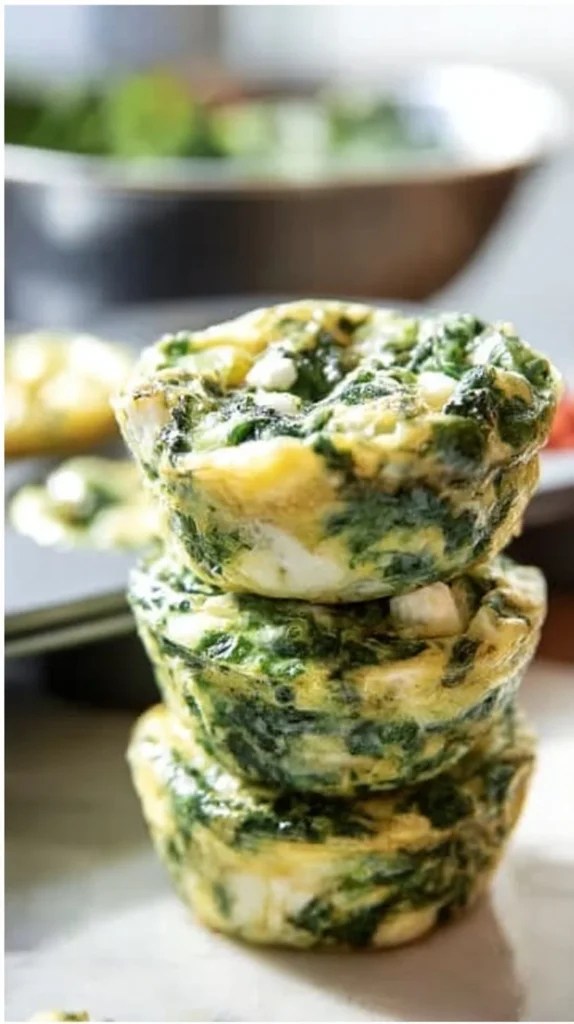
Spinach and Feta Egg Cups
Ingredients
Method
- Pre-heat oven to 350°F.
- Generously oil the muffin tin.
- Add spinach and feta to cups in the muffin tin.
- Whisk eggs in a measuring cup with a pour spout. Add garlic powder, onion powder, salt, and pepper.
- Pour the egg mixture into cups until at least 3/4 full.
- Bake for 20 minutes. Remove and cool.