High Protein Chicken Fried Rice
Introduction
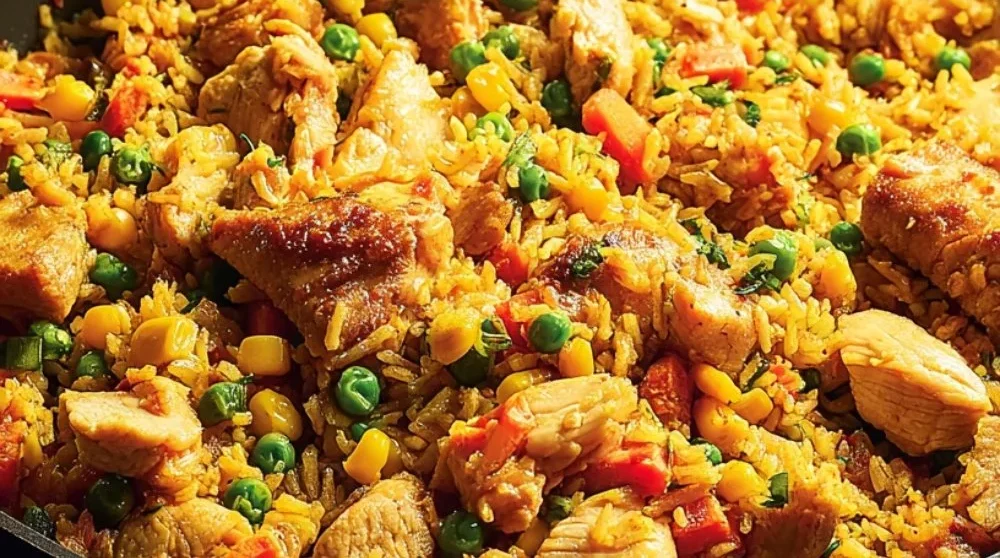
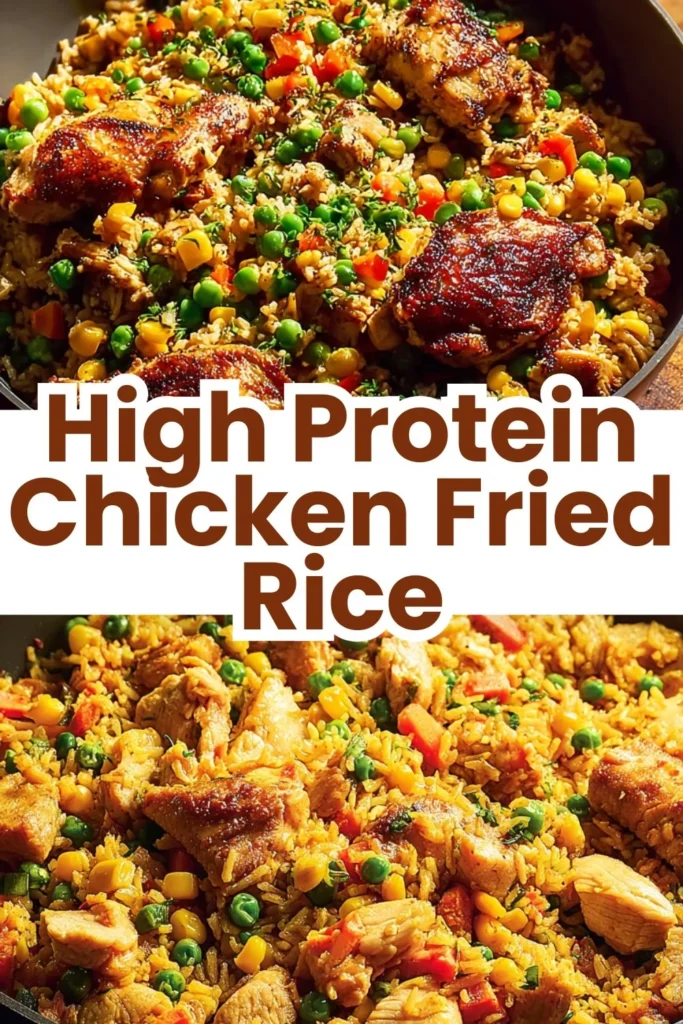
This High Protein Chicken Fried Rice is one of those everyday meals I turn to when I want food that feels familiar and comforting but doesn’t weigh the rest of the evening down. It’s quick to build from things you often have on hand — cooked brown rice, leftover or simply cooked chicken, a bag of mixed vegetables — and it arrives at the table warm, savory, and reliably satisfying. Because it leans on lean protein, bright aromatics, and a modest amount of oil, the meal reads as lighter in the plate’s overall balance while still hitting that savory, rice-forward comfort people expect.
If you like meals that come together in one pan and leave you with a tidy clean-up, this will suit weeknights and lunches equally well. It’s also forgiving: toss in extra veg if you want more volume, or stretch portions across a couple of meals without feeling like you’re eating the same heavy dish twice. If you enjoy straightforward, crowd-pleasing dinners, you might also appreciate a different kind of weeknight recipe like this smoky BBQ chicken pizza recipe for nights when you want to swap rice for crust.
How this recipe fits into a balanced lifestyle
This recipe is built around moderation and practical choices instead of restriction. The focus is on balanced portions of whole-grain rice, lean protein, and vegetables — a simple way to cover satiety, texture, and color without fuss. Because brown rice carries more texture and a nuttier flavor than white rice, it helps the dish feel more substantial without needing heavy sauces or extra oil. The eggs add protein and silkiness, while the sesame oil and soy sauce deliver concentrated flavor so you don’t have to rely on large quantities.
Feeling lighter here is more about cooking technique and ingredient quality than eliminating anything. Simple swaps — like using pre-cooked chicken or frozen mixed vegetables — keep the recipe approachable and realistic for busy nights. The outcome is a meal that supports daily energy and enjoyment: it satisfies both appetite and the craving for something warm and savory, but it doesn’t require an all-day prep or an overly rich sauce to do so.
How to make High Protein Chicken Fried Rice
At its core this recipe is a classic stir-fry flow: heat fat, cook vegetables, add eggs, then combine rice and protein and finish with seasoning. The key to keeping it feeling light is to move quickly and avoid letting any component sit so long it goes dull or mushy. Use medium heat rather than very high heat if your skillet is thin — sustained high heat can overcook small pieces and make rice clump.
Where simplicity matters most is timing: have everything prepped and within reach before you turn on the stove. Cooked rice should be cooled (day-old rice is ideal if you have it), the chicken diced, and the eggs beaten so they go in and cook fast. Use one large skillet or wok so ingredients have room to move; overcrowding leads to steaming rather than the quick sear that keeps texture lively.
If you want a quick reference while you work, think of the process as three parts — vegetables, eggs, then rice and chicken — and treat the soy sauce and sesame oil as finishing touches rather than the elements that carry the dish. For a slightly different texture or flavor profile, consider tossing in a splash of a neutral oil at the start if your sesame oil is very fragrant — it helps distribute heat without overwhelming the other flavors. And if you’re interested in other weeknight one-pan ideas, a simple alternative is this approachable BBQ chicken pizza that trades the wok for the oven while staying in the same quick, family-friendly lane.
Ingredients
2 cups cooked brown rice, 1 cup cooked chicken, diced, 1 cup mixed vegetables (peas, carrots, bell peppers), 2 eggs, beaten, 2 tablespoons soy sauce, 1 tablespoon sesame oil, 2 green onions, sliced, Salt and pepper to taste
Each item here plays a clear role:
- 2 cups cooked brown rice: Provides the comforting base and a toothier texture than white rice. It absorbs seasoning without turning mushy, which helps the finished plate feel substantial but not heavy.
- 1 cup cooked chicken, diced: Adds lean protein, which contributes to satiety and makes the meal more balanced. Using cooked chicken saves time and helps you control portion size.
- 1 cup mixed vegetables (peas, carrots, bell peppers): Brings color, different textures, and small bursts of natural sweetness and freshness that keep the rice from feeling monotone. Frozen mixes are fine and very convenient.
- 2 eggs, beaten: Create a silky, binding element that adds body and richness without needing extra fat. They also round out the protein content.
- 2 tablespoons soy sauce: The primary seasoning that delivers umami and salt; it does a lot of flavor work, so you don’t need added heavy sauces.
- 1 tablespoon sesame oil: A little goes a long way for aroma and depth. Using it judiciously keeps things flavorful without greasiness.
- 2 green onions, sliced: Bright finish that lifts the whole dish and provides a fresh contrast to the cooked elements.
- Salt and pepper to taste: Season carefully at the end, since soy sauce already contributes salt.
These choices show how balance is achieved through combination rather than restriction. Whole-grain rice and vegetables bulk up the plate, lean protein anchors it, and concentrated seasonings provide satisfying flavor without extra calories or heaviness.
Directions
- Heat the sesame oil in a large skillet or wok over medium heat., 2. Add the mixed vegetables and cook until tender., 3. Push the veggies to the side and pour in the beaten eggs, scrambling until fully cooked., 4. Stir in the cooked chicken and rice., 5. Add the soy sauce and mix everything until well combined., 6. Cook for an additional 2-3 minutes until heated through., 7. Season with salt and pepper to taste, then garnish with sliced green onions before serving.
A few practical notes to accompany those steps:
- Step 1 (heating the oil): Warm the pan first, then add the sesame oil — it should shimmer but not smoke. If your sesame oil is particularly toasted and robust, use medium rather than medium-high heat so it doesn’t burn and become bitter.
- Step 2 (vegetables): Watch for slight browning on bell peppers and a tender snap on carrots. The vegetables continue to cook when you mix everything together, so stop when they’re just tender, not falling apart.
- Step 3 (eggs): Pushing vegetables to the side creates a little skillet pocket and saves you stirring the whole pan while the eggs set. Cook them until there’s no liquid egg left; small curds folded through the rice add pleasant richness.
- Step 4 (adding chicken and rice): Break up any clumps of rice with the back of your spoon or spatula so grains separate. Toss gently to combine; you want to coat the rice with the sesame oil and egg so it’s glossy but not oily.
- Step 5 (soy sauce): Add it in one go or in two splashes, tasting as you go. Because soy is salty, err on the side of less and adjust at the end.
- Step 6 (final heat through): This is mostly about texture and ensuring everything is hot. Two to three minutes lets flavors meld without overcooking the vegetables or drying the chicken.
- Step 7 (season and garnish): Always taste before final seasoning. A little cracked pepper and the brightness of green onions do more than you expect.
Watch and trust the visual cues: glossy rice, vibrant veg, and small, even curds of egg mean you’re on track. Don’t overthink — the recipe is resilient and meant for day-to-day cooking.
The role of preparation in keeping this dish light
Preparation changes the way food sits in your stomach and how satisfying it feels on the plate. Cooling rice or using day-old rice keeps grains separate, so they don’t compact and feel heavy. Pre-cooking chicken and dicing it small means it heats quickly and blends into the rice without needing extra oil or sauce to compensate. Beating eggs ahead of time and having the soy sauce measured prevents last-minute over-seasoning.
Technique is as important as ingredients: stir-frying over a moderate temperature preserves texture and encourages slight caramelization rather than steaming or turning ingredients mushy. Little choices — draining thawed vegetables so they’re not waterlogged, patting chicken dry before dicing — stop excess moisture that can make the dish feel soggy. All these habits preserve bright flavors and distinct textures, which contributes to the perception of lightness even when the plate is filling.
Simple ways to adjust without losing balance
There are a few easy, flavor-forward adjustments that keep the dish balanced:
- Increase vegetables for extra volume: add bok choy, snap peas, or shredded cabbage to amp fiber and crunch without extra calories.
- Swap the rice base: use cauliflower rice for a lower-carb option or keep brown rice for more chew and whole-grain feel — both work with the same technique.
- Add a hit of acid at the end: a squeeze of lime or a few drops of rice vinegar can lift the dish and counterbalance richness.
- Amp the aromatics: grated ginger or a clove of minced garlic at the start will deepen flavor with minimal prep.
- Toasted sesame seeds or a small drizzle of chili oil at the end: they add texture and a flavor punch without overwhelming the plate.
These ideas aim to tweak mouthfeel and flavor rather than change the core identity. None require altering the ingredient list or adding extra steps that complicate the cooking.
Pairing ideas for a complete, well-rounded meal
Building a plate around this fried rice is about contrast and lightness. A simple, crisp green salad dressed with a citrus vinaigrette provides a refreshing counterpoint to the warm rice. A bowl of broth-based miso or a light clear soup complements the meal without doubling up on heaviness. Steamed edamame or a small cucumber salad gives extra protein or crunch without adding dense calories.
For a more family-style approach, serve the fried rice with a platter of quick pickles — thinly sliced cucumbers or carrots tossed with rice vinegar and a pinch of sugar — and a wedge of lime for squeezing. If you’re entertaining and want to add something substantial without making the plate feel heavy, a couple of sliced, charred pieces of tofu or a simple grilled vegetable skewer works well. If you’d like other easy, weeknight mains that pair well with rice-focused meals, try comparing textures and finishes to something like my practical BBQ chicken pizza to vary your weekly rotation.
Storage, leftovers, and next-day enjoyment
This fried rice stores and reheats well, which makes it ideal for lunches or a quick dinner the next day. Cool the rice to room temperature within an hour, then refrigerate in an airtight container for up to 3–4 days. If you want to freeze portions, do so within 24 hours of cooking and eat within 1–2 months for best texture.
For reheating, a hot skillet is your friend — add a teaspoon of oil, then toss the rice until it’s warmed through and the grains regain some separation. If using a microwave, sprinkle a few drops of water over the rice and cover briefly to create steam and prevent drying out. Avoid reheating multiple times; reheat only the portion you plan to eat. Freshly sliced green onions or a quick squeeze of lime before serving will revive the flavors and give the leftovers a fresh finish.
Common questions about lighter everyday cooking
- How much should I serve per person? Aim for about 1 to 1¼ cups per person as a main, adjusting up if you’re pairing with lighter sides or down if you’re serving alongside another protein or hearty salad.
- How often can I repeat a meal like this without getting bored? Vary texture and flavor by switching the main vegetable, adding a different acid or spice finish, or rotating the grain base across the week. Small changes keep repetition friendly rather than monotonous.
- Can I make this ahead for meal prep? Yes — cook components ahead and assemble quickly when you’re ready to eat, or make full batches and portion them for easy lunches.
- How do I keep fried rice from being greasy? Use the oil sparingly and rely on the soy sauce and aromatics for flavor. A hot pan and quick cooking help you use less oil while still getting a good sear.
- How do I increase protein without making it heavy? Add modest amounts of another lean protein like shelled edamame or a small extra egg white — spreads protein across the plate without dominating it.
These practical pointers focus on small adjustments and realistic routines rather than strict rules.
Final thoughts from Daniel
This High Protein Chicken Fried Rice is exactly the kind of weeknight workhorse I want in my rotation: forgiving, quick, and balanced. It shows that meals can feel lighter through thoughtful ingredient choices and simple technique, without sacrificing the warm, savory flavors we often crave. Cook it without pressure, taste as you go, and let the small finishing touches — green onions, a squeeze of lime, or a sprinkle of seeds — be what makes it yours. Balance is flexible; make this recipe fit your week, then feel free to tweak the components to suit your mood and season.
Conclusion
If you’d like to compare variations and nutrition-minded perspectives, check out this practical take on healthy chicken fried rice from Nutritionist Mom: Nutritionist Mom’s healthy chicken fried rice. For another example of a high-protein, rice-forward recipe presented in an app-friendly format, see the High Protein Chicken Fried Rice listing on the Samsung Food App: Samsung Food App’s high-protein version.
High Protein Chicken Fried Rice
Ingredients
Method
- Heat the sesame oil in a large skillet or wok over medium heat.
- Add the mixed vegetables and cook until tender.
- Push the veggies to the side and pour in the beaten eggs, scrambling until fully cooked.
- Stir in the cooked chicken and brown rice.
- Add the soy sauce and mix everything until well combined.
- Cook for an additional 2-3 minutes until heated through.
- Season with salt and pepper to taste, then garnish with sliced green onions before serving.