High Protein Banana Bread Breakfast Bread
Introduction
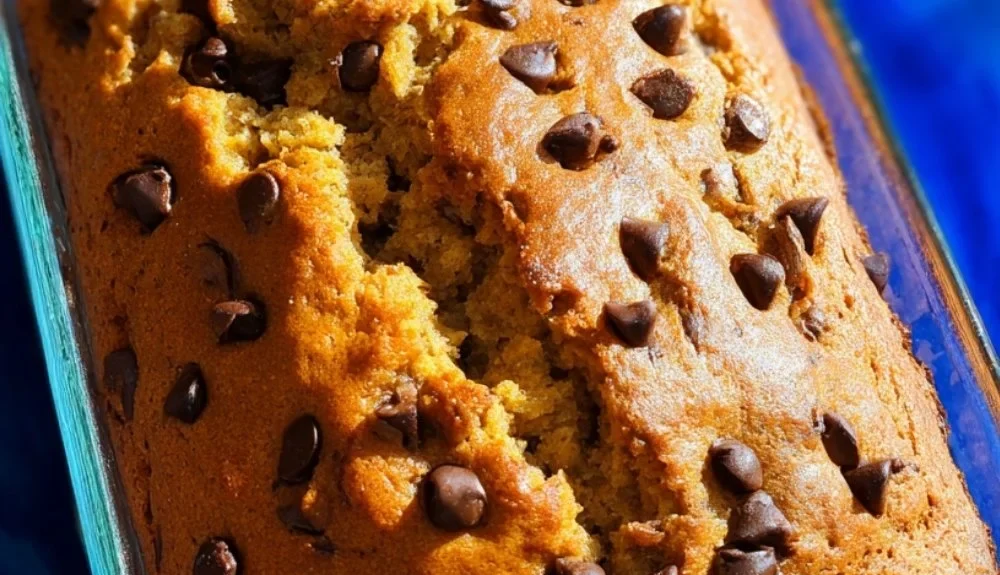
This High Protein Banana Bread Breakfast Bread is exactly the kind of recipe I reach for when I want something that reads as comfort food but performs like a practical breakfast. It’s familiar — sweet, banana-forward, with that browned loaf aroma — yet it’s tuned to a day-to-day routine by leaning on whole wheat flour and protein powder so a slice holds you until the next meal without feeling dense. For busy mornings, it’s easy to slice and take with you, and for slower weekends it slices beautifully for a relaxed breakfast with a cup of coffee.
If you like having a few reliable breakfast patterns ready, this loaf sits nicely next to other simple, protein-forward options like high-protein breakfast burritos — not the same thing, but the same idea: flavor, convenience, and sensible satiety.
How this recipe fits into a balanced lifestyle
This banana bread finds balance through smart swaps and realistic portions. The mix of whole wheat flour and a scoop of protein powder gives structure and a little staying power; the banana and honey (or maple syrup) bring sweetness so you don’t miss heavy amounts of added sugar, and the coconut oil keeps the crumb tender without relying on butter. It’s not “light” because it’s skimpy; it’s lighter because the ingredients are chosen to maximize satisfaction per bite.
For a balanced week, this loaf is versatile. It’s a make-ahead breakfast that can be paired with fresh fruit and a yogurt, or a mid-morning slice between meals. On nights when you want something straightforward for morning prep, it’s a simple bake that yields multiple portions without elaborate technique. That practical approach — planning a little once so you have many calm mornings — is what helps meals feel both nourishing and enjoyable.
This approach also helps avoid extremes. Instead of a “low” or “no” ingredient philosophy, it’s moderation through combination: whole grains for slow energy, protein for fullness, and modest natural sweeteners to satisfy taste. If you’re experimenting with different breakfast rhythms, compare textures and timing across your options; for example, something hot and egg-based might feel heavier early in the week while a slice of this bread feels right on a rushed Friday morning.
How to make High Protein Banana Bread Breakfast Bread
The overall flow here is straightforward: mash bananas, stir together the wet stuff, whisk the dry stuff, fold, and bake. The simplicity matters — don’t overwork the batter, and trust the ingredients to do their job. The one area I pay attention to is the mixing stage: combine until ingredients are just incorporated. Overmixing whole wheat batters can lead to a tighter crumb; gentle folds keep the bread tender.
Start by prepping your loaf pan and preheating the oven so you’re not holding the batter while the oven warms. Measure the protein powder and flour accurately; too much of either changes texture noticeably. When the batter goes into the oven, smooth the top lightly for an even rise. During baking, look for a golden top and a clean toothpick test in the center. Resting the bread 10 minutes in the pan helps it hold together when you turn it out — patience here makes slicing nicer.
If you prefer a slightly more moist crumb, a shorter bake time that’s just until a toothpick comes out with a few moist crumbs (not raw batter) will keep it tender. If you want a firmer slice for sandwiches, a few more minutes will set it up. Both are valid; choose based on how you’ll use the loaf.
Ingredients
3 ripe bananas, 2 cups whole wheat flour, 1/2 cup protein powder, 1/2 cup honey or maple syrup, 1/3 cup coconut oil, melted, 2 eggs, 1 teaspoon baking soda, 1/2 teaspoon salt, 1 teaspoon cinnamon, 1/2 cup chopped walnuts or chocolate chips (optional)
Each ingredient plays a clear role:
- Ripe bananas: They provide moisture, natural sweetness, and that classic banana flavor. The riper the banana, the more pronounced the sweetness and the easier they mash into a smooth base.
- Whole wheat flour: Brings a nutty depth and fiber, which helps the loaf feel substantial without being heavy. It also contributes to structure and a more complex flavor than plain white flour.
- Protein powder: Adds protein to extend the breakfast’s staying power and gives a denser, slightly chewier texture that helps the bread feel like a complete mini-meal.
- Honey or maple syrup: Natural liquid sweeteners that dissolve easily and help keep the crumb soft. Using either lets you choose flavor direction — maple runs warmer, honey a little brighter.
- Coconut oil, melted: Keeps the bread tender and adds a subtle, pleasant richness. Melted oil mixes smoothly into the bananas and sweetener.
- Eggs: Bind the loaf and add lift; eggs also contribute to a tender crumb and help with browning.
- Baking soda: The leavening agent that reacts with the acids in the banana and other ingredients to give a good rise.
- Salt: Balances sweetness and amplifies overall flavor.
- Cinnamon: Warms the flavor profile and pairs beautifully with banana.
- Chopped walnuts or chocolate chips (optional): Add texture and a contrasting flavor note — walnut for earthiness and crunch, chocolate chips for indulgent pockets of sweetness.
These are mindful choices: each element contributes to texture and satisfaction, so you don’t need to pile on extras. Balance here is about having purposeful ingredients that work together rather than cutting things out and losing flavor.
Directions
- Preheat your oven to 350°F (175°C) and grease a 9×5 inch loaf pan., 2. In a large bowl, mash the ripe bananas until smooth., 3. Stir in the melted coconut oil, honey (or maple syrup), and eggs until well combined., 4. In another bowl, mix the whole wheat flour, protein powder, baking soda, salt, and cinnamon., 5. Gradually add the dry mixture to the wet ingredients, stirring until just combined., 6. Fold in the chopped walnuts or chocolate chips, if using., 7. Pour the batter into the prepared loaf pan and smooth the top., 8. Bake for 50-60 minutes, or until a toothpick inserted into the center comes out clean., 9. Let cool for 10 minutes in the pan before transferring to a wire rack to cool completely.
Around these steps, here’s what I pay attention to as I cook:
- Mash the bananas to a mostly smooth texture but leave a few small lumps if you like a little banana texture in the crumb. That helps with both moisture and mouthfeel.
- When you stir in the melted coconut oil and honey (or maple syrup), do it while the banana is room temperature; cold oil will solidify and make mixing uneven.
- For the dry ingredients, whisking the flour, protein powder, baking soda, salt, and cinnamon together helps prevent pockets of baking soda or clumps of protein powder.
- Add the dry mix gradually to avoid overmixing. Stir until you no longer see streaks of flour — a few small flour pockets are fine.
- If you choose nuts, toast them briefly beforehand for more flavor, but add them cooled so they don’t melt chocolate chips or warm the batter.
- During baking, rotate the pan once halfway through if your oven has hot spots. A toothpick that comes out with a few moist crumbs indicates a tender loaf; completely dry crumbs mean it’s cooked through but may be a touch drier.
- Cooling for 10 minutes in the pan stabilizes the loaf. Don’t slice while hot; it will crumble. Let it cool completely if you want clean slices.
Keep things relaxed: this is a forgiving recipe, and small variations in banana ripeness or oven temperature won’t derail it. Taste and texture will guide you more than rigid rules.
The role of preparation in keeping this dish light
Preparation affects perceived heaviness as much as ingredients do. Simple techniques — not overmixing, measuring thoughtfully, and timing the bake — preserve the loaf’s lightness. Whole wheat flour and protein powder both absorb more liquid than all-purpose flour, so managing wet-to-dry balance matters: the bananas and honey provide moisture, and the melted coconut oil keeps the crumb tender. If you under-mix or under-bake, the loaf can feel dense and gummy; if you over-bake or overwork the batter, it becomes dry or tight.
Small timing choices matter: let the bananas reach full ripeness for natural sweetness (this reduces the need for extra sweetener), and allow the loaf to rest before slicing to set the crumb. Toasting add-ins like walnuts boosts their flavor with no extra fat, which helps each bite read as fully flavored rather than relying on heaviness to feel satisfying.
Simple ways to adjust without losing balance
This recipe is intentionally straightforward, but there are gentle adaptations that keep it balanced:
- Swap the mix-ins conceptually: choose nuts for savory contrast or chocolate chips when you want a sweeter treat. Either keeps the loaf enjoyable without changing the base recipe.
- Play with spice: a pinch of nutmeg or a half teaspoon of vanilla extract will deepen flavor with almost no extra calories or effort.
- Change portioning: bake in a mini loaf pan to create single-serving options for on-the-go mornings, or use the same batter in a muffin tin for quicker reheating and portion control.
- Adjust sweetness mentally, not dramatically: if your bananas are very ripe, you may find you prefer the lower end of sweetness. Conversely, add the optional chocolate chips when you want a weekend treat.
All suggestions aim to preserve the loaf’s balance — enhancing flavor and convenience without turning it into something heavy or overly complex.
Pairing ideas for a complete, well-rounded meal
A slice of this banana bread becomes a satisfying breakfast when paired with complementary textures and a little protein or produce:
- A small bowl of plain Greek yogurt with a drizzle of honey and fresh berries adds tang, protein, and bright acidity to cut through the loaf’s sweetness.
- A handful of raw nuts or a nut butter swipe provides extra protein and healthy fats for a fuller plate.
- A simple salad of citrus segments or crisp apple slices adds freshness and a crunchy contrast.
- For a savory contrast, try one soft-boiled egg on the side for additional protein and a silky texture that balances the bread.
If you prefer handheld breakfasts, a slice wrapped with a smear of nut butter and a few apple slices on the side becomes a portable, balanced meal. For weekend brunches, pair with a pot of coffee and a small fruit salad for variety.
As you consider pairing ideas, keep in mind that balance is about variety across the plate — aim to include something fresh, something protein-rich, and something with pleasing texture.
High-protein bagel bites are another idea if you want a more savory route for a similar purpose: portable, protein-forward mornings that still feel satisfying.
Storage, leftovers, and next-day enjoyment
This banana bread holds up well. Wrapped tightly at room temperature, it should stay moist for 2–3 days; stored in the refrigerator it will last up to a week, though refrigeration can firm the crumb (which warms back up nicely when toasted). For longer storage, slice and freeze in an airtight container or zipper bag; individual slices thaw quickly on the counter or can be toasted from frozen.
Reheating tips: a quick toast brings back a fresh-crisp edge and melts any nut butter or chocolate chips into pleasant pockets. If you prefer the loaf soft, warm a slice in a 300°F oven for 8–10 minutes wrapped in foil. Avoid microwaving too long, which can make the texture gummy; brief bursts (10–15 seconds) work if you’re in a rush.
Leftover ideas: tear or cube the loaf and fold into plain yogurt with fruit for a quick parfait, or lightly toast a slice and top with ricotta and sliced banana for a protein-forward open sandwich.
Common questions about lighter everyday cooking
How should I think about portions? A typical slice is a sensible portion when paired with a small protein or fruit. Balance comes from the total plate, not from making the loaf itself extremely tiny.
How do I keep breakfasts from getting repetitive? Rotate your accompaniments — fruit, nuts, yogurt, eggs — and change textures (toasted vs. soft) so the same core recipe feels new across days.
Can I make this ahead for the week? Yes. Bake once and portion for quick mornings. Freeze half the loaf sliced; thaw as needed. This is a practical approach that reduces morning decisions without reducing enjoyment.
How do I make lighter meals feel satisfying? Focus on three things on the plate: a source of protein, a fresh component (fruit or vegetable), and a pleasing texture contrast. This recipe covers the comforting base so you can add small, fresh elements that make the meal feel complete.
Final thoughts from Daniel
Cooking intuitively means using reliable recipes like this one as a starting place and then adjusting small things to suit the day — switch a mix-in, pair it with different accompaniments, or change how you slice and serve. Balance is flexible; it’s less about strict rules and more about creating satisfying meals you’ll actually enjoy regularly. This High Protein Banana Bread Breakfast Bread earns a spot in regular rotation because it’s straightforward, adaptable, and flavorful without being heavy-handed. Give it a try on a weekend bake day and see how it fits into your weekday rhythm — chances are you’ll be glad you did.
Conclusion
For more protein-focused banana bread ideas, this version from Protein Banana Bread – with 10 Grams of Protein Per Slice! offers another take on boosting protein in a familiar loaf. If you’re curious about professional dietitian-developed recipes with similar aims, check out High Protein Banana Bread – The Oregon Dietitian for a different perspective. And for a hybrid breakfast option, consider the baked oat approach in High-Protein Banana Bread Baked Oatmeal – Hannah Magee RD.