Fluffy Banana Cottage Cheese Pancakes
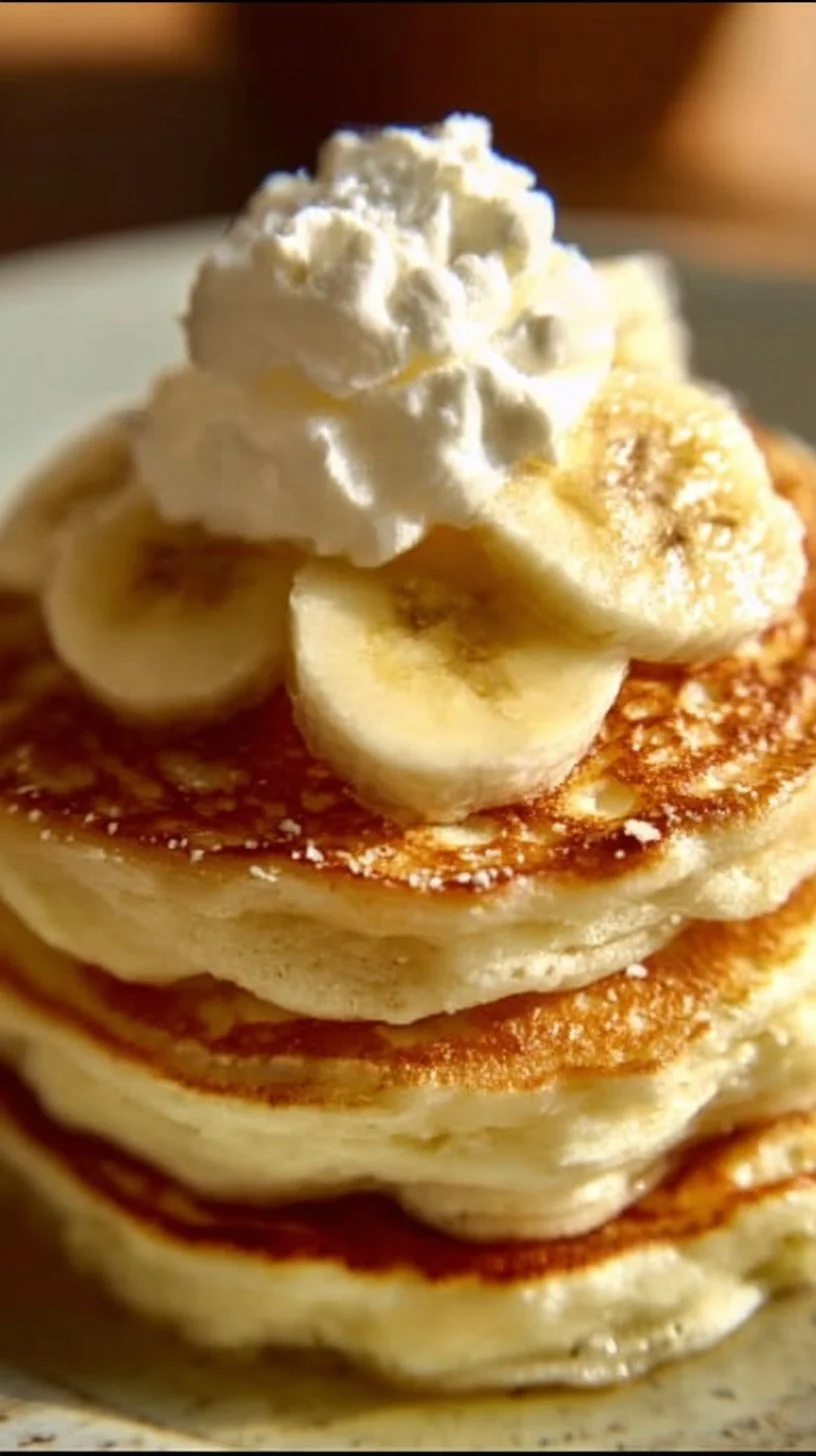
Fluffy Banana Cottage Cheese Pancakes are one of those recipes that feel both familiar and quietly clever — the kind of breakfast (or even light dinner) that comforts without weighing you down. They lean on pantry basics and a ripe banana for natural sweetness, then use cottage cheese and eggs to build structure and creaminess without needing heavy creams or a long ingredient list. For everyday meals, that’s a sweet spot: straightforward to make, satisfying to eat, and easy to repeat in slightly different ways without turning your kitchen into a production line.
I like these pancakes because they eat like a treat but behave like a balanced option. They’re soft, tender, and just fluffy enough, and they work well when you want something comforting that won’t leave you feeling overly full. They’re especially good on busy mornings, relaxed weekends, and nights when you want something simple yet thoughtfully prepared.
How this recipe fits into a balanced lifestyle
These pancakes embody a practical approach to moderation. Rather than stripping anything away, the recipe balances ingredients so the dish feels lighter through proportion and technique: a ripe banana provides sweetness and moisture, cottage cheese contributes protein and a silky texture, and a modest amount of flour keeps the pancakes tender without being dense. The result is an approachable meal that supports both enjoyment and energy.
“Lighter” here means staying mindful about portions and ingredient quality rather than restricting or vilifying any food. A serving of these pancakes paired with fruit and a spoonful of yogurt or a scattering of nuts makes a complete plate that satisfies taste, texture, and satiety. They fit naturally into a weekly routine because they’re forgiving — use up overripe bananas, swap a milk you prefer, or double the batch for leftovers. That flexibility makes it easier to plan meals that are consistent, varied, and grounded in everyday life.
How to make Fluffy Banana Cottage Cheese Pancakes
At its core, the cooking flow is simple: mix dry ingredients, whisk wet ingredients, fold them together gently, then cook. Where simplicity matters most is in avoiding overmixing and keeping the pan at a steady, moderate heat so the outsides color without the insides staying raw. The technique is less about fancy tricks and more about steady, mindful steps.
Approach this recipe without overthinking it. Measure thoughtfully, keep an eye on batter consistency, and treat the skillet like a partner — not a race. Small adjustments (a splash more milk if the batter seems thick, or a touch less heat if the outside browns too quickly) are fine; they’re part of cooking with your senses rather than following rules to the letter. Trust the ingredients to do much of the work.
Ingredients
1 cup all-purpose flour, 1 teaspoon baking powder, 1/2 teaspoon baking soda, 1/4 teaspoon salt, 1 ripe banana, mashed, 1/2 cup cottage cheese, 2 large eggs, 1/2 teaspoon vanilla extract, 1/2 cup milk, Butter or oil for cooking
Each ingredient in this list has a clear role that contributes to flavor, texture, or balance:
- 1 cup all-purpose flour: The neutral backbone of the batter. It provides structure and a tender crumb when used in balance with the wet ingredients.
- 1 teaspoon baking powder and 1/2 teaspoon baking soda: Acting together, these leaveners introduce lift and lightness. Baking powder gives an initial rise, and the small amount of baking soda helps with browning and reacts with the banana’s acidity for a responsive lift.
- 1/4 teaspoon salt: A little salt brightens flavors and keeps the sweetness of the banana from tasting flat. Salt is a tiny but important balancing agent.
- 1 ripe banana, mashed: Banana brings natural sweetness, moisture, and flavor depth. Using a ripe banana makes added sugar unnecessary for most tastes and contributes to a tender texture.
- 1/2 cup cottage cheese: This is the ingredient that makes these pancakes feel lighter but substantial. Cottage cheese adds creaminess, protein, and tiny curds that keep the crumb interesting — you’ll get pockets of soft, tangy richness without greasiness.
- 2 large eggs: Eggs bind and add richness, while also helping with lift. They contribute to a cohesive batter that holds up when flipped.
- 1/2 teaspoon vanilla extract: Vanilla rounds flavors and makes the pancakes taste more finished and bakery-like with very little effort.
- 1/2 cup milk: Milk adjusts batter consistency and helps hydrate the flour, making the pancakes tender. You can use your preferred milk without changing the recipe.
- Butter or oil for cooking: A little fat in the pan promotes golden browning and prevents sticking. Use butter for flavor or a neutral oil to reduce smoking at high heat.
Mindful ingredient choices are about using each element for what it contributes — texture, flavor, or balance — rather than shrinking the list. This combination keeps the pancakes feeling lighter through contrast (fresh banana tang with creamy cottage cheese) and proportion, not restriction.
Directions
- In a bowl, mix the flour, baking powder, baking soda, and salt.
- In another bowl, combine the mashed banana, cottage cheese, eggs, vanilla, and milk.
- Gradually mix the wet ingredients into the dry ingredients until just combined.
- Heat a skillet over medium heat and add butter or oil.
- Pour batter onto the skillet to form pancakes and cook until bubbles form on the surface; flip and cook until golden brown.
- Serve warm, optionally topped with extra banana or syrup.
Around these steps, a few practical cues help keep things easy and reliable:
- When you mix the dry ingredients (step 1), whisk them briefly to distribute leaveners and salt evenly. This gives a consistent rise across every pancake.
- The wet mix (step 2) will be a little lumpy because of the cottage cheese; that’s fine. Those curds are part of the appeal. If you prefer a completely smooth texture, briefly pulse the cottage cheese in a blender before combining — but that’s optional.
- “Until just combined” (step 3) is worth underscoring: a few streaks of flour in the batter are better than a dense, overworked mix. Overmixing activates gluten and makes pancakes tougher.
- For step 4, aim for steady medium heat. A pan that’s too hot will brown the outside before the inside cooks; too low and the pancakes will dry out. Test with a small pancake first and adjust.
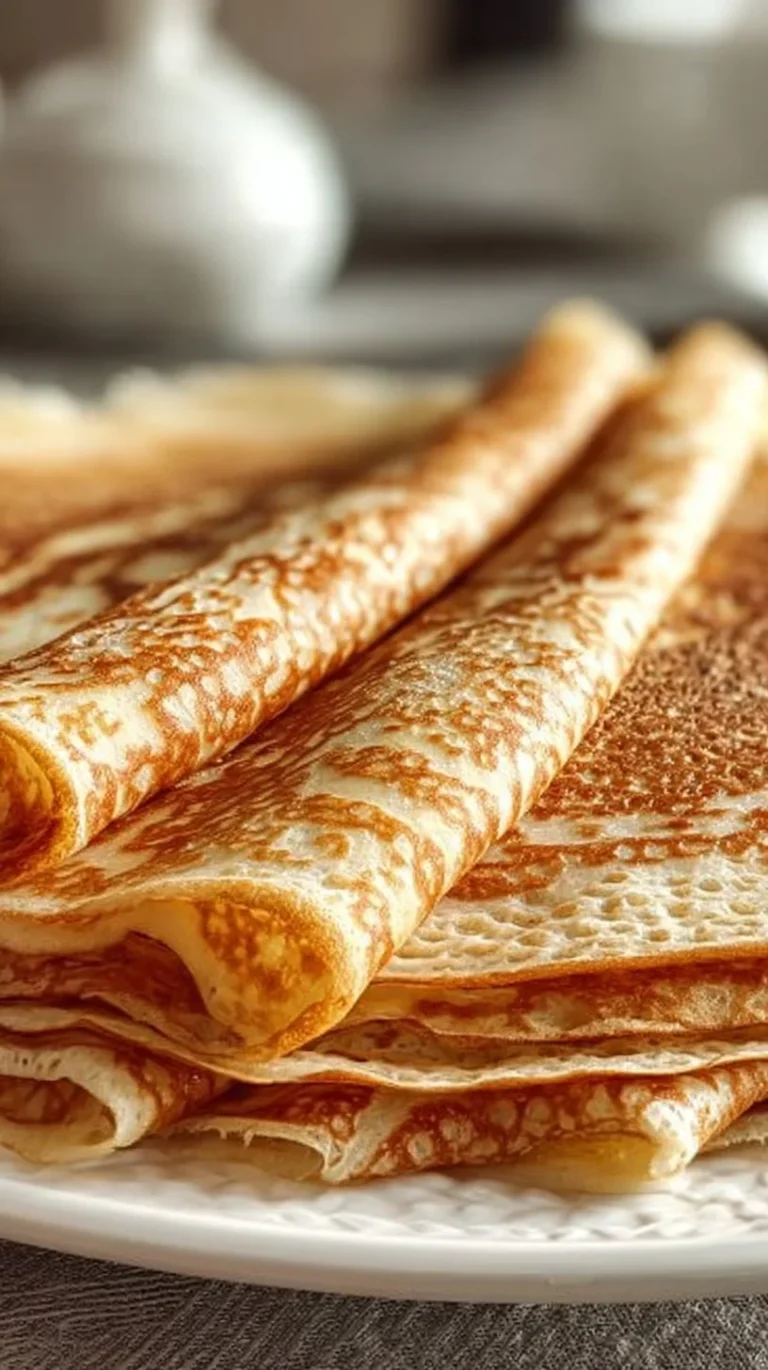
- Look for bubbles that appear and pop across the surface before flipping (step 5); that’s the classic visual cue that the interior is set enough. Flip confidently — a gentle, single flip keeps them light.
- Serve promptly (step 6) for the best texture. If you’re topping them, choose fresh or lightly sweet elements so the overall plate stays bright and balanced.
The role of preparation in keeping this dish light
Preparation is where the “lighter” feeling takes shape. It’s less about removing things and more about how you combine and cook them. A thoughtful mixing method — dry ingredients whisked, wet ingredients blended gently — keeps pancakes tender rather than heavy. The heat management on the skillet is just as important: controlled, even cooking gives you a golden exterior and a soft, fully cooked interior without excess oil or a soggy center.
Small choices matter: use a nonstick or well-seasoned pan so you need less fat, resist the urge to crowd the skillet which drops temperature and leads to uneven cooking, and don’t overload each pancake with too much batter. These are practical moves that preserve texture and keep the finished plate feeling lighter and more pleasant to eat.
Simple ways to adjust without losing balance
You can personalize these pancakes without changing the recipe’s core:
- Texture tweaks: For a creamier cake, mash the banana less or blend the cottage cheese briefly; for a slightly cakier pancake, increase the mash of the banana to integrate more moisture into the batter conceptually (but don’t alter measurements).
- Flavor additions: A pinch of cinnamon or nutmeg adds warmth. A thin zest of orange or lemon can lift the flavor if you want brightness. Keep additions modest so the banana and cottage cheese remain the stars.
- Swap cooking fat: Use clarified butter for a nutty flavor with less burning, or a high-heat neutral oil for a cleaner profile. Fat choice affects browning and mouthfeel but not the overall balance.
- Make it a bit more indulgent: A small drizzle of maple syrup or a smear of nut butter can sit on top without changing how the pancakes themselves are made. These finishing touches let you adjust richness at the plate, which helps control portion balance.
All tweaks here are conceptual — they’re about finishing and presentation rather than altering the ingredients or steps.
Pairing ideas for a complete, well-rounded meal
Think of these pancakes as the center of the plate and build around them with simple, contrasting elements:
- Fruit: Fresh berries, sliced kiwi, or citrus segments bring acid and brightness that cut through the richness. A small fruit salad adds color and a hydrating contrast.
- Protein: A side of plain Greek yogurt with a few nuts complements the cottage cheese and adds a creamy tang. If you want more savory protein, a couple of lightly poached eggs or a slice of smoked salmon on the side works too.
- Texture: A sprinkle of toasted seeds or chopped nuts provides crunch and a nutty counterpoint to the soft pancakes.
- Beverage: A cup of tea or a simple coffee pairs well — aim for something relatively low-acid so it doesn’t overpower the subtle banana notes.
These pairings build a balanced plate by adding volume, contrasting textures, and flavors that keep the meal interesting without excess.
Storage, leftovers, and next-day enjoyment
These pancakes store and reheat well when handled properly:
- Refrigeration: Cool pancakes completely, then stack with parchment paper between layers and store in an airtight container for up to 3 days.
- Freezing: For longer storage, freeze in a single layer on a tray until firm, then transfer to a freezer bag. They’ll keep well for up to 1 month.
- Reheating: For the best texture, reheat in a skillet over low-medium heat with a tiny bit of butter or oil to refresh the exterior. Microwaving works for convenience but will soften them; a quick toast in a toaster oven or pan gives a closer-to-fresh result.
- Refreshing: If the pancakes feel a touch dry the next day, a smear of ricotta, yogurt, or a little nut butter brings back moisture and richness without adding heaviness.
With these simple storage and reheating methods, leftovers remain a convenient and pleasant option.
Common questions about lighter everyday cooking
Q: How large should a serving be?
A: Portion size depends on appetite and what else you plan to serve. For a balanced breakfast, two medium pancakes with a side of fruit and a small scoop of yogurt often hits the sweet spot.
Q: Can I make a double batch?
A: Yes — batter can be mixed in larger quantities and cooked in batches. Keep the cooked pancakes warm in a low oven (about 200°F / 95°C) on a sheet pan if you’re serving several people.
Q: How do I avoid dense pancakes?
A: The two main culprits are overmixing and using too hot a pan. Mix until the ingredients are just combined and cook at steady medium heat to allow the centers to set without burning the outsides.
Q: How do I keep meals interesting when repeating recipes?
A: Change toppings and sides rather than the base recipe. One day pair the pancakes with citrus and ricotta, another with warmed apples and cinnamon, and another with a spoonful of savory yogurt and herbs.
Q: Is this recipe appropriate for lunch or dinner?
A: Absolutely. Paired with a simple salad or a bowl of roasted vegetables, these pancakes can make a light, satisfying savory-forward meal.
Final thoughts from Daniel
These pancakes are practical comfort: they use a handful of simple ingredients to deliver a light, satisfying plate that’s easy to make any day of the week. The mix of banana and cottage cheese gives you flavor and texture in a way that feels thoughtful, not fussy. Cooking them is an exercise in small, mindful choices — a controlled skillet temperature, gentle mixing, and pairing with bright sides — all of which help meals feel fresher and more balanced without complicated rules.
Make the recipe your own by adjusting how you finish and pair the pancakes rather than changing the core. That approach keeps the dish reliable and enjoyable while allowing for variety. I hope these pancakes find a regular place in your rotation — they’re a quiet, flexible option that supports daily living with flavor and common-sense balance.
Conclusion
If you want a version with clear nutrition information and a similar approach to protein balance, check out this recipe for Cottage Cheese Banana Pancakes Recipe With 23g of Protein for inspiration. For a take that blends oats into the batter for a heartier texture, this Cottage Cheese Banana Oatmeal Protein Pancakes post is a helpful reference. Everyday variations and straightforward tips can be found in the Easy Cottage Cheese Banana Pancakes – Everyday Healthy Recipes article, which stays practical and approachable. And if you’re interested in other protein-forward versions, see this Protein-Packed Cottage Cheese Banana Pancakes resource for ideas on keeping pancakes satisfying and balanced.
Fluffy Banana Cottage Cheese Pancakes
Ingredients
Method
- In a bowl, mix the flour, baking powder, baking soda, and salt.
- In another bowl, combine the mashed banana, cottage cheese, eggs, vanilla, and milk.
- Gradually mix the wet ingredients into the dry ingredients until just combined.
- Heat a skillet over medium heat and add butter or oil.
- Pour batter onto the skillet to form pancakes. Cook until bubbles form on the surface; flip and cook until golden brown.
- Serve warm, optionally topped with extra banana or syrup.